Benefits of Arc Flash Trousers: Safety, Heat Resistance & Comfort
Electrical work is inherently dangerous, and arc flash accidents are some of the worst that can happen. arc flash trousers are a type of flame-resistant protective clothing that is intended to protect workers' lower bodies from the very high temperatures that can happen during electrical faults. Unlike most flame-resistant clothing, these arc flash trousers are put through a lot of tests to find out their Arc Thermal Performance Value. This makes sure they can handle the strong heat, pressure waves, and molten debris that happen during an arc flash. Modern designs that make these clothes safe, comfortable, and able to handle heat have made them essential for utility workers, electrical repair crews, and industrial techs all over North America and beyond.
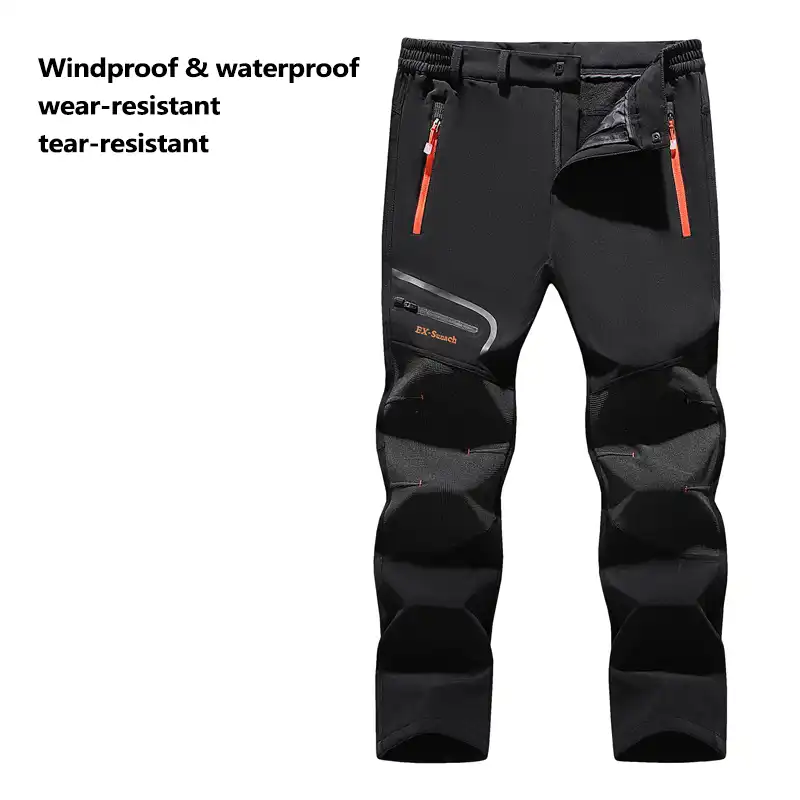
Understanding Arc Flash Trousers: What They Are and How They Work
arc flash trousers are a very important line of defence between workers and the terrible effects of electrical arc problems. Temperatures can hit 35,000°F in milliseconds during an arc flash, which is four times hotter than the sun's surface. These specialised clothes are made from high-tech fabrics that are designed to not catch fire and keep heat from transferring to the skin.
The Science Behind Thermal Protection
Standardised tests are used to figure out the ATPV grade, which shows how protective these arc flash trousers are. This number, in calories per square centimetre, tells you how much heat the cloth can stop before it burns you in the second degree. When it comes to electrical work, good protective clothing usually has ratings between 8 and 40 cal/cm², based on the amount of danger found in the workplace through a proper risk assessment.
These arc flash trousers are made from naturally flame-resistant materials like aramid fibres, modacrylic mixes, and cotton that has been treated. In contrast to chemically treated fabrics, which lose their protective properties over time, naturally occurring FR materials keep their protective properties throughout the life of the clothing. The cloth structure is designed to put out the fire itself as soon as the source of burning is taken away. This stops the fuel-fed fires that hurt a lot of people.
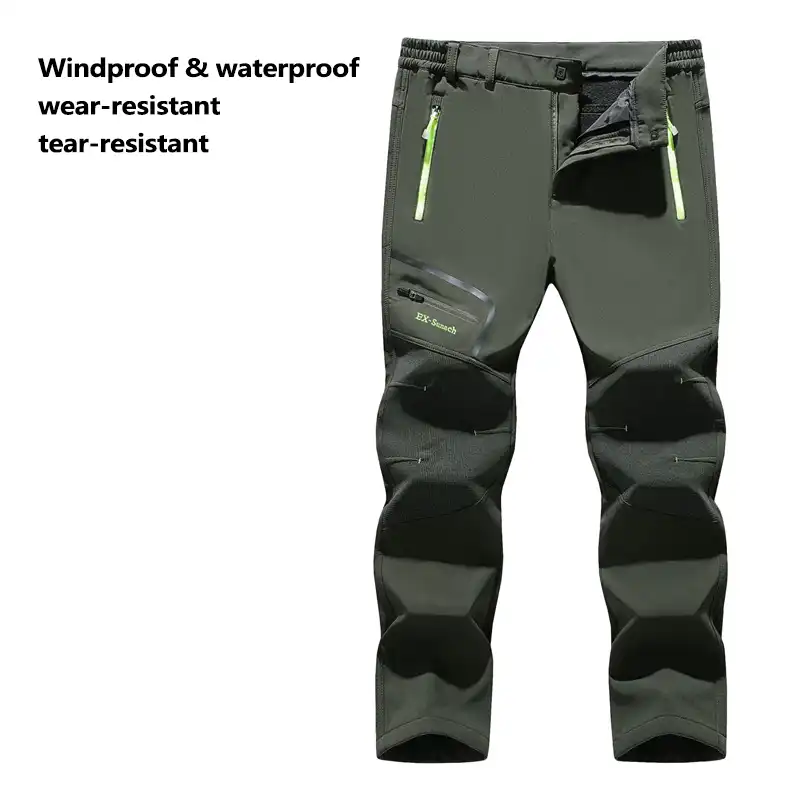
Compliance Standards That Matter
All over North America, safety managers put a high priority on clothes that meet ANSI, NFPA 70E, and ASTM F1506. These approvals show that protected workwear has been put through tough tests to make sure it is arc-rated, flame-resistant, and long-lasting. Professionals in procurement know that compliance paperwork is important for keeping track of things and making sure that each batch of fabric matches up with valid test certificates. This is especially important for building companies, utility companies, and transportation operations, where following the rules has a direct effect on safety programs at work.
Key Benefits of Arc Flash Trousers for Industrial Safety and Operational Efficiency
Buying good flame-resistant lower body protection pays off in a number of ways, including preventing injuries, lowering insurance costs, and boosting worker trust. The main perks go far beyond meeting basic legal standards.
Superior Heat Resistance Saves Lives
Wearing the right kind of arc flash trousers can make the difference between a small accident and an injury that ends your career. When electrical repair workers work on powered equipment, they might be exposed to arc flash dangers that can burn them to the third degree in a matter of seconds. The majority of thermal energy can't reach the skin's surface because of fabrics that are resistant to heat.
Reports from utility companies about actual incidents show that wearing the right PPE greatly lowers the intensity of burns during sudden arc events. When workers wear properly rated clothing, they often get away with minor injuries or no harm at all. But when workers wear clothing that isn't rated properly, they get serious burns that require hospitalisation and long healing times.
Durability Meets Industrial Demands
Construction sites, factories, and power substations are all places where working conditions are very bad. In addition to thermal dangers, arc flash trousers must survive mechanical wear from everyday use. Quality clothes have materials that don't wear down easily, stitching that is strengthened at stress points, and hardware that is made to stay in place in tough situations.
Welston's three factories use modern production methods and Japanese JUKI and Taiwanese SHINLING tools to make sure that the standard of each run is the same. The longevity of each garment means that they don't need to be replaced as often, which lowers the total cost of ownership for procurement managers who are in charge of big teams. If you take care of our flame-resistant clothing the right way, it will protect you through 50 to 100 industrial wash cycles, giving you solid long-term performance.
Comfort Features That Encourage Compliance
If workers don't want to wear it because it's uncomfortable, even the most safe clothing won't work. Modern styles include practical details that make them comfortable to wear all day. Moisture-wicking features help control sweating while doing physically demanding jobs, which lowers heat stress in hot places. Breathable fabric constructions let air flow while still providing heat protection, so you don't feel suffocated like you did in older FR clothing designs.
Flexible fabric blends let your body move naturally, which is important for techs who work in small areas or do jobs that require them to kneel, climb, or reach. Putting gussets and flexible knees in the right places makes it easier to move around without sacrificing safety. These comfort concerns have a direct effect on output because they let workers focus on their work instead of fighting against clothes that are too tight.
Enhanced Visibility and Functional Design
For extra safety, many electrical job areas need parts that are easy to see. Flame-resistant safety clothes often have EN 20471-compliant reflective stripes that keep workers noticeable in substations and other industrial sites where there isn't a lot of light. When thermal safety and sight are combined, they deal with more than one type of risk at the same time.
Some useful design features are reinforced tool pockets, hammer loops, and utility sections that let workers take their tools without affecting the safety of the clothing. All zippers, buttons, and fastening must be non-conductive and thermally protected so that heat doesn't move or an arc doesn't track, which would defeat the fabric's protective properties.
Types and Variations of Arc Flash Trousers: Matching Solutions to Industry Needs
Different types of settings and amounts of danger come with electrical work, so protective clothing needs to be tailored to each one. Knowing these differences helps people who buy clothes match the features of clothes to the needs of the job.
Lightweight Options for Moderate Hazards
Arc flash trousers that are 8 to 12 cal/cm² light are enough to protect you for PPE Category 2 jobs while keeping you comfortable for long periods of time. These clothes usually have layers that wick away wetness and fabrics that let air pass through, which makes them perfect for working on electrical panels inside or doing regular inspections.
These styles are easier for workers to move around in because they are lighter and less bulky. This is especially important for techs who spend their shifts going from one job site to another. Even though these clothes are made of lighter materials, they still have important defensive qualities thanks to smart engineering and material choice.
Heavy-Duty Protection for High-Risk Environments
Utility workers who move high-voltage lines or work in substations are much more likely to be hurt by arc flashes. In these situations, you need arc flash trousers with ATPV rates above 40 cal/cm², which are PPE Categories 3 and 4. Heavy-duty designs use several layers of flame-resistant materials to make better thermal shields that can handle very high impact energies.
Even though these clothes are bigger and heavier than lighter options, they offer the best security for working on systems that are powered up to 600 volts. When hazard analysis shows that there is a high chance of an incident, the trade-off between movement and safety is reasonable.
Specialty Designs for Unique Applications
The renewable energy industry has its own set of problems to solve. Wind turbine workers who work at heights are at risk of DC arcs and need to wear clothes that keep moisture out so they don't get steam burns during an arc event. When working outside, solar installation crews need cover that is light and doesn't add to their heat stress.
In mining and oil and gas sites, workers need arc flash trousers that can protect against more than one danger at the same time, like arc flash protection and chemical resistance or static dissipation. To meet strict safety standards, these multi-hazard clothes use special fabric processes or composite constructions.
Comparing Trousers to Alternative Protective Clothing
A lot of the time, procurement managers think about whether separate arc flash trousers or full suits are better for their employees. arc flash trousers have many benefits, such as making it easier to put on and take off clothes, keeping your body temperature more stable, and making it easier to go to the toilet during long shifts. They also let workers protect their upper bodies in different ways depending on the job, which is something that one-piece clothes can't do.
Coveralls offer full protection without any gaps at the waist, and they may be preferred in places where workers are exposed to dangers above them or have to work in awkward situations. In the end, the decision relies on the needs of the job, the desires of the workers, and the type of electrical dangers that are present at work.
Maintenance, Care, and Longevity: Maximizing the Value of Your Arc Flash Trousers
Proper care has a direct effect on both how long arc flash trousers protect and how much it costs. Safety managers need to set clear rules for how to clean, check, and replace clothes.
Achieving Proper Fit for Maximum Protection
How well arc flash trousers fit has a big effect on how well they work. Loose-fitting clothes make a protective air gap between the fabric and the skin, which protects against heat loss by making heat move farther. Designs that fit closely take away this protected layer and move heat to the body's surface more quickly.
When safety managers dress workers, they should make sure that the right sizes are used so that workers can move around comfortably while keeping the air gap. Arc-rated shirts, face shields, and insulated gloves are all pieces of PPE that should fit together with other clothing to make a full protection outfit with no gaps where skin could be exposed.
Laundering Without Compromising Protection
When washing arc flash trousers in an industrial setting, you need to follow certain rules. It is possible for strong cleansers, bleach, and fabric softeners to damage the protective qualities of both chemically treated and naturally FR fabrics. To keep fibres from getting damaged or coatings from breaking down, the water temperature should stay below what the maker recommends.
Getting in touch with corporate laundry services that know how to take care of FR clothes will make sure they are handled correctly. In these specialised facilities, they know that flammable substances like oils or greases can ruin defensive properties, so clothes must be taken out of service right away. Welston includes full care notes with every sale. This helps customers set up good maintenance habits that make clothes last longer.
Inspection Protocols and Retirement Criteria
Regular checking is the best way to keep arc flash trousers from breaking. Prior to each use, workers should visually inspect the item, looking for holes, tears, heavy wear, or damage from heat. Any clothing that was in a real arc flash must be thrown away right away, even if there is no damage that can be seen, because the high temperatures may have damaged the fabric in ways that can't be seen.
Safety managers should set up official inspection plans and keep track of the state of clothes over time by writing down what they find and when they do it. This information helps people make smart choices about what to replace and finds out if certain jobs or settings make clothes wear out faster. Keeping track of warranty terms and expected service life allows for strategic buying that keeps workers safe.
Selecting the Right Arc Flash Trousers: Procurement Considerations for B2B Buyers
Procurement pros have to find a balance between making sure workers are safe, following the rules, and staying within budget. A methodical review process makes sure that the best buying choices are made.
Evaluating Technical Specifications
The main selection factor is the arc grade, which is based on a workplace hazard study. NFPA 70E gives detailed instructions on how to figure out the amount of incident energy at different working distances from possible spark sources. This determined number must be met or exceeded by the arc flash trousers grade. Many safety managers add an extra safety margin.
How safe and comfortable something is depends on how heavy the fabric is. In general, heavier fabrics have better arc values, but they may be harder for workers to accept in hot places. Finding the right mix means taking a look at the exact situations where the clothes will be worn. Mechanical stretch, articulated knees, and gusseted crotches are some of the features that make clothes more mobile. This is especially important for building and repair work that requires changing body positions.
Assessing Supplier Capabilities
Supplier selection goes beyond products, covering manufacturing quality, logistics reliability, and after-sales support. ISO and industry certifications indicate structured quality systems, while experienced manufacturers ensure consistent output. Shenzhen Welston Garment Co., Ltd., with 27 years’ experience, three plants, and ten production lines, serves major clients like Panasonic, Toyota, and Dell. Customization options and flexible MOQ/pricing support diverse workforce needs and procurement strategies.
Understanding Total Cost of Ownership
Total cost of ownership goes beyond the initial garment price and provides a more accurate view of long-term value. Durable arc flash trousers reduce replacement frequency and hidden costs related to reordering, logistics, and downtime. Warranties and return policies help reduce buyer risk, while responsive after-sales support ensures issues are resolved quickly to maintain uninterrupted safety program operations.
Logistics and Supply Chain Reliability
Lead time directly impacts inventory planning and project execution. Domestic suppliers offer faster delivery but often at higher cost, while overseas manufacturers provide more competitive pricing with longer lead times. Understanding shipping options helps optimize stock levels and reduce tied-up capital. Supply chain reliability improves through strong supplier partnerships, transparent delay communication, and flexible order scaling based on workforce or seasonal demand changes.
Conclusion
arc flash trousers for electrical work settings is an important investment in the safety of workers and the continuation of operations. Modern clothes can be used every day in a wide range of workplace settings because they are made to last, provide proven heat protection, and prioritise comfort. Professionals in procurement who know about the technical requirements, upkeep needs, and supplier skills can create effective safety programs that keep workers safe while keeping costs low. Working together with seasoned makers makes sure you can get safe, legal protections that meet the strict needs of North American workplaces. This is because workplace safety rules are always changing and electricity systems are getting more complicated.
FAQ
1.What distinguishes arc-rated from standard flame-resistant garments?
arc flash trousers for arc flash dangers are all flame-resistant, but arc-rated means that the clothing was tested to find out its ATPV or EBT value. This tells you exactly how much heat the fabric can block before it starts to burn in the second degree. Standard FR clothing only promises that it will put out fires on its own, but it doesn't give exact amounts of thermal protection. Based on a risk assessment of the workplace, safety managers should always ask for arc-rated clothing with the right cal/cm² rates.
2.Can synthetic undergarments be worn beneath protective trousers?
Workers should never put on synthetic undergarments like nylon or polyester under their arc flash trousers. When heated, these materials melt at relatively low temperatures and fuse to the skin, making burns much worse. To stop this secondary injury process, you should only wear natural fibre undergarments like cotton, wool or silk under arc-rated clothing.
3.How do I determine appropriate replacement intervals?
arc flash trousers should be thrown away if they have holes, tears, a lot of wear, or are dirty with dangerous substances that can't be cleaned up with laundry. Any clothing that was exposed to a real arc flash must be thrown away right away, even if there is no damage that can be seen. In addition to damage-based criteria, setting replacement plans based on known wash cycles and wear trends helps keep the program working well. If you take good care of them, most good arc flash trousers will keep working after 50 to 100 industrial wash runs.
Partner With Welston for Certified Arc Flash Trousers Solutions
Welston is ready to help your workplace safety program by making flame-resistant protective clothing that meets the strict requirements of ANSI and ASTM. As a seller of arc flash trousers with three production sites, we know how important it is for electrical workers to have reliable safety gear. For orders as low as 100 pieces, we can make them exactly how you want them, with choices for adding your logo, changing the size, and adding other features that meet your unique operational needs. Email our team at [email protected] to talk about your safety gear needs and get samples that show how committed we are to quality, safety, and worker comfort. We make sure that the supply chain works the way that safety managers need it to.
References
1. National Fire Protection Association. NFPA 70E: Standard for Electrical Safety in the Workplace. Quincy: NFPA Publications, 2021.
2. Stokes, A.D. and Sweeting, K.T. "Electric Arcing Burn Hazards." IEEE Transactions on Industry Applications, vol. 42, no. 1, 2006, pp. 134-141.
3. American Society for Testing and Materials. ASTM F1506: Standard Performance Specification for Flame Resistant and Electric Arc Rated Protective Clothing Worn by Workers Exposed to Flames and Electric Arcs. West Conshohocken: ASTM International, 2020.
4. Cheim, L., Platts, D., Prevost, T., and Xu, S. "Considerations in Applying IEC 61482 Arc Flash Protective Clothing Standards." IEEE Electrical Insulation Magazine, vol. 31, no. 4, 2015, pp. 8-15.
5. Doughty, R.L., Neal, T.E., and Floyd, H.L. "Predicting Incident Energy to Better Manage the Electric Arc Hazard on 600 V Power Distribution Systems." IEEE Transactions on Industry Applications, vol. 36, no. 1, 2000, pp. 257-269.
6. Jones, R.A., Lehr, J., and Capelli-Schellpfeffer, M. "An Approach to Calculating Arc Flash Incident Energy and Equipment Protection Boundaries." IEEE Industry Applications Magazine, vol. 10, no. 2, 2004, pp. 62-69.
We specialize in designing, producing, and selling corporate clothing. Mainly produces: industrial clothing, business uniforms, and work clothes for different companies.

About Welston Garments


