Best Arc Flash Trousers for Electricians in High-Risk Work 2026
When electrical problems happen, workers are at very high risk of arc flashes, which can hit temperatures of over 35,000°F. ASTM F1959-certified thermal protection and ergonomic design are found in the best arc flash trousers for 2026. This lets workers work safely near electrical equipment. These special clothes are made from naturally flame-resistant materials like Nomex and Modacrylic blends. They have ATPV ratings ranging from 8 to 40+ cal/cm², based on the level of danger, but they are still breathable and durable enough to be worn for long periods of time in industrial situations.
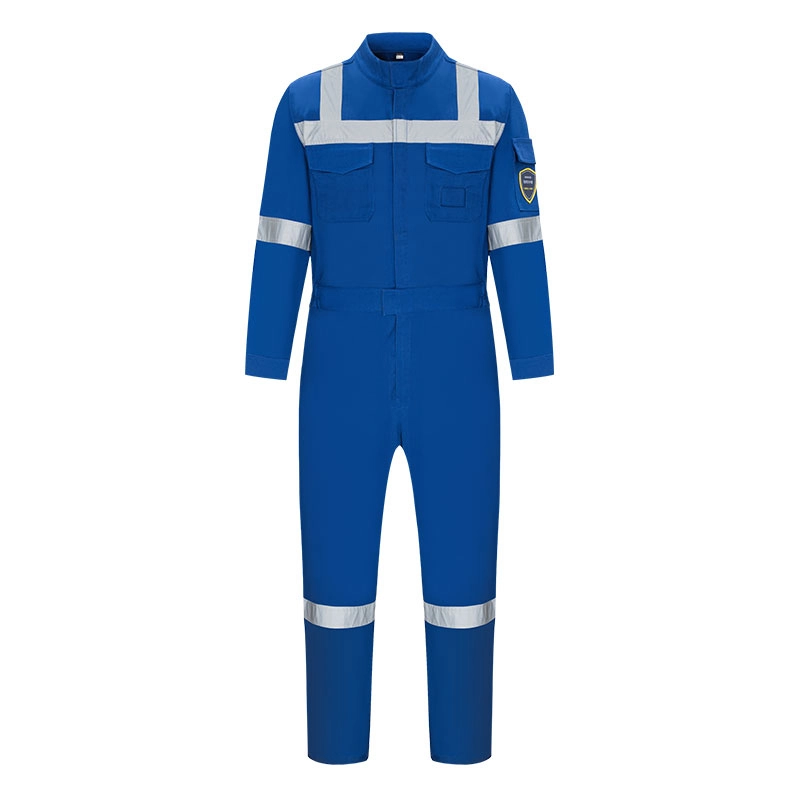
Understanding Arc Flash Trousers: Safety and Functionality
Electrical workers who work near high-voltage systems are aware of the dangers that arc problems pose in a split second. Unlike regular work trousers, arc flash trousers are made to put out fires on their own right away when they come into contact with extremely high temperatures. This stops fires from spreading and causing serious injuries.
Core Design Principles of Arc-Rated Garments
These protective trousers are made with high-tech fabrics that block heat from the wearer's skin from heat sources outside the pants. The fabrics are made with naturally flame-resistant fibers that are knitted at certain thicknesses to trap air pockets that keep heat from moving. Chemically treated fabrics can lose some of their protective benefits after being washed several times, but this structure is very different.
The loose-fit design idea is very important for safety. When arc flash trousers are worn with enough space between them and the body, they create what safety engineers call the "air gap effect," which allows convective cooling and stops direct heat transfer, which greatly lessens the intensity of burns in electrical accidents.
Material Technologies That Save Lives
Several high-performance fiber technologies are used in modern arc-rated safety clothing. Modacrylic mixes work really well in arc thermal situations and are still pretty light and comfy. Extremely heat-resistant, aramid fibers like Nomex keep their shape even when they are directly exposed to flames. Combinations of meta-aramid and para-aramid give clothes better resistance to wear and tear, which makes them last longer in harsh industrial settings.
Multi-hazard materials are now being made by manufacturers to protect against more than just arc flash. In addition to meeting ASTM F1959 standards, these high-tech fabrics are water-resistant according to EN 343 guidelines, dissipate static electricity according to EN 1149-5 guidelines, and are highly visible according to ANSI/ISEA 107 guidelines. This combined method cuts down on the number of layers of clothing needed, which makes it easier to move around and lowers the risk of heat stress.
Certification Standards That Matter
When buying protected trousers for businesses, B2B sourcing teams need to make sure that the trousers have real third-party certifications. The Arc Thermal Performance Value is found through ASTM F1959 testing. It measures the amount of impact energy at which a cloth has a 50% chance of causing a second-degree burn. NFPA 70E tells us how to choose the right types of PPE based on the amount of energy that hits us at different distances from the work.
The open arc test (IEC 61482-1-1) and the box test (IEC 61482-1-2) are two ways to test that are part of the IEC 61482 process that European standards follow. These two methods work together to make sure that clothes work successfully in a wide range of fault situations. When they work with international companies, procurement managers often need two types of certification to make sure that all of their sites in North America and Europe meet the rules for regional compliance.

How to Choose the Best Arc Flash Trousers for Electricians in 2026
To choose the right arc flash trousers, you need to look at the specific dangers in the workplace and make sure that the clothing's specs match the amount of risk that you've calculated. This choice has an immediate effect on the safety of workers, the compliance of operations, and the long-term costs of purchasing.
Assessing Workplace Incident Energy Levels
Arc Flash Hazard Analysis is the first step in electrical safety programs. It figures out what kind of accidents energy workers might face during fault situations. This study, which follows the steps in IEEE 1584, figures out the cal/cm² rate needed for safety clothing at certain distances from electrical equipment.
For repair on substations, higher incident energy levels are common, and PPE Category 3 or 4 protection (25–40+ cal/cm²) is often needed. Electrical work in a factory usually falls in the Category 2 range (8–25 cal/cm²), but regular panel checks that follow the right de-energization steps may only need Category 1 protection (4–8 cal/cm²). For all jobs their electrical crews do, procurement teams must make sure that trouser ratings meet or go beyond the highest estimated incident energy.
Material Selection for Performance and Comfort
The choice of cloth has a direct effect on both the amount of protection and the wearer's comfort. Inherent FR materials, such as Nomex, offer long-lasting flame resistance that can't be washed away. This makes them perfect for places where clothes are washed a lot. These high-end materials usually cost more at first, but they offer better value over time because they last longer.
Modacrylic mixes are a good middle ground choice because they offer good arc protection while also being softer on the hands and letting more air flow through them. These materials work well in mild areas where heat stress is not a major problem. Some sources now offer stretch-incorporated FR fabrics that keep their arc ratings while increasing the wearer's range of motion. This is especially helpful for electricians who work in tight areas or at high levels.
In 2026 standards, the ability to control moisture has grown in importance. Modern wicking technologies move sweat away from the skin, which makes regular wear more comfortable and lowers the risk of steam burns during arc events. This trait is especially important for utility workers who work in the south or in places where they can't control the temperature.
Balancing Protection with Operational Budget
To make buying more cost-effective, you need to look at the total costs of ownership instead of just comparing prices per unit. Higher-rated protection trousers that last longer are often a better deal, even if they cost more at first. This is especially true when you consider how often you have to replace them and how much it costs to wash them.
Volume buying deals can cut costs per unit by a lot while making sure that sizes and specs are the same for everyone in the workforce. A lot of specialized sellers have tiered prices, which means that orders of 100 pieces or more get big discounts. Customization options like business names, reflective trim placement, and reinforced knee areas make the product more valuable without affecting safety standards as long as they are used properly.
Premium suppliers are different from commodity providers in terms of warranty terms and after-sales service. Fabric flaws, seam integrity problems, and licensing paperwork should all be covered in full. Procurement managers can answer technical questions and quickly handle field concerns when they have responsive customer service teams that know how to meet legal requirements.
Top Arc Flash Trousers in 2026: Brand Comparison and Market Analysis
The market for safe gear has changed a lot, and now there are a number of well-known brands that make reliable arc flash trousers. Knowing what's out there helps buying teams compare things in a smart way.
Key Specifications Driving Purchase Decisions
The ATPV grades of the best arc flash trousers now range from 8 cal/cm² for basic electrical work to 40+ cal/cm² for high-voltage switching tasks. Fabric weights usually fall between 7 and 12 ounces per square yard. Lighter fabrics are better for jobs that require a lot of movement, while heavier fabrics are better for full protection.
Designs made today have practical features that designs made in the past didn't have. When you're standing, articulated knees keep the fabric from bunching up, and gusseted crotches make your stride longer for rising and reaching. Some high-end models have built-in knee pad pockets that look like the pockets on reinforced-knee work trousers. This lets electricians add padding without lowering the protection against arcs.
Today's closure systems include more than just zippers. They also have arc-rated metal hardware and hook-and-loop latches that stay in place when heated up. Different models have different pocket layouts, such as standard side pockets, cargo-style leg pockets with arc-rated locks, and special tool loops. Procurement teams should make sure that pocket designs are right for each job, since extra pockets that aren't used add weight and cost that aren't needed.
Distinguishing Arc Flash Protection from Basic Flame Resistance
People who work in industrial buying often get arc flash trousers and normal flame-resistant workwear mixed up. It's true that all arc flash trousers can fight flames, but the most important thing that sets them apart is their tried and approved arc thermal performance values. Basic FR clothing may put out fires on their own when exposed to flames, but it doesn't offer enough protection against the strong radiant and convection energy that is released during an electrical spark.
This difference is very important for managing compliance and responsibility. For electrical work within the Arc Flash Boundary, OSHA rules and NFPA 70E guidelines make it clear that you must wear arc-rated PPE. Employers can get fined for using flame-resistant clothes that aren't rated for these uses, and workers aren't protected enough.
Regional Considerations Across North American Markets
In the United States, the electrical safety market requires strict obedience to ANSI and NFPA standards. The way these standards are enforced varies by state and city. Major industrial areas, such as the petroleum route along the Gulf Coast, the manufacturing belt in the Midwest, and the mining activities in the West, each have their own environmental problems that affect the choice of clothing.
Concerns about humidity and heat stress are common in southern sites, which is why protective trousers that are light and wick away moisture are in high demand. Layering compatibility is important for northern operations, so clothes need to be a little looser so that wool pants can fit underneath during the winter without losing the important air gap. Utility companies that work in a lot of different areas often have different clothing requirements for summer and winter employment.
Canadian electricity safety programs are very similar to U.S. standards, but they also include rules that are unique to each province. As industrial facilities grow, Mexican operations are adopting more and more North American safety standards. This opens the door for standardized PPE programs across national operations.
Procurement Guide for Bulk and Custom Orders
Setting up reliable supply lines for arc flash trousers takes a close look at each supplier and control of the relationships between them. Because these safety-critical goods are so specialized, they need more care than standard uniform buying.
Identifying Qualified Suppliers and Manufacturers
Welston has been making professional clothing for 27 years, which shows that they are stable enough to work with other companies on long-term PPE projects. Large manufacturers can handle large orders while keeping quality standards high because they have three specialized factories with 10 production lines and more than 580 workers. Cutting and sewing systems made by JUKI and SHINLING and other high-tech companies make sure that the clothes are made precisely, which is necessary for arc-rated clothing approval.
When buying managers look at possible providers, they should make sure that they have a few key skills. When compared to trading middlemen, direct manufacturing ties give you more control over specs and wait times. Certification papers should come from well-known testing labs and include batch-specific records that can be used for auditing. Building ties with big companies like Panasonic, Toyota, and other Fortune 500 companies shows that the product is reliable in tough situations.
Negotiating Value-Added Services
A lot of value is captured in complex procurement deals through customization and support services, in addition to unit prices. Using heat transfer or stitching to place a custom logo on something keeps it looking professional and reinforces the safety culture. Small to medium-sized facilities need at least 100 pieces of each item, so premium security is available to a wide range of activities.
Structures for volume discounts usually start at 500 pieces, with bigger price cuts at 1,000 and 2,500 pieces. Annual blanket orders with planned releases help makers plan their production more efficiently and get better prices for buyers. Some sellers have consignment inventory programs that put stock at customer sites to save money on emergency purchases and make sure they are available right away.
Customization goes beyond making things look better; it also makes them work better. Specific wear patterns seen in past clothing lifecycles were taken into account by adding reinforcement to stress points. Specially designed pockets can hold different kinds of tools or electronics. Utility workers working near roads must follow both arc flash and traffic safety rules when putting up high-visibility trim.
Ensuring Long-Term Garment Performance
The right way to care for clothes has a direct effect on both how well they protect and how long they last. Laundry programs in businesses should only use soaps that are allowed for FR fabrics and not chlorine bleach or fabric softeners, which can weaken the fabric's flame resistance. Water temps shouldn't be higher than what the maker says is safe, which for most arc-rated materials is 140°F.
Several key failure places should be checked during regular inspections. It is important to check the quality of the seams because split stitching lets heat get through. Fabric that is wearing down from use needs extra care, especially where the knees and seats are, where wear is most noticeable. If something is contaminated with flammable materials like oils or greases, it needs to be taken out of service right away because they can start new fires during arc events.
Welston promises to answer after-sales questions within 24 hours, so problems in the field get quick attention. This speed is especially helpful when there are problems with fit, when care needs to be made clearer, or when emergency new orders need to be processed quickly. Professional help after the sale is what sets strategic supply partnerships apart from transactional vendor relationships.
Conclusion
To choose the right arc flash trousers for 2026, you need to weigh the thermal performance specs, the comfort features, and the total cost of ownership. The best solutions have approved levels of protection that are matched to the estimated energies of workplace incidents and ergonomic designs that make it easy to follow the instructions for wearing them. When looking at fabric technologies, supplier skills, and long-term support promises, procurement professionals working with electrical operations in North America must make ASTM F1959 and NFPA 70E compliance their top priority. Companies can protect their electrical workers and make the most of their safety program funds by working with experienced makers that offer customization options and quick service.
FAQ
1.What distinguishes arc-rated trousers from regular flame-resistant work pants?
Specific tests are done on arc flash trousers according to ASTM F1959 or IEC 61482 standards to find out their ATPV or EBT values. These values show how well the clothing protects against electrical arc heat dangers. Standard flame-resistant trousers only promise that they will put out fires on their own, without testing their performance in arc temperature environments. This means that they are not suitable for electrical work within Arc Flash Boundaries. Arc-rated PPE is required by OSHA and NFPA 70E rules for jobs that are close to electrical equipment.
2.Can arc flash trousers be reused after exposure to an actual arc event?
Any clothing that was in an arc flash must be taken out of service right away, even if there is no damage that can be seen. Extreme thermal and mechanical pressures that happen during arc events can damage cloth structure and defensive abilities in ways that aren't always clear from looking at it. As part of the event recording process, exposed clothing must also be thrown away because of insurance and liability concerns.
3.Which cal rating should our facility specify for electrical maintenance work?
The needed grade is based on the Arc Flash Hazard Analysis of your building, which figures out the impact energy levels using the IEEE 1584 method. For most regular work on electrical panels, PPE Category 2 safety is needed (8–25 cal/cm²), but for high-voltage switching, Category 3 or 4 levels are needed (25–40+ cal/cm²). The electrical safety program at your location should spell out the PPE that is needed for each job based on a risk estimate. Talking to a trained electrical engineer makes sure that the right specifications are used.
Partner with Welston for Certified Arc Flash Trousers
Welston blends thirty years of experience making protective clothing with a deep understanding of the safety rules for electrical work. Our production skills for flame-resistant workwear include customization choices starting at 100-piece minimums. This means that facilities of all kinds can get certified compliance. To meet the needs of OSHA compliance checks and safety program standards, as a well-known provider of arc flash trousers to major industry clients in North America, we offer full paperwork packages.
Our expert support team answers questions about specs, worries about fit, and urgent purchasing needs within 24 hours. Email [email protected] to talk about the specific security needs of your building and get full quotes for large orders. You can look through our full catalogue of protective clothing at welstongarments.com and download approval paperwork for your safety program's files.
References
1. NFPA 70E Standard for Electrical Safety in the Workplace, 2024 Edition, National Fire Protection Association, Quincy, Massachusetts.
2. IEEE Guide for Performing Arc-Flash Hazard Calculations (IEEE Std 1584-2018), Institute of Electrical and Electronics Engineers, Piscataway, New Jersey.
3. ASTM F1959/F1959M-21 Standard Test Method for Determining the Arc Rating of Materials for Clothing, ASTM International, West Conshohocken, Pennsylvania.
4. IEC 61482-2 Live Working - Protective Clothing Against the Thermal Hazards of an Electric Arc, International Electrotechnical Commission, Geneva, Switzerland.
5. Occupational Safety and Health Administration, Personal Protective Equipment for Electrical Workers, OSHA Publication 3151-12R, U.S. Department of Labor, Washington, D.C.
6. Electrical Safety Foundation International, Arc Flash Hazard Analysis and Risk Assessment Procedures, ESFI Industry Guidelines 2023, Arlington, Virginia.
We specialize in designing, producing, and selling corporate clothing. Mainly produces: industrial clothing, business uniforms, and work clothes for different companies.

About Welston Garments


