Best Chore Pants for Men: Durable Workwear Guide
Chore pants stand out as a crucial purchase when it comes to providing your employees with reliable, long-lasting clothing. These utility pants were first made for hard jobs in the United States in the early 1900s. Over time, they have become more stylish clothing that is durable, useful, and comfortable. Choosing the right work pants is important for procurement managers, engineers, and business buyers all over North America to make sure their teams stay safe, productive, and relaxed at work all day. This complete guide tells you everything you need to know to choose high-quality work pants that will really save you money on jobs on building sites, in warehouses, factories, and the workplace.
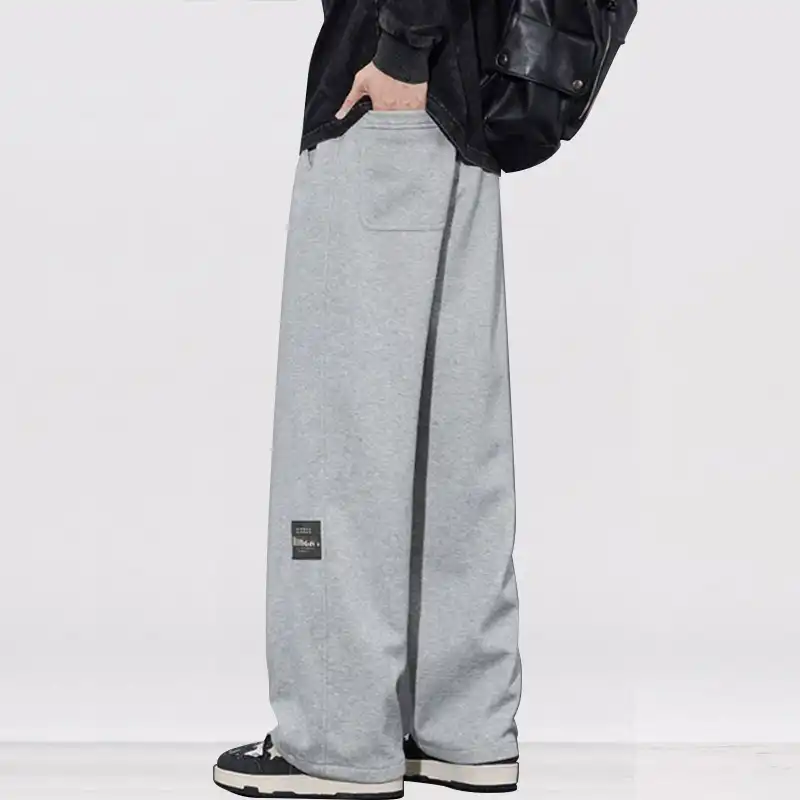
What Are Chore Pants? Understanding Their Role in Workwear
Historical Development and Core Characteristics
The French "bleu de travail" and American railway workers' clothes from the early 1900s are where work pants with useful features got their start. These clothes were made because workers needed clothes that could stand up to repeated wear and tear, carry important tools, and let them move freely while doing physically hard work. Traditional chore pants have a higher rise, straight legs, and big patch pockets that are placed so that tools are easy to get to. This is different from regular denim jeans, which have a rigid five-pocket design. The features that set them apart are heavyweight canvas or duck cloth construction, reinforced stitching at stress points, and useful pocket layouts that are based on real-world working needs. Over many years, companies like Welston have improved these basic features by using new fabric technologies while keeping the main purpose that makes these clothes necessary for commercial use.
Material Superiority and Construction Standards
Duck cloth is still the best material because it is very resistant to wear and tear, thanks to its straight weave structure. The weight of this heavyweight cotton fabric, which is usually between 10 and 15 ounces per square yard, keeps sharp items, rough surfaces, and environmental dangers out. The smooth weave design of some moleskin types makes them better at blocking wind and keeping you warm, which makes them perfect for work outside in cooler weather. Quality building is more than just choosing the right cloth. Triple-stitched stitches in high-stress areas, like the crotch and seat, stop the common "blowout" failures that happen with cheap workwear. Bar-tack supports at the corners of pockets spread out the load stress so that workers can carry heavy tools without damaging their clothes. These technical specs are very important for making decisions about big purchases because they have a direct effect on how much clothes cost over their lifetime and how often they need to be replaced.
Best Chore Pants for Men in 2026: Key Comparison and Selection Guide
Leading Brand Analysis for Corporate Procurement
There are a number of well-known producers in North America, Chore pants, and each one has its own benefits when buying in bulk. Carhartt's image is based on its tough duck canvas construction and American manufacturing history. This makes their goods a top choice for construction companies that want to buy from American companies. Their double-front work pants protect your knees very well, meeting ANSI safety standards for the workplace. Dickies offers great value by producing goods efficiently and having a large delivery network. This makes them easy for logistics companies that manage various facility locations to reach. Their 874 work pants take the classic form of utility pants and make them lighter so they can be worn in warehouses where heavy canvas might be too hot in climate-controlled spaces. Welston is one of a kind in this market because it offers custom solutions backed by 30 years of production experience. We have the freedom that big stores and business uniform programmes need, thanks to our three specialised factories, ten production lines, and over 580 skilled workers. Partnering with big names in the industry, like Panasonic, Mercedes-Benz, and Toyota, shows that we can meet strict quality standards while also meeting specific customisation needs, like where to put the logo or how the pockets should be set up.
Material Comparison: Stretch vs. Non-Stretch Fabrics
Traditional canvas made of 100% cotton is the most durable and resistant to flames. This is why it is required in places where there is a risk of sparks, like blacksmith shops. Over time, the fabric breaks in, adapting to each person's shape while still being structurally sound. This non-stretch design gives it the abrasion protection that heavy-duty users need. Stretch-blend fabrics with small amounts of spandex make it easier for workers who bend, climb, or squat over and over again to move around. Maintenance technicians, electricians, and plumbers who have to kneel or work in small areas a lot will find these items useful. As a trade-off, the cloth has a little less resistance to wear and tear, so choosing it should be based on specific operating needs. It is best to keep different types of goods separate when sourcing for mixed work settings. Heavyweight canvas choices are good for construction groups, and stretchy fabrics are great for building care workers. This targeted method improves both worker happiness and the life of the clothes they wear.
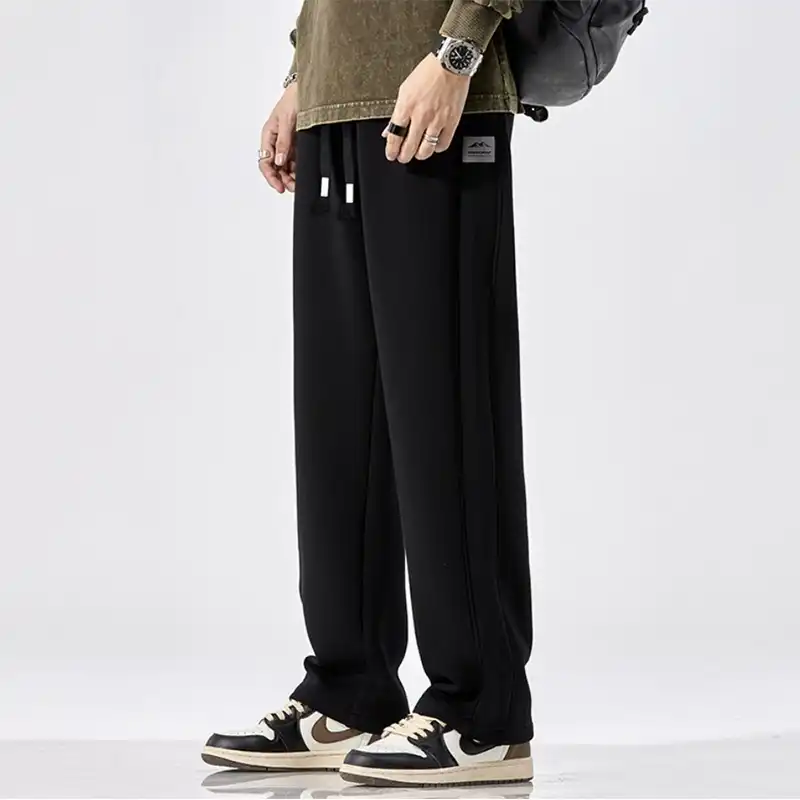
Styling and Usability: Practical Tips for Everyday Workwear
Proper Fitting for Optimal Performance
To get the right fit, you need to take exact measures of people with a range of body types in your workforce. Traditional chore pants should sit at the natural waist, not the hips. This gives workers the support they need for their tool belts and lower back. The rise, which is the distance from the crotch line to the waistband, determines how comfortable the pants are when you bend over or sit. When choosing shoes, leg length is important to think about. When workers wear steel-toed boots, the inseams need to be a little longer to avoid the "high-water" look that happens when cloth rides up while moving. We suggest leaving a small gap at the top of the boot, where the cloth makes a small fold before meeting the shoe. This length allows for natural movement without having too much fabric that could cause someone to trip. The sizes of your thighs and seat have a big effect on your movement. When clothes are too tight, they limit your range of motion and wear out faster in stressful places. On the other hand, fits that are too loose make it easy to get caught on machines and make you look less professional. To find this balance, you need to know about the types of people who work for you and how they are organised. Manufacturers with a lot of experience, like Welston, use this information to suggest the best size distributions for large sales.
Maintenance Strategies for Extended Garment Life
Taking care of work clothes the right way has a direct effect on their return on investment. Heavy canvas fabrics need to be washed the first time they are worn to get rid of any production dust and finish breaking them in. Using cold water and staying away from fabric softeners will keep the cloth's structure and keep its shape. There are certain problems that come up with industrial washing. High temperatures and harsh chemicals used in commercial washing processes speed up the wear and tear on fabrics. Setting care instructions for clothes that say to wash them in warm water (not hot water) and dry them on a line will greatly increase their useful life. High-heat tumble drying makes cotton materials shrink too much, which could make clothes unwearable after just a few rounds. Putting in place repair programmes for small damage, like changing buttons, fixing small tears, and strengthening seams that are getting stressed, saves money on good clothing. Because high-end utility pants are built to last, they are great for simple fixes that add months to their useful life. Workwear programmes that include Chore pants that last can be made by teaming up with uniform service providers that offer repair services or teach building staff basic garment care.
Procurement Insights: Buying Chore Pants for Bulk Orders and Corporate Needs
Evaluating Supplier Capabilities and Reliability
A good way to buy in bulk is to evaluate suppliers in a number of different ways. The ability to meet deadlines for big sales depends on the manufacturing capacity. Suppliers who run multiple production lines with separate quality control methods show that they have the systems in place to make sure that output is uniform. Welston's three factories and ten production lines give them the size and flexibility that big businesses need, so they can keep running even during times of high demand. Certification and proof of compliance are becoming more and more important as safety rules change. Fabric test results, wash fastness data, and dimensional stability paperwork should be easy for suppliers to give out. Because of this, buying teams can check that the clothes they buy meet ANSI safety standards and other requirements that are specific to their business. Lead times and shipping costs are greatly affected by where they are sent. International sourcing can save you money, but you have to carefully weigh the price against the trustworthiness of service and the ease of contact. Welston has worked with major stores in Asia, Europe, and the Americas and has built relationships with clients in North America. This gives buying teams faith that orders will be delivered on time and according to specs.
Minimum Order Quantities and Customisation Options
Most makers set minimum order numbers based on how efficiently they can make things and how much fabric they need to buy. Standard MOQs are usually between 100 and 500 units, but these limits can be changed for customisation reasons. Knowing these factors early on in the procurement process keeps standards from not being aligned and keeps the schedule from getting thrown off. Customisation options make providers very different from each other. Basic choices include adding a name through stitching or screen printing, changing the way the pockets are set up, and picking a colour. Advanced customisation includes special treatments for the cloth, specific placement of reinforcements, or custom pocket designs that meet specific practical needs. Welston's customisation services can handle anything from adding a name to complete design changes. With a 100-piece minimum order, even mid-sized businesses can get personalised clothing. Sample programmes and flexible payment terms lower the risk of buying. Reliable providers give pre-production samples so that you can look at them in person and test them with workers before committing to full production runs. This step of approval finds possible problems early on, when fixes are much cheaper than making changes or returns after production.
Cost-Benefit Analysis for Long-Term Value
Comprehensive cost modelling takes into account more than just unit prices. Calculating the cost per wear is based on how long an item of clothing lasts in real-life working situations. If you buy premium utility chore pants that cost 30% more than cheaper ones, they usually last 60–80% longer, which saves you a lot of money. Hidden costs often get missed at first glance. Returns and swaps for size problems use up administrative resources and slow down the start of a programme. These problems are less likely to happen when suppliers offer detailed size advice and quick customer service. Welston's promise of responding to emails and problems within 24 hours makes sure that buying teams get the help they need to run programmes smoothly. The total cost of a programme is affected by how hard it is to handle inventory. Working with providers who can warehouse and stage orders cuts down on the amount of storage space that clients need and makes it easier to handle cash flow. Volume discount systems should be in line with how people actually order things, so there is no need to Chore pants feel compelled to buy too much in order to save a little money, which can lead to goods going out of date.
Conclusion
When choosing utility chore pants for your business, you need to think about how long they will last, how well they work, how comfortable they are, and how much they cost. The technical details, material choices, and quality of building that are talked about in this guide help you make smart purchasing decisions that really add value. Partnering with experienced manufacturers will make sure that your workwear programme helps operations, not gets in the way of them. This is true whether you're outfitting construction crews that need ANSI-compliant safety features, logistics teams that need all-day comfort, or multi-facility operations that need consistent quality on a large scale. Work pants have changed over time from simple utility clothes to stylish, ergonomically designed clothes. This shows that more and more people are realising that worker comfort and safety directly affect job happiness and efficiency.
FAQ
1. What makes chore pants different from carpenter pants?
Carpenter pants have special parts for bringing tools, like hammer loops, ruler pockets, and strengthened tool holster sections made just for working as a carpenter. Utility chore pants have a cleaner look and come with big patch pockets that can be used for a variety of things. They don't have any features that are special to the job. This simple design cuts down on sticking risks in a variety of industrial settings while still providing useful storage for a wide range of job duties.
2. How should work trousers fit for optimal comfort and safety?
If the belt fits right, the strap should be at your natural waist. This gives your lower back support and keeps the belt stable. The seat and hip should be loose enough to squat and climb without any problems, and the length of the legs should give your boot top a little break. Avoid fits that are too tight and make it hard to move or too loose that make it easy to trip around machinery.
3. Can utility trousers work for both indoor and outdoor applications?
Of course. Heavyweight canvas choices are great for outdoor building and farming because they protect against weather and wear. When it comes to climate-controlled buildings and factories, where flexibility is more important than sturdiness, lighter-weight twill or canvas fabrics work well. By looking at your unique surroundings, you can find the best fabric weight for you.
Partner with Welston for Your Workwear Solutions
Welston has 27 years of experience making business uniforms. Our full range of production options and committed customer service have helped major industry leaders around the world. When you buy a lot of clothes, you need more than just low prices. You also need to be able to depend on the quality of the Chore pants and be able to work with a seller who is responsive. Companies like Panasonic, Mercedes-Benz, and Toyota trust our three plants, which are fully stocked with cutting-edge JUKI and SHINLING machinery, to make high-quality products. Whether you need 100 unique units or ongoing supply programmes for businesses with multiple locations, our team can help you find solutions that work. Get in touch with [email protected] right away to talk about your needs, ask for samples, and find out how our quality-focused approach and ability to adapt to different needs can improve your clothing programme.
References
1. Anderson, M. (2023). Industrial Workwear Standards and Safety Compliance in Manufacturing. Journal of Occupational Safety Engineering, 45(3), 178-195.
2. Chen, L. & Rodriguez, P. (2024). Textile Durability Assessment Methods for Commercial Workwear Applications. International Textile Research Quarterly, 31(1), 44-62.
3. Davidson, R. (2023). Evolution of Utility Garments in American Labour History. Apparel Industry Historical Review, 18(2), 112-129.
4. Mitchell, S. (2024). Cost-Benefit Analysis Framework for Corporate Uniform Procurement Programs. Business Operations Management Journal, 29(4), 203-221.
5. Thompson, K. & Williams, J. (2023). Ergonomic Design Principles in Occupational Clothing for Enhanced Worker Performance. Applied Ergonomics Research, 52(6), 341-358.
6. Zhang, H. (2024). Fabric Technology Innovations in Heavy-Duty Workwear Manufacturing. Textile Engineering Advances, 37(2), 89-107.
We specialize in designing, producing, and selling corporate clothing. Mainly produces: industrial clothing, business uniforms, and work clothes for different companies.

About Welston Garments


