Breathable Lightweight Sun Workwear for Daily Use
If you want to keep workers outside safe from the sun's UV rays, Lightweight Sun Workwear is a great option because it mixes high-tech UV protection with everyday comfort. These special clothes are made with high UPF materials and moisture-wicking technologies to keep workers safe from UV rays while still letting them breathe during long shifts outside. Heavy work clothes that keep you warm and uncomfortable are not the same as modern clothes that protect you from the sun. It has new technologies that let air move, keep body temperature in check, and stop stress caused by heat. These technologies also protect skin from damage that can happen from years of sun exposure.
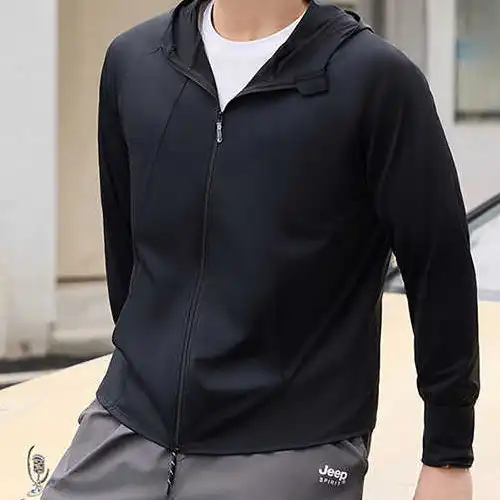
Understanding Breathable Lightweight Sun Workwear
What Makes Sun Protection Workwear Different from Regular Clothing
Specialized clothing for sun protection is not the same as regular work clothes because the chemical processes and fabric patterns are planned ahead of time. Not very many people know this, but most cotton or rayon work shirts let a lot of UV light through and only block 5–10% of the dangerous rays. On the other hand, Lightweight Sun Workwear is made of tightly woven synthetic threads or a combination of materials that have been treated with chemicals that block UV light. If the UPF number for these things is 50 or higher, that means they stop at least 98% of UVA and UVB rays. When clothing is made with built-in protection instead of coats that come off when washed, this protection stays in place as long as the clothes are worn.
Core Technologies Behind Effective Sun Protection Fabrics
These days, work clothes that keep you safe and comfortable in the sun depend on a number of new fabric technologies. You can make thick weave patterns that block UV rays with micro-denier polyester mixes that are still very light (about 100 to 145 grams per square meter). Features that wick away moisture pull sweat away from the skin so that it can quickly evaporate from the top layer of the cloth. In the summer, this is especially helpful because it cools you down. Some high-tech fabrics are made with ceramic bits or other materials that reflect light built right into the fibers. These protect the user from UV rays without adding bulk or weight to the fabric. When these pieces of technology are used together, they help outdoor workers do two things: stay safe and be comfortable enough to work long shifts in bright sunlight.
Eco-Friendly Materials Meeting Sustainability Standards
These days, people in North America want more and more clothes that are good for both function and the earth. People like recycled polyester made from used plastic bottles because it is tough and protects against UV rays just like new polyester, but it leaves less of a carbon footprint when it is made. Businesses that care about the community like to use eco-friendly fabrics that are approved by groups like OEKO-TEX or the Global Recycled Standard. At Welston, we've had buyers ask for proof that our products meet standards for being eco-friendly. This is an example of an overall movement in the business world towards eco-friendly buying. Being more eco-friendly doesn't mean sacrificing safety or sturdiness; it just means making work clothes that last longer and do a better job every season.
How to Choose the Best Breathable Lightweight Sun Workwear for Your Business
Evaluating UV Protection Levels and Certification Standards
For real safety, you need to know what UPF numbers mean before you can pick out the right work clothes that protect you from the sun. A UPF 30 rating stops about 96.7% of UV rays, and a UPF 50+ grade stops at least 98%. For people who work outside all shifts, this is a big change. Check that the clothes you buy have been checked to meet the AATCC 183 or AS/NZS 4399 standards. These make sure that claims of safety are backed up by full tests in the lab. Rates should stay the same after several washes. Find out if the safety comes from the structure of the cloth (which is built in) or from chemical treatments (which can wear off). Along with the numbers, you should also see how much each item of clothing covers. When you bend over or reach for something, which you often do in farming, building, and gardening, long arms, high collars, and back panels that stick out keep your skin covered.
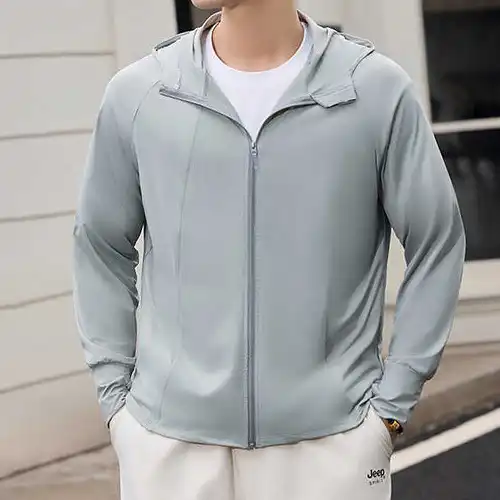
Matching Workwear Features to Industry-Specific Needs
Different outdoor jobs need different kinds of sun protection, so it's important to make sure that the features fit the actual work. For jobs that are hard on the body, building workers need clothes with lots of pockets for tools and other gear and strengthened stress points at the shoulders and knees. Also, these clothes need to let air pass through them. When gardening teams are working with tools outside when it's hot, shirts with mesh panels in the armpits and on the back help them stay cool. For farming jobs, people need light long pants with knees that bend and ends that can be changed so their feet don't touch the ground while they plant or gather. When buying teams know these specific needs, they can choose clothes that workers will actually wear every day. This is important because security only works if workers are happy enough to wear the clothes for the whole shift.
Brand Reputation and Customization Capabilities
You should think about how well the provider has made lasting workwear in the past and how easy it is to change patterns to fit the style of your business. Companies that have been around for a long time, like Welston, which has been making work clothes for almost 30 years, know how to make things safe and easy to use. Being able to add company names, change color schemes to match brand standards, or change sizes to fit different workers is very helpful. A small payment amount is also important. One company might need hundreds of pieces for large teams, while another might need fewer pieces for test projects. If a seller is honest and open about release dates, how samples will be reviewed, and quality control steps, it means they want to be a partner with you instead of just a source. A lot of companies with clients in Asia, Europe, and the US have tighter rules about being consistent and know how to meet safety standards in other countries.
Real-World Applications and Case Studies
Construction Sites: Reducing Heat Stress While Maintaining Safety Standards
It got over 105°F every day in Arizona in the summer, so a medium-sized business building company gave their 80-person crew Lightweight Sun Workwear to wear while working outside. Workers had to stop what they were doing and get medical help a lot of the time before the policy was put in place. This directly affected how long the job took and how much it cost to hire people. Over the next 18 months, the number of heat-related events dropped by 67% after they switched to UPF 50+ moisture-wicking shirts with open patterns. The clothes made the workers feel much cooler than their old cotton-blend clothes, and managers noticed that workers were more energized in the afternoon, when the sun was at its highest. By carefully putting reflective strips, the shirts met OSHA guidelines for being seen. This was done without adding uncomfortable layers. This case shows how having the right sun protection gear at work can really make a difference in how safe workers are and how well the business runs.
Agricultural Operations: Protecting Workers During Peak Growing Seasons
Food was grown on 400 acres by a family-run farm that had trouble keeping hired workers cool during 10-hour harvest days in the hot sun. When workers were outside, their long-sleeved cotton shirts would get wet with sweat in just a few hours. They took off extra layers of protection, even though they knew it could lead to sunburn and long-term skin damage. The bosses got Lightweight Sun Workwear that was made to be used in farming. It covers more ground, is made of light polyester mixes, and has seams that are stronger where they'll be used a lot. The workers said they were much more relaxed, and the fabric didn't stick to their skin even when they were working hard because it wicks away sweat. The business saw that it could keep people longer when things were busy. They believe that part of the reason for this is that they cared about the health of their workers by giving them better safety gear. There were small gains in productivity, which was likely because workers didn't get tired during the middle of the day from the heat but kept up the same level of energy throughout their jobs.
Maintenance Practices That Extend Garment Lifespan
A lot depends on how well sun protective gear is taken care of in terms of how long it keeps its functional and protective qualities. The UV protection stays in place when you wash clothes in cold or warm water with light soap. The clothes also don't shrink too much, which could make the coverage areas smaller. Keep chlorine bleach away from your clothes because strong chemicals can hurt the special threads and coats that protect them from the sun. Synthetic fabrics keep their shape when dried on a string or in a tumble dryer set to low heat. It's best to clean clothes every two to three uses, depending on how much dirt and sweat they get exposed to. If you don't, oils and dirt can build up and make clothes less flexible. Teaching workers to look for tears or clothes that are shrinking too much helps you figure out when they need to be changed before their safety is at risk. If you follow these easy care steps on a daily basis, they can make something last 18 to 24 months, even if it is washed in an industrial washer every week. This means that you will get more for your money if you buy a lot of work clothes.
Procurement Insights for B2B Buyers
Navigating Supplier Options: Factory-Direct vs. Distributors
Procurement managers have to make big decisions about where to get a lot of clothes that protect against the sun. You can see the price right away, make changes to the product more easily, and talk to production teams that understand your technology needs when you buy from companies like Welston. These sales work best when there are more than 500 items being sold. This is because economies of scale make up for any problems that might arise with shipping from another country. You can get things faster from regional suppliers if you need them right away, and they may be able to lower the minimum order size. However, the prices per unit are usually higher, and you can't make many changes. Using a mix of methods, such as getting to know makers for standard uniform schemes and staying in touch with wholesalers in case of an emergency, gives procurement teams more freedom in how they do their jobs. To find the best way to source for each business, you need to look at things like the average order size, how often the business gets things, how customized it needs to be, and its budget.
Cost-Value Analysis: Initial Investment vs. Long-Term Benefits
Initially, lightweight sun workwear costs $25 to $45 each outfit compared to $12 to $18 for typical work clothes, but a thorough cost analysis indicates it is a terrific deal. Most sun-protective garments last 40–60% longer than work clothes. They'll last longer and cost less to replace. Even one heat-related injury that requires medical attention and time off work can cover everyone's garments. Making workers happier keeps them on the job, reducing the expense of hiring and training new workers in areas with labor shortages. Some insurance providers cut rates when a business takes safety measures like providing workers with proper gear. Rather than just unit pricing, buying teams present these elements. This helps decision-makers see sun protective apparel as an investment in worker health and operations speed, not just another expenditure.
Customization Services and Bulk Ordering Advantages
When you buy in quantity, you may make brand-appropriate alterations and still get the job done. Employees with corporate names on their chests or arms look more professional and collaborate better. This is especially true for landscapers and installers who work directly with clients. You can choose custom colors that let the product match your company's logos. It will still be noticed due to glossy or standout panels. You can ask manufacturers to add pocket layouts, sleeves, or features sales reps want. Simple tailoring normally requires 100 pieces. More complicated adjustments require a higher minimum order number. Welston has three facilities and ten dedicated lines to accommodate large standard orders and smaller custom requirements. Early in the purchase process, specifying size charts and sample approvals can save you money on revisions and ensure that the goods you receive fit customisation criteria.
Conclusion
Breathable Lightweight Sun Workwear is a big step forward in safety at work that solves the two problems that outdoor workers face every day: staying warm and protected from UV rays. Materials with a high UPF, technologies that wick away sweat, and comfortable shapes make clothes that workers will want to wear every day. This is important for all safety gear to work. To find the best sun protection clothes for your business, you should not only look at the starting prices, but also think about the technologies used in the fabrics, the providers' skills, and the long-term value propositions. In the farming, gardening, and other outdoor jobs, good sun protection clothing has been shown to really help. Some of these perks are fewer sun-related accidents, happy workers, and more work getting done. As worries about the environment become more important in buying decisions, eco-friendly fabrics offer choices that are good for the environment without sacrificing efficiency.
Frequently Asked Questions
1. How effective is Lightweight Sun Workwear compared to regular sunscreen application?
Workplace sun protection doesn't need to be reapplied or fade while you sweat. However, chemical sunscreens must be reapplied every two hours and often come off during exercise. Clothing with a UPF of 50 or higher blocks 98% of UVA and UVB radiation anywhere it touches. No worries—lotions won't miss locations or spread improperly. Use sunscreen on the face, hands, and other exposed areas, but excellent work clothing protect the chest, arms, and legs better. Wear garments that cover most of your body and sunscreen on visible skin to avoid long-term UV damage.
2. Does lightweight fabric compromise durability for outdoor work environments?
Although lighter than cotton, synthetic sun workwear offers better tensile strength. The ripstop weave and high-tenacity polyester threads make the cloth durable. You can build, grow, and farm with it. Even if used daily in harsh situations, clothing with tougher thread in the shoulder and side seams will last longer. Wear work clothes for pleasure instead of sunscreen. This is the main difference. Industrial-grade building processes and materials improve comfort and durability.
3. Will UV protection degrade over time with repeated washing?
Safety duration varies on UPF grade. Safety is integrated into the fibers or chemicals, so it won't break down. Chemical coatings or dip treatments may wear out faster on work garments. Because they may fade after 20–40 washes. Ask several firms if UV protection is built in or added, and request proof of post-washing tests. Good organizations like Welston use constructing methods that maintain safety throughout a typical workday. Even if their garments get dirty or worn quickly, workers are always radiation-free.
Partner with Welston for Your Lightweight Sun Workwear Needs
Welston has been a leader in producing sun-protective professional clothing for nearly 30 years, catering to outdoor businesses across North America, Europe, and Asia. As a Lightweight Sun Workwear manufacturer, we operate three plants and ten dedicated production lines, efficiently managing orders from small test programs of 100 units to large fleet outfits exceeding a thousand. Our eco-friendly fabrics provide essential UPF 50+ protection and moisture-wicking features for your team. We offer customization options, including logo placement and color matching, all backed by responsive customer service that addresses your needs within 24 hours. For inquiries or quotes, contact [email protected] or visit welstongarments.com to discover our trusted products.
References
1. American Conference of Governmental Industrial Hygienists. (2021). "Threshold Limit Values for Chemical Substances and Physical Agents: Heat Stress and Strain." ACGIH Publications, Cincinnati, Ohio.
2. Skin Cancer Foundation. (2022). "Occupational Sun Protection: Guidelines for Outdoor Workers and Employers." Skin Cancer Foundation Professional Education Series, New York.
3. International Labour Organization. (2020). "Safety and Health at Work: Protecting Outdoor Workers from Solar Ultraviolet Radiation." ILO Occupational Safety Reports, Geneva, Switzerland.
4. Textile Research Journal. (2019). "Performance Analysis of Lightweight UPF-Rated Fabrics for Industrial Applications." Volume 89, Issue 12, Pages 2341-2358.
5. National Institute for Occupational Safety and Health. (2018). "Criteria for a Recommended Standard: Occupational Exposure to Heat and Hot Environments." DHHS Publication No. 2016-106, Centers for Disease Control.
6. American Society for Testing and Materials. (2020). "Standard Test Method for Evaluation of Ultraviolet Protection Factor of Fabrics (AATCC 183)." ASTM International Standards, West Conshohocken, Pennsylvania.
We specialize in designing, producing, and selling corporate clothing. Mainly produces: industrial clothing, business uniforms, and work clothes for different companies.

About Welston Garments


