Cost-Effective Bulk Sun Protection Gear for Seasonal Workforce
Seasonal workforce demands cost-effective bulk sun protection clothing that balances budget constraints with essential UV safety requirements. Smart procurement strategies help businesses secure UPF-rated workwear without compromising quality or exceeding operational budgets. Partnering with experienced Sun Protection Clothing manufacturers delivers scalable solutions tailored to diverse seasonal employment needs across industries like construction, agriculture, and outdoor hospitality services. Understanding pricing dynamics for wholesale sun protection clothing across global markets enables importers to make strategic sourcing decisions. Market variations significantly impact procurement costs, with North American retailers prioritizing technical performance, European buyers seeking sustainable fashion-forward designs, and emerging markets demanding durable affordability. Trade policies, manufacturing capabilities, and regional demand fluctuations create distinct pricing landscapes that savvy businesses can navigate effectively.
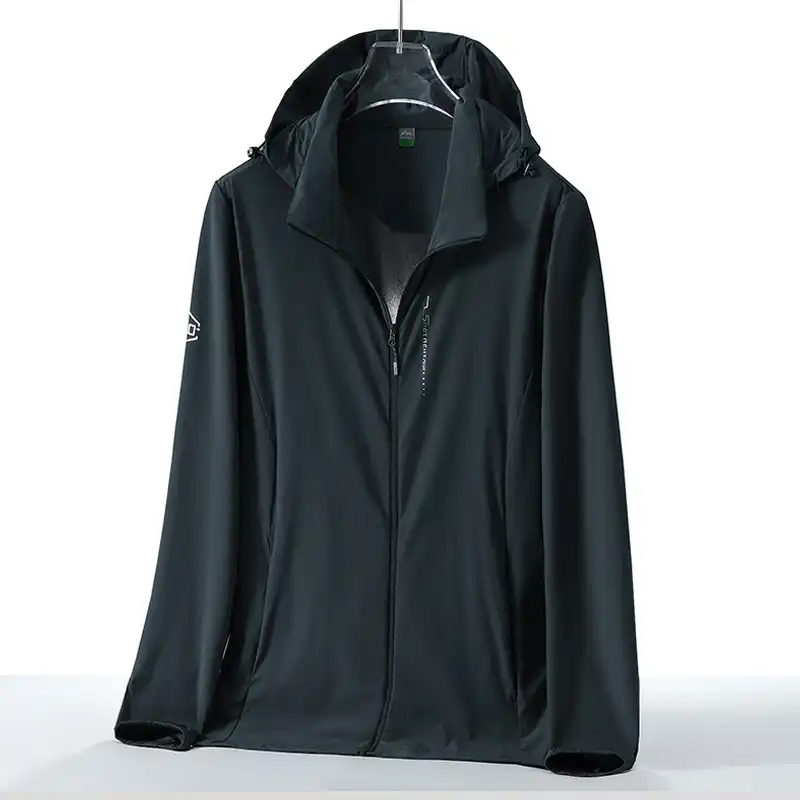
Regional Market Price Analysis for UV Protection Clothing
North American Market Dynamics
Technical needs and sophisticated material standards drive up North American prices. High-performance sun protection clothing with moisture-wicking and eco-friendly certifications costs B2B buyers $18–35 per item. Outdoor shops and lifestyle companies require technical clothes with UPF 50+ ratings, sustainable fabrics, and new cooling technologies. Technical textiles demand complex manufacturing procedures, which raises expenses. Premium recycled polyester blends with silver-ion treatments cost more. Precision construction and quality control labor expenses raise prices. Exchange rate swings between industrial areas and North American currencies increase price factors.
Euromarket Pricing Trends
European sun protection clothing costs $15–28 per piece, balancing aesthetics and usefulness. Fast-fashion stores and travel distributors emphasize affordable beach-to-city styles. OEKO-TEX textiles cost $3-5 per unit more to produce. Regional manufacturing efforts in the EU save logistical costs and increase competitiveness. Nearby textile research hubs in Italy and Portugal provide cutting-edge UV-blocking fabric innovations. Spring and summer demand surges affect bulk pricing and minimum purchase requirements.
Middle East and Emerging Marketing Opportunities
South American, Southeast Asian, and Middle Eastern emerging markets provide volume prospects at reasonable prices. Bulk sun protection clothing costs $8-18 per item and emphasizes durability and breathability for outdoor work. Building and agricultural distributors emphasize cost-effectiveness and UV protection. Lower labor costs and improved production procedures benefit these areas' manufacturing. At affordable prices, local textile businesses provide durable synthetic mixes. Logistics savings for regional distribution make bulk purchase options cost-effective.
Comprehensive Cost Structure Breakdown
Factory Pricing and Order Minimums
Based on technological parameters and order quantities, professional sun protection FOB cost varies greatly. For purchases above 1,000 items, entry-level UPF apparel costs $6-12 FOB. Technical standards like improved cooling, antimicrobial treatments, and certified sustainable materials raise expenses by 20-40%. Depending on personalization, minimum order quantities are 100-500 units per style. Volume discounts of 15-25% apply to 1,000+ item purchases. Each item costs $1-3 more for custom logos, size, and packing. Shipping, insurance, and import logistics are included in CIF price. Ocean freight costs $2-4 per garment for North American destinations and $1.50-3 for European destinations. Air freight increases transportation costs by 300-500% yet allows seasonal inventory replacement quickly.
Import Issues and Hidden Costs
Tariffs greatly affect imported sun protection clothing landing costs. North American textile imports from most Asian manufacturing locations are taxed 10-17%. EU imports benefit from preferential trade agreements with manufacturing nations, decreasing tariffs to 6-12%. Customs clearance costs $200–500 every shipping, regardless of purchase size. Documentation, inspection, and brokerage fees increase baseline expenses. Expedited clearance services cut processing time but raise costs 50-100%. Quality inspection services, however optional, reduce bulk order risk. Third-party inspections cost $300–800 each shipment but may eliminate quality flaws that endanger seasonal workers. Shipped goods insurance costs 0.3-0.8% of order value.
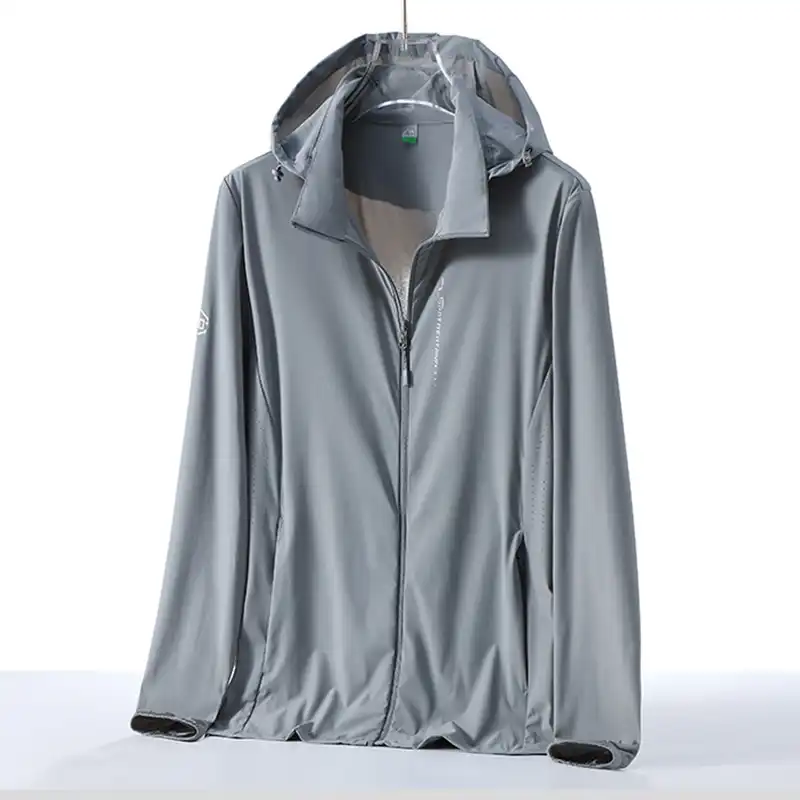
Key Market Factors Influencing Pricing
Raw Material Cost Fluctuations
Petroleum market circumstances affect sun protection apparel prices, causing basic material cost volatility. Energy cost fluctuations caused 15-30% price swings for polyester and nylon last year. Due of restricted supply networks, UV-blocking and cooling technologies have more predictable cost. Sustainable materials cost more but have marketing benefits. Recycled polyester costs 10–20% more than virgin. UV-protected organic cotton blends cost 25–35% more than synthetic choices. Supply chain interruptions impair material availability and cost predictability. Manufacturers increasingly advocate flexible material requirements to meet availability changes. Long-term material supplier contracts stabilize prices but demand higher volumes.
Manufacturing and Labor Considerations
Regional labor costs vary greatly in manufacturing. Southeast Asian factories have 30–50% cheaper labor expenses than North American ones. Advanced UV protection apparel may demand technological competence, limiting production partners. Automation improves textile price for high-volume purchases. Automated cutting and stitching technologies decrease manpower but need minimum orders to justify setup expenses. Automation technology helps facilities provide better bulk pricing for orders above 2,000 units. Quality control affects labor costs and manufacturing times. Enhanced inspection processes increase production costs by 5-10% but minimize rejections and returns. Quality-managed manufacturers provide more predictable prices and delivery dates.
Optimization Strategies for Bulk Procurement
Negotiation Tactics and Supplier Relations
Strategic supplier relationships are needed to buy bulk sun protection gear. Long-term collaborations improve price negotiations and peak-season production scheduling. Annual volume agreements provide 10–20% price benefits over erratic ordering. Negotiating payment terms greatly affects procurement costs. Early payment reductions of 2–5% reward cash or expedited payments. Letter of credit agreements provide both parties security and affordable price. Flexible payment periods handle seasonal labor management cash flow fluctuations. Cost optimization is possible with technical specification flexibility. Standardizing sizes, colors, and customisation decreases manufacturing complexity and costs. Collaboration with manufacturers on design optimization may save money without compromising safety.
Manage Customization Costs
Logo application techniques substantially affect customizing costs. At $0.50-1.50 per garment, screen printing is cost-effective for big volumes. Embroidery looks expensive but costs $2-4 each piece. Cost and appearance are balanced for medium-volume heat transfer orders. Brand awareness and cost savings are achieved via packaging modification. Custom-branded polybag packaging costs $0.25-1 per unit more than standard. Retail-ready packaging costs more but requires less processing. Inventory complexity and expenses are reduced by size range optimization. Core sizing minimizes minimum order sizes per size while meeting labor demands. Larger size ranges demand higher minimum volumes, which may increase investment.
Price Forecast and Market Outlook
Economic Indicators and Trends
All markets face rising material costs for sun protection clothing. Petroleum-based synthetic fabric prices rose 12-18% last year, with moderate stability predicted through 2024. Sustainable material adoption may sustain premium price when demand surpasses manufacturing capacity. Alternative sourcing options are available due to labor cost increases in conventional manufacturing areas. Automation adoption may reduce labor cost increases, but volume commitments are needed. Despite growing operating expenses, manufacturers may retain competitive pricing by improving efficiency. Currency exchange rate variations cause international procurement price instability. North American customers benefit from USD strength vs manufacturing area currencies. Euro customers experience diverse currency implications based on production location and contract conditions.
Supply-chain evolution
Global sun protection clothing supply chains are changing due to nearshoring. More Mexican and Central American industrial capability offers alternatives to Asian sourcing. Although capacity is restricted, textile manufacturing infrastructure investment presents future competitive regional sourcing options. Technology integration will diversify supplier prices. Advanced manufacturing technology allow manufacturers to compete on price without sacrificing quality. Better inventory management and lower logistical costs result from supply chain digitalization. Sustainability will drive market segmentation and price difference. Manufacturers with robust sustainability plans might charge premium prices and access limited distribution channels. Access to developed markets increasingly requires green manufacturing certificates.
Conclusion
Understanding regional market dynamics, production capabilities, and overall cost structures is essential for cost-effective bulk sun protection gear buying. European shoppers balance aesthetics and sustainability, whereas North Americans value technical excellence at premium prices. Economical, durable, and functional solutions provide volume prospects in emerging markets. Successful procurement methods save costs while ensuring safety via long-term supplier relationships, refined technical standards, and smart timing. Flexible sourcing techniques and skilled supplier alliances are needed due to currency changes, material cost volatility, and changing trade rules. Material cost inflation will continue to push prices, although production efficiency gains and regional sourcing will help. Early interaction with competent manufacturers secures production capacity for seasonal manpower needs and affordable price.
Frequently Asked Questions
1. What factors have the biggest effect on the price of large sun protection clothing?
The main things that affect prices are the material specs, the number of orders, and the need for customization. Costs can go up by 20 to 40 percent for technical features like UPF ratings, moisture-wicking qualities, and sustainability approvals. Prices vary a lot depending on the minimum order quantity and volume savings. Usually, orders over 1,000 pieces get 15–25% cost reductions.
2. How do regional taxes change the total cost of importing UV protection clothing?
Tariffs are very different depending on where the goods are coming from and where they are going. Most Asian makers put 10–17% taxes on goods coming into the United States. Rates in the European Union run from 6–12%, based on the trade deal. These taxes directly raise total landing costs, which must be included in budgets for buying things along with the costs of shipping and clearing customs.
3. What is the smallest amount of unique sun protection clothing that a buyer should be able to order?
Depending on how complicated the design is, standard minimum orders run from 100 to 500 pieces per style. For simple name application, you might only need 100 pieces, but for custom sizes, special fabrics, or one-of-a-kind design features, you usually need 300 to 500 pieces. When you buy 1,000 or more pieces, you can save a lot of money with volume prices.
Partner with Welston for Premium Sun Protection Clothing Solutions
Welston delivers exceptional value for businesses seeking reliable sun protection clothing suppliers with proven expertise in bulk workforce apparel. Our 26-year manufacturing heritage combines technical innovation with cost-effective production capabilities across three dedicated facilities. We understand seasonal workforce challenges and provide scalable solutions that balance budget requirements with essential UV safety performance. Our comprehensive customization capabilities enable tailored sun protection gear that meets specific industry requirements while maintaining competitive pricing structures. From moisture-wicking treatments to sustainable fabric options, Welston's technical expertise ensures optimal product specifications for diverse workplace environments. Flexible minimum order quantities starting at 100 pieces accommodate businesses of all sizes without compromising quality standards.
Quality assurance protocols throughout our production process guarantee consistent UPF protection and durability standards essential for seasonal workforce applications. Our experienced team responds to inquiries within 24 hours and provides transparent pricing with detailed cost breakdowns. Contact [email protected] to discover how Welston's sun protection clothing solutions can optimize your seasonal workforce safety programs while achieving budget objectives.
References
- "Global UV Protection Clothing Market Analysis 2023: Regional Pricing Trends and Manufacturing Cost Structures" - Textile Industry Research Institute
- "Occupational Sun Safety Standards and Compliance Requirements for Outdoor Workers" - International Association of Safety Professionals
- "Sustainable Textile Manufacturing: Cost Analysis of Eco-Friendly UV Protection Fabrics" - Green Manufacturing Quarterly
- "Supply Chain Dynamics in Technical Apparel: Regional Manufacturing Advantages and Trade Policy Impacts" - Global Trade Review
- "Seasonal Workforce Safety Equipment Procurement Strategies: Best Practices and Cost Optimization" - Industrial Safety Management Journal
- "UV Protection Technology in Textiles: Innovation Trends and Market Premium Analysis" - Advanced Materials Research
We specialize in designing, producing, and selling corporate clothing. Mainly produces: industrial clothing, business uniforms, and work clothes for different companies.

About Welston Garments


