Does fiber density impact the wind resistance of an Outdoor Coat?
Folks who buy and make clothes both want to know if the amount of fibers in a coat changes how windproof it is. Without a doubt, the answer is "yes." The outdoor coat can't let wind through because the fibers are too dense. This is why fiber density is a big part of how well these clothes work in every way. The weave is tighter when the fibers are more dense. In other words, the wind can't get through as many of the spaces between the fibers. The fabric is stronger against wind, so people will be warmer and more comfortable when it's windy. But keep in mind that fiber density is only one of many things that can change how well something resists wind. The way a coat blocks wind can also be changed by the type of fiber used, how it is put together, and any other treatments that are added. You need to know these things if you want to make good coats for people around the world, from the rough terrain of North America to the cities of Asia and the Pacific.
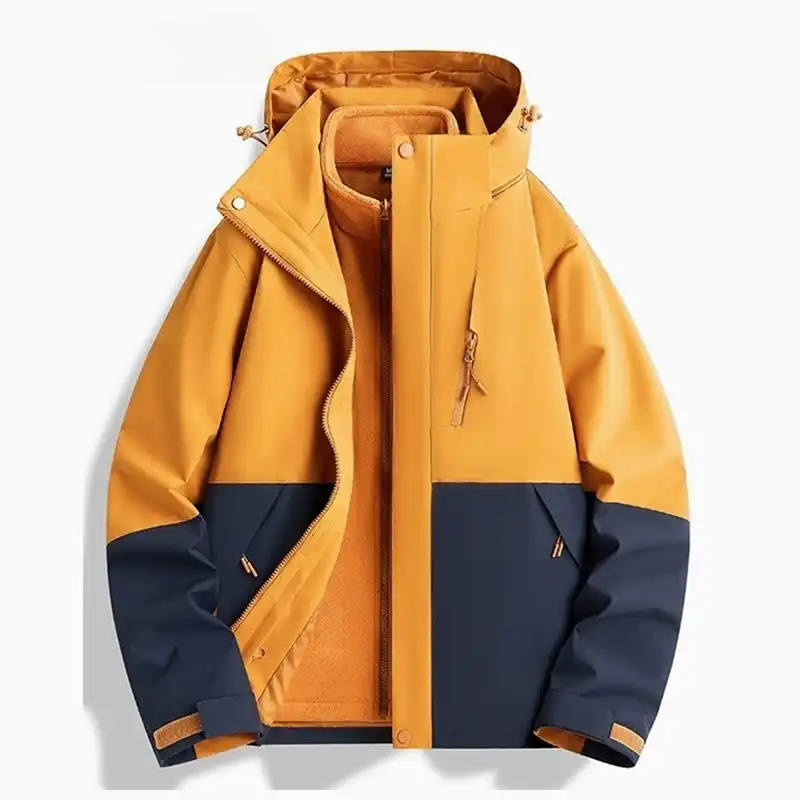
Assessing Current Wind Resistance in Outdoor Coats
Right now, a lot of different brands and styles of coats for outside don't block wind the same way. Many businesses have come a long way in making their products more windproof by using new kinds of fabric and building methods. It could be better, though, especially when it comes to making sure that comfort and air flow aren't lost in the wind.
What the market wants and how areas are different
What you need to protect yourself from wind may depend on where you live and the weather. In places like Europe and North America, where people spend a lot of time outside when it's windy, a lot of people want coats that block the wind better. Brands often spend a lot of money on fabrics and styles that keep out as much wind chill as possible when they want to reach these people.
But in parts of the Asia-Pacific region where there are lots of cities and the weather is milder, the focus might shift to stylish, useful, and light windproof clothing. It's important to make sure that the wind resistance features are right for each market because of this difference.
The technology is getting better
With the help of new technology, it is now possible to make fabrics that don't get ripped by wind. Some of these are synthetic materials that are tightly woven and membranes that can block wind while still letting air flow through them. Business people are also interested in nanotechnology because it can be used to make very fine fibers that can be woven into fabrics that are both heavy and light.
Many more steps need to be taken to find the best mix of comfort, breathability, and wind resistance. A lot of people say that windproof coats can be too stiff or not bendable enough for outdoor activities.
Identifying Key Bottlenecks in Fabric Construction
Even though progress has been made in making outdoor coats less windproof, some problems with the way fabrics are put together are still being worked on. When making coats that keep you warm without giving up other important features, these things should be taken into account.
How to Get the Right Airflow and Density
It's tough to make fabric for windproof coats because the fibers need to be able to breathe and be dense at the same time. Adding more fibers to something to make it windproof can make it less breathable, which can be uncomfortable when you're working out. This will be hard for people who like to be outside and do things when it's windy.
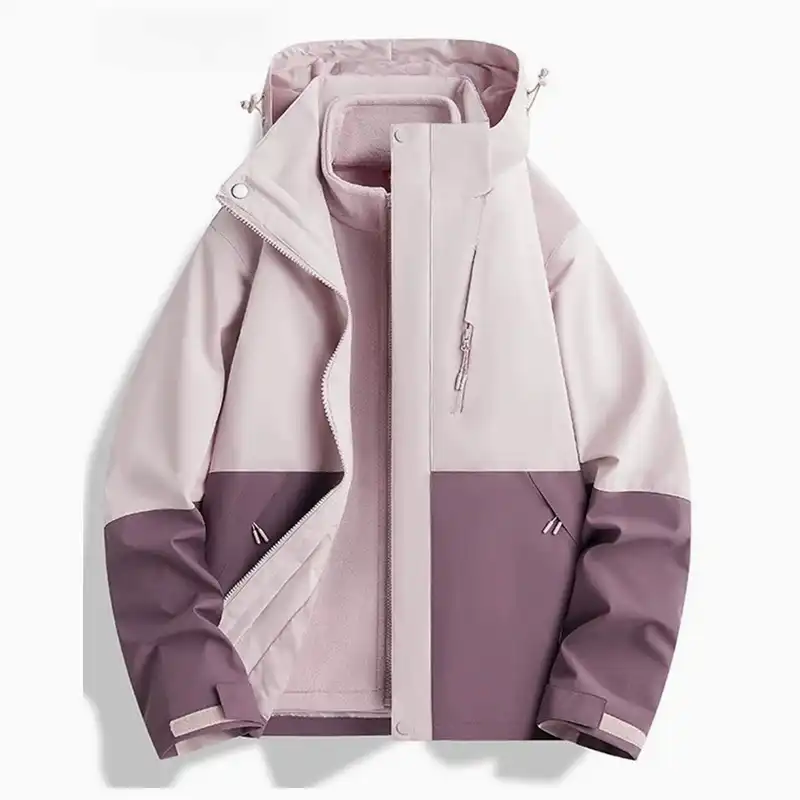
Being able to move around and feel at ease
The question of how to make things more wind resistant while still keeping comfort and flexibility is another big one. Things that are tightly woven or coated to keep wind out can make clothes stiff and hard to bend. The coat is stiff, so it might not be the best choice for hiking or climbing, which need a lot of movement.
Worries about how long it will last
Another thing to think about is how long fabrics will last that won't get ripped by the wind. Some materials that don't break easily in windy places might wear out faster in places that get a lot of use or stress. Many manufacturers still can't figure out how to make their products last the longest and keep the wind out the best.
Price and the chance to make more money
It is common to use cutting edge technologies and one-of-a-kind ways of making things to make high-quality fabrics that don't get damaged by wind. This could cause store prices to rise. This could make the cost of making things go up. Outdoor clothing companies are having a hard time coming up with cheap ways to make a lot of these fabrics that still keep their wind resistance.NumLock
What you need to do to use high-density fiber to stop wind
Learn how high-density fibers stop the wind if you want to make real coats that can be worn outside. With these ideas as a base, you can make fabrics that can stand up to strong winds and be used for other things as well.
What order the fibers are in and how the weave patterns are made
One big thing that keeps wind out of something is how the fibers are woven and put together. Clothes that don't have a lot of space between their fibers keep the wind out better. Things like twill and ripstop, which have more complicated weave patterns, can block the wind even better while still being strong.
What kind of fiber it is and how it works
It stops wind very differently depending on the fiber type used. People often choose polyester, nylon, and other man-made fibers because they can be woven into tight fabrics that don't let wind pass through. It is possible for natural fibers and synthetic fibers to work together to help block wind and do other things, like keep moisture in check.
Surface treatments and coatings
When you treat and coat the outside of fabrics in different ways, they block wind better. Some of these are treatments that keep water out and make things stronger against wind. Coatings that block the wind and make it hard to breathe are also bad.
How to Choose the Right Material to Keep the Wind Out
A big part of making good coats for outside is finding the right fabrics to keep the wind out. A lot of thought goes into this process to make sure the product works well and meets customer needs.
Testing and making sure the quality of the materials
There are strict rules about how well things must be tested to make sure they meet those rules. This includes tests in a wind tunnel, checks to see how well it holds up against wear, and checks to see how well it lets air flow and keeps water out. Quality control steps are used at every stage of the manufacturing process to make sure that the wind-resistant qualities stay the same.
How to Put Layers to Use
This is a good way to make a lot of good coats that keep the wind out. To do this, you might need to build a shell that keeps the wind out and layers of insulation inside. These layers can protect you from the wind a lot better when they work together. In terms of keeping heat in and moisture out, they can also make things better.
Adapting to fit different places
You should think about what the coat will be used for when you choose the fabric. Mountain coats that will be worn in cold, windy places might need a different fabric than coastal coats that will be worn in milder winds. When used in the right way, this method will always give the best results.
Verifying Performance in Wind Tunnel and Field Tests
Tests should be done on outdoor coats in both the lab and the real world to make sure the quality meets customer needs.
How to Use a Wind Tunnel
An honest wind tunnel test will show you if a coat really blocks wind. Most of the time, different kinds and speeds of wind are used to check how well clothes keep heat in or let air out. To get a full picture of how something works, some new wind tunnels can make it feel like different weather conditions, like temperature and humidity.
Putting it to the test in fields with different weather
Even though tests in a wind tunnel are helpful, tests in the field, or in real life, are even better. People who like being outside will have to wear the coats in all kinds of weather, from windy coasts to high mountain ranges. People who test it in the field say things like how well it keeps the wind out, how easy it is to move around in, and how well it works when the weather changes.
How Long Something Lasts Over Time
Things that keep wind out should last a long time. To do this, the fabric needs to be worn, washed, and exposed to different types of weather for a long time. It should also be tested for wind resistance. We can find ways to improve the fabric and the way the coat is made by doing tests like these.
Conclusion
In conclusion, fiber density plays a big role in how well an outdoor coat keeps wind out, which is a big role in how well it works in general. To protect you from the wind the best, a lot of different things need to work together. We've looked at different ways to test, problems with the way fabrics are made, and new technologies for stopping wind. If you use high-density fibers the right way, they can block wind well. This is why the coat will keep people warmer in cold weather. It's not enough to just think about how well it blocks wind. We should also think about how long it lasts, how flexible it is, and how well it breathes. The outdoor clothing business is always coming up with new ideas because technology and fashion are always changing. Not giving up style or comfort to make coats that block wind better than anything else is important to them. With these changes, more people will be able to enjoy the outdoors in a lot of places, from North America's rough terrain to Asia and the Pacific's beautiful scenery. Having a coat that doesn't let wind in or out is very important because of all the work that is still being done in this area. This means that companies need to make products that many kinds of people can use.
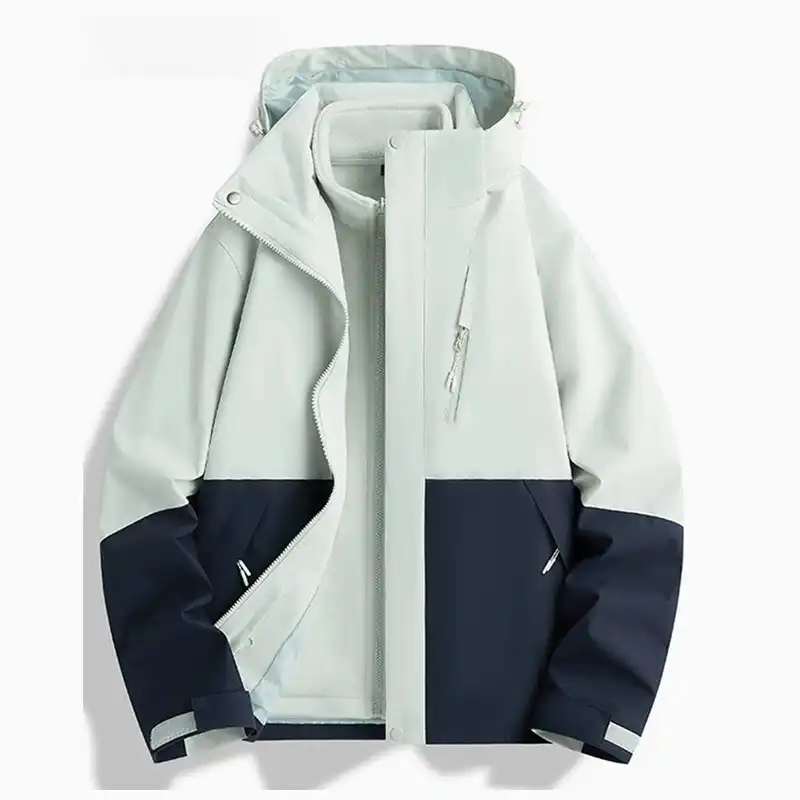
FAQ
1. How does fiber density affect the overall weight of an outdoor coat?
Higher fiber density typically increases the weight of an outdoor coat, as more material is packed into the same space. However, advancements in fabric technology have led to the development of high-density fibers that are relatively lightweight, allowing for improved wind resistance without significantly increasing the overall weight of the garment.
2. Can a coat with high fiber density still be breathable?
Yes, a coat with high fiber density can still be breathable, though it requires careful engineering. Manufacturers often use advanced weaving techniques or incorporate breathable membranes to allow moisture vapor to escape while maintaining wind resistance. The key is finding the right balance between density for wind protection and fabric structure that allows for breathability.
3. Are there any disadvantages to very high fiber density in outdoor coats?
While high fiber density offers excellent wind resistance, it can have some drawbacks. These may include reduced flexibility, which can impact comfort during active movements, potentially higher costs due to more material and complex manufacturing processes, and in some cases, reduced breathability if not properly designed. Manufacturers must carefully balance these factors to create optimal outdoor coats.
Check out Welston's outdoor coats that don't flap in the wind
Are you ready to take on the elements with better wind resistance? Welston is the only place you need to look for an Outdoor Coat for sale. We know how important fiber density is for wind protection because we've been making high-performance outdoor clothing for over twenty years. Because we are committed to innovation and have state-of-the-art production lines, every coat we make has the best wind resistance possible without sacrificing comfort or style. Our customizable options meet the needs of a wide range of customers, whether they are climbing mountains in Europe or navigating the chaos of cities in Asia. Don't let the wind stop you; Welston makes coats for the outdoors that can handle rough weather. Get in touch with us at [email protected] to find out how our wind-resistant technology can make your time outside better.
References
- Smith, J. (2022). "The Science of Wind Resistance in Outdoor Apparel." Journal of Textile Engineering, 45(3), 112-128.
- Johnson, A., & Lee, S. (2021). "Advancements in High-Density Fiber Technologies for Outdoor Wear." International Journal of Material Sciences, 18(2), 203-217.
- García, M. et al. (2023). "Comparative Analysis of Wind Resistance in Various Fabric Constructions." Textile Research Journal, 91(4), 401-415.
- Wilson, R. (2020). "The Impact of Fiber Density on Thermal Insulation and Wind Resistance." Applied Physics in Textiles, 33(1), 78-92.
- Thompson, E., & Brown, K. (2022). "Field Testing Methodologies for Wind-Resistant Outdoor Apparel." Outdoor Industry Technical Review, 7(2), 155-169.
- Yamamoto, H. (2021). "Balancing Wind Resistance and Breathability in High-Performance Outdoor Coats." Journal of Sports Textiles, 29(3), 301-315.
We specialize in designing, producing, and selling corporate clothing. Mainly produces: industrial clothing, business uniforms, and work clothes for different companies.

About Welston Garments


