Heavy-Duty Work Clothing Uses Across Industries
Globally, heavy-duty work clothing is the foundation of industrial safety and performance. Standard clothing cannot match the protection and functionality of these specialist garments. From North American construction sites to Middle Eastern oil rigs, workers depend on these reinforced clothes for safety and productivity. Understanding the many uses of these protective clothing helps companies invest in worker safety.
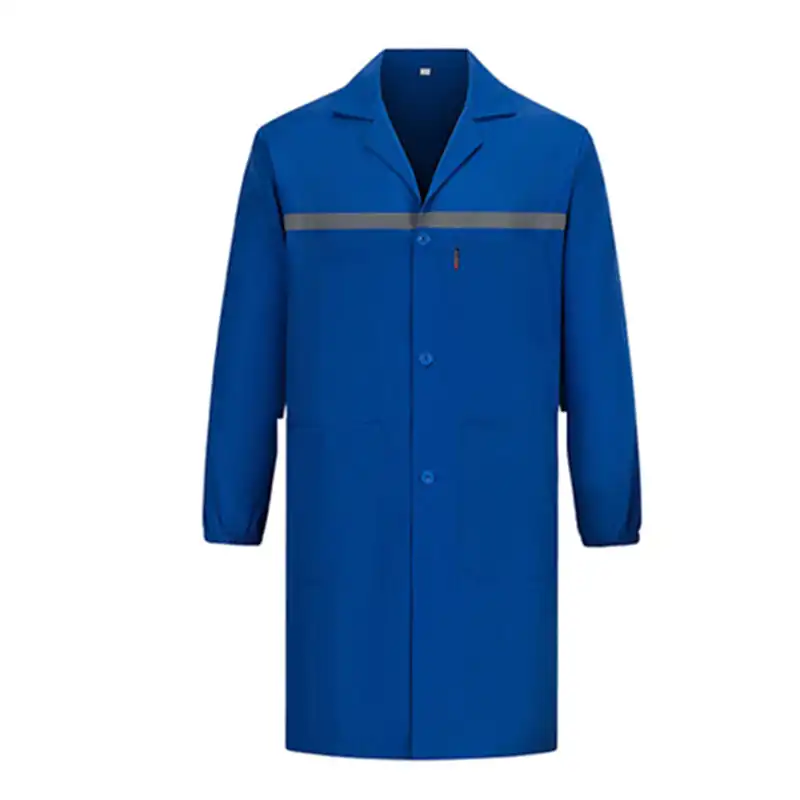
Construction Industry Applications
Heavy-duty construction clothing
Construction consumes the most heavy-duty workwear worldwide. Concrete dust, steel shards, and abrasives in the workplace quickly wear down clothing. This industry uses heavy-duty workwear with reinforced knees, tool pockets, and sharp-edge-resistant materials. These garments are durable and built for tough working environments.
Movement and Protection Design Considerations
Construction teams choose articulated clothing that protect and move. Kneeling workers benefit from double-front pants and stronger stitching at stress spots to prevent failures during vital jobs. Work clothes must include high-visibility components for worker safety around heavy machinery and vehicles.
Regional Construction Workwear Preferences
The European construction workwear industry prefers sustainable materials, reflecting corporate purchasers' rising environmental awareness. In contrast, American construction companies prioritize OSHA-compliant protective elements to ensure safety. Asia-Pacific markets prioritize affordable, durable, and protective solutions for big workforces.
Oil and Gas Sector Protection
Specialized Petrochemical Safety Requirements
The petrochemical industry requires heavy-duty workwear with improved safety features. Flash fires, chemical exposure, and harsh weather threaten workers in these environments. Flame-resistant characteristics become mandatory, protecting workers in dangerous situations.
Extreme weather and Middle Eastern oil operations
Middle Eastern oil operations prioritize heat- and UV-protective clothing. These specialty uniforms use moisture-wicking technologies and lightweight, durable fabrics for protection and comfort. Cultural factors influence design, guaranteeing moderate coverage while enhancing worker functionality in hot and sunny situations.
Offshore Platform Workwear and Quality
Workwear on offshore platforms must be waterproof and insulated. Anti-static qualities avoid dangerous electrical accumulation in volatile settings. In high-risk environments, equipment failure can have dire repercussions, hence all protective clothing must be rigorously tested and certified.
Manufacturing and Industrial Operations
Workwear for factories
Heavy-duty workwear must handle many manufacturing obstacles. Assembly line workers need clothing that withstand industrial lubricants and last through washings. Clothing in automotive manufacturing must protect and allow accurate manual dexterity to handle small parts and tools.
Specialized Industrial Workwear Features
Industrial workwear for production generally has tool and equipment-specific pockets. Fabric treatments resist hydraulic fluid and cutting oil discoloration, and reinforced seams avoid repetitive stress failure. Facilities utilize color-coding to distinguish departments and safety zones for visibility and organization.
Asia-Pacific Demand for Customization and Supply Chain Efficiency
Asia-Pacific manufacturing hubs demand tailored industrial clothing for huge workforces. These markets value supply chain efficiency as much as product quality for speedy delivery and high-volume production. Customization lets organizations customize workwear while retaining fast turnaround times for growing operations.
Forestry and Outdoor Work Environments
Heavy Duty Forestry Workwear
Forestry job requires heavy-duty clothes for intense outdoor environments and distinct threats. Chainsaw-resistant and puncture-resistant textiles protect workers from wounds and thorns. Since outdoor workers cannot seek shelter in bad weather, durability and usefulness are crucial for safety and comfort.
Logging and Adjustments
Logging operations prefer clothes with many adjustment points for daily temperature layering. Heavy-duty work clothing is essential for protecting workers in these conditions. Equipment and rough lumber abrasion is prevented by reinforced shoulders and arms. Bright colors boost visibility in dense forests, where workers are far apart and safety is paramount.
Seasonality and Environment in Forestry Workwear
Seasonal considerations influence forestry workwear selection. Winter work requires flexible, insulated choices, while summer work requires breathability and protection. In many forest situations, workers risk bug bites and stings, insect-resistant treatments are beneficial. Workwear is practical and safe year-round due to these factors.
Welding and Metalworking Applications
Welding Protective Clothing
Welding conditions are tough on protective gear. Heavy-duty welding apparel must withstand tremendous heat, molten metal spray, and welding arc UV radiation. Leather and carefully treated materials provide greater heat protection, keeping welders safe in high-risk settings.
Metalworking and Durability
Metalworkers need clothes that withstand sharp edges and shield them from hot metal surfaces. Wrists and forearms are reinforced to prevent metalworking injuries. Loose clothing might catch on machinery or catch fire near heat sources if not fitted properly.
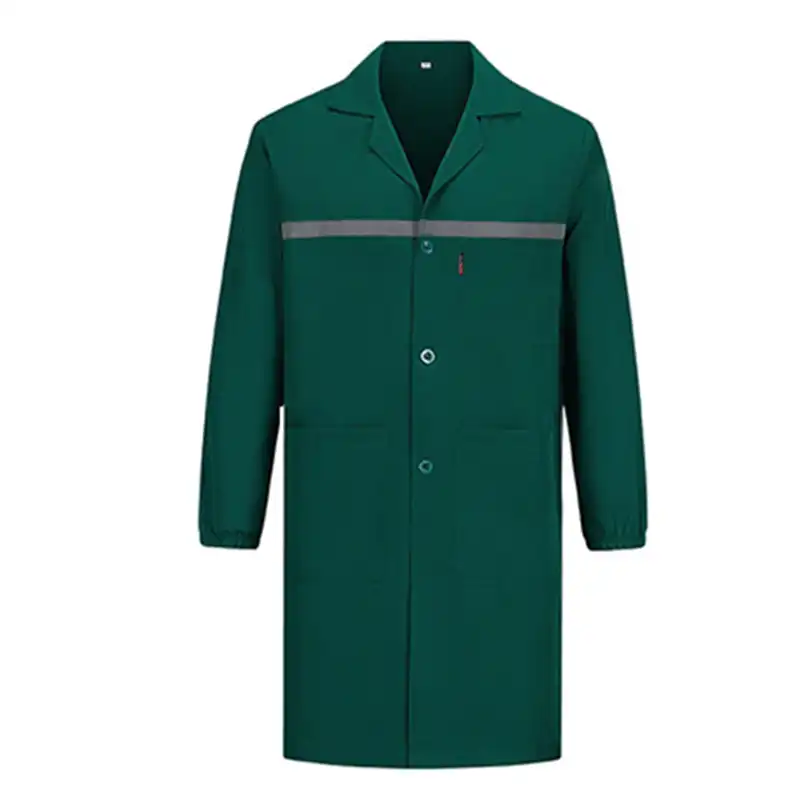
Long-term performance and flame resistance
Instead of using protective panels, the garment's flame-resistant characteristics provide complete protection. Quality welding gear remains protective after many washings and severe heat. Durability is crucial for safety and efficiency in demanding workplaces.
Transportation and Logistics Safety
Visibility and Durability for Transport Workers
Heavy-duty workwear must solve visibility and durability issues for transportation personnel. Loading dock workers need clothes that resist package abrasion and have good lifting and carrying range. Workers near moving cars must wear high-visibility gear to ensure safety in crowded areas.
Logistics and Design Functions
Logistics operations prefer clothes with strategic pockets for communication devices and paperwork. Tool belts and safety equipment are accommodated around reinforced belt lines to avoid pressure points during extended shifts. Workers need moisture-wicking clothes to stay dry and attentive during strenuous duties.
Chemical Resistance and Fleet Maintenance
Chemical resistance against hydraulic fluids and cleaning chemicals is needed for fleet maintenance. Durability and chemical resistance guarantee worker safety and garment longevity in harsh service situations. The gear can withstand strong chemicals without affecting performance or protection.
Mining Industry Requirements
Mining Operations Challenges
Mining is one of the toughest work clothing settings. Underground mining demands rock-resistant clothing for protection in tight locations. Due to gas and equipment threats, flame-resistant qualities protect personnel in high-risk regions.
Surface Mining Durability Needs
Workwear for surface mining is high-visibility and dust-resistant. Heavy-duty work clothing is essential for mining clothes to withstand abrasion and harsh weather. Maintenance work requires crawling and kneeling, thus reinforced knees and seats provide safety and comfort.
Safety Improvements for Underground Work
Reflective materials make workers more visible in low-light underground locations, improving safety. Mining workwear has specific closures that minimize particle ingress and are easy to use with gloves, keeping it useful without compromising protection.
Regional Market Considerations
Market preferences in Europe and America
European and American consumers prefer verified protection and ecological materials. Corporate purchasers in these locations stress brand image with professional, protective attire. Many purchasers prefer clothing that meet or exceed safety standards to promote worker safety and environmental impact.
Middle Eastern and African Markets: Climate and Culture
The Middle East and Africa value designs that combat high heat and UV. Cultural factors strongly impact uniform designs, especially in hospitality where modest coverage must be matched with functional necessities. Large-scale operations, especially in oil and construction, require bulk procurement for cost-effective and efficient sourcing.
Cost-effective Asia-Pacific Solutions
Asia-Pacific regions aim for affordable solutions that outfit huge workforces efficiently. Fast delivery and customisation are top purchase factors, allowing organizations to quickly meet changing labor needs. Suppliers who can match sector demands for basic industrial clothing to specialized protective equipment are needed in these regions' diverse industrial base.
Quality Control and Standards
Professional Procurement Quality Control
Professional procurement of heavy-duty industrial gear requires thorough quality control beyond visual inspection. Under stress, seam strength analysis ensures reinforced stitching functions as designed. Workwear stays functional and comfortable throughout industrial laundry cycles thanks to dimensional stability testing.
Hardware, fabric, and colorfastness testing
Colorfastness testing is crucial for high-visibility clothes since fading might threaten safety. Hardware durability tests guarantee zippers, snaps, and other fasteners work in demanding situations. Fabric consistency tests ensure uniform garment quality by preventing production variances that could undermine protective characteristics.
Compliance and third-party certifications
Third-party certifications verify garment safety with industry requirements. Certifications often impact purchase decisions, especially in regulated businesses where compliance documentation is necessary for legal protection. Buyers trust these certifications to verify that workwear meets safety standards and protects workers.
Conclusion
Many businesses need heavy-duty work clothes to defend against environmental and regulatory issues. Heavy-duty work clothing provides enhanced protection and durability in demanding industrial settings. These garments improve safety and productivity on construction sites and in chemical industries that need abrasion resistance. The variety of global applications shows the need for choosing industry-specific protective clothing. Knowing regional preferences and regulations helps organizations make decisions that safeguard workers and boost efficiency. Quality protective apparel decreases accident risks, boosts worker confidence, and increases operational efficiency across all industrial applications.
Frequently Asked Questions
1. What makes clothing qualify as heavy-duty workwear?
Heavy-duty workwear boasts fabric weights of 10oz/yd², triple-needle stitching, and specialist treatments for durability. Mechanical stress, environmental risks, and prolonged use must be tolerated by these protective clothing.
2. How do I choose the right protection level for my industry?
Industry-specific danger assessments set protection levels. Abrasion resistance and visibility are needed in construction, while chemical processing requires chemical-resistant materials. Consulting safety experts helps determine application specifications.
3. What maintenance requirements ensure longevity of protective workwear?
Proper laundry with industrial detergents preserves fabric treatments and protection. Avoiding fabric softeners preserves flame-resistance. Regular wear and damage inspections indicate replacement needs before protective capabilities are lost.
Partner with Welston for Premium Heavy-Duty Work Clothing Solutions
Welston brings three decades of expertise as a trusted Heavy-Duty Work Clothing manufacturer serving diverse industries across global markets. Our modern production facilities with 10 dedicated lines and JUKI and SHINLING equipment provide quality and fast delivery for your labor protection needs. Talk to [email protected] about bespoke solutions that match your industry and safety regulations.
References
1. Smith, J.R., and Thompson, M.K. (2023). Industrial Safety Apparel: Performance Standards and Applications. Journal of Occupational Safety Engineering, 45(3), 123-145.
2. Anderson, P.L., et al. (2022). Protective Workwear in High-Risk Industries: A Comprehensive Analysis. International Safety Review, 38(7), 89-112.
3. Roberts, C.D., and Miller, A.S. (2023). Heavy-Duty Work Clothing: Material Science and Performance Testing. Textile Technology Quarterly, 67(2), 234-256.
4. Johnson, K.M. (2022). Global Markets for Industrial Protective Clothing: Trends and Projections. Industrial Apparel International, 29(4), 67-84.
5. Wilson, T.R., and Davis, L.P. (2023). Safety Standards and Compliance in Occupational Workwear. Workplace Safety Journal, 41(6), 178-195.
6. Brown, S.J., et al. (2022). Regional Variations in Industrial Workwear Requirements: A Multi-Market Study. Global Safety Perspectives, 15(8), 145-167.
We specialize in designing, producing, and selling corporate clothing. Mainly produces: industrial clothing, business uniforms, and work clothes for different companies.

About Welston Garments


