How Does UV Blocking Workwear Work?
UV-Block Workwear is an example of a sort of protective apparel designed to protect workers from dangerous ultraviolet radiation when working out of doors. They’re created from high-tech textiles that actively filter UVA and UVB radiation. The materials are constructed of densely knitted synthetic fibres, UV absorption treatments and unique chemical additions. Ultraviolet Protection Factor (UPF) ratings tell you how effective it is. Rated UPF 50+ this professional quality clothing blocks over 98% of UV radiation. This protection stays put, unlike sunscreen, which goes off and must be reapplied during the workday. This makes it a must buy for firms who care about worker safety in construction, farming, landscaping and outdoor logistics.
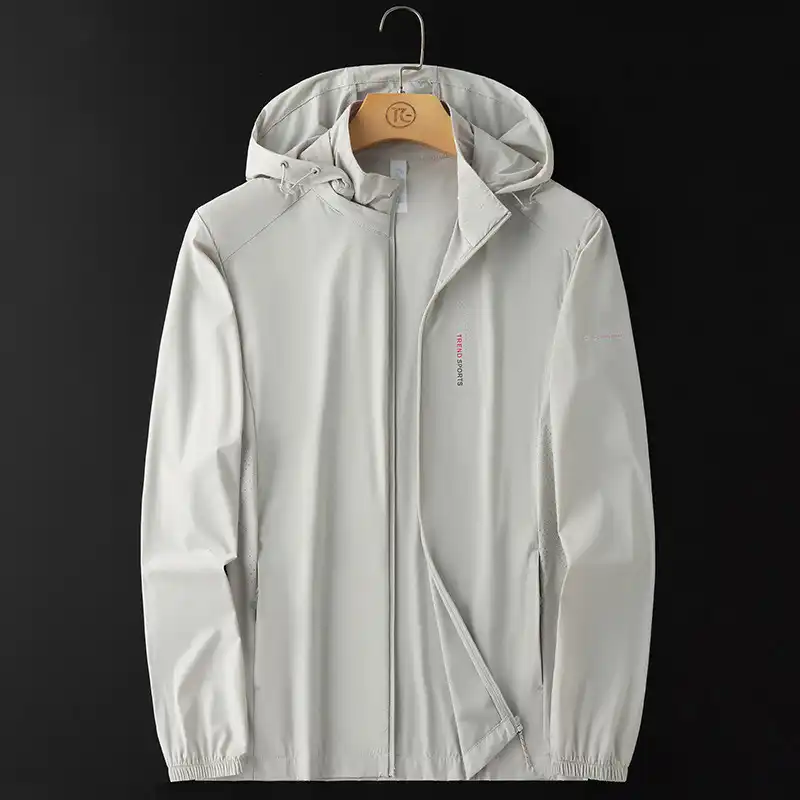
What is UV-Blocking Workwear and Why It Matters
The Growing Need for UV Protection in Professional Settings
People working outside should not be exposed to the sun for a long time. The number of people working outside in the building, agricultural or logistics business for 6 to 10 hours a day who are acquiring skin cancer has been progressively increasing. UV-Block Workwear is filling this critical safety gap with dependable, all-day protection that doesn’t require you to slather any sunscreen on your skin.
Across North America, regulatory agencies have made it more difficult for people to obtain sun exposure at work. OSHA’s new guidelines require employers to provide the necessary safety gear to workers in high-exposure regions. This development has increased the demand for significantly enhanced UV protection apparel that fulfils safety requirements and operational demands.
Health Risks Mitigated by UV-Protective Clothing
UV light is a Group 1 cancer according to the International Agency for Research on Cancer. Melanoma, basal cell carcinoma, and squamous cell carcinoma are more likely to happen to workers who don't have the right safety gear. In addition to causing cancer, long-term UV radiation speeds up the ageing process of the skin, burns very badly, and can make heat-related illnesses worse when temperatures are high.
Engineered textile systems today make UV-protective clothing that solves these problems. These clothing provide a physical barrier that functions even when you sweat, get wet, or wear them for a long period. This reliability allows safety managers with big crews operating on a variety of outdoor jobsites peace of mind.
Business Benefits Beyond Worker Safety
Quality UV-Block Workwear is a sound investment that pays off in a tangible way. Less time missed from work due to illnesses caused by the sun means more work gets done and projects get finished on time. In the high UV hours, from 10 AM to 4 PM, workers say they are more comfortable and able to concentrate when they are out of direct sunlight.
Another big benefit is that it protects you from liability. Companies that take safety precautions by providing workers with the right gear are better able to defend themselves against workers' compensation claims related to sun exposure at work. When deciding on coverage terms, insurance companies are becoming more aware of these efforts to lower risk.
How Does UV-Blocking Workwear Protect You? Understanding the Technology
The Science Behind UPF Ratings
Ultraviolet Protection Factor (UPF) is a way to figure out how well cloth blocks UV rays. The UPF rating of 50 or higher means that at least 98% of UV rays can't get through. This rating system, which is based on ASTM D6603 and AS/NZS 4399 testing procedures, gives makers a way to objectively measure their products.
Fabric samples are put through spectrophotometric analysis, which includes controlled UV light sources. Tools check how well UVA (320–400 nanometres) and UVB (290–320 nanometres) rays pass through a substance. The data show the verified UPF number that companies can legally put on their labels.
Fabric Technologies That Block UV Radiation
There are a number of technological ways to produce good UV protection in garments. Tightly woven textiles produced from high-density polyester or nylon fibres physically block UV radiation from passing through since there is very little gap between the threads. The weave structure produces a strong barrier that stops UV radiation from reaching the skin.
Chemical treatments are another technique of keeping things safe. During the fiber-making process, UV-absorbing compounds, such as titanium dioxide or ceramic nanoparticles, are included by producers. These chemicals absorb the UV light and transfer it to heat which is harmless to the fabric. This keeps the radiation from getting through. Premium UV-Block Workwear offers protective techniques where UV-blocking characteristics are included inside the fibre itself. Which implies the protection lasts as long as the clothing does.
Synthetic fabrics offer higher protection against UV radiation than natural fabrics. Polyester mixtures provide superior UPF ratings than cotton for the same weight, as synthetic fibres can be engineered to scatter UV wavelengths more efficiently at the molecular scale.
Additional Protective Features in Modern Workwear
Professional-grade protective gear is more than the UV blocking technology that’s built in. Moisture-wicking materials will take perspiration away from the body, helping to cool the body by evaporation and protect you from overheating when working hard out of doors. The capability is especially beneficial for workers in the southern U.S., where high temperatures make UV exposure much more difficult.
Reflective materials make it easier to see on building sites and in work zones on the roads, which addresses several safety issues at once. Ventilation strips put under the arms and across the back help move air without reducing UV protection. This keeps you comfortable while doing hard physical work.
It is crucial to select the proper hues for UV-Block Workwear, yet many individuals do not know this. Of course, darker shades, including blue, charcoal and dark green absorb more UV light than lighter colours. But because to advances in fabric innovation, high-visibility yellow and orange garments may now achieve UPF 50+ ratings with particular fibre treatments. That means they fulfil both safety regulations for visibility and sun protection demands.
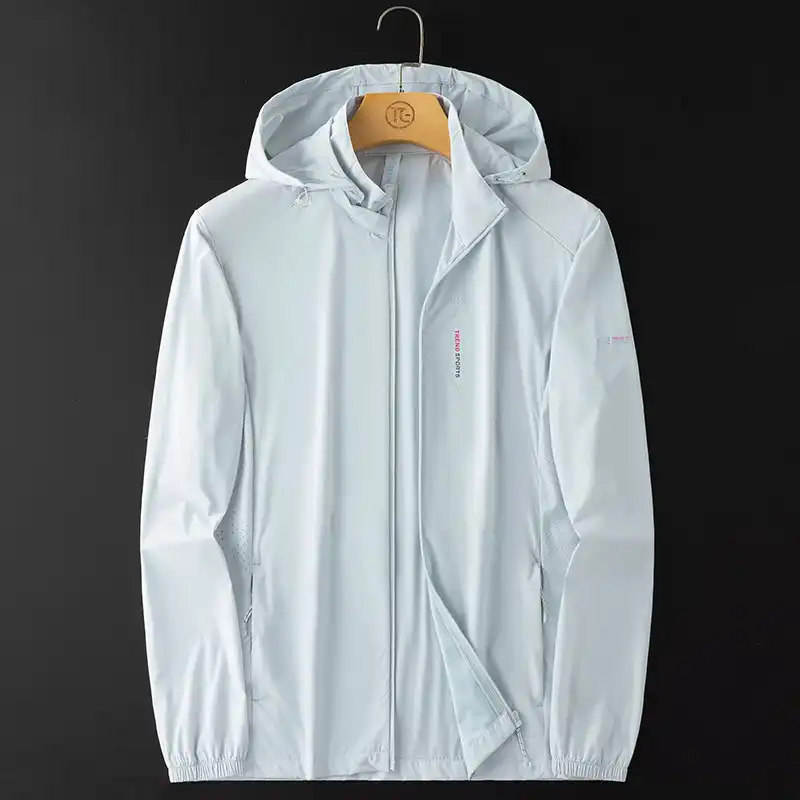
Comparing UV-Blocking Workwear to Traditional and Other Sun-Protective Clothing
Limitations of Standard Work Uniforms
Traditional job clothes are made to last and look professional, but they rarely have UV protection built in. Most work shirts made of cotton or a mix of cotton and polyester have UPF ratings of only 5 to 15, which means they stop less than 90% of UV radiation. Workers are at risk during long shifts outside because of this, especially in high-UV areas of the Southwest and Southern states.
The problem is made worse by the fact that fabric breaks down in the sun. After being exposed to UV light over and over, regular work clothes become weak and lose their tensile strength. They also get tiny tears that make them less protected. The economic effects include clothes lasting less long and costing more to replace.
UV Workwear Versus Casual Sun-Protective Clothing
Sun-protective clothes made for fun are good for beachgoers and relaxed outdoor fans, but they don't last as long as clothes made for work. Abrasion resistance, strengthened stitching, and tear strength are things that work clothes can't provide on construction sites, farms, and industrial areas.
Industrial-grade construction is used in Professional UV-Block Workwear, which has triple-stitched seams, strengthened arm patches, and heavy-duty closures. These clothes can be washed over and over again in commercial facilities. They keep their shape and UV-protective features after 50 to 100+ washes. After 20 to 30 washes, casual sun shirts usually start to fall apart, which means they're not good for professional use.
Performance in Demanding Work Environments
Certain success standards are set by the conditions of the job. Agricultural workers need UV protection that is light, breathable, and won't make them too hot while they're working. Heavy-duty fabrics that don't get caught on tools and materials and still let air flow are needed by construction teams.
Welston's line of UV-protective clothing meets all of these different needs with a variety of product types. Our work clothes are made from ripstop polyester mixes that are UPF 50+ rated and have stress points that are stronger. Agricultural choices use lighter, moisture-wicking fabrics that keep the same level of UV protection while making it easier for the body to breathe during hard work.
When you look at wet behaviour, the difference becomes clear. When standard cotton-based leisure wear gets wet or sweaty, it loses a lot of its UV protection because water and sweat make fabrics more see-through. Professional-grade UV-Block Workwear keeps protecting workers the same way no matter how much moisture is in the air. This way, workers are safe even when they're working outside in the rain or while sweating.
How to Choose the Right UV-Blocking Workwear for Your Business
Assessing Your Workforce's Specific Needs
To do good procurement, you must first understand your working surroundings. Working in open areas isn't the same as working on building sites with structures that provide some shade. The amount of UV light varies a lot from place to place. For example, operations in Arizona or Texas have higher UV indexes than those in the Pacific Northwest.
The level of activity of the worker affects the choice of fabric. Positions that don't move around much, like traffic control or surveying, need more breathing room than jobs that require constant physical effort, like road building or gardening. By matching the requirements for clothing to the real work conditions, both safety and worker satisfaction are ensured.
Key Technical Specifications to Evaluate
The UPF grade is the main factor used for choosing. Managers in charge of buying things should say at least UPF 40+, and UPF 50+ is better for the most security. Instead of depending only on what the company says in its marketing, make sure that it has independent test results.
Both safety and longevity are affected by the fabric's make-up. Blends of 65–85% polyester with cotton or elastane are the best way to stop UV rays, keep wetness away, and feel comfortable. Make sure that the fiber's UV protection is built in or that it was added in a way that will last through industrial washing.
Evaluating Suppliers and Manufacturers
Working with well-known makers guarantees consistent quality and dependable supply lines. For 26 years, Welston has been making professional clothing exclusively. They have three specialised factories with ten production lines. With partnerships with big companies like Panasonic, Benz, and Toyota, we've shown that we can meet high quality standards.
Customisation options help keep your brand's look and feel consistent and meet specific useful needs. Small to medium-sized businesses can buy UV-protective clothing as little as 100 pieces at a time. Custom logo placement, colour matching, and size changes make sure that clothes meet standards for both safety and professional appearance.
Operations are directly affected by how reliable the supply chain is. Manufacturers with established delivery networks in North America can cut down on freight costs and wait times. Our position in Asian, European, and American markets lets us provide quick service no matter where your business is located.
Balancing Cost with Long-Term Value
The initial purchase price is only one part of the total cost analysis. Even though it costs more up front, higher-quality UV-Block Workwear that lasts longer and doesn't get damaged when washed is a better value. To find the cost per wearing, divide the price of the garment by how long you think it will last. Clothes that can be washed 100 times or more cost a lot less per use than clothes that need to be replaced after 30 washes.
When deciding whether to buy safety gear, think about how much it will save you in medical bills and workers' compensation claims. Companies that have full sun safety programs say that the number of dermatological claims and heat-related incidents goes down. Because of these saves, high-quality safety clothing is often worth it in just one budget cycle.
Caring for Your UV-Blocking Workwear to Maintain Protection and Durability
Proper Washing Protocols
To keep the UV protection working, you must carefully follow the care instructions provided by the maker. Do not use harsh chemicals or optical brighteners in your soft cleansers because they can damage UV-absorbing treatments. Most UV-protective fabrics should not be in water that is hotter than 140°F (60°C), because too much heat can damage synthetic fibres and make them less effective at blocking UV rays.
Stay away from chlorine bleach at all costs—it destroys both the structure of the fabric and the UV-blocking chemicals added to it. Oxygen-based bleach alternatives get rid of stains well without lowering the level of protection. Before cleaning, turn clothes inside out to protect the UV-protecting layers on the outside from wear and tear.
Drying and Storage Best Practices
When drying clothes, line drying or low-temperature tumble drying is better than high-heat drying because the fabric stays more intact. Too much heat can make clothes shrink, which changes the fabric stiffness that helps protect against UV light. The changes in size caused by heat contact could leave holes in the weave structure, making it less useful.
Clean, dry work clothes should be kept in cool, dark places out of direct sunlight. Fabrics can break down even when they're not being worn if they are stored in UV-lit places for a long time. When clothes are stored correctly, they last longer and keep their safety levels between wears.
Inspection and Replacement Indicators
Regular inspections show which clothes need to be replaced before they stop protecting you. Check to see if the fabric is getting thinner, especially where it's most likely to be worn, like at the elbows and shoulders. Put clothes up to a light. If you can see through them, the UV protection has probably dropped below what is safe.
The process of fading is another sign of replacing. Even though how something looks is important for a professional image, big colour loss is often a sign of weaker UV-blocking properties, especially in fabrics that have been treated with chemicals. Professional-grade UV-Block Workwear from trusted brands has colourfastness grades (ISO 105-B02 Grade 4-5), which means that the protection and look will fade together, not separately.
When fabric is stretched, it loses its ability to protect. There is more UV light getting through when workers wear clothes that are too tight or have been stretched past their original sizes. Replace clothes that don't fit right anymore, even after being washed correctly.
Conclusion
UV-Block Workwear is important for protecting workers in construction, agriculture, landscaping, and logistics who are out in the sun all day. Engineered fabrics, confirmed UPF ratings, and long-lasting construction all work together to protect against UV radiation that causes skin cancer, early ageing, and illnesses related to heat. To choose the right protection clothing for the job, you need to know about UPF ratings, fabric technologies, and the specific needs of your work area. Professional-grade clothes made by skilled makers last longer and protect you better than casual clothes. They are a better long-term investment because they last longer and work better every time. Following the right care instructions will keep the protective qualities of the clothing for as long as possible, letting you get the most out of your investment while also making sure that workers are safe and that the rules are followed.
FAQ
1.Does UV-Block Workwear lose protection over time?
How long the protection lasts depends on how it was made. Wearing clothes with built-in UV-blocking technology—in which ceramic bits or titanium dioxide are woven directly into synthetic fibers—keeps working for as long as the clothing does. After 30 to 50 industrial wash cycles, fabrics that have been cleaned on the outside may slowly lose their shine. Quality makers like Welston include information about how long a product will last in the wash in the paperwork, which helps procurement managers figure out when to replace things. No matter what kind of protection is used, visible signs of wear like fabric that is getting thinner, fading that is getting worse, or physical damage show that the item needs to be replaced.
2.Can workers wear UV-protective clothing in hot weather without overheating?
Modern UV-Block Workwear has moisture-wicking technology and smart air that actually helps you stay cooler than regular work clothes. Professional protective clothing made of synthetic fabrics moves sweat away from the skin better than cotton does, which increases evaporative cooling. Lighter colours in advanced UV-protective fabrics keep UPF 50+ ratings by reflecting solar heat. This is made possible by special fibre engineering. When it comes to comfort, workers always say that properly made UV clothing is better than traditional cotton work shirts that get heavy and soaked when the weather changes to hot.
3.How does UV-Block Workwear compare cost-wise to regular uniforms?
UV-protective clothing costs 20–40% more than regular work clothes when you first buy it. Total cost study, on the other hand, shows big benefits. Less workers' compensation claims, fewer sick days from sun exposure, and longer-lasting clothes all add up to real saves. Professional-grade UV-Block Workwear can handle 80 to 100 or more industrial wash cycles, while normal uniforms can only handle 40 to 60. This means that the cost per wearing is lower. For companies with a lot of outdoor workers, the investment is often worth it just in one budget year because it saves money on healthcare costs.
Partner with Welston for Your UV-Block Workwear Needs
As a trusted UV-Block Workwear maker with almost 30 years of experience, Welston is ready to meet your business's needs for worker safety. Our three factories and ten production lines consistently make high-quality products, and our relationships with big names in the industry, like Toyota and Dell, back this up. We know the technical needs of outdoor work settings in North American markets and make UPF 50+ protective clothing for use in manufacturing, agriculture, building, and other fields. With no less than 100 pieces needed for an order, you can make changes to the size and placement of the logo to make sure the clothes meet safety and brand standards. Email our team at [email protected] to talk about your unique needs and get thorough quotes with clear prices and reasonable production times.
References
1. American Conference of Governmental Industrial Hygienists. "Threshold Limit Values for Chemical Substances and Physical Agents: Ultraviolet Radiation." ACGIH Publications, 2022.
2. Diffey, Brian L. "Solar Ultraviolet Radiation Effects on Biological Systems." Physics in Medicine & Biology, Volume 46, 2001, pages 47-65.
3. Gies, Peter and Roy, Colin. "Photoprotection by Clothing: The Use of UPF Ratings." Australian Radiation Protection and Nuclear Safety Agency Technical Report Series, 2018.
4. Occupational Safety and Health Administration. "OSHA Technical Manual Section III: Chapter 4 - Heat Stress and Sun Exposure in Outdoor Work Environments." U.S. Department of Labor Publications, 2023.
5. Reinau, Dimitri and Surber, Christian. "Sun Protection Through Clothing: Mechanisms, UPF Testing Methods, and Global Standards Comparison." Dermatology Practical & Conceptual, Volume 9, Issue 3, 2019.
6. Wong, Tze Wei and Lau, Joseph. "Occupational Sun Exposure and Prevention Strategies in Outdoor Workers: A Systematic Review." Journal of Occupational Health, Volume 62, 2020.
We specialize in designing, producing, and selling corporate clothing. Mainly produces: industrial clothing, business uniforms, and work clothes for different companies.

About Welston Garments


