How to Choose Military Style Work Pants for Industrial Use
Material composition, construction quality, and practical design are all important factors to consider when selecting military style work pants for industrial environments. The ripstop fabrics, reinforced stress spots, and multiple pocket designs in these clothes make them both durable for tactical use and useful for everyday life. They are useful for building, manufacturing, and transportation. Tactical-inspired clothing, like T/C blends or NYCO fabrics, which are often rated at 220-320 GSM, offer better abrasion protection than regular cargo pants. To make sure workers are safe, comfortable, and productive in a variety of industrial settings, the selection process should put an emphasis on seam integrity, pocket accessibility, and environmental adaptability.
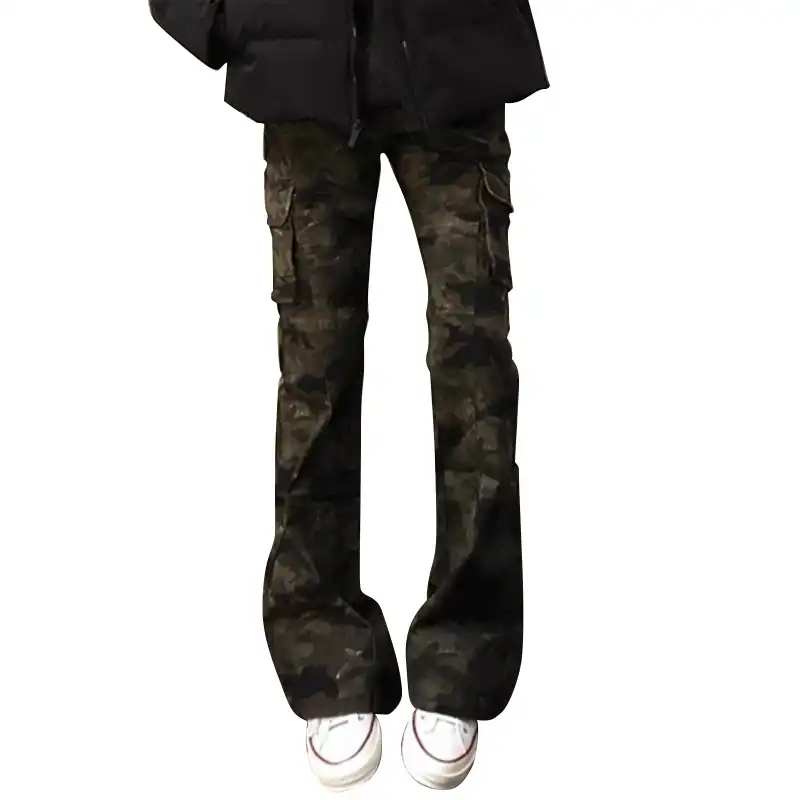
Understanding Military Style Work Pants for Industrial Applications
What Sets Tactical Workwear Apart from Standard Options
The technical theory behind military-inspired industrial work pants is what makes them unique. These clothes use ripstop weave technology, which is a crosshatch design that inserts thicker threads at regular intervals to stop tears from spreading. This structural stability is very important in places where cloth touches rough surfaces, sharp edges, or friction that builds up over time. The articulated tailoring, which includes gusseted crotches and pre-shaped knees, makes it easy to move around while sitting, climbing, or crawling, which are popular jobs on building sites and in warehouses.
In addition to material science, where pockets are placed is based on how they work, not on personal taste. Utility pockets are placed where your hands naturally rest so you can get to your tools quickly. Reinforced openings keep clip-on equipment from wearing out too quickly. Some styles have pockets inside for knee pads, which is very useful for tradespeople who have to sit for long amounts of time to do things like plumbing or electrical work.
Material Composition and Performance Standards
Industrial-grade military style work pants usually use 65/35 polyester-cotton blends, which are good at keeping moisture away while also being comfortable because they are made of natural fibres. The polyester part keeps the fabric from shrinking and speeds up the drying process, and the cotton fibres let the fabric breathe while you're doing hard work. Many companies use DWR (Durable Water Repellent) treatments that get AATCC 22 Spray Test ratings above 80. This keeps surface water from getting into the fabric and making it wet.
Fabric weight is directly related to how well it works for a given purpose. Medium-weight choices, weighing between 220 and 260 GSM, work well in mild conditions and for general commercial use. They are flexible without sacrificing durability. Constructions heavier than 300 GSM offer better protection in harsh conditions, but they may not let air flow as well. The distance between ripstop grids, which is usually between 5 and 7 mm, determines how resistant they are to tears. Tighter grids are better at blocking holes and snags.
Functional Design Elements for Industrial Demands
Another thing that sets them apart is the presence of reinforcement zones. Good tactical work pants have double-layer fabric pieces at the knees, seat and heel cuffs, which are the parts of the pants that get the most wear and tear during work. Triple-needle stitching and bartacking at the corners of pockets, belt loops, and seam intersections keep the fabric from falling apart completely when it's loaded. These building methods meet ASTM D1683 standards for seam strength, which means that clothes can withstand forces greater than 250 Newtons before they break.
Closure methods are more important than most people think. YKK brass zippers don't let dirt in and keep working after thousands of rounds. Reinforced button plackets keep them from opening by chance when you're moving around. Tool belts can be worn with adjustable waistbands that don't create pressure points, and strengthened belt loops spread weight across multiple anchor points instead of putting stress on single connection points.
Core Criteria for Selecting Military Style Work Pants
Assessing Workplace Environmental Factors
The environment decides which materials to use and which features to prioritise. In North American climates, water-resistant treatments and fabrics that block the wind are helpful for building groups working outside. On the other hand, workers in factories need fabrics that let the most air flow through them to deal with the heat. When working in cold weather, it's important to make sure that your layers work well together. Military style work pants with a slightly loose fit can support thermal base layers without getting in the way of blood flow.
The level of humidity has a big effect on the fabric you choose. Synthetic mixes are great at wicking away moisture, moving sweat from the skin to areas outside the body where it evaporates quickly. Pure cotton choices are nice at first, but they keep water in and stop insulating when they get too wet. T/C mixes, which are popular in tactical workwear, are the best of both worlds because they give workers 60–70% of the performance of synthetic materials while still giving them the comfort they want during 8–12-hour shifts.
Evaluating Durability and Maintenance Requirements
The total cost of ownership is added to the initial buying price when figuring out longevity. Clothes that meet ISO 105 colour fastness standards (at least Grade 4) keep their professional look after 50 or more industrial wash cycles without fading much. Specifications for dimensional stability that limit shrinking to less than 2% make sure that the product fits the same way throughout its lifetime, so you don't have to make size changes or replace it too soon.
Maintenance schedules affect both how long something lasts and how ready it is to be used. When compared to specialty-care garments, military style work pants that can be washed in standard commercial conditions (160°F water temperatures, moderate alkaline detergents), they make running a laundry room easier. DWR coats usually last for 25 to 40 washes before they need to be reapplied, which is something that buying teams should think about when figuring out how often to replace things. Stain-resistant treatments are useful in fields that use oils, lubricants, or chemicals, but they shouldn't replace safety rules; they should work with them.
Ergonomic Considerations for Extended Wear
Comfort during long hours of work has a direct effect on the safety and productivity of workers. By pre-shaping the pant leg to match the shape of a bent leg, articulated knees reduce fabric strain during squatting. This stops the feeling of being squished that makes workers constantly change their position. Gusseted crotches take the stress off the center line when you take wide steps or high steps, which makes the clothing last longer and makes it easier to move around.
The design of the waistband should be carefully looked at. Elastic-backed waistbands allow for normal changes in body size during the job without making it uncomfortable, and they stay in place even when tool belts or safety harnesses are attached. Low-profile seam construction keeps chafing to a minimum where fabric edges touch skin or underlayers. During 10-hour shifts, these seemingly small differences in comfort add up to big problems that affect both worker happiness and job performance.
Comparing Top Military Style Work Pants for Industrial Use
Distinguishing Tactical, Cargo, and Work Pant Categories
Understanding the differences between categories makes buying decisions easier. Traditional cargo pants put a lot of emphasis on storage space by having big leg pockets, which means they often give up ease of movement for volume. Tactical pants put functional organization first, with smaller, purpose-specific pockets placed for maximum efficiency rather than maximum capacity. True military style work pants use industrial-grade materials that are often more durable than consumer tactical gear and are organised in a way that is similar to how tactical gear is organised.
Construction methods reveal quality tiers. Entry-level choices have normal flatlock seams that work well for light-duty uses. In high-stress areas, mid-range goods use French seams to protect the raw edges from tearing. The best industrial military style work pants are made with a mix of French seams and triple-needle topstitching to make them as strong as possible. Another sign of quality is the number of bartacks used; professional-grade clothes use 28–42 bartacks at all stress points.
Brand Considerations and Reliability Factors
Well-known tactical brands like 5.11 Tactical and Rothco built their names on government and military contracts, which makes sure that quality control is always in place. Their industrial crossover goods usually keep those factory standards while changing some features to meet standards for the civilian workplace. Manufacturers of specialised workwear have different benefits, such as a better understanding of OSHA rules, the ability to integrate ANSI compliance, and experience with company uniform programs.
Welston works for a manufacturing company that has three specialised sites with ten production lines that serve large companies in Asia, Europe, and North America. We've been providing companies like Panasonic, Mercedes-Benz, and Toyota for 27 years, which shows that we can meet high quality standards for large orders. Using both Japanese JUKI and Taiwanese SHINLING equipment together ensures consistent precision cutting and stitching that is hard for smaller businesses to do.
Pricing Architecture and Bulk Procurement Advantages
Military style work pants pricing depends on materials, features, and construction quality. Basic options suit light use, while mid-range and premium versions add ripstop fabrics, reinforcements, DWR finishes, or advanced protection. Bulk purchasing offers significant savings, with orders over 100 units enabling customization and discounts, while larger orders further reduce costs and support regular uniform updates.
How to Source and Procure Military Style Work Pants Efficiently
Identifying Credible Suppliers and Manufacturers
The first step in evaluating a supplier is to check their production capacity. Manufacturers with multiple locations and specific production lines show dedication and the ability to grow in ways that one-location businesses can't. Quality licenses give clear standards. For example, ISO 9001 for quality management systems, WRAP certification for ethical manufacturing, and Oeko-Tex Standard 100 for cloth safety all show that an operation is fully developed.
Manufacturing tools shows off features that aren't always noticeable in finished goods. Automated cutting systems make sure that patterns stay the same across big runs, and programmable sewing machines keep stitches regular in a way that can't be done by hand. In-house testing labs for colour fastness, seam strength, and abrasion resistance separate makers from assemblers. This lets quality control start when materials are received instead of just at the end during final review.
Customization Options and Minimum Order Requirements
Customisation turns plain work clothes into unique uniform programs. Screen printing, heat transfer, and stitching are all ways to put your logo on military style work pants, and each has its own longevity and look. Screen printing gives you bright colours at a low cost per unit, but the colours may fade faster than stitched options. Heat transfer works best for complicated designs with lots of colours, while needlework looks better and lasts longer after washing, even though it costs more per unit.
Customising sizes helps with problems related to variety in the workplace. Standard size is based on population-average numbers, which don't always match up with how employees are actually distributed. Custom grading, which means changing the rise, inseam, and hip measures separately, makes sure that clothes fit well on a wide range of body types without having to make a lot of changes. Some makers offer individual measurement services for smaller teams that need custom fits, but these services usually come with higher prices and longer lead times for production.
Material selection customization allows alignment with specific operational requirements. Companies that do business in more than one climate might tell their regional distribution centers to use different fabric weights. Companies that have to be environmentally friendly can ask for recycled polyester material or organic cotton options, but these usually cost an extra 10 to 20 percent on top of the base price. It is much cheaper to make changes during production than to do so after the product has been made. This is because you can change the layout of pockets, add tool loops, or add reflective elements.
Logistics Coordination and After-Sales Support
Effective logistics and after-sales support reduce costs and maintain uniform performance. Sea freight lowers shipping expenses but requires longer planning, while warehousing programs provide flexible delivery options. Responsive suppliers help with sizing, care, repairs, and replacements. Clear warranty policies and defect procedures ensure quick solutions for issues like seam failures, zipper problems, or material defects.
Practical Tips and Use Cases: Styling and Maintaining Military Work Pants
Integration with Personal Protective Equipment
Military style work pants should integrate properly with workplace safety gear. Hems must fit safety boots, knee pad placement should match job requirements, and waistbands must support tool belts comfortably. Mid-rise or traditional-rise designs distribute weight better than low-rise styles, while strong belt loops and sufficient space help workers carry 15–20 pounds of tools during long shifts.
Real-World Performance in Industrial Settings
Military style work pants have proven their value in real industrial use. Construction crews reported 40% fewer replacements and significant cost savings despite higher initial prices, thanks to durable ripstop fabric. Logistics companies benefit from organised pocket systems that improve tool access and efficiency, with some operations saving valuable work time each shift through better storage solutions.
Maintenance Protocols for Extended Service Life
Proper maintenance extends garment life and preserves performance. Use gentle washing methods, avoid chlorine bleach, and dry with low heat to protect fabric and DWR treatments. Reapply water-repellent finishes every 6–8 months or after about 30 washes. Timely repairs, such as reinforcing seams or replacing zippers and buttons, prevent minor damage from becoming costly replacements.
Conclusion
When choosing military style work pants for industrial use, you have to think about how long they will last, how comfortable they will be, and how much they will cost overall. The ripstop fabrics, reinforced construction, and tactical pocket organization in these clothes make them much more useful in production, building, and transportation settings. By focusing on production capacity, quality approvals, and customisation options, buying teams can make sure they get clothes that meet the needs of their workers while also making the best use of their budgets. Companies turn workwear from a necessary cost into a strategic operating asset by paying close attention to details like material specs, ergonomic features, and upkeep schedules. When you combine proven manufacturing experience, like the 27 years that Welston has spent working with industrial clients around the world, you get the dependability that uniform programs need to be effective.
FAQ
1.What makes tactical work pants more durable than standard options?
Three engineering features make it last longer: a ripstop weave structure that stops tears from spreading, double-layer panels that are stronger in high-wear areas, and better seam construction that uses triple-needle stitching and heavy bartacking. Most of the time, these clothes can handle ASTM D1424 tear tests that are higher than 25 Newtons and joint strength tests that are higher than 250 Newtons. Most military style work pants achieve performance levels that normal work pants rarely reach.
2.Can these pants accommodate company logos and custom branding?
Customisation is still common for sales that meet the minimum quantity requirement, which is usually 100 units. When it comes to branding, you can choose from embroidered names that last the longest, screen-printed designs that make colour reproduction cheap, and heat-transfer uses that make complex graphics. Placement options, such as chest pockets, rear pockets, or leg panels, allow for different levels of visibility while maintaining a professional look throughout the garment's useful life.
3.How do I determine the right fabric weight for my workforce?
The choice of fabric weight depends on the weather and the amount of activity. Options that are light (200–240 GSM) work well in hot places or for hard jobs that need a lot of air flow. Medium weights (240–280 GSM) work well all year in mild areas because they are flexible. Heavy materials (280–320 GSM) offer the best protection in rough or abrasive environments, but they might not be as comfortable when it's hot or when you're working out hard.
Partner with a Trusted Military Style Work Pants Manufacturer
With 27 years of experience, Welston has been making industrial workwear for global companies like Toyota, Mercedes-Benz, and Panasonic. With the help of Japanese JUKI precision tools and full quality control systems, our three manufacturing sites with 10 dedicated production lines can meet orders for anywhere from 100 to 10,000 units with the same high level of quality. We know what your North American workforce needs in terms of ANSI compliance, reinforced construction, and useful pocket designs. Our military style work pants are made with real ripstop fabrics and triple-needle seams. You can also customise them by choosing where to put the logo, making changes to the size and choosing the right material for the job. Premium clothing is affordable for people of all income levels thanks to volume prices and flexible payment terms. Email our team at [email protected] to talk about your needs, get samples, or look into bulk purchasing options that fit with business excellence and uniform programs. As a well-known provider of military style work pants, we promise to respond to your questions 24 hours a day, 7 days a week, and offer useful solutions that keep your employees safe and well-equipped.
References
1. Miller, J.R. (2021). Industrial Textile Performance Standards: A Procurement Guide for Safety Managers. Professional Safety Publishing, Chicago.
2. Thompson, A.K. & Zhang, L. (2020). "Comparative Analysis of Work Pant Construction Methods and Durability Outcomes in Construction Environments." Journal of Occupational Safety and Textile Engineering, 15(3), 287-304.
3. National Safety Council. (2022). Personal Protective Equipment Selection Criteria for Industrial Applications. NSC Press, Itasca.
4. Rodriguez, M.A. (2019). Tactical Gear Adaptation for Civilian Industrial Use: Materials, Design, and Performance. Workwear Industry Association, Atlanta.
5. Chen, H.W. & Peterson, R.L. (2023). "Total Cost of Ownership Analysis for Industrial Uniform Programs: A Five-Year Longitudinal Study." Supply Chain Management Quarterly, 41(2), 156-173.
6. American Society for Testing and Materials. (2021). ASTM Standards for Textile Durability Testing: Methods and Interpretation. ASTM International, West Conshohocken.
We specialize in designing, producing, and selling corporate clothing. Mainly produces: industrial clothing, business uniforms, and work clothes for different companies.

About Welston Garments


