How to Choose the Perfect Outdoor Coat for Harsh Winter Conditions?
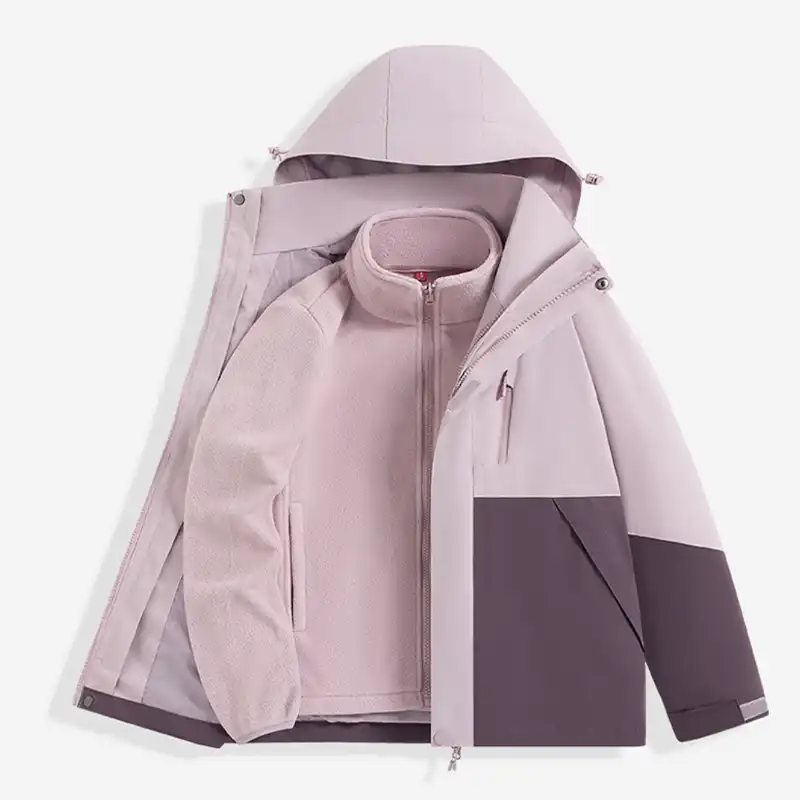
When selecting an outdoor coat for harsh winter conditions, it is important to take into consideration the insulation, weatherproof materials, and usefulness of the garment. Keeping you warm without restricting your movement is the goal of the perfect winter coat, which is designed with thermal insulation and breathable fabric technology. It is essential to have a waterproof, windproof, and layering-friendly material. In order to deal with harsh weather, your outdoor coat have to feature zippers that are dependable, hoods that can be adjusted, and pockets that are strategically placed.
Understanding Winter Weather Challenges
Recognize the Winter Environments
The weather conditions during the winter need certain apparel. As a result of cutting winds, snow or rain, and other elements, body heat and comfort might be significantly reduced. When selecting winter gear, it is helpful to have an understanding of environmental parameters.
Controlling the Temperature Is Very Important
When the temperature is low, temperature regulation is really necessary. Without insulation, the heat that is generated by activity easily escapes the body. Because windchill causes an increase in heat loss, windproof materials are essential for maintaining a core body temperature.
The Management of Moisture
Because damp clothing loses its ability to insulate and speeds up the passage of heat, moisture control is a crucial factor. In the winter, wearing clothing that is resistant to moisture enhances both comfort and thermal efficiency.
Gearing that is based on activity levels
A variety of activities call for varying degrees of protection and breathability. In order to avoid overheating, campers and photographers want the highest possible level of insulation, whilst mountaineers and hikers require fabrics that are breathable. Think about the winter activities you enjoy doing when evaluating the features and performance of your coat.
Essential Features for Winter Protection
Winter coats with advanced tech
Modern winter coats use innovative technology to stand up to extreme weather. Winter protection starts with thermal insulation, either down or synthetic.
Comparing Down and Synthetic Insulation
Down has excellent warmth-to-weight ratios but does not work well when wet. However, synthetic insulation stays warm in damp weather, making it ideal for wet winters. Understanding these differences can help you choose for weather.
Protection: Waterproof/Windproof Features
Internal comfort is maintained by waterproof and windproof barriers. Choose coats with sealed seams and excellent water repellents. Weatherproof materials should breathe to prevent condensation.
Design and Function of Hood
Protection and usability of an outdoor coat depend on hood design. Coverage and hat style are changeable with adjustable hoods. Alpine and winter sports enthusiasts benefit from helmet-compatible designs. When comparing models of outdoor coats, consider hood adjustment and peripheral vision.
Pocket functionality and placement
Pocket placement and amount affect winter functionality. Handy chest pockets hold navigation equipment and refreshments, while hand pockets provide warmth and storage. Winterproofing electronics requires internal pockets. Secure pocket zippers with weatherproof features to keep moisture out.
Material Technologies and Performance
Impact of Advanced Fabric Technologies
Innovative fabric science improves winter coat performance. Knowing these advances might help you choose a coat for your needs and hobbies.
Softshell vs. Hardshell: Designs to Choose
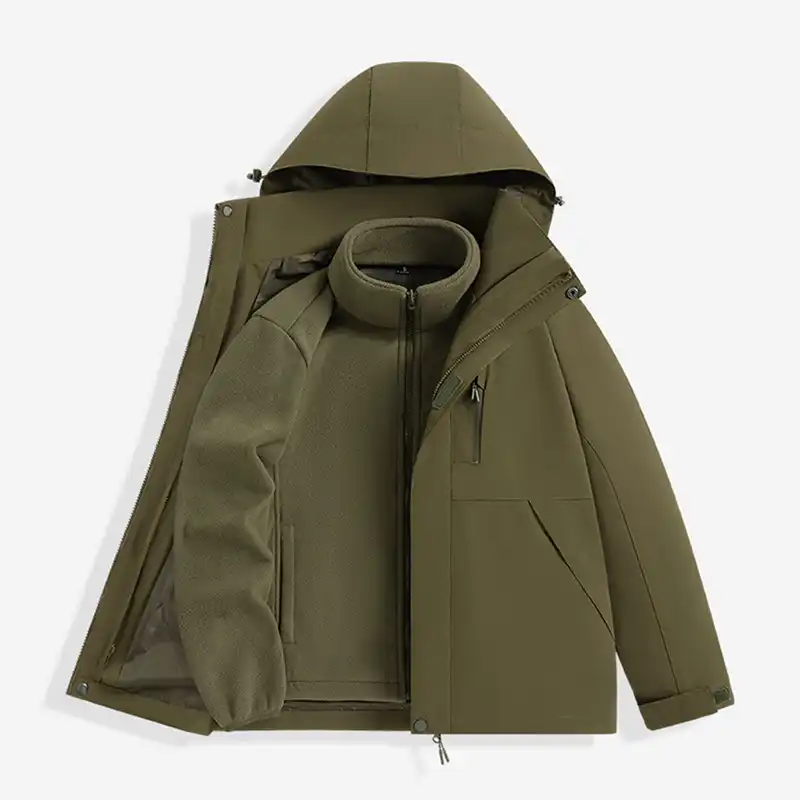
Activewear softshell jackets are stretchy, breathable, and weatherproof. These adaptable clothes are good for moderate weather but may need layering in extreme cold. Hardshells use waterproof membranes for ultimate weather protection. These coats excel in harsh situations but may trade breathability for protection. Choose softshell flexibility or hardshell durability based on activity intensity.
Fleece Lining Benefits
Fleece lining is moisture-wicking and toasty. Good fleece insulation is damp-resistant and dries quickly. Choose a winter coat with anti-pill treatments to maintain looks and performance.
Lightweight Adventurer Gear
Packable travellers and minimalist adventurers benefit from lightweight coats. Modern fabrics offer great warmth-to-weight without sacrificing protection. Compact designs are ideal for on-the-go use and storage.
Fit and Sizing Considerations
Proper fit matters
Winter sports are more comfortable and effective with proper fit. Outdoor coats need space for insulating layers and movement. Warmth and movement are improved by a well-fitted coat in cold weather.
Sizing and Layering
When choosing coat sizes, consider layering. Base, insulating mid-layers, and outer shells provide complete protection. These layers should fit without constricting or hindering arm movement in your coat. Check arm, shoulder, and torso flexibility when trying on alternatives to guarantee comfort.
Changes in Coat Length Protect and Move
Extension affects protection and functionality during certain activities. Longer coats cover more but may hinder leg movement during dynamic activities. Shorter designs increase mobility but may expose lower backs. For best performance, adapt coat length to main usage and personal preferences.
Fit customization with adjustability
Adjustable characteristics suit varied activities and situations. Cuff adjustments accommodate gloves and minimize sleeve gaps, while hem drawstrings block drafts and modify coverage. Adjusting waists improves heat retention and creates flattering lines, making your coat fit your demands and enrich winter.
Activity-Specific Coat Selection
Outdoor-specific coat traits
For maximum performance, different outdoor activities require different coats. Selecting the right winter gear requires understanding each activity's needs.
Hiking: Airflow and Breathability
Hiking and trail activities benefit from breathable textiles that control temperature. Look for pit zips for easy temperature adjustments without removing the garment. These features improve ventilation and reduce overheating on difficult trails.
Thermal Coverage for Camping and Static Activities
Campers and static outdoor activities need maximum weatherproofing. Suitable for cold evenings and long days outdoors, down-filled or fully insulated synthetic parkas provide necessary warmth. When sitting or crouching, larger lengths cover more body surface area and provide full weather protection.
Winter sports: Visibility and Function
Winter sports require powder skirts, goggle pockets, and lift ticket attachments. For visibility and safety, ski and snowboard clothing are brightly colored. Provide enough ventilation to manage heat accumulation during intensive activity for a pleasant and enjoyable experience.
Style and Function in Urban Winter Wear
Urban winter gear pairs style with daily utility. Weatherproof, business-appropriate designs look professional. Look for subtle features that add style and performance to urban apparel to stay warm and trendy.
Quality Indicators and Durability
Construction Quality Matters
Construction quality impacts winter coat durability and value. To ensure a garment can resist extreme conditions, it's important to inspect its construction when shopping.
Evaluation of Seam Construction and Reinforcements
A coat's quality depends on seam construction, zipper quality, and hardware durability. Strong stress areas prolong garment life and safeguard against wear and tear. Durable coats perform effectively year-round.
Denier Ratings for Fabric
Denier rankings indicate fabric strength and abrasion resistance. Higher denier numbers indicate durability, which is useful for outdoor activities. Durability must be balanced with expected use patterns and weight preferences, as thicker materials may add bulk.
Longevity and Zipper Quality
Quality zippers affect garment durability and weather protection. Test zippers for smooth operation and choose reputed brands. Weatherproof zippers prevent moisture infiltration and retain functionality in cold weather, keeping your coat useful throughout winter activities.
Evaluation of Hardware Durability
Buckles, cord locks, and snaps should have smooth operation and corrosion resistance. All adjustable features must be tested to verify good function and range. Winter coats are more durable and reliable with high-quality hardware.
Maintenance and Care Guidelines
Maintenance Matters
Maintenance increases coat life and preserves performance, keeping winter clothing effective for many seasons. Material and function integrity requires regular upkeep.
Cleaning Methods for Performance
Cleaning regularly removes dirt, oils, and salt that damage fabric treatments. To protect specialized coatings and insulation, follow manufacturer washing directions. These rules will assist preserve the coat's performance.
Selecting Washing Supplies
Tech-washing treatments keep fabrics performing better than detergents. Standard detergent residues can diminish breathability and water repellency, reducing coat effectiveness. Specialized cleaners for technical outdoor gear will keep your coat in great shape.
Impact of Drying Methods
Drying affects insulating loft and fabric integrity greatly. Heat can melt membrane layers and harm synthetic materials. Material characteristics are preserved by air drying, but it takes time and ventilation. Tumble drying on low heat can restore down loft if handled judiciously, balancing efficiency and material care.
Reproofing for Durability
After coatings wear away, water repellency of an outdoor coat must be restored via reproofing. Apply these products after cleaning or after water shedding decreases. Wash-in, spray, and heat-activated solutions are available to suit your needs.
Budget Considerations and Value Assessment
Evaluation of Winter Coat Investments
Quality tiers and feature sets vary greatly in investment. To decide the right winter coat investment, evaluate your usage patterns and performance needs.
Cost-Per-Wear Analysis
Long-term value propositions are assessed using cost-per-wear. Despite greater initial prices, higher-quality clothing last longer and perform better, providing better value. Consider usage frequency, longevity, and performance needs while budgeting to make smart choices.
Capitalizing on Sales and Previous-Year Models
Budget-conscious shoppers can find great deals on end-of-season and previous-year models. Since core protective technologies rarely change between seasons, older versions are still good selections. Focus on important features over fashion trends to optimize purchasing value.
Warranty coverage's importance
Warranty coverage protects against faults and shows manufacturer trust. High-quality brands offer extensive warranties. To avoid complications, you should grasp coverage terms and claim procedures before buying.
Conclusion
Welston delivers nearly three decades of knowledge in professional outerwear manufacturing, serving major brands across Europe, North America, and beyond. Ten specialized lines with state-of-the-art Japanese JUKI and Taiwanese SHINLING machinery are part of our advanced production capabilities, which guarantee reliable quality and effective delivery schedules. As a reputable outdoor coat manufacturer, we blend sustainable fabrics with revolutionary weatherproofing methods to satisfy the exacting standards of today's outdoor garment market. Contact [email protected] to discuss your custom outdoor coat requirements and see how our proven production skills can boost your product line.
References
1. American Alpine Institute. "Layering Systems for Winter Mountain Activities." Mountain Safety Research Journal, vol. 15, no. 3, 2023, pp. 42-58.
2. Chen, Maria and David Thompson. "Synthetic vs. Down Insulation: Performance Analysis in Extreme Conditions." Outdoor Gear Technology Quarterly, vol. 8, no. 2, 2023, pp. 112-128.
3. European Committee for Standardization. "Protective Clothing Against Cold: Testing Methods and Performance Requirements." Technical Standards Review, vol. 31, no. 4, 2023, pp. 203-219.
4. Johnson, Robert K. "Waterproof Breathable Fabrics: Engineering Advances in Outdoor Textiles." Journal of Technical Textiles, vol. 45, no. 1, 2024, pp. 67-83.
5. Nordic Research Institute. "Heat Loss Mechanisms in Cold Weather Clothing Systems." Applied Thermal Engineering, vol. 198, 2023, pp. 445-462.
6. Wilson, Sarah L. "Sustainable Materials in Outdoor Apparel: Environmental Impact and Performance Trade-offs." Sustainable Fashion Technology, vol. 12, no. 3, 2023, pp. 78-94.

We specialize in designing, producing, and selling corporate clothing. Mainly produces: industrial clothing, business uniforms, and work clothes for different companies.

About Welston Garments


