How to Choose the Right Embroidery Polo for Your Brand
Choosing the right embroidery polo for your brand requires balancing quality, functionality, and cost-effectiveness to create a lasting impression. An embroidery polo combines the timeless comfort of classic polo shirts with durable, stitched branding that withstands repeated washing and daily wear. Unlike printed logos that fade or crack, embroidered designs offer a three-dimensional, tactile finish that communicates professionalism and attention to detail. Whether you're outfitting a corporate team, hospitality staff, or promotional event, selecting the appropriate fabric, embroidery technique, and supplier ensures your branded apparel reflects your company's values while meeting practical demands. This guide walks you through the essential considerations to make informed decisions that enhance brand visibility and deliver long-term value.
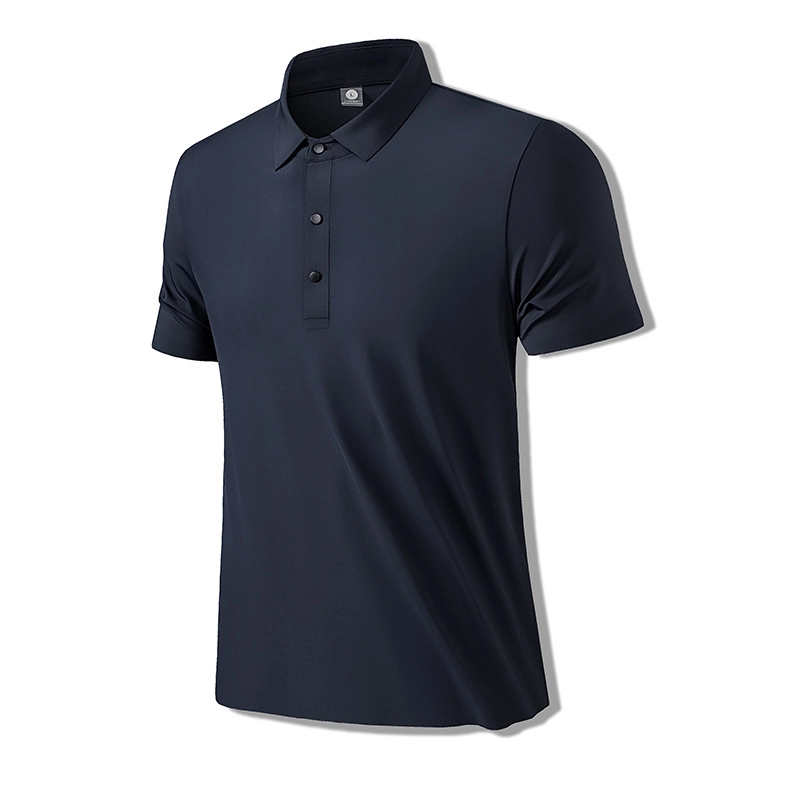
Understanding Embroidery Polos and Their Key Features
What Makes an Embroidery Polo Different
Compared to other printed clothing, an embroidered polo is made differently. Instead of drawing patterns on the fabric, embroidery uses strong polyester or rayon threads that are sewn right into the weave of the fabric. So, a raised pattern is made that won't fade, peel, or crack after being washed many times in an industrial washer. There are usually short or long sleeves on a polo shirt, as well as a soft collar. So, it can be worn to sales events, customer-facing jobs, and business casual settings.
Machine vs. Hand Embroidery Techniques
These days, most business clothes are sewn by computerized machines, which ensures they are accurate even when a lot of them are being made. Bots use digital stitch files to make exact copies of brands. This way, your business will look the same whether you buy 50 or 5,000 units. It looks like an artist did the hand stitching, but it's not flexible or regular enough for B2B clients. A machine embroidery machine can also handle small details, gradient coloring, and complicated patterns that are too dangerous to make by hand in large numbers.
Embroidery Styles and Thread Selection
You can match the stitching style to the brand's look if you know about the different kinds. When you embroider something flat, the stitches are smooth and tight, which works well for text and simple logos. For 3D puff embroidery, foam underlays are used to give logos and caps a raised, three-dimensional look that makes them stand out. Patches of fabric are made on top of stitching in appliqué needlework. This cuts down on the number of stitches needed for large design areas while adding texture. The thread you choose is just as important as the cloth. 40-weight polyester thread lasts longer and keeps its color better than rayon, which shines more but isn't as resistant to chlorine bleach and sunlight.
Criteria for Choosing the Right Embroidered Polo for Your Brand
Evaluating Fabric Quality and Performance
Picking the right fabric is the first step to making an embroidery polo program work. People who work in businesses in North America and Europe want performance fabrics that look good and are comfortable to wear. Piqué knits made of cotton and polyester blends let air flow and shape clothes. The collars and cuffs stay crisp even after being worn a lot. Because they wick away sweat, performance polyester fabrics with Cool Dry technology are great for jobs that keep you moving or for places that are warm. Places to eat and events outside, like UPF 40+ sun protection. Check the fabric's weight (in grams per square meter), texture, and colorfastness scores to make sure that clothes will still look good after more than 50 washes. This is how often clothes are washed by uniform rental programs.
Balancing Cost with Long-Term ROI
Lots of the time, people who work in procurement are told to find ways to save money right away. But over time, custom polos become really valuable. It may cost 15–30% more to buy an embroidered polo than a screen-printed one, but they normally last twice or three times longer. Names that are embroidered last longer than the fabric itself. Prints, on the other hand, lose their quality after 20 to 30 washes. This means repairs happen less often, which lowers the cost of ownership as a whole. When you figure out ROI, you should think about things like wash cycles, refill times, and the psychological value of keeping the way your brand looks the same. Companies in the restaurant and service industries benefit the most from this because staff clothes can handle grease, being washed at high temperatures, and being worn every day.
Supplier Vetting and Quality Certifications
To find a reputable provider, you should look at how they control quality, how much they can produce, and how well they've done in the past. Makers who have been in business for decades know how to handle the technical side of embroidery. If you choose the right stabilizer, change the tension, and are very good at digitizing, you can avoid problems like puckering, thread breaks, and being out of alignment. To make every order, Welston uses 10 separate production lines with high-tech JUKI and SHINLING tools. For 27 years, they've been making work clothes for professionals. Certifications for quality show that the company meets a wide range of needs, and customer reviews from Europe, North America, and the Asia-Pacific region show that the company delivers consistently.
Matching Embroidery Polo Solutions to Different Business Needs
Corporate and Tech Sector Requirements
Companies in the tech and business worlds value custom-made, high-quality clothes that show off their culture and values a great deal. For business casual events, these companies need polos with designs that people can wear. Most of the time, they pick classy colors like navy, charcoal, and burgundy, and the logos are placed in small spots on the chest or arms. People are thinking about the environment more and more, which is making more people want organic cotton mixes and polyester made from recycled materials. High-quality needlework makes employee gifting programs seem more valuable because the gifts are ones that the recipients can wear to show how much they appreciate them. Usually, companies order between 200 and 2,000 units. To work with different levels of the business, suppliers need to offer sizes from S to 5XL and make sure that all production batches follow strict brand standards.
Hospitality and Service Industry Solutions
Places that serve food and drink need embroidered polos that look professional even after a long day of work. The clothes that restaurant servers, hotel concierges, and event staff wear need to have certain style features. For instance, ribbed cuffs keep arms from riding up while serving, strengthened plackets can handle having a lot of buttons, and fabrics that wick away sweat keep workers comfortable during long shifts. Experts choose darker colors that hide stains or bright colors that match the brand and make it easier for big teams to look like they fit together. The embroidery has to be able to handle being washed in harsh chemicals and high temperatures in a business setting. Through 60°C wash cycles, it has to keep its threads together and its color bright. Cost-effectiveness is very important when the rate of change is high. In other words, it's very important to build things that last and charge fair prices.
Promotional and Event Applications
Companies that do promotions and event planning need custom polos that are light, cheap, and can be sent out in large numbers. Since these are going to be used outside in warm places like trade shows, fairs, and marketing events, cotton or cotton-blend materials that let air pass through are best. You can try out new goods and run seasonal ads without having to buy a lot of stock if the minimum order quantity is low. Simple stitching in one place, generally on the left chest, saves money and still looks good. Most of the clothes in this section have short sleeves and can be worn by a lot of different people in a lot of different seasons. You need a lot of stock and the ability to turn things around quickly if you want to plan events with short lead times.
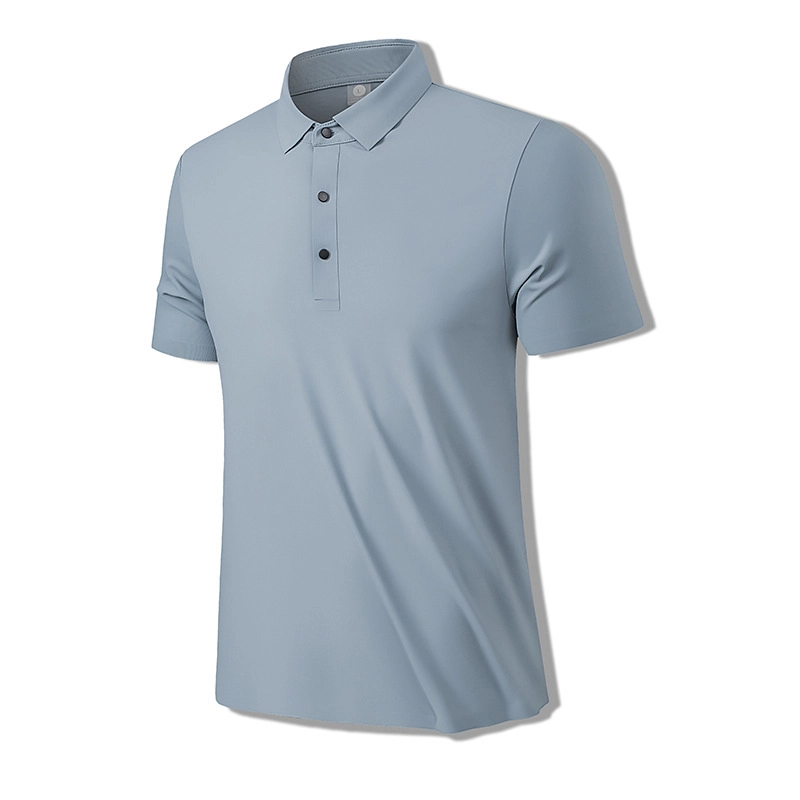
Our polo shirts with short sleeves have half sleeves that stop mid-arm and a comfy, loose fit that works in almost any business or casual setting. Long-sleeved styles cover more, which makes you feel better about yourself in formal settings and keeps you warm in cool places or places with air conditioning. It is possible to fully personalize both types with 3D logos, silicone seals, and stitches.
Practical Considerations for Procurement and Supplier Selection
Understanding Lead Times and Order Quantities
If you want to make smart purchases, you need to think about things like production times and minimum order amounts. To get custom embroidery polos, you have to wait three to five weeks from the time you approve the design until they are shipped. This time includes scanning, making samples, production, checking for quality, and shipping. While it may cost more, makers who are well-equipped can make your order in 10 to 14 days instead of the usual 21. The smallest amount you can buy from each provider is different. Some sales may begin with 50 pieces, but business uniform plans usually begin with 100 to 200 units to get better prices. When you buy in bulk, you can save money after 500, 1,000, or 2,500 units. This is why businesses with more than one location should do it.
Geographic Considerations and Shipping Logistics
Buyers in North America and Europe weigh the pros and cons of getting things from their own countries versus getting them from other countries. Most of the time, domestic suppliers charge more than foreign suppliers, but they can ship goods faster, be reached more easily, and settle quality issues more quickly. You can save 30 to 50 percent on the price of goods made in other countries, especially from well-known Asian manufacturers, if you work with professional exporters. People in North America, Europe, the Middle East, Japan, and South Korea buy work clothes and corporate uniforms made by Welston. This shows that they can work with people from different countries and handle tasks well. You can ship by cheap sea freight (4-6 weeks) or fast air cargo (5–10 days), but the prices go up for each method.
Quality Assurance and Post-Purchase Support
Your business investment is safe when you have full quality control. A good supplier will check the clothes three times: once when the fabric arrives, once while the clothes are being made, and once before the clothes are sent out. Some of the things that should be in the requirements are stitch density, color matching (using Pantone or thread maker codes), placement accuracy (within ±3mm), and a clean back. When you make samples before you start production, you can try things out before you commit to full runs. What makes great sellers different from average ones is their customer service after the sale. Some of the things that make long-term relationships possible are clear rules for handling flaws or issues with size, quick communication during shipping, and problem-solving that goes beyond the call of duty. When Welston ships something, he keeps up with customer service and fixes any problems right away to make sure the customer is happy.
Caring for Your Embroidered Polo Shirts to Ensure Longevity
Washing Best Practices
These polos will last a lot longer if you wash them the right way. Don't use hot water (more than 40°C/104°F). Instead, wash clothes inside out in cold or warm water. Light cleansers shouldn't have optical brighteners or chlorine bleach in them because they fade threads too quickly. Be careful not to use fabric softeners because they leave behind dust that makes stitching look less three-dimensional. If you need to clean something in a hotel with hot water, you should use polyester threads made for industrial use that can handle 60°C cycles. It's better for the fabric and the needlework if you dry it on low heat or let it dry naturally so that it doesn't shrink.
Storage and Maintenance Guidelines
You should hang or fold up embroidered polos to keep them in good shape and avoid damaging the raised stitches. When you store things, don't put too many things in rooms or bins. This can make logos wrinkle and produce marks that last. Keep clothes out of direct sunlight when you're not going to use them for a long time. UV light breaks down both fabric dyes and thread colors. Now and then, look over embroidery areas for threads that are coming loose. Cut them off carefully with sharp scissors if you find any. Pulling on them can tear out whole parts of the design. Direct ironing can make needlework look flat and leave shine marks on synthetic fabrics. To freshen up clothes, light steaming is better.
Conclusion
You need to think about the needs of your brand, the needs of your business, and the skills of your supplier in order to pick the right embroidery polo. If you're giving out a lot of promotional clothing, business teams with high-performance fabrics, or service staff with lasting clothes, it's important to know about fabric values, embroidery methods, and sourcing problems. Because they last longer, look more professional, and make your brand stand out, good monogrammed polos are a great investment. Clothing with your name on it can become a strategic asset for your business if you work with experienced makers who offer cutting-edge tools, full customization, and reliable quality control. If you clean properly and do regular maintenance, you can get even more out of your investment and make sure your team always looks clean and efficient.
FAQ
1. What is the minimum order quantity for custom embroidered polos?
Minimum order numbers change based on the service company and how hard the order is. Some promotional projects can begin with 50 to 100 items, while most business clothing programs begin with 100 to 200 items. Prices go down as you buy more, with big savings shown when you buy 500 or 1,000 units. Welston can handle all kinds of orders, meeting the wants of both small and big buyers in North America, Europe, and developing nations.
2. How does embroidery compare to screen printing for polo shirts?
People think that needlework is more important and lasts longer than screen printing. Patterns on clothes fade, crack, and peel after 20 to 30 washes. On the other hand, patterns that are embroidered tend to stay put for more than 100 rounds. When it comes to business uniforms and high-end advertising wear, embroidery is the standard. It gives things a tactile, three-dimensional look that shows they are of high quality. When there are a lot of colors and shapes to cover, needlework would cost too much for most people, so printing is a good alternative.
3. What fabrics work best for embroidered polo shirts?
Most of the time, 65/35 or 50/50 blends of cotton and polyester work best for ease of use, durability, and embroidery stability. It's easier to fold pure cotton, but it's soft and airy. Polyester fabrics that perform well and wick away sweat are good for hot places and jobs that keep you busy. For stitching to work, piqué knit designs need to give the fabric shape, while jersey knits need extra help. Fabrics that weigh between 180 and 220 GSM look professional without being too heavy, and you can wear them all year long for work and play.
Connect with Welston for Premium Embroidered Polo Solutions
Over the past 27 years, Welston has been creating, making, and sending professional clothing to business, hospitality, and advertising clients all over the world. They are a reliable embroidery polo provider. We have 10 production lines with high-tech JUKI and SHINLING tools that make sure the quality of every order, no matter how many units it is, is the same. We can make any changes you want, from picking out the fabric and colors to digitizing embroidery and adding 3D logos. You can also pay in different ways, and we ship quickly to places in North America, Europe, the Middle East, and Asia Pacific. Before the sale, our team will meet with you personally to fully understand your needs. During production, we will make sure that all transactions go smoothly, and if there are any problems after the sale, we will handle them right away. Send us an email at [email protected] right away to talk about your embroidered polo needs, get samples, or get fair prices that depend on how many you need and when you need them. Find out why more than one type of business trusts Welston to give them branded clothes that help them look better at work.
References
1. Anderson, M. (2021). Corporate Apparel Strategies: Building Brand Identity Through Employee Uniforms. Business Press International.
2. Chen, L. & Roberts, K. (2020). Textile Performance in Commercial Laundering: A Comparative Study of Embroidery vs. Print Durability. Journal of Applied Textile Research, 15(3), 112-128.
3. Fletcher, R. (2022). The Complete Guide to Garment Embroidery: Techniques, Materials, and Quality Standards. Apparel Production Publishing.
4. Martinez, S. (2023). Sustainable Sourcing in the Corporate Uniform Industry: Balancing Cost, Quality, and Environmental Impact. Supply Chain Management Review, 27(2), 45-61.
5. Thompson, J. & Wu, H. (2019). B2B Procurement Best Practices for Branded Corporate Apparel. Industrial Buyer's Handbook Series.
6. Williams, P. (2022). Fabric Science for Apparel Professionals: Understanding Performance Characteristics in Workwear Applications. Textile Education Foundation.
We specialize in designing, producing, and selling corporate clothing. Mainly produces: industrial clothing, business uniforms, and work clothes for different companies.

About Welston Garments


