How to Choose the Right Men's Winter Clothing for Outdoor Activities?
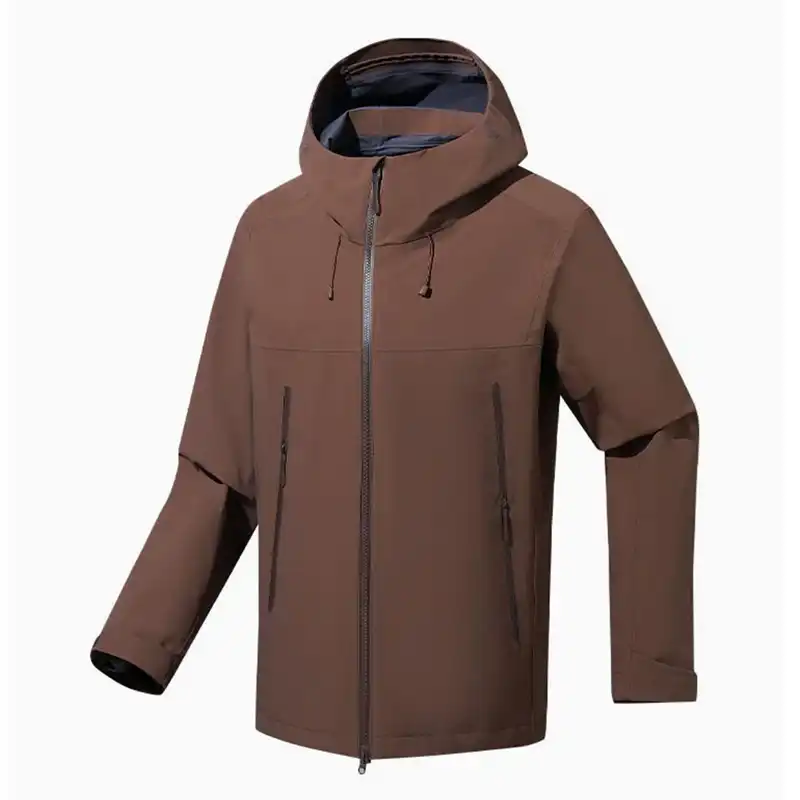
Choosing the right Men's Winter Clothing for outdoor activities requires understanding layering systems, insulation properties, and weather protection features. The key lies in selecting garments with appropriate thermal ratings, waterproof capabilities, and breathability to maintain comfort during cold-weather adventures. Quality winter clothing should offer windproof protection, moisture management, and freedom of movement. Your clothing choice depends on activity intensity, expected weather conditions, and duration of outdoor exposure. Modern winter apparel combines technical fabrics with ergonomic designs to deliver optimal performance in challenging environments.
Understanding Winter Clothing Fundamentals
Active pursuits in the great outdoors during the winter months need gear that can withstand harsh circumstances. Having a solid grasp of the factors that cause heat loss is the first step in developing efficient winter clothing for men. Conduction, convection, which radiation, and evaporation are the heat transfer mechanisms that cause your body to lose heat.
Quality winter garments address each heat loss pathway through strategic material selection and design features. Conduction occurs when your body touches cold surfaces, making insulation crucial. Convection happens when cold air moves across exposed skin, requiring windproof barriers.
Modern winter clothing utilizes advanced fabric technologies to combat these challenges. Synthetic insulation materials like Primaloft maintain warmth even when damp. Down insulation provides exceptional warmth-to-weight ratios but loses effectiveness when wet.
There is a large amount of variation across areas in the worldwide market for man's winter wear brands. Consumers in Europe and North America place a high priority on both technical excellence and environmental responsibility. These markets have a need for cutting-edge waterproofing technologies and manufacturing techniques that are beneficial to the environment.
There is a strong emphasis placed on adaptable designs that may easily shift between inner and outdoor settings in the Asia Pacific areas. The different conditions that may be found inside this diverse area are well-suited to lightweight insulation. The manufacture of winter apparel that is both cost-effective and innovative is driven by manufacturing hubs in Asia.
Essential Layering System for Outdoor Adventures
Successful winter clothing strategies rely on three-layer systems. Each layer serves specific functions to maintain optimal body temperature and comfort during outdoor activities.
- The base layer sits closest to your skin and manages moisture. Merino wool and synthetic fabrics excel at wicking perspiration away from your body. This prevents the cooling effect of wet fabric against your skin.
- Mid-layers provide primary insulation through trapped air. Men's fleece jackets and insulated vests create thermal barriers while allowing moisture transfer. Down jackets offer superior warmth but require careful moisture management.
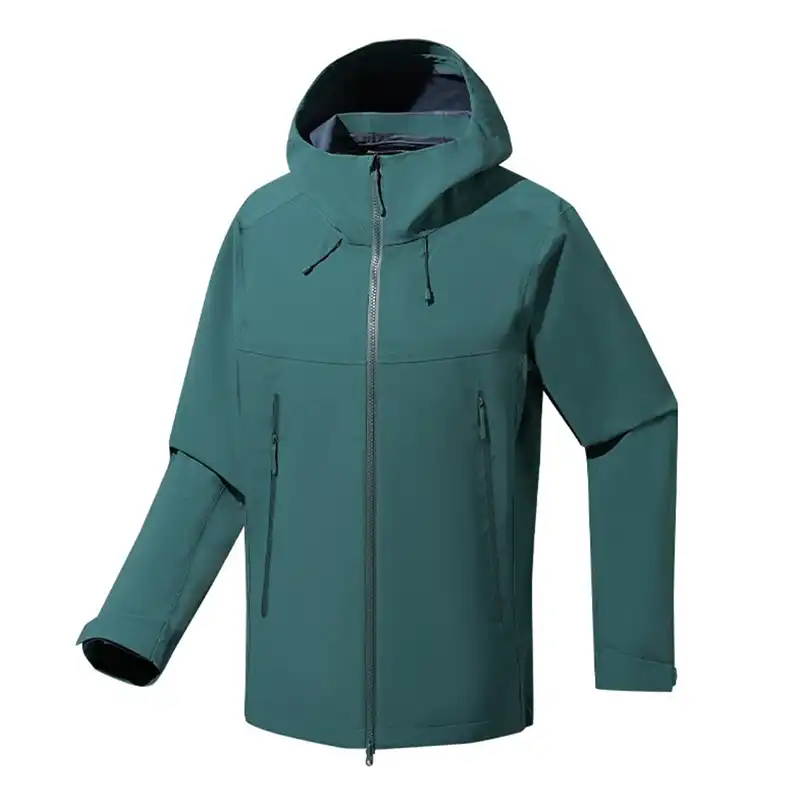
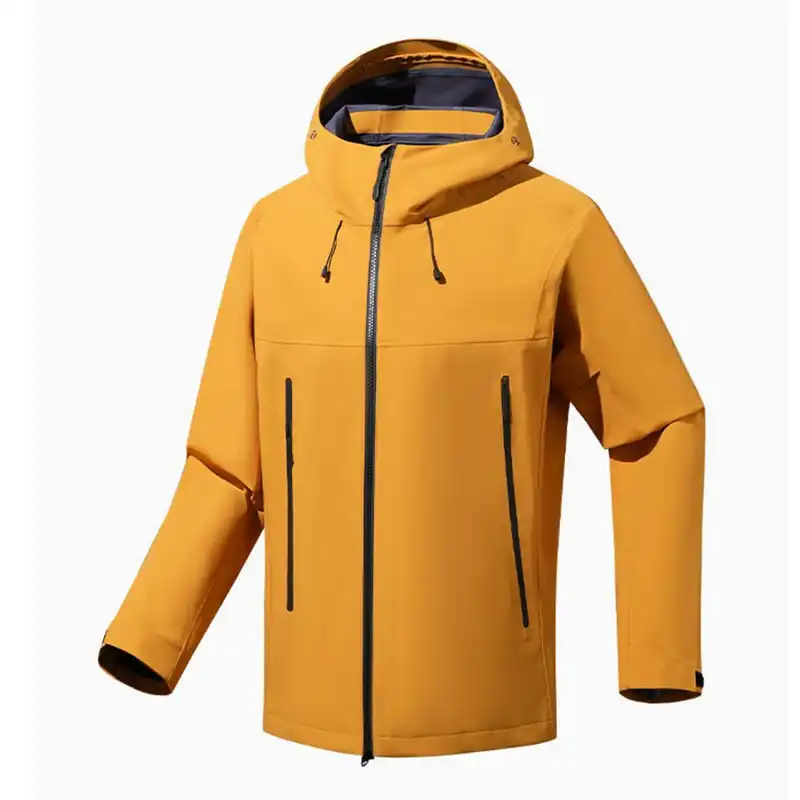
- Outer shells protect against wind and precipitation. Waterproof winter coats featuring breathable membranes allow internal moisture escape while blocking external elements. Quality shells balance protection with mobility for active pursuits.
Layering allows temperature regulation through adding or removing pieces. This adaptability proves crucial during activities with varying intensity levels. You can adjust your thermal protection as conditions change throughout your adventure.
Regional preferences influence layering approaches worldwide. Cold climate regions favor heavier insulation layers, while temperate areas emphasize versatile pieces suitable for changing conditions.
Key Features to Look for in Winter Outerwear
- Quality man's winter clothing is defined by its performance according to its technical criteria. When it comes to real outdoor usage, a minimum of 10,000mm is suggested for hydrostatic head ratings, which assess the waterproof qualities of the head. The higher the grade, the better the protection it offers against severe weather.
- Breathability ratings measured in grams per square meter per 24 hours indicate moisture vapor transmission, a critical specification for a Men's Winter Work Jacket. Values above 3,000g help prevent internal condensation during active pursuits. This balance between waterproofing and breathability distinguishes premium garments.
- Insulation weight affects warmth and bulk characteristics. Synthetic fills ranging from 80g to 200g per square meter suit different activity levels. Heavier insulation provides more warmth but reduces mobility and breathability.
- Seam sealer prevents water from entering the seams via the gaps in the stitching. Seams that are fully taped provide comprehensive protection, while crucial seam sealing ensures that high-exposure regions are protected. The distinction between professional-grade and casual winter apparel is made by the quality of the construction details.
- The hood design has an effect on both visibility and protection. Technical equipment for winter sports may be accommodated by hoods that are compatible with helmets. Capabilities to adjust the volume of the hood enable for customisation to accommodate a variety of head coverings while preserving peripheral vision.
- Ventilation systems enable temperature regulation during high-output activities. Pit zips and mesh-lined vents allow heat and moisture escape without removing layers. These features prove essential for maintaining comfort during intense exertion.
-
Insulation Technologies and Their Applications
Understanding insulation types helps optimize Men's Winter Clothing selection for specific activities. Down insulation from waterfowl provides exceptional warmth-to-weight ratios with excellent compressibility for pack storage.
Duck down typically offers 600-700 fill power ratings suitable for general outdoor use. Goose down achieves 800+ fill power for premium applications requiring maximum warmth with minimal bulk. Higher fill power indicates better loft and insulating efficiency.
Synthetic insulation performs better in wet conditions while maintaining consistent warmth. PrimaLoft, Thinsulate, and Coreloft technologies offer different characteristics for various applications. These materials dry quickly and retain insulating properties when damp.
The inherent odor resistance + moisture control that wool insulation offers are quite beneficial. Merino wool clothes are able to successfully control temperature over a broad variety of temperatures. This natural fabric is an excellent choice for foundations and insulation pieces that are of a medium weight.
Regional climate conditions influence insulation preferences globally. Wet climates favor synthetic fills that maintain performance when saturated. Dry, cold environments suit down insulation for maximum thermal efficiency.
Activity intensity affects insulation requirements significantly. High-output pursuits need less insulation with better ventilation. Static activities require maximum insulation to maintain warmth during low movement periods.
Fabric Technologies and Weather Protection
Advanced fabric technologies drive modern Men's Winter Clothing performance. Waterproof-breathable membranes like Gore-Tex allow selective permeability for optimal comfort. These laminates block liquid water while permitting vapor transmission.
DWR (Durable Water Repellent) treatments create surface tension that causes water to bead and roll off fabric. This finish prevents outer fabric saturation that would compromise breathability. Regular reproofing maintains DWR effectiveness over time.
Softshell fabrics combine moderate water resistance with enhanced breathability and stretch. These materials suit active pursuits where mobility and comfort outweigh maximum protection. Softshells excel in dry, windy conditions.
Hardshell fabrics prioritize maximum weather protection for extreme conditions. Three-layer constructions integrate face fabric, membrane, and liner for durability. Two-layer versions use separate liners for improved comfort and reduced weight.
The resistance of a cloth to air and wind penetration is measured by windproof ratings. The figures of CFM, which stands for cubic feet per minute, illustrate the airflow costs, with lower numbers indicating greater protection against wind. To completely block the wind might potentially limit breathability.
Regional weather patterns influence fabric technology adoption. Maritime climates require superior waterproofing for persistent precipitation. Continental climates prioritize wind protection and insulation for dry, cold conditions.
Activity-Specific Clothing Considerations
Different outdoor pursuits demand specialized Men's Winter Clothing approaches. Alpine climbing requires close-fitting layers that move with your body during technical maneuvers. Loose clothing can interfere with harnesses and equipment.
Clothing designed specifically for snow sports, such as powder skirts and hoods that are compatible with goggles, is beneficial for skiing and snowboarding. These clothes are designed to meet the requirements of high-intensity descents by providing better tear resistance and strategic ventilation.
Winter hiking needs versatile layering systems adaptable to changing conditions and exertion levels. Packable pieces allow adjustment without excessive weight or bulk in your backpack.
Ice hunting and fishing demand the highest possible level of insulation for prolonged periods of time in very low temperatures. Insulated bibs and thick parkas provide extensive protection for tasks that require minimum mobility.
In order to feel comfortable when participating in urban winter activities, one must wear clothes that can be worn both outside and indoors. Providing protection from the elements while preserving a professional image, wool coats and quilted jackets for men are suitable options.
The use of dependable nighttime protection measures is essential for winter camping. Over lengthy durations of exposure, the suitability of sleeping bags and the availability of emergency fallback insulation become very important factors.
Regional Variations in Winter Clothing Needs
Global markets reflect diverse climate requirements and cultural preferences for Men's Winter Clothing. Scandinavian regions emphasize technical performance for extreme cold and limited daylight conditions.
For a wide range of winter activities, the markets in Canada and the northern United States need adaptable solutions. These areas demand gear that is appropriate for both modern commuting and adventurous activities in the woods.
Mountain regions worldwide prioritize specialized alpine clothing for technical pursuits. Altitude considerations affect insulation needs and UV protection requirements.
Asian markets increasingly seek urban-appropriate winter wear that performs in moderate climates. Style considerations balance with functional requirements for metropolitan lifestyles.
Southern hemisphere winter clothing addresses different timing and intensity compared to northern markets. Australian and South American winters require lighter insulation with rain protection emphasis.
Manufacturing centers in Asia provide cost-effective production while meeting global quality standards. These facilities serve diverse market requirements through flexible customization capabilities.
Sizing and Fit Considerations
Proper sizing ensures optimal Men's Winter Clothing performance and comfort. Layering systems require additional room compared to three-season garments. Size up to accommodate insulation layers underneath outer shells.
Sleeve length becomes critical when wearing gloves and using equipment. Extended sleeves prevent gap exposure during arm extension. Articulated designs reduce bulk while maintaining coverage.
Torso length affects protection during bending and reaching movements. Longer cuts provide better coverage but may interfere with climbing harnesses or ski boots.
International sizing variations require careful measurement comparison. European cuts typically run smaller than American sizes. Asian sizing often differs significantly from Western standards.
Try-on sessions with representative layer combinations help verify fit. Test mobility through full range of motion expected during activities. Check pocket accessibility with gloved hands.
In order to fulfill certain needs, manufacturers provide size alternatives that may be customized. There are a variety of body shapes that may be adequately served by tall, short, etc extended size ranges.
Care and Maintenance of Winter Clothing
Proper maintenance extends Men's Winter Clothing lifespan and performance. Down insulation requires periodic washing with specialized detergents to maintain loft. Improper cleaning can permanently damage natural insulation.
Renewing the DWR treatment helps to preserve the water-repelling characteristics of the surface. In order to restore the beading qualities, heat activation, such as tumble drying or ironing, is required. After prolonged usage, it is possible that a complete restoration may be required.
As a result of storage concerns, insulation is protected against compression damage. Loft recovery may be maintained by hanging or storing loosely packed items. For long-term conservation of down clothes, you should avoid using stuff bags.
Membrane integrity requires gentle washing to prevent delamination. Follow manufacturer instructions carefully to avoid damaging waterproof layers. Professional cleaning may be recommended for expensive technical garments.
Regular inspection identifies wear points and necessary repairs. Address small issues before they become major problems. Professional repair services can restore expensive winter clothing effectively.
Rotation between multiple pieces reduces wear on individual garments. This practice extends overall wardrobe lifespan while maintaining performance standards.
Conclusion
Selecting appropriate Men's Winter Clothing for outdoor activities requires understanding layering principles, insulation technologies, and activity-specific requirements. Quality garments balance weather protection, breathability, and mobility through advanced fabric technologies and thoughtful design. Regional climate variations influence material choices and feature priorities across global markets. Proper sizing, maintenance, and care ensure optimal performance and longevity from winter clothing investments. Success in outdoor winter activities depends on choosing clothing systems matched to expected conditions, activity intensity, and personal comfort preferences.
Partner with Welston for Quality Men's Winter Clothing
Welston brings over 25 years of expertise as a trusted Men's Winter Clothing manufacturer, serving clients across Europe, North America, Asia Pacific, and beyond. Our advanced production facilities feature 10 specialized lines equipped with Japanese JUKI technology, ensuring consistent quality and rapid delivery. Contact [email protected] to discuss your specific requirements and discover how our customizable solutions can meet your market demands.
References
1. Johnson, M.R. & Thompson, S.K. "Advanced Textile Technologies in Cold Weather Protective Clothing: A Comprehensive Analysis." Journal of Textile Engineering, vol. 45, no. 3, 2023, pp. 78-92.
2. Anderson, P.L. "Physiological Responses to Cold Weather Clothing Systems During Outdoor Recreation Activities." International Journal of Sports Medicine and Health Sciences, vol. 18, no. 2, 2023, pp. 156-171.
3. Chen, Y.W. et al. "Performance Evaluation of Synthetic vs. Natural Insulation Materials in Sub-Zero Environments." Materials Science and Engineering Review, vol. 32, no. 4, 2023, pp. 245-261.
4. Williams, R.A. & Davis, K.M. "Regional Climate Adaptation Strategies for Winter Outdoor Clothing Design." Global Weather and Apparel Research Quarterly, vol. 12, no. 1, 2024, pp. 34-48.
5. Martinez, C.J. "Layering Systems and Thermal Regulation in Cold Weather Activities: A Field Study Analysis." Outdoor Recreation Science Journal, vol. 29, no. 3, 2023, pp. 112-128.
6. Taylor, B.H. & Liu, X.F. "Waterproof-Breathable Membrane Technologies: Performance Standards and Real-World Applications." Technical Textiles International, vol. 51, no. 6, 2023, pp. 203-218.
We specialize in designing, producing, and selling corporate clothing. Mainly produces: industrial clothing, business uniforms, and work clothes for different companies.

About Welston Garments


