How to Choose the Right Safety Workwear for Your Job?
Workplace dangers, compliance standards, and worker comfort must be considered when choosing safety clothing. The ideal protective gear combines safety, functionality, durability, and affordability. OSHA and EN-certified safety workwear guards against occupational dangers. This comprehensive guide helps you choose protective equipment that protects your personnel and boosts productivity and brand image.
Understanding the Importance of Safety Workwear
Worker safety clothing protects against workplace dangers in several industries. This specialist gear resists fire, chemical, and environmental extremes and is durable, visible, and resistant.
Defining Safety Workwear and Its Core Functions
Workplace safety technologies and materials make professional product more than just apparel. These clothing have reinforced construction, specialty textiles, and occupational risk-specific design. Modern protective gear is comfortable and effective, allowing people to operate safely.
Safety workwear's main functions include protection, regulatory compliance, brand representation, and worker confidence. Quality protective gear reduces injuries and projects a professional image and operational competence.
Regulatory Compliance and Industry Standards
Safety standards like EN and OSHA are strictly enforced in European and American markets. The legislative frameworks set minimum protective gear performance standards across industries. Compliance protects workers and companies from liability and penalties.
EN safety standards control Europe, while OSHA rules the US workplace. Procurement professionals can choose product that meets or exceeds performance standards by understanding these regulations. To ensure compliance with all protective garment purchases, safety requirements must be updated regularly.
Common Applications Across Industrial Sectors
Safety workwear is mostly used in construction, manufacturing, and utilities. Hazard profiles vary by industry, requiring specialized protective apparel. Manufacturing workers need chemical resistance and flame-retardant clothing, while construction workers need high-visibility and impact protection.
Protective apparel is increasingly valued for worker safety and brand representation in hospitality and logistics. Customized product protects and looks professional in these sectors. All sectors are raising workplace safety awareness, driving demand for excellent protective apparel.
Key Criteria for Selecting Safety Workwear for Your Job
Comprehensive hazard assessment and workplace dangers are needed to choose safety clothing. This assessment determines worker safety and compliance protection needs for material selection, design features, and performance parameters.
Conducting Thorough Hazard Assessment
Good hazard assessment considers physical, chemical, thermal, and environmental risks at work. The product selection is based on specific protection requirements. Understanding hazard severity and frequency helps prioritize protective garment features and budgets.
Professional hazard assessment considers obvious and subtle workplace hazards that could undermine worker safety. Extreme temperatures, dampness, and visibility affect protective clothing. Safety workwear programs are updated as workplace conditions change.
Material Selection and Performance Balance
Advanced materials balance protection, comfort, and durability in modern safety workwear. Fabric technology including flame-resistant fibers, moisture-wicking, and tear-resistant construction hold up over time. Material choice affects worker acceptance and program success.
Quality materials ensure safety workwear stays protective after washing and use. Airy textiles alleviate heat stress while meeting workplace hazard prevention standards. High-quality materials reduce replacements and boost program cost-effectiveness.
International Safety Standards and Certifications
Safety standards establish objective guidelines for assessing protective gear performance across applications. EN, OSHA, and NFPA certifications dictate minimum performance standards for occupational dangers. These guidelines help procurement experts choose product.
Protective gear is rigorously tested under controlled conditions for certification. To handle new workplace risks and protective technologies, these standards develop. Safety workwear programs stay compliant and effective by maintaining certification.
Matching Safety Workwear Types to Specific Job Requirements
Different work settings require safety workwear tailored to danger profiles and operations. Understanding job functions and protective gear features optimizes worker protection and comfort across industrial applications.
High-Visibility Clothing for Construction and Traffic Work
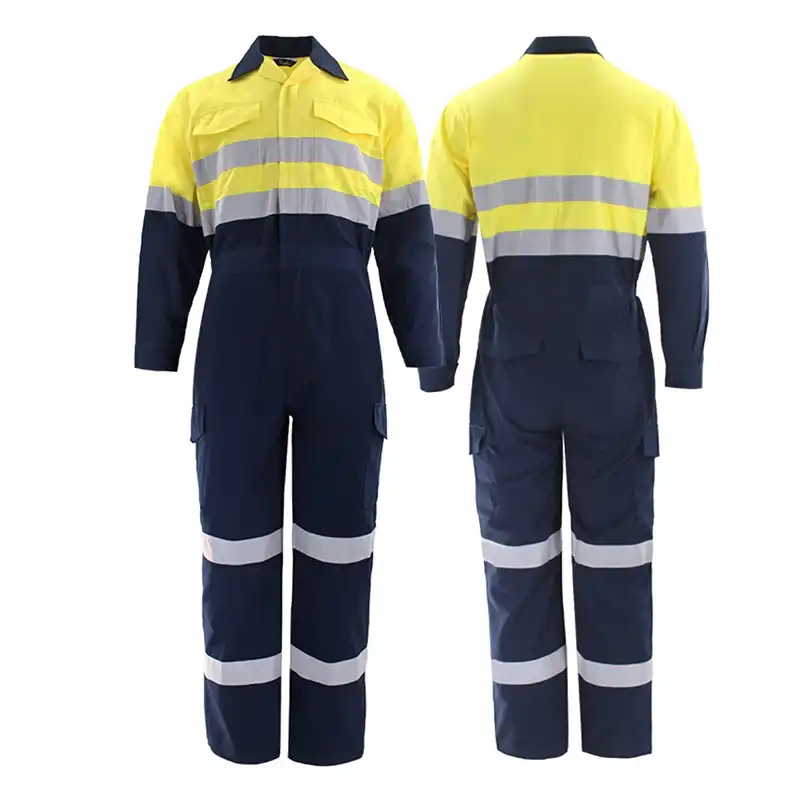
Safety workwear with reflecting materials and neon colors improves visibility in low-light and high-traffic settings. Construction, roadwork, and airport operations need better vision to prevent automobile accidents. These clothes fulfill ANSI Class visibility criteria.
Modern hi-vis apparel has moisture management and flexibility. Advanced reflective materials last through numerous wash cycles and are durable enough for demanding work conditions. Companies may brand while keeping awareness with customization possibilities.
Fire-Resistant Apparel for Industrial Applications
Fire-resistant product is needed at electrical, welding, and chemical processing sites. These clothing use flame-resistant or self-extinguishing textiles. Flame-resistant protective apparel must meet NFPA criteria for diverse hazards.
Fire-resistant apparel must be comfortable and protective to keep workers productive. For complicated operations, advanced fabric technologies provide flame resistance, breathability, and flexibility. Fire-resistant qualities are tested and inspected throughout garment lifecycle.
Chemical-Resistant and Waterproof Solutions
Cleaning, chemical processing, and environmental services require chemical-resistant safety clothing. These protective garments are designed to prevent skin contact with liquid chemicals, particulates, and biological threats. Chemical exposures and contact time determine material selection.
Marine, food processing, and outdoor construction require waterproof product. Waterproof and breathable fabrics prevent internal condensation in these clothing. The seam sealing and construction methods protect against moisture without affecting mobility.

How to Evaluate and Source Safety Workwear for B2B Procurement
Supplier capabilities, product quality, and service levels must be assessed to buy safety workwear. Cost, quality, reliable supply chains, and responsive customer service must be balanced by B2B procurement specialists.
Defining Procurement Requirements and Specifications
Clear requirements underpin successful product procurement initiatives. Quantity, customization, delivery, and performance conditions should be specified. Suppliers can price accurately and deliver quality products with detailed criteria.
Volume affects pricing and supplier selection immensely. Bulk purchases save money and build supplier connections for continued procurement. Coordination with suppliers is needed for logo placement, color specs, and sizing ranges.
Evaluating Leading Manufacturers and Suppliers
International safety workwear producers have a track record and experience in multiple protective garment categories. Consider product quality, certification compliance, manufacturing capacity, and customer service when evaluating suppliers. Existing customers' references reveal supplier performance and reliability.
Safety workwear producer Welston has vast expertise supplying European, American, and Asia-Pacific markets. Three factories and 10 production lines accommodate high-volume requests without compromising quality. Advanced Japanese and Taiwanese equipment ensures product quality and production efficiency.
Cost-Effectiveness Strategies and Budget Optimization
Cost management balances initial purchase price with total cost of ownership, including replacement frequency, maintenance, and labor productivity. Quality safety workwear with improved longevity generally outlasts higher initial expenditures. Budget optimization is achieved through bulk purchasing negotiations and flexible payment periods.
Rentals are an option for seasonal needs or trials. These arrangements offer superior product with maintenance services at a lower cost. Budget and usage habits determine rental versus buy decisions.
Practical Tips for Maintaining Safety Workwear and Extending Its Lifespan
Proper maintenance extends product lifespan and preserves worker safety. Systematic care procedures save replacement costs and guarantee safety apparel meets standards over time.
Cleaning and Storage Best Practices
Cleaning product depends on fabric type and protective characteristics. Proper detergents and temperatures are needed to preserve flame-resistant clothing. To remove impurities without breaking protective barriers, chemical-resistant clothing may require specific washing.
Safety workwear performance is greatly affected by storage. Dry, clean storage prevents mold and mildew and UV deterioration. Effective hanging and folding prevents persistent creases and preserves garment shape during storage.
Regular Inspection and Replacement Guidelines
Safety workwear effectiveness is monitored by systematic inspections for wear and damage. Visible examinations should include seams, closures, reflective materials, and fabric integrity. Inspection results assist identify typical failure modes and guide replacement options.
Usage, laundry, and protective features determine replacement timing. The knees, elbows, and shoulders usually wear out first. Objective condition assessments determine replacement criteria to protect workers and optimize replacement scheduling.
Worker Education and Proper Usage
Employee training ensures proper use and care of product. Workers should know how to inspect, report, and care for their protective gear. New product and best practice training is updated regularly.
Safety workwear fits properly to protect without restricting movement or causing discomfort. Body types and seasonal layering should be accommodated in sizing plans. Fit issues and future purchases are informed by worker feedback.
Welston: Your Trusted Safety Workwear Manufacturing Partner
Welston has over two decades of safety workwear production experience in Europe, America, and Asia-Pacific. Our manufacturing skills range from conventional protective garments to fully bespoke solutions for industry and brand requirements.
Advanced Manufacturing Capabilities and Quality Assurance
Ten dedicated production lines with cutting-edge JUKI and SHINLING technologies are at our three manufacturing sites. This sophisticated machine produces safety workwear efficiently and accurately at all volumes. Advanced protective gear production technicians make up our 580-person team.
Quality control procedures ensure safety workwear meets or exceeds international safety standards and customer specifications during production. Corporate branding and identity can be customized by screen printing, water-based adhesive, and heat transfer. Before shipment, strict inspections check protective properties and construction.
Comprehensive Product Portfolio and Customization Options
Safety workwear from Welston includes high-visibility, flame-resistant, and weather-resistant products. Construction, manufacturing, hospitality, and business environments use our products. To satisfy brand needs, embroidery, printing, logo positioning, and color matching are available.
All sizes from S to 5XL meet various labor needs while providing protection. Blue-gray, dark gray, yellow-navy, orange-navy, and red-navy accommodate industrial preferences and visibility needs. Specific workforce demands are met by custom sizes and accommodations.
Global Market Experience and Trusted Partnerships
Panasonic, Mercedes-Benz, Dell, Toshiba, and Toyota are among our clients, proving our quality and service level. These partnerships show our dedication to safety workwear manufacture and customer service. Diverse market experience reveals regional preferences and regulations.
Welston's global reach allows efficient shipping with constant quality. We help customers manage local rules and cultures by understanding market needs. Our long-term partnerships with large corporations prove our reliability and service.
Conclusion
Consider occupational dangers, legal standards, and worker comfort while choosing safety workwear. Successful programs balance cost, protection efficacy, and supplier reliability and support. Protective apparel improves safety, appearance, and efficiency. Superior safety workwear provides long-term value through lower replacement costs and happier workers. Partner with experienced manufacturers who understand your industry and can provide comprehensive workplace safety solutions that evolve.
Frequently Asked Questions
1. What safety standards should I consider when purchasing protective clothing?
Safety workwear should meet OSHA and EN standards for American and European markets. ANSI regulations oversee high-visibility apparel, while NFPA certifies flame-resistant clothing. Knowledge of industry standards ensures protection and regulatory compliance.
2. How do I verify Safety Workwear suitability for extreme conditions?
Temperature, moisture, and breathability must be considered for extreme conditions. Manufacturers provide operating temperatures and protection levels. Test certifications verify performance under controlled conditions, while user feedback provides real-world insights.
3. What customization options are available for corporate branding?
Corporate logos and identity can be customized using embroidery, screen printing, and heat transfer from Welston. Chest, sleeve, and back logo positioning options vary in size and visibility. Color matching maintains safety. Workwear performance and brand continuity. Custom sizing accommodates various workforce needs.
4. How often should Safety Workwear be replaced?
Environmental circumstances, usage intensity, and protective features determine replacement frequency. Wear and deterioration that reduce protection are found during regular inspections. High-use clothing need to be replaced every 6-12 months, whereas occasional-use ones might last years with careful care and storage.
Partner with Welston for Superior Safety Workwear Solutions
Ready to secure your workplace with premium gear? Welston's Safety Workwear solutions protect your staff and project professional excellence with decades of manufacturing experience and cutting-edge manufacturing. As a reliable safety workwear supplier, our seasoned team replies to all requests within 24 hours with personalized consultation and reasonable bulk pricing for your needs. Talk to Julia at [email protected] about your safety workwear needs with a trusted manufacturer that serves worldwide leaders.
References
1. "Occupational Safety and Health Standards for Personal Protective Equipment." U.S. Department of Labor, Occupational Safety and Health Administration, 2023.
2. "European Standards for Personal Protective Equipment: EN 343, EN 20471, and EN ISO 11612 Guidelines." European Committee for Standardization, 2022.
3. "Industrial Protective Clothing: Performance Requirements and Testing Methods." National Institute for Occupational Safety and Health, Centers for Disease Control and Prevention, 2023.
4. "Global Market Analysis: Safety Workwear Industry Trends and Forecasts 2023-2028." International Safety Equipment Association Research Division, 2023.
5. "Best Practices for Workplace Safety Programs: Protective Clothing Selection and Management." American Society of Safety Professionals, 2022.
6. "Textile Technologies in Personal Protective Equipment: Advanced Materials and Manufacturing Processes." Journal of Industrial Textiles and Safety Applications, Volume 45, Issue 3, 2023.
We specialize in designing, producing, and selling corporate clothing. Mainly produces: industrial clothing, business uniforms, and work clothes for different companies.

About Welston Garments


