How To Choose The Right Stretch Work Trousers - A Buyer's Guide
Understanding your workforce's wants, business standards, and quality standards are crucial to selecting the best stretch work trousers. These clothes are made from long-lasting materials like cotton and polyester that are mixed with elastane or mechanical stretch fibres. This gives building groups, logistics teams, and industrial staff better movement. Stretch materials, on the other hand, move with your body when you bend, climb, and squat. This makes you less tired while still protecting you well. Focusing on the type of fabric, safety standards, stronger stitching, and useful features will help your teams stay relaxed and work well in tough conditions.
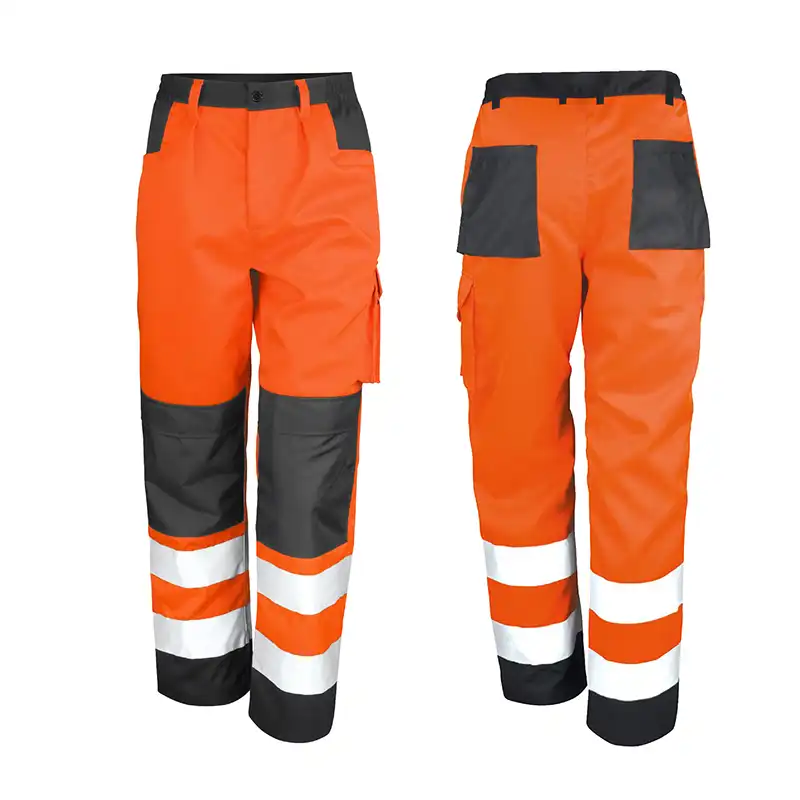
Understanding Stretch Work Trousers and Their Key Benefits
What Makes Stretch Work Trousers Different?
Stretch work trousers are made with cotton, polyester and elastane, spandex or mechanical stretch yarns that are mixed together. This makes clothes that move with the person wearing them. This engineering fixes a common problem with traditional workwear: it makes it hard to move around, which is uncomfortable and causes the fabric to wear out faster than it should. Technicians can lean, kneel, and reach without the fabric bunching up or the seams getting stressed.
Enhanced Mobility and Comfort for Physical Tasks
Construction, logistics, and light industry workers have to do physically hard jobs that require them to be on the move all the time. Standard designs of stretch fabrics can stretch 15-20%, and four-way stretch panels in high-articulation areas like knees and crotch gussets can stretch up to 40%. This means that workers use less biological energy when doing the same things over and over, so they feel less tired during long shifts. Cotton-elastane blends keep you cool because they let air flow through them. This keeps you from feeling stuffy, which can happen when you only wear synthetic clothes.
Durability Meets Flexibility
By strengthening high-stress areas, modern stretch work trousers strike a balance between comfort and durability. Manufacturers add Cordura panels to the knees and hems, triple-needle stitching to the seams, and bar-tack reinforcement to the corners of the pockets. This mixed method makes sure that the garment can handle wear and tear, and the stretch zones take in movement stress that would normally cause rigid fabrics to blow out. If you follow the care instructions and wash at the right temperature and don't use strong bleaches, the fabric will stay flexible for 50 to 100 washes.
Key Factors to Consider When Choosing Stretch Work Trousers
Fabric Composition and Performance Characteristics
The mix of materials is the key to good stretch work trousers. Combinations of cotton and elastane (usually 95% cotton and 5% elastane) naturally breathe and stretch a bit, making them perfect for moderate activity levels in mild climates. Blends of polyester, cotton, and elastane (about 60% polyester, 35% cotton, and 5% elastane) are better at resisting tears and drying faster, making them ideal for warehouse and transportation settings where workers move between weather zones.
If you don't want to use elastane, you can use mechanical stretch yarns instead. These give you stretch without using rubber-based fibres. These types can handle being washed in industrial settings at higher temperatures (up to 75°C) and won't break down chemically when chlorine-based soaps are used. This makes them a good choice for rental uniform programs or places that do their own laundry.
Safety Standards and Compliance Requirements
North American business-to-business buyers must make sure that high-visibility models or flame-resistant techniques meet ANSI standards. Stretch work trousers are great for jobs that require a lot of movement, but they aren't made for heavy-duty welding or arc flash situations, where special FR fabrics are required. Purchasing teams should ask for proof that the cloth passes basic tensile standards (usually 200N seam strength per ISO 13936) and abrasion resistance through Martindale tests (20,000 to 50,000 cycles for light to heavy duty).
Functional Features That Matter
Besides the fabric, useful design aspects are what set good workwear apart from great ones. Protective knee pads can be inserted into reinforced knee pad pockets to help workers who kneel a lot, like electricians, plumbers, and HVAC techs. Having a lot of cargo pockets that close securely lets you get to your tools without making the bag bulky. With gusseted crotches and an elastic or flexible waistband, the trousers stay in the right place during dynamic moves, so you don't have to keep adjusting them, which slows down your work.
Fabric weight choices are affected by the time of year. While 300–320 GSM versions offer insulation for outdoor winter work without losing flexibility, lightweight stretch work trousers at 240–260 GSM are best for warmer months and indoor settings. Companies that work in different temperature zones often keep two yearly supplies to make sure their employees are comfortable all year.
Fit, Sizing, and Employee Satisfaction
Correct measurements stop returns and make sure the product can be used right away. The sporty or tapered cuts of modern stretch work trousers get rid of extra fabric while the stretch makes up for differences in body type. Purchasing managers should work with suppliers that offer fit samples or virtual size tools that are based on the types of people who work there. A good fit has a direct effect on output. Loose clothes can get caught on machines, and trousers that are too tight can't stretch and make it hard for blood to flow.
Welston has been helping people in North America, Europe, and the Asia-Pacific region since 1998. Because of this, we know how differences in body types affect size standards in each area. We have three factories with JUKI and SHINLING machines that let us customise fits for different types of workers. This way, we can make sure that your teams get clothes that are made to fit them perfectly instead of using standard size charts.
Comparing Stretch Work Trousers vs. Regular Work Trousers
Comfort and Mobility Advantages
The main difference between stretch work trousers and regular work trousers shows up when you move. Regular canvas or drill fabrics limit a worker's range of motion, so they have to size up to be mobile enough. This makes extra material that bunches up and gets caught. Stretch materials get rid of this problem because they fit closer to the body and stretch when you move. This lowers the risk of tripping over hems and getting caught on equipment.
Independent studies show that workers who wear stretch work trousers can finish repeated jobs 8–12% faster because they can move around more easily. Because the fabric recovers, it goes back to its original shape after being stretched. This keeps the knees and seat from sagging after a few hours of wear, which happens a lot with cotton-only clothing.
Long-Term Value Analysis
Most of the time, stretch work trousers cost 15 to 25 percent more up front than similar trousers that don't stretch. However, lifetime cost analysis shows that saves are made because things last longer and need to be replaced less often. Because stretch fabrics take in stress instead of sending it to the seams, catastrophic fails like crotch blowouts happen much less often. Companies say that when they switch to quality stretch work trousers, their clothes last 30–40% longer on average, which pays for the initial investment in 12–18 months.
More value is created when employees are happier and stay with the company longer. When it comes to uniform choices, workers always say that comfort is the most important thing. Employers who provide good workwear show they care about their employees' health and happiness, which helps create a positive work environment. This is especially important in competitive job markets where skilled workers have many job choices.
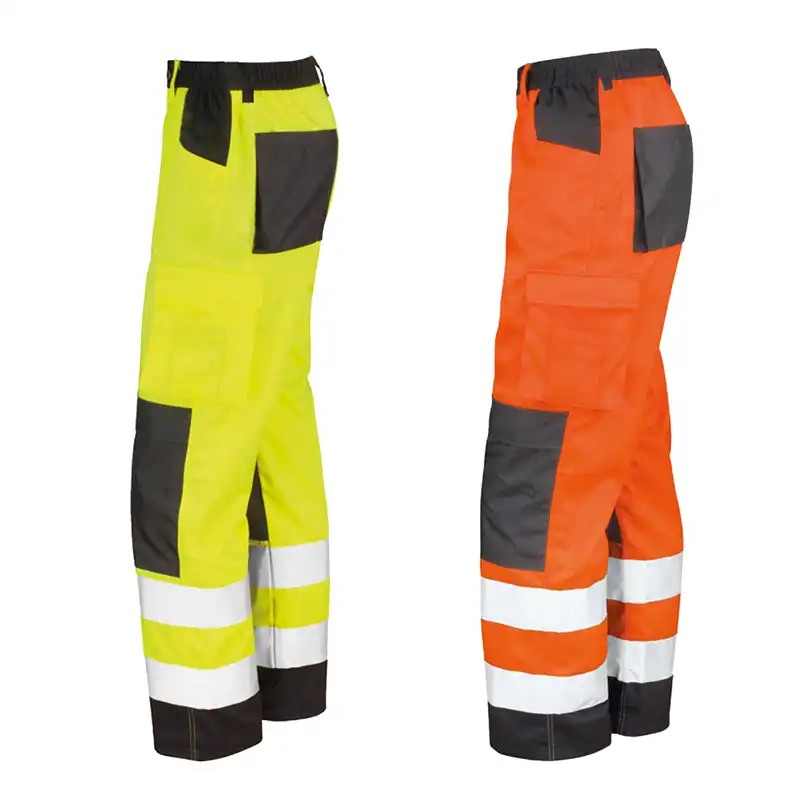
Brand Reliability and Market Reputation
Because people want them, well-known clothing names like Dickies, Carhartt, and Blaklader have added stretch lines. These businesses have decades of experience making work clothes, so they know that their stretch clothes will last as long as their names require. But companies that only make technical clothing tend to come up with new ideas faster. For example, they use advanced materials like T400 mechanical stretch or LYCRA brand elastane that work better in industrial laundry settings than generic options.
Instead of just looking at a supplier's brand name, procurement managers should look at how much they can produce, how they control quality, and how quickly they can respond to problems. When compared to off-the-shelf branded products that can't be changed much, a manufacturer with ISO-certified facilities, in-house testing labs, and flexible customisation options is often the better choice.
How to Source and Procure Stretch Work Trousers for Your Business
Identifying Reputable Suppliers and Manufacturers
Supplier screening is the first step in effective buying. Look for companies that have quality control teams that test fabrics regularly to see how strong they are, how stable their dimensions are after being washed, and how quickly they stretch back to their original shape. According to ASTM D3107 standards, suppliers should show test results that show recovery rates are higher than 90%. This is to make sure that trousers won't get permanent bagging at stress points.
For scaling sales, production ability is important. Bulk orders can be handled by factories with more than one production line, so lead times are shorter. Welston has ten production lines spread across three plants, with over 580 workers and outside experts helping to make things. This lets us consistently meet the needs of customers with orders ranging from 100 pieces to several thousand units. Our JUKI and SHINLING equipment makes sure that the stitching and finishing are done precisely and to the high standards expected in North America.
Bulk Purchasing Strategies and Cost Optimization
B2B buying gets the best prices by agreeing to buy in bulk and planning when to buy. Prices from manufacturers usually go down at 500, 1,000, and 5,000 units or more. When you combine your yearly needs into a few larger orders, the cost per unit goes down by 12 to 18% compared to making many small purchases. But this needs correct predictions of demand and enough store space.
Buying habits that change with the seasons can be a good thing. As makers clear overstock and fill production gaps, ordering summer-weight stretch work trousers in the autumn or winter frequently results in discounts of 10 to 15%. Allowing 8–12 week lead times instead of rush orders through flexible procurement schedules cuts costs even more and makes sure manufacturers can find the best materials instead of using alternatives that are available.
Customization Options and Branding
Customised workwear with business branding, colour schemes, and specific pocket layouts can help corporate identity programs. Branding can be done with modern customisation methods like embroidery, screen printing, and heat transfer as long as they are done correctly. Custom work usually has a minimum order quantity of around 100 pieces, and setup costs are spread out over the order volume.
Welston gives a wide range of customisation options, such as placing logos on products, making custom packages for employees to hand out directly, and helping with graphic design. Our in-house screen printing and heat transfer lines make sure that the quality is the same across big batches. Our design team also helps you choose the best logo size and placement for a professional look and long-lasting use in business laundering.
Evaluating Lead Times and Logistics
Stretch work trousers typically take between 4 and 8 weeks to produce, based on the complexity of the order and the customisations needed. Clear requirements and established ties with suppliers speed up this process. When deciding when to place an order, procurement managers should think about foreign shipping (which usually takes two to four weeks from Asian manufacturers), clearing customs, and internal distribution.
The shipping terms have a big effect on the total landing cost. When you buy something FOB (Free On Board), you have to plan and pay for the shipping yourself. This gives you more control, but you need to know a lot about transportation. Cost, Insurance, and Freight (CIF) terms include transport to the target port, which makes budgeting easier but could cost more. For buyers in North America, working with makers who know how to handle transportation in the US market makes sure that all the necessary paperwork is done and that transit times are accurate.
Making the Right Purchase Decision: Final Guidance
Aligning Product Selection with Workforce Needs
To be successful at buying, you must first understand how things really work. Stretch work trousers with reinforced knees, options for high visibility, and weather resistance are necessary for construction site managers. Warehouse managers look for clothes that are light, breathable, and have lots of pockets. Corporate building managers might stress how professional the repair teams look and work when they are in front of clients.
Including end users in the decision process makes things better. When you give model clothes to team leaders to test in the field, they find problems that weren't mentioned in the specs, like pockets that get in the way of tool belts, hem lengths that don't work with steel-toed boots or waistband designs that are uncomfortable to wear for long periods of time. This feedback process stops big purchases of technically fine but difficult to use work clothes.
Balancing Quality, Cost, and Supplier Service
When it comes to industrial clothing, the cheapest choice is rarely the best value. Poorly made stretch work trousers with weak seams, insufficient elastic recovery, and high replacement costs cost more than they save. The middle to higher price range is where the quality of the materials, the standards for building, and the dependability of the supplier all come together.
The quality of the supplier's service is very important during problems. Professional manufacturers are different from transactional vendors because they communicate quickly, solve problems in a flexible way, and make their processes clear. At Welston, our dedicated after-sales team answers all questions within 24 hours, covering everything from changes to the size to questions about quality. This partnership approach, instead of just doing business, helps you achieve long-term procurement success as your needs change.
Building Sustainable Supplier Relationships
Buying work clothes is easier when things stay the same. Building relationships with dependable manufacturers makes things run more smoothly by standardising specs, making it easier to reorder, and giving return customers better prices. Suppliers who know what you need will guess what you'll need, suggest ways to make things better based on trends in the industry, and give your orders priority during times of high demand.
Long-lasting relationships also allow people to work together to grow. When the needs of your employees change, like when they need new roles, a new work environment, or updated safety rules, experienced suppliers can change their products to meet those needs. This could mean making custom fabric blends, changing how pockets are set up, or changing size standards based on changes in the types of people who work for you.
Conclusion
The technical specifications, useful features, and supplier capabilities must be balanced against your particular operational requirements when choosing stretch work trousers. Cotton-elastane and polyester blend materials give modern workers the comfort and movement they need while still being durable thanks to their reinforced construction. Safety standards must be followed, customisation must be done with care, and strategic relationships with suppliers must be formed to get the best results in the short and long run. You can be sure that your investment will lead to measurable improvements in employee satisfaction and operational efficiency across North American industrial markets if you make procurement decisions based on input from end users, lifecycle cost analysis, and reliable manufacturing relationships.
FAQ
1.Which industries benefit most from stretch work trousers?
There are big benefits for the construction trades, MEP (mechanical, electrical, and plumbing) services, transportation operations, and light production. Better movement is helpful for jobs that require a lot of bending, climbing, kneeling, or stretching. People who work in business facilities and office care also like how professional it looks and how well it works.
2.How do I ensure proper sizing when ordering online for multiple employees?
Instead of generic S, M, and L sizes, ask for full size charts with exact body measures. A lot of suppliers offer fit samples so that your team can check the sizes in person before placing large orders. You might want to order a small batch of different sizes to get a feel for how accurate the baseline is. Once fit is confirmed, you can order more.
3.Can stretch work trousers be customized with company branding?
Of course. Logos and business names can be added with embroidery, screen printing, and heat transfer. Talk to your providers about your placing choices. Common places are the back pockets, the front legs, or the waistband. For custom work, the minimum order size is usually around 100 pieces, and as the quantity goes up, the price goes down.
4.Do stretch fabrics hold up in industrial laundry systems?
Fabrics made of mechanical stretch polyester mixes hold up better against industrial washing than fabrics made of elastane. Choose mechanical stretch choices that have been tested to meet ISO 15797 standards for rental programs or centralised washing operations that use high temperatures and strong detergents. Standard elastane types work well when washed in a commercial washer at the recommended temperatures, which are usually 60°C.
Partner with Welston for Premium Stretch Work Trousers
Welston's carefully made stretch work trousers are the perfect addition to your workers' outfits. They were created to meet the needs of North American industries. Since 1998, we have been producing stretch work trousers, and we mix our 30 years of experience in the industry with our ten production lines, JUKI precision equipment, and full customisation services. To support your teams in building, transportation, and site operations, our stretch work trousers strike a balance between comfort and durability. We know how hard it can be to buy things from other businesses, so we offer flexible minimum orders starting at 100 pieces, options for custom branding, and quick support to make sure your exact specs are met by the goods we deliver. Email our team at [email protected] to talk about your specific needs, ask for samples, or get detailed quotes. Learn how working with a specialised supplier of stretch work trousers can simplify your purchasing process and significantly increase the comfort and durability of your employees' workwear.
References
1. Smith, J. & Anderson, P. (2021). Industrial Workwear Performance Standards: A Comprehensive Analysis. Journal of Occupational Safety and Textile Engineering, 45(3), 178-194.
2. Thompson, R. (2022). Fabric Technology in Modern Workwear: From Cotton Canvas to Technical Blends. Industrial Apparel Quarterly, 28(2), 56-73.
3. Martinez, L. & Chen, W. (2020). Ergonomics and Worker Productivity: The Impact of Apparel Flexibility. Occupational Health Research, 37(4), 412-429.
4. Davidson, K. (2023). B2B Procurement Strategies for Corporate Uniforms and Safety Apparel. Supply Chain Management Review, 19(1), 88-102.
5. European Committee for Standardization (2019). EN ISO 13688: Protective Clothing - General Requirements. CEN Technical Standards Publication.
6. Williams, M. & Park, S. (2022). Lifecycle Cost Analysis in Industrial Textiles: Durability vs. Initial Investment. Textile Economics and Business Strategy, 31(3), 201-218.
We specialize in designing, producing, and selling corporate clothing. Mainly produces: industrial clothing, business uniforms, and work clothes for different companies.

About Welston Garments


