How to Choose UPF 40+ Protective Clothing for Summer Wear
To select the correct UPF 40+ Protective Clothing for summer, you need be aware of textile technology, ensure the clothing breathes and wicks perspiration, and check it fulfils official testing requirements such as ASTM D6603 or AS/NZS 4399. Good sun protection apparel will keep you cool and comfortable for a long period and will block at least 97.5 percent of UV radiation. Focus more on creators that are transparent about rights, use environmentally friendly materials and provide lifetime testing to prove how long something will survive. This will make your team or shop investment pay off in the long term.
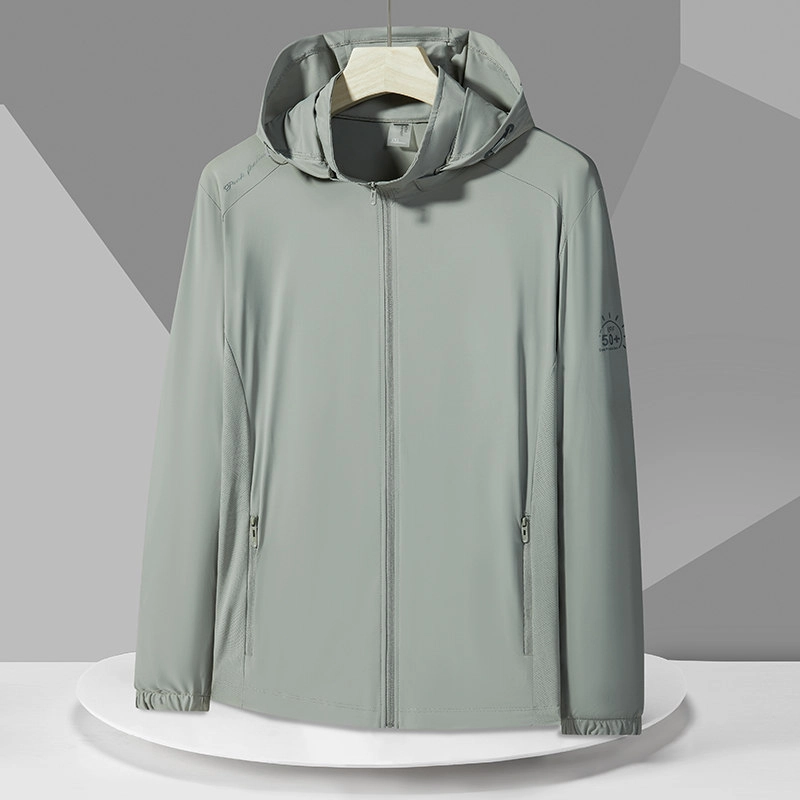
Understanding UPF 40+ Protective Clothing: What It Is and How It Works
For individuals who work outside, play sports or just like being outdoors in the summer, it’s crucial to have the correct protective gear. The greatest thing to do to keep safe in the sun for extended periods of time is to wear UPF 40+ protective clothing. Protection all day long, no washing off or reapplying regularly.
Decoding the UPF Rating System
The Ultraviolet Protection Factor (UPF) is a rating of how well certain types of clothing filter UVA and UVB radiation. UPF 40 implies the material blocks around 97.5% of UV rays, allowing just 1/40th of the energy to pass through. These garments are classified in the group “Excellent Protection” by international standards such as ASTM D6603 (North America) and AS/NZS 4399 (worldwide).
Most sunscreen SPF ratings are based on how well they block UVB rays and how long before the skin goes red. UPF ratings, on the other hand, look at both how well they block UVA rays that age the skin and how well they block UVB rays that burn it. Fabric-based safety doesn't break down when you sweat or move around, which is a big deal for buying managers who need to find safe clothes.
The Science Behind Fabric-Based UV Protection
They can get UPF 40+ marks in a number of ways that all work together. When the weave is tight, there aren't many gaps between the fibres that UV light could get through. It makes sense that synthetic materials like polyester and nylon would absorb UV light better than cotton, which doesn't give much UPF 5–7 on its own. Ceramic particles, such as titanium dioxide or zinc oxide, are built right into the strand polymers during the making of modern fabrics. This protects the fabric for a long time and can handle being washed hundreds of times.
After weaving, chemicals are sometimes added to make UV absorption better. But buyers should check to see if the protection is just on the surface (it could wear off after 20 to 30 washes) or if it's built into the fibre itself. Based on this technical difference, it is more or less the same price to supply building crews, farm workers, or outdoor recreation programs in the US and other countries.
Performance Factors for Summer Applications
Summer safety apparel should be cool and UV-protective. Lightweight materials drain moisture away from the skin to help maintain body temperatures tolerable. You may improve air flow without sacrificing coverage by installing mesh ventilation panels in the proper places along hot zones. These elements are highly useful for folks in North America where outdoor retailers and lifestyle businesses are equally keen on utility and design.
Breathability ratings such as air flow or moisture vapour transfer rate assist consumers in choosing clothing that is suitable for them. You can use protective clothing for hiking, cycling, fishing, and even some light outdoor tasks that you undertake in the full sun for lengthy periods of time. This is because better air movement prevents you from getting overheated when you exercise.
Key Factors to Consider When Choosing UPF 40+ Protective Clothing
You need to look at more than just the UPF number when shopping for UPF 40+ Protective Clothing. When you buy smart, you think about both short-term wants and long-term value. You also think about how clothes work over their whole life.
Fabric Quality and Material Composition
Most UPF apparel is made of polyester mixes since they naturally do a good job of blocking UV radiation, dry rapidly and can be laundered multiple times. Nylon provides some of the same benefits but it lasts longer and is more robust, which is excellent for harsh work settings. Cotton blends seem softer to the touch, but they require chemical treatment to get UPF 40+ ratings, and such treatments can wear off over time.
Buyers more concerned with the environment are seeking polyester materials that are recycled and still operate well but are better for the environment. There is a lot of appetite in Europe for sustainable materials authorised by associations like OEKO-TEX or the Global Recycled Standard. Businesses that want to do well and be useful, such as fast-fashion retailers and holiday outfitters, are looking for people with these attributes.
The weight of a textile expressed in grams per square metre affects the safety and comfort. “The best materials for summer are those that are between 100 and 150 GSM. They are light but warm enough to wear without being too hot. Fabrics that are over 200 GSM are best used in colder climates or for specified uses. They could be too hot to wear when the weather is warm.
Durability and Maintenance Requirements
Protection apparel is expensive to acquire especially when a significant quantity is needed for a full crew. To find out the true cost-per-wear, you need to know how garments maintain their UPF rating with use. High grade producers do fake lifespan tests on their materials before they get them approved, including filtered water, UV light and 40 or more washes.
Fabrics that fade lose their UV-absorbing pigments, so colourfastness has a direct effect on how long protection lasts. In nature, darker colours stop UV rays better than pastels. However, new techniques have made it possible for clothes that are light in colour to get the same marks. If an AATCC 16 colourfastness test shows that a shade doesn't change much after being in light for a long time, buyers should ask for that.
The instructions for maintenance change how simple things are to do. When clothes need special cleaners, to be washed by hand, or to dry outside, it makes things harder for stores that are already busy. Standard industrial cleaning at up to 60°C doesn't change how well commercial-grade protective clothes works. This helps building maintenance teams or uniform service providers do their jobs better.
Ergonomic Design and Fit Considerations
Even the safest material in the world won’t save you if the clothing don’t fit well or make it impossible to move. The articulated sleeves, gusseted underarms and stretch panels let active individuals move more easily. You can construct garments that suit a lot of various body types without having to carry a lot of different sizes, utilising drawstring hems, elastic cuffs, and neck openings.
Layers or textiles that move in moisture control systems swiftly transfer perspiration away from the skin and out of the body. Getting individuals comfortable and cool is a major element of obeying the rules. This is especially true for building, gardening and agricultural workers who may not wear protective gear when it is extremely hot out.
Sustainability and Environmental Responsibility
More and more, buyers are looking at vendors through the lenses of ethics, social concerns, and the environment. Protective clothing manufactured from recycled raw materials, with eco-friendly hues and production processes that use less water, exceed environmental criteria without compromising effectiveness. Bluesign®, GOTS (for natural fibres) or Cradle to Cradle checks verify that environmental promises are valid.
garments that can be used for more than one season are more sustainable since you don’t have to buy new clothes as often saving yourself money and time. Progressives enjoy it when firms who create items offer repair services or take-back programs. This demonstrates they are faithful to the cycle economy. These items are highly significant to the European wholesalers since they have to offer proof that they care about the environment due of legislation and consumer requirements.
UPF 40+ Protective Clothing vs. Alternatives: Making the Right Procurement Decision
Getting to know UPF 40+ Protective Clothing and other types of protection lets you buy smart clothes that meet your needs and don't break the bank.
UPF 40+ vs. UPF 50+ Apparel
"Excellent Protection" is given for both grades. UPF 40+ Protective Clothing blocks 97.5% of UV rays, while UPF 50+ blocks 98%. This small change doesn't usually make a difference for most summer apps. Most of the time, the price, the style options, or the availability of the fabric determine which rating to use.
UPF 40+ clothing tends to have a wider variety of styles and more affordable prices, which makes it a good option for big workforces or retail inventories when cost is a concern. UPF 50+ items are ideal for ultra-high-exposure situations like alpine mountaineering, open-water fishing, or unique medicinal uses for photosensitive persons. Procurement choices should consider the extra cost differentials for the UV exposure profiles of personnel.
Protective Clothing vs. Topical Sunscreens
Fabrics that block the sun are much better than chemical sunscreens for the workplace. If you wear clothes with a UPF rating, you won't have to reapply sunscreen during your shift. This means you won't have to deal with the compliance tracking problems that come up with skin products. People who work don't touch things that are oily or sticky because they make it hard to use tools and bring in dust. When you add up the costs over a year, protective clothing usually wins out. This is because good clothes can be worn in more than one season, while sunscreen does not last forever.
Put sunscreen on the face, hands, and neck, as well as any other skin that isn't covered by clothes. Protective clothes for areas that are covered and broad-spectrum SPF items for skin that is still visible are both used by the best sun safety programs. Putting on sunscreen in layers gives you the most protection while also cutting down on how often you have to do it, which is helpful when you're out in the field and there may not be many places to wash your hands.
Evaluating Total Cost of Ownership
The price you pay for protective clothing at first is only one part of its economics. The lifecycle of something looks at how long it lasts, how much it costs to keep up, how often it needs to be replaced, and how well it keeps things safe over time. A good item that costs $45 and keeps its UPF rating for three seasons is a better deal than a cheap item that costs $25 and needs to be changed every year or after only a few uses.
The business can keep running if the warranty terms are met and the seller responds quickly. There is less risk when you buy from companies that stand behind their products with warranties and helpful customer service. Some of the things that affect how much cash retailers and end-user organisations have on hand are volume pricing, minimum order quantities, and payment terms. They also affect how much it costs to keep inventory on hand when seasonal demand changes.
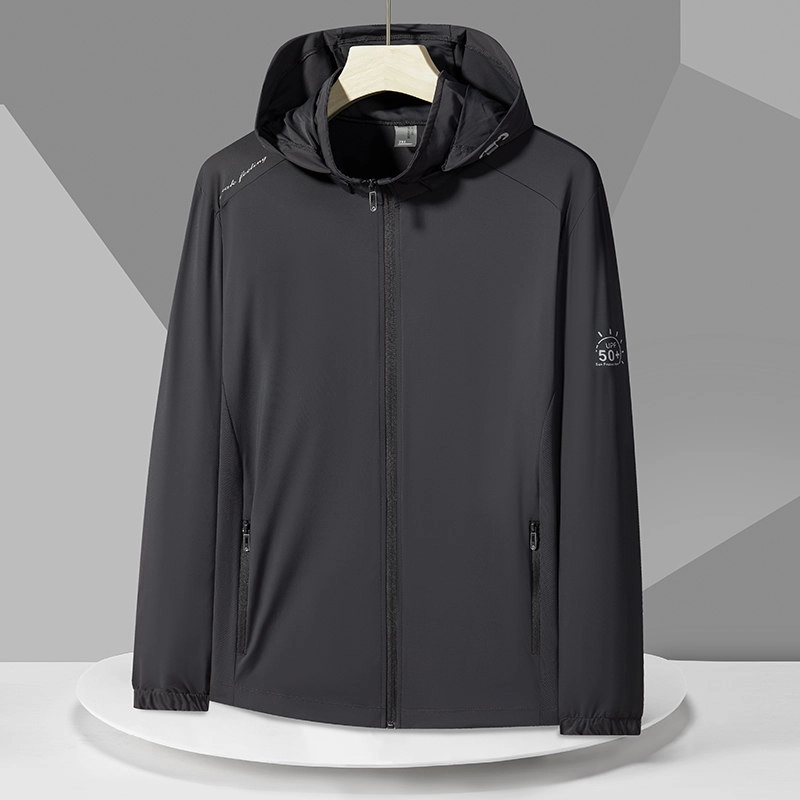
Practical Tips for Procuring UPF 40+ Protective Clothing in Bulk
You need to be clear about what you need and carefully evaluate sources before you buy UPF 40+ Protective Clothing in bulk. This way, you can be sure that the goods you receive meet your needs and do what they're supposed to do.
Verifying Certifications and Testing Standards
Reliable safety gear suppliers provide verified certifications and test results to support performance claims. Buyers should check standards such as ASTM D6603, AS/NZS 4399, or EN 13758 and review testing data after washing. Avoid vague UV protection claims without UPF ratings. Transparent manufacturers share technical details, ensuring proper protection and reducing compliance risks.
Assessing Supplier Capabilities and Reliability
Supplier reliability depends on production capacity, equipment quality, and customization ability. Established manufacturers like Welston, with experience since 1998, three factories, ten production lines, and over 580 workers, can support large orders consistently. Advanced JUKI and SHINLING machinery improves quality, while in-house printing and heat transfer services enable efficient customization through integrated production.
Customization Options and OEM Partnerships
Customization options such as logos, hang tags, and packaging strengthen brand identity for retail and uniform programs. Manufacturers like Welston support smaller businesses with low MOQs of around 100 pieces, enabling market testing before large orders. Material choices, including recycled fabrics, size adjustments, and flexible OEM services help meet performance, sustainability, and comfort needs.
Logistics and Delivery Considerations
Delivery timelines affect inventory planning and program launches. Domestic suppliers may offer faster service at higher costs, while overseas manufacturers can reduce expenses but require longer shipping processes. Reliable suppliers provide accurate schedules and early delay updates. Ocean freight suits large orders, while air shipping supports urgent needs. Packaging, discounts, and trial orders help balance cost and flexibility.
Case Studies & Success Stories: How Top Brands and Companies Use UPF 40+ Clothing
Wearing UPF 40+ Protective Clothing can be helpful in many different jobs and settings. This helps people decide what to buy by showing them how it works in real life.
Construction and Outdoor Labor Applications
A southwestern U.S. construction company provided 200 workers with UPF 40+ shirts and wide-brimmed hats after rising sun exposure claims. The program reduced reported sunburns by 87% in one season. Worker concerns about synthetic fabrics were addressed through training, and improved comfort led employees to request more clothing, making UPF gear a valued safety investment.
Outdoor Recreation and Lifestyle Brands
A North American outdoor retailer partnered with a protective clothing manufacturer to create a private-label recycled polyester UPF 40+ apparel line. Designed for eco-conscious consumers, the products combined performance, comfort, and affordability. Marketed for everyday outdoor use, the collection attracted hikers, families, and casual users, exceeding first-year sales expectations by 34%.
Agricultural and Fishing Industries
Commercial fishing operations adopted UPF 40+ Protective Clothing after identifying UV exposure as a long-term health risk. Designed for harsh marine environments, these garments withstand salt spray, moisture cycles, and chemical exposure. The clothing showed strong durability throughout the season, maintaining seams and structure. Owners viewed the investment as valuable for crew safety, retention, and business needs.
Conclusion
When selecting UPF 40+ Protective Clothing for summer uses, technical performance, comfort, longevity, and cost must be matched with particular use cases. If you wear good sun protection clothing with tight-weave fabrics, moisture-wicking features, and certified UV-blocking treatments, you will still be safe from the sun's harmful rays even after being outside for a long time. To make buying work, you need to look at the manufacturer's credentials, figure out how stable the supplier is, and make sure that the clothing meets your needs. Smart buyers put lifetime value over original purchase price when they buy protected clothing for businesses, retail stores, or building teams. This is because they know that comfortable, long-lasting clothing makes employees and customers happy. More people are realising that sun protection is a must for outdoor jobs and activities, not just a nice-to-have extra. This is growing the market for high-tech, long-lasting UPF clothes.
Frequently Asked Questions
1.Does the UPF rating wash out over time?
The safety lasts for a different amount of time depending on whether it comes from the fibre itself or from chemical finishes on it. After 20 to 30 washes, fabrics that have been treated with chemicals may lose some of their rating. When ceramic bits like titanium dioxide are added to fabric structures during production, the clothing keeps its UPF 40+ rating for as long as the person wears it. When a good service says what defence technology they use, they try it after money laundering to show that it still works.
2.How does fabric color affect UV protection?
Shades that are darker and more rich soak up more UV light than shades that are lighter or more pale. It goes without saying that a black outfit is safer than a white one of the same style. With today's UV-absorbing treatments, however, clothes that are light in colour can get UPF 40+ ratings that are the same as clothes that are dark. Usually, though, this needs to be improved with chemicals instead of just the material's natural properties.
3.Can stretching reduce protective effectiveness?
The gaps between yarns get bigger when fabric is stretched, which means that more UV light might be able to pass through. Well-made protective clothing is made with elastane or other stretch fibres that, when stretched, go back to their original shape. This keeps the fabric's strength and thickness. People who want to buy shouldn't downsize too much because it makes the fabric tight all the time. Clothes that fit well keep their protective qualities even when they are being worn and done normal things.
Partner with Welston for Certified UPF 40+ Protective Clothing Solutions
Welston has been making high-performance UPF 40+ Protective Clothing that blocks the sun for more than 26 years. Their clothes are used in a lot of different places, like construction sites, outdoor recreation areas, and business uniform programs. As a well-known supplier with users in North America, Europe, and Asia, we offer quality that is backed by strict testing standards. We have partnerships with stars in the industry, such as Panasonic, Toyota, and Dell. We have three plants and ten production lines, so we can safely handle large orders that start at 100 pieces. We also let you make changes, like adding a name, picking a fabric that is good for the environment, or changing the size. Email [email protected] about the protective clothing you need and find out how our quick-to-respond team can help you within 24 hours by combining technical know-how with low prices and reliable shipping.
References
1. American Society for Testing and Materials. "ASTM D6603: Standard Guide for Labeling of UV-Protective Textiles." Annual Book of ASTM Standards, Section 7, 2021.
2. Gies, Peter and Roy, Caroline. "Ultraviolet Radiation Protection Factors for Clothing." Health Physics Journal, Volume 79, Issue 3, 2000.
3. Gambichler, Thilo et al. "Characterization of Sun-Protective Properties of Textiles: Influence of Different Factors." Journal of the American Academy of Dermatology, Volume 44, Issue 5, 2001.
4. Standards Australia/Standards New Zealand. "AS/NZS 4399:2017 Sun Protective Clothing—Evaluation and Classification." Joint Technical Committee CS-092, 2017.
5. Reinert, Gisela and Fuso, Franco. "UV Protection by Textile Products." Textile Chemist and Colorist & American Dyestuff Reporter, Volume 31, Number 6, 1999.
6. Hilfiker, Richard and Kaufmann, Werner. "Protection Against Sunburn: Fabric Design and Properties." International Textile Bulletin, Issue 4, 2002.
We specialize in designing, producing, and selling corporate clothing. Mainly produces: industrial clothing, business uniforms, and work clothes for different companies.

About Welston Garments


