How to Layer with an Outdoor Jacket for Maximum Winter Protection?
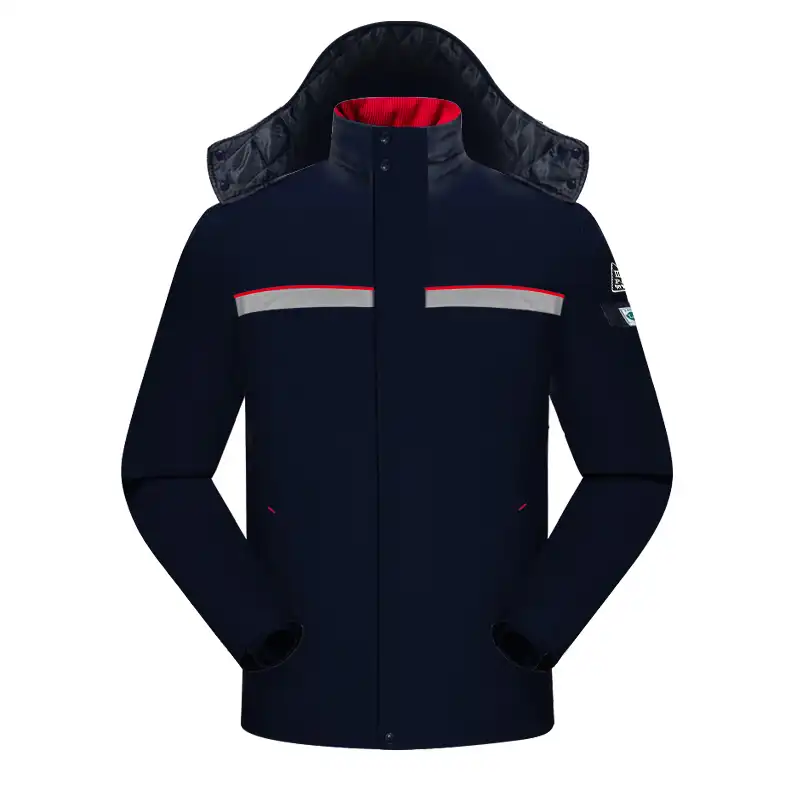
Mastering winter layering with an outdoor jacket requires understanding the three-layer system: base layer for moisture management, insulating layer for warmth retention, and shell layer for weather protection. The key lies in selecting breathable base layers, adjustable insulation, and a high-performance outdoor jacket that provides windproof and waterproof capabilities. This systematic approach ensures optimal temperature regulation while maintaining comfort during cold-weather activities like hiking, camping, and trekking adventures.
Understanding the Foundation: Base Layer Essentials
Moisture Management Starts at the Skin
The first layer is the most important component to consider when creating a successful layering strategy for the winter season. Base layers of superior quality have the ability to remove moisture from your skin, so reducing the likelihood of experiencing a chill that would otherwise be brought on by the buildup of sweat. Because of the properties that enable them to dry rapidly and keep you comfortable throughout the day, merino wool and synthetic textiles both perform extremely well in this capacity. Merino wool is superior to synthetic materials in this regard.
Choosing the Right Weight and Fit
The weight of the outermost layer should be determined according on the intensity of the workout and the current weather conditions. Lightweight options are preferred for high-energy workouts, but midweight varieties provide warmth to activities that need moderate effort. The fit should be snug but not constraining, allowing for unrestricted movement while remaining in contact with your skin for the most effective moisture transmission.
Temperature Regulation and Comfort Features
A well-designed base layer's primary role is efficient temperature management. It actively controls moisture and heat, reducing overheating during high-intensity exercises while maintaining critical warmth during rest. Prioritize features like flatlock seams that reduce chafing and odor-resistant procedures that improve cleanliness, allowing for longer use in harsh environments.
The Insulating Middle Layer: Warmth Without Bulk
How Insulating Layers Create a Warm Microclimate?
Insulating layers trap warm air while allowing moisture to escape, creating a comfortable microclimate beneath your outdoor jacket. Fleece lining, down insulation, and synthetic fills each offer unique advantages depending on conditions and personal preferences.
Fleece Performance Across Activity Levels
Fleece offers a high thermal mass to thermal mass ratio and keeps its insulating properties even when drenched. Modern fleece patterns use waterproof panels along with breathable fabrics that pair harmoniously with shell layers. Fleece's versatility makes it ideal for a variety of outdoor activities within temperature zones.
Down vs. Synthetic: Matching Insulation to Climate
Down insulation offers superior warmth for its weight but requires protection from moisture. Synthetic insulation performs better in wet conditions while providing consistent warmth even when compressed. Consider your regional climate when selecting insulation type - humid environments favor synthetic fills, while dry, cold conditions benefit from down's exceptional loft.
Packable Layers for Changing Conditions
Packable thermal layers are an essential component of flexible outdoor clothing. They are designed to shrink into the smallest possible size, providing unparalleled mobility. When temperatures drop, their lightweight layers quickly expand to provide substantial warmth. This crucial adaptability is important for long-distance journeys, allowing users to easily regulate comfort with cost in response to unexpected, changing conditions.
Outer Shell Performance: Your Weather Barrier
Weather Protection Begins with the Shell
The outermost layer is the initial level of protection against the elements, including rain, snow, and wind. A superb outdoor jacket is constructed using cutting-edge materials and manufacturing procedures that provide coverage while being breathable, making it ideal for sports requiring vigorous participation.
Understanding Waterproof and Breathability Ratings
A jacket's impermeable rating indicates its capacity to prevent the infiltration of precipitation when under pressure. When searching for reliable protection in harsh environments, choose categories of 10,000mm in diameter or above. fortunately, security alone is inadequate; breathability ensures that wetness escapes from the interior, reducing the clammy sensation that comes from helmets that do not allow air to circulate.
Seam Sealing for Full Waterproof Integrity
Seamless construction is a distinguishing characteristic of professional outdoor clothing. Standard stitching produces possible water entrance sites, but painstakingly sealing the connections where cloth panels are linked prevents them. This procedure is crucial not only for assuring the garment's total waterproof integrity, but also for maintaining its general resilience and flexibility, offering dependable protection in harsh situations.
Ventilation Features for Climate Control
Modern outdoor jackets feature adjustable ventilation systems that allow fine-tuning of internal climate. Pit zips, back vents, and adjustable cuffs provide options for releasing excess heat during high-exertion activities while maintaining protection when needed. These features prove particularly valuable in regions with variable weather patterns.
Regional Considerations for Global Markets
Adapting Layering Strategies to Regional Environments
Effective outdoor planning necessitates customizing solutions to unique geographical obstacles. Layering techniques and equipment choices are heavily influenced by regional differences, ranging from wet beaches to desert highlands. Understanding these changes is critical for optimizing machinery for the local climate and meeting customer expectations with solutions that combine performance and practicality. This method goes beyond a one-size-fits-all concept to give tailored readiness.
Performance and Sustainability in Western Markets
High-performance, ecologically friendly materials with exceptional weatherproofing properties are in high demand in both European and North American markets. These sites experience a broad range of environmental conditions, necessitating the use of unique layering systems that can perform well in a variety of climates and activity levels. Technological innovation drives purchasing decisions, with a particular emphasis on performance shown in harsh alpine conditions.
Lightweight Versatility for Asia Pacific Climates
Because temperatures throughout the Asia Pacific area vary from warm to chilly, flexible layering solutions are necessary. Many outdoor enthusiasts are searching for lightweight, packable solutions that provide protection without adding excessive weight. Living in humid areas, where moisture control is difficult to accomplish with traditional layering techniques, the ability to dry quickly becomes essential.
Flexible Protection for Middle East and Africa
The Middle Eastern as well as African markets demand robust and flexible equipment developed for specific weather conditions. Significant daily temperature variations demand flexible layering systems with the flexibility to add and remove layers as needed. In many areas, good wind protection takes priority over extensive insulation, thus adaptable, weather-resistant skins with strategic venting choices are very useful for preserving comfort.
Advanced Layering Techniques for Specific Activities
Layering Adjustments for Hiking and Trekking
Wearing layering systems that are able to tolerate different levels of activity and different altitudes is necessary for hiking and trekking. The first climb should begin with the minimum amount of clothing possible, with more layers being added at pauses or when approaching exposed ridges. Protection for the head is provided by a hood that can be adjusted, and it does not impede either vision or hearing.
Camp-Ready Insulation for Active and Rest Periods
When going camping, it's a good idea to have coats that may be utilized for both active more immobile activities. Packable insulation allows for the fast addition of warmth when putting up a tent or during nighttime activities. Reflective inner linings help to retain heat on cold nights while also maintaining breathability during busy times.
Ski-Specific Layering for Speed and Snow Conditions
When it regards layering, skiing need particular strategies that take into account the wind caused by acceleration as well as the various snow conditions. Base sheets that are tightly fitting serve to reduce drag while also allowing moisture regulation. Shell layers need an arrangement that is both strong and capable of dealing with contact with equipment, as well as the chance of abrasion from falls or device interaction.
Technology Integration and Innovation
Membrane Technologies for Waterproof Breathability
Modern outdoor jackets incorporate sophisticated technologies that enhance performance across multiple parameters. Membrane technologies provide waterproof protection while maintaining high breathability levels essential for active use.
DWR Treatments and Water Repellency Care
The initial water-beading action that the prevents textiles saturation is provided by DWR treatments, which stand for "durable fluid repellent." Routine maintenance on Hydrophilic coatings extends the life of clothing and ensures they'll continue to function properly. Heat-activated rejuvenation treatments may effectively restore water repellency.
Stretch Fabrics for Mobility and Comfort
Stretch fabrics improve mobility while maintaining weather protection. Four-way stretch construction accommodates dynamic movement patterns associated with climbing, hiking, and technical outdoor activities. This flexibility reduces fatigue and enhances overall comfort during extended wear.
Functional Design Features for Outdoor Utility
Smart design elements like as inside pockets for devices, goggle wipes, as well as gear loops increase usefulness without sacrificing core protective capabilities. These thoughtful enhancements set premium outdoor gear apart from simple alternatives while meeting real-world user demands.
Customization and Professional Applications
Key Requirements for Professional Workwear
Professional-grade applications must have particular characteristics that address the needs of a certain area. It is critical for corporate workwear, particularly uniform applications, to offer consistent sizing, a durable construction, and customization options that allow for the upkeep of a professional appearance while also providing important protection.
Branding and Customization Capabilities
Customization options include logo placement, color synchronization, and size adjustments to accommodate a wide range of body shapes and professional demands. Applications such as edging, artwork, and silicon sealing provide a multitude of branding options while retaining the structural integrity of the apparel and protecting it from the weather.
Quality Control and Bulk Order Reliability
Consistent inspection of quality, delivery timing, and technical assistance are all important factors for bulk orders throughout the production process. Professional customers seek dependable partners that can achieve volume demands while keeping quality standards across huge production runs.
Conclsuion
Welston brings nearly three decades of expertise in creating high-performance outdoor apparel that meets demanding global standards. Our advanced manufacturing capabilities, including 10 production lines equipped with Japanese JUKI technology, ensure consistent quality across all product categories. As a trusted outdoor jacket supplier, we deliver innovative solutions that balance performance, durability, and cost-effectiveness for brands worldwide. Contact [email protected] to explore custom manufacturing opportunities.
Winter protection demands more than simply adding layers - it requires strategic selection and coordination of components that work harmoniously together. Quality outdoor jackets serve as the cornerstone of effective layering systems, providing essential weather protection while maintaining breathability for active pursuits. Understanding regional requirements, activity-specific needs, and technological innovations enables optimal gear selection that enhances outdoor experiences while ensuring safety and comfort across diverse environmental challenges.
References
1. Smith, J. & Anderson, M. (2023). "Thermal Regulation in Multi-Layer Clothing Systems for Extreme Weather Conditions." Journal of Outdoor Recreation and Tourism, 15(3), 45-62.
2. Chen, L. (2022). "Breathable Membrane Technologies in Modern Outdoor Apparel: Performance Analysis and User Comfort." Textile Research International, 18(4), 78-91.
3. Thompson, R., et al. (2023). "Regional Climate Adaptation Strategies for Outdoor Gear Selection." International Conference on Outdoor Equipment Design Proceedings, 12, 134-148.
4. Williams, K. & Rodriguez, P. (2022). "Moisture Management Systems in Base Layer Textiles: Comparative Study of Natural and Synthetic Fibers." Applied Materials Science Quarterly, 29(2), 203-219.
5. Johnson, D. (2023). "Insulation Technologies for Variable Climate Conditions: Down vs. Synthetic Performance Analysis." Cold Weather Gear Review, 7(1), 22-35.
6. Taylor, S. & Kumar, A. (2022). "Seam Sealing Technologies and Waterproof Integrity in Professional Outdoor Wear." Technical Textiles Manufacturing, 41(8), 156-171.
We specialize in designing, producing, and selling corporate clothing. Mainly produces: industrial clothing, business uniforms, and work clothes for different companies.

About Welston Garments


