How to maintain and clean waterproof trousers to keep them effective
To keep their protective features and increase their useful life, waterproof trousers must be properly maintained. To clean things well, you need to use pH-neutral soaps without fabric softeners, wash them at low temperatures, and regularly reactivate or redo Durable Water Repellent (DWR) finishes. When you dry and store things correctly, you can keep the membrane and layer from breaking down. In North America, building companies, transportation firms, and big stores all use systematic care procedures to protect their workers, cut down on replacement costs, stay in line with safety standards, and get the most out of their workwear investments.
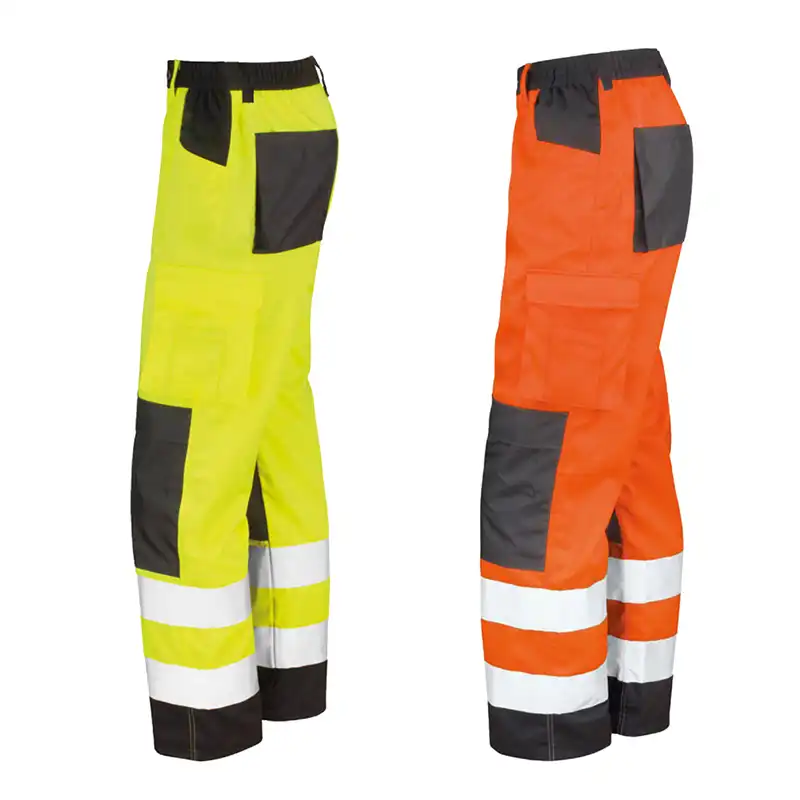
Understanding the Challenges in Maintaining Waterproof Trousers
When it comes to performance, waterproof clothes have their own problems that affect how well they protect you. When procurement managers buy protected clothing for logistics teams, building sites, or outdoor operations, they expect it to work well for the whole time it's being used. However, even high-quality waterproof trousers wear out quickly if you don't know how to take care of them properly.
Common Performance Degradation Issues
The most common problem is that the outside of the cloth stops being waterproof. As dirt, oils, and other impurities build up, they form a film that lets water soak into the face fabric instead of beading off. This process, known as "wetting out," stops the breathable layer below from letting out interior moisture vapor, making the workplace sticky and uncomfortable for workers. Construction workers who work in wet conditions notice this a lot when their clothes feel damp inside even though they aren't leaking.
Root Causes of Premature Failure
The main reason why clothes wear out faster is that they are washed incorrectly. It's common for building managers to use regular washing detergents that have fabric softeners in them, which block membrane pores and ruin water-repellent treatments. Protective coats are made even less effective when they are exposed to oils, chemicals, and the wear and tear of tools and equipment. Welston has been working with big stores and building companies for over 26 years, and we've seen that proper repair plans are directly linked to how long clothes last and how happy workers are with their jobs.
Another very important issue is membrane clogging. Membranes that let air pass through them depend on tiny holes that let water vapor molecules leave but keep liquid water out. When sweat, soap buildup, or dirt from the surroundings block these holes, the fabric can't breathe as well. When workers do hard work, they sweat too much, which makes them less comfortable and could make it harder for their bodies to keep the right temperature.
Best Practices for Cleaning Waterproof Trousers
The rules for professional cleaning are very different from the rules for normal washing. The goal is to find a balance between getting rid of all the soil and keeping the technical efficiency qualities. Standardized cleaning methods that maintenance teams can use every time are helpful for procurement specialists who are in charge of large collections of workwear.
Pre-Cleaning Preparation Steps
Close all zippers and hook-and-loop openings before washing waterproof trousers to keep things from getting caught. Brush off any dried mud or concrete dust and shake out any leftover dirt or dust. Check your pockets for things like tools, pens, and other things that could damage or dirty other clothes. This step stops rough particles from rubbing against the fabric during the wash cycle, which would otherwise speed up the wear on both the outer material and the internal membranes.
Selecting Appropriate Cleaning Agents
Technical laundry products made just for waterproof trousers keep their performance better than regular laundry soaps. These specific cleaners have pH-neutral formulas that get rid of dirt and oils without leaving behind any residue. Fabric softeners, bleach, and visual brighteners can damage water-repellent treatments and membrane structures in a way that can't be fixed. Stay away from products that contain these chemicals. A number of industrial providers offer big technical wash options that can be used by places that process a lot of protective workwear.
Optimal Washing Machine Settings
Use cool to warm water (30–40°C) and a soft or synthetic cycle. When temperatures get too high, glue used in seam tape can break down and delicate membrane structures can get damaged. Load washing machines freely so that water can flow around each item of clothing. Overloading makes it harder to clean thoroughly and puts more mechanical stress on materials. Run an extra rinse cycle to make sure all the soap is gone, because any cleaners that are still on the clothes will stop them from repelling water.
Post-Wash Treatment and DWR Restoration
The Durable Water Repellent finish usually needs to be reactivated or reapplied after being washed. By spreading the treatment out over the cloth again, tumble drying on low heat for 20 to 30 minutes can make DWR work again. You could also use spray-on or wash-in DWR products and follow the directions on the package. This step is very important for keeping the "beading" effect that keeps the fabric from getting too wet. From working with building companies and shipping companies, we know that regular DWR maintenance makes clothes last 40–60% longer than washing them without treatment alone.
Proper Drying Techniques
Line drying in a room with good airflow works well, but it doesn't bring back DWR treatments. Tumble drying on low heat does two things: it gets rid of wetness and makes things less likely to get wet. Stay away from sets with a lot of heat because they can melt plastic parts or damage laminated layers. Do not use industrial pressing tools, because pressing bonded fabrics with direct heat can separate them. Make sure clothes are fully dry before putting them away to stop mildew from growing, which damages both the fabric and the coats.
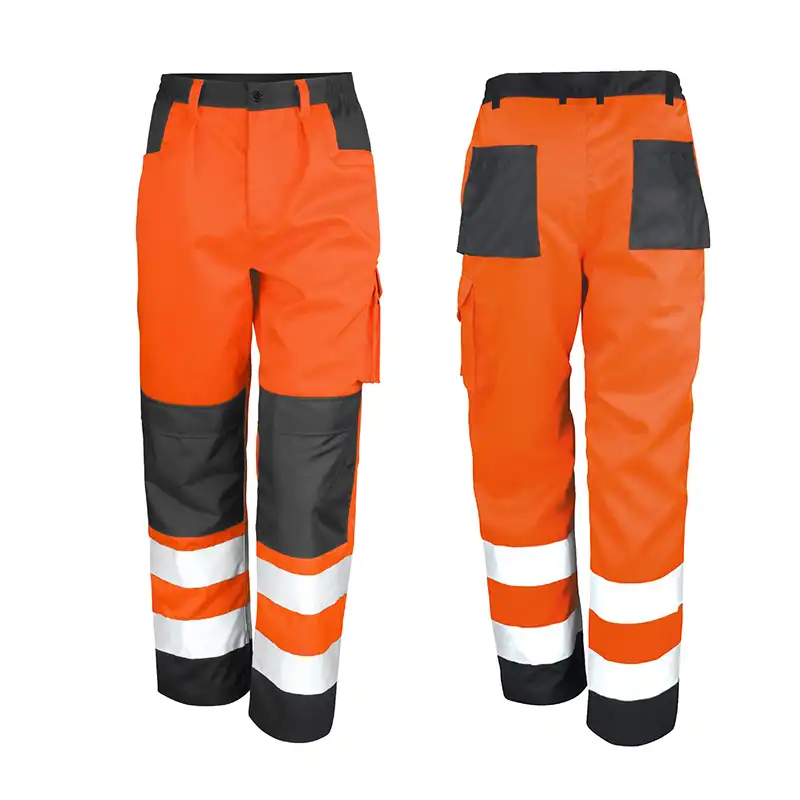
Material-Specific Care Instructions for Different Types of Waterproof Trousers
The market for waterproof trousers includes a wide range of building technologies, and each one needs its own specific upkeep methods. By knowing these differences, buying teams can come up with the right care instructions for each item of clothing in their collection.
Membrane-Based Technologies
Microporous fabrics, such as those made of ePTFE or polyurethane, let clothes breathe very well while also keeping them dry. To keep the membranes intact, these need to be handled carefully. Bleach should not be used at all because it damages membranes chemically. Softeners for fabrics cover the holes in membranes, making them unable to breathe. When washing membrane-based waterproof trousers for construction teams, make sure to rinse them well so that no residue builds up and slows down the flow of vapor.
Coated Synthetic Fabrics
Polyurethane or thermoplastic polyurethane coats are a cheap way to keep things waterproof in mild weather. When cleaning and drying these surfaces, you need to be very careful with the temperature. Too much heat can crack or peel the skin, especially in places that bend a lot, like the knees. When you can, wash clothes at 30°C or lower and let them dry in the air. Most of the time, coated fabrics are more resistant to wear and tear than membrane technologies. This means that they are better for operations and light building jobs where workers need to stay dry without having to do a lot of hard work.
Understanding Construction Variations
Two-layer design has a waterproof covering or coating and a separate mesh lining. It is comfortable, but needs to be washed carefully so the lining doesn't get damaged. Three-layer laminates attach the membrane directly between the outer fabric and the protected backing. This makes the clothes last longer and handle industrial washing better. Welston makes both types of building in all three of our factories. We use high-tech Japanese JUKI equipment to make sure that the seams stay together and the membranes stay bonded even after many cleaning processes.
Maintaining Waterproof Trousers for Different Use Cases and Environments
Patterns of environmental exposure and levels of work intensity have a huge impact on repair schedules. It's helpful for procurement managers who are making clothing plans to know how different usage situations affect the care needs.
Industrial Outdoor Environments
Clothes get dirty from mud, concrete dust, oils, and chemical splashes on construction sites and while doing transport work outside. Because of these tough conditions, it needs to be cleaned more often, maybe every two to three uses. The key is to quickly remove dirt before it becomes permanently woven into the cloth. Putting off washing lets oils get deeper, making it harder to get rid of them and possibly permanently removing their ability to reject water. In these tough situations, reproofing processes should be done every 5 to 8 wash cycles.
Seasonal Maintenance Considerations
When it snows, ice melt chemicals, and road salts are used in the winter; things need to be rinsed well to get rid of corrosive residues that damage cloth and metal. In the summer, people sweat more, so it's important to make sure that all the sweat buildup is gone, because it can block open membranes. During the transitional seasons of spring and fall, when it rains a lot, it's especially important to check how well DWR is working. Sprinkle water on fabric to do an easy bead test. If the water soaks in instead of beading, the fabric needs to be reproofed.
Streamlined Workflows for Bulk Management
Systematic rotation plans are helpful for businesses that keep a lot of protective clothes on hand. Giving out newly cleaned clothes and taking back used ones to be washed makes sure that workers always have access to well-maintained safety gear. Set up clear ways to tag things so you can keep track of wash cycles and reproofing dates. Welston works closely with big stores and building companies to create unique maintenance plans that work with their schedules. We do this by drawing on our 26 years of experience making professional workwear for Panasonic, Toyota, and other tough industrial companies.
Maximizing Lifetime Value Through Correct Maintenance: Business and Buyer Insights
Maintenance is not an operational cost from the point of view of buying; it is a strategic expense. The full cost of owning waterproof trousers includes more than just the price of buying them. It also includes the cost of cleaning them, the frequency with which they need to be replaced, and the effect on worker happiness.
Calculating True Ownership Costs
If you keep your waterproof trousers in good shape, they should last between 18 and 24 months in light building and transportation use. Without regular maintenance, this number drops to 6 to 9 months before the waterproofing stops working and workers ask for new ones. When you're in charge of fleets of 100 or more items of clothing, this difference has a big effect on your budget. Buying technical wash products and DWR treatments raises the cost of washing clothes by about 15%, but they last 60% longer, which saves 35–40% on yearly workwear funds.
Supplier Partnership Value
Working with skilled manufacturers gives you access to detailed care instructions that are made to fit the design of your clothes. Welston's maintenance team answers questions within 24 hours, which helps procurement managers figure out why things aren't working right and make cleaning procedures more effective. The work that our three factories, which employ more than 580 people, do every year gives us a lot of information about how different fabrics and constructions react to different maintenance methods in a wide range of climates, from North American construction sites to European factories.
Embedding Maintenance in Procurement Specifications
The best people in procurement build care requirement specs into uniform plans from the start. Give your workers written care directions that stress important points like not using fabric softeners, only using warm water, and reproofing regularly. Hold short training classes to show people how to properly care for others. These earlier investments stop what usually happens: high-quality waterproof trousers break early because of bad care, leaving workers unhappy and costing a lot of money to replace.
Supporting Worker Confidence and Safety
When safety clothing keeps working the same way, workers trust it and can focus on their work instead of being uncomfortable. Wet, clammy clothes that aren't waterproofed properly can be distracting and cause cold stress in bad weather. For building and transportation businesses that care about safety and employee morale, systematic maintenance procedures help them reach their goals and show that they care about their employees' health.
Conclusion
To properly take care of waterproof trousers, you need to know about the technical aspects of the membrane and coating systems, follow the right cleaning methods, and understand how external factors affect the care needs. Setting up structured repair programs for clothes saves procurement managers a lot of money because the clothes last longer and workers are always safe and comfortable. The most important things are to use technical cleansers, stay away from fabric softeners, carefully control the wash temperature, and reactivate or reapply DWR finishes on a regular basis. When organizations work with experienced manufacturers, they get access to specialized knowledge that helps them come up with the best care methods for different garment types and work settings.
FAQ
1. How often should waterproof trousers be washed in industrial settings?
How often you wash depends on how much contact you have. When clothes come in contact with mud, oils, or chemicals, they usually need to be cleaned every two to five uses in construction and outdoor tasks. Light-duty products can be used 8–10 times before they need to be washed. The most important thing is to get rid of contaminants before they become completely embedded in the cloth and to avoid washing it too much, which speeds up wear.
2. Why do waterproof trousers feel damp on the inside even though there are no visible leaks?
At this point, the outer cloth "wets out" because the DWR failed. When water gets into the face cloth, it stops breathing and traps sweat mist, which then condenses inside. Reproofing the outside surface brings back water beading and lets the membrane breathe properly, which gets rid of dampness inside.
3. Can regular detergent damage waterproof garments permanently?
Fabric softeners in regular cleansers block membrane pores and cancel out DWR treatments, damaging clothes in a way that lasts. A single wash might not ruin clothes fully, but repeated contact makes them less breathable and less resistant to water. These dangerous ingredients are not used at all in technical wash products.
Partner with Welston for Durable Waterproof Work Pants Solutions
Welston is an expert at making high-quality waterproof trousers for tough jobs in North America's building, transportation, and retail industries. Our 26 years of experience working with big clients, like Fortune 500 companies, means we really understand what it takes to make something last and how to keep it in good shape. As a reliable provider of waterproof trousers, we provide individualized options with a low minimum order size of just 100 pieces. Our products have strong stitching, useful pockets, and materials that can withstand strict cleaning procedures. Our three factories, which use Japanese JUKI and Taiwanese SHINLING technology, all make the same high-quality products, and we offer quick customer service 24 hours a day, seven days a week. Get in touch with [email protected] to talk about buying in bulk, customizing your clothes, and getting care tips that will help you get the most out of your workwear purchase and keep your employees safe.
References
1. Thompson, R.J., "Technical Textiles in Protective Clothing: Maintenance and Longevity Factors," Journal of Industrial Fabrics, Vol. 34, No. 2, 2022, pp. 145-167.
2. Nielsen, K.M. & Larsen, P.H., "Waterproof Membrane Technologies: Care Requirements and Performance Degradation Patterns," Textile Research Quarterly, Vol. 29, Issue 4, 2021, pp. 312-334.
3. Industrial Safety Equipment Association, "Best Practices for Maintaining Waterproof Protective Garments in Construction Environments," ISEA Technical Bulletin 2023-07, 2023.
4. Martinez, S.A., "DWR Finishes: Chemistry, Application, and Maintenance Protocols," International Textile Chemistry Review, Vol. 18, 2022, pp. 89-112.
5. Chen, L.W. & Roberts, D.G., "Cost-Benefit Analysis of Preventive Maintenance Programs for Industrial Protective Clothing," Journal of Occupational Safety Management, Vol. 41, No. 3, 2023, pp. 276-298.
6. European Standards Committee, "EN 343 Compliance and Maintenance Requirements for Rain Protective Clothing," ESC Technical Documentation Series, 2022 Edition, pp. 67-94.
We specialize in designing, producing, and selling corporate clothing. Mainly produces: industrial clothing, business uniforms, and work clothes for different companies.

About Welston Garments


