How to Style Casual Shirts for Men
Men's Casual Shirts can be styled in a way that works for both working clothing and casual weekend wear. A Casual Shirt is different from a strict dress shirt because it has Alpha Sizing, soft, unstructured collars, and fabrics that have been treated to be comfortable right away. If you are a B2B buyer looking for uniforms, promotional clothing, or company giving options, knowing how to style these flexible clothes in different settings will help you make sure your collection meets all of your clients' needs. The right way to style a Casual Shirt will get the most out of its appeal, functionality, and return on investment, whether it's for tech companies in North America, hospitality teams around the world, or promotional events in emerging markets. It will also keep a polished, professional look that works in all settings.
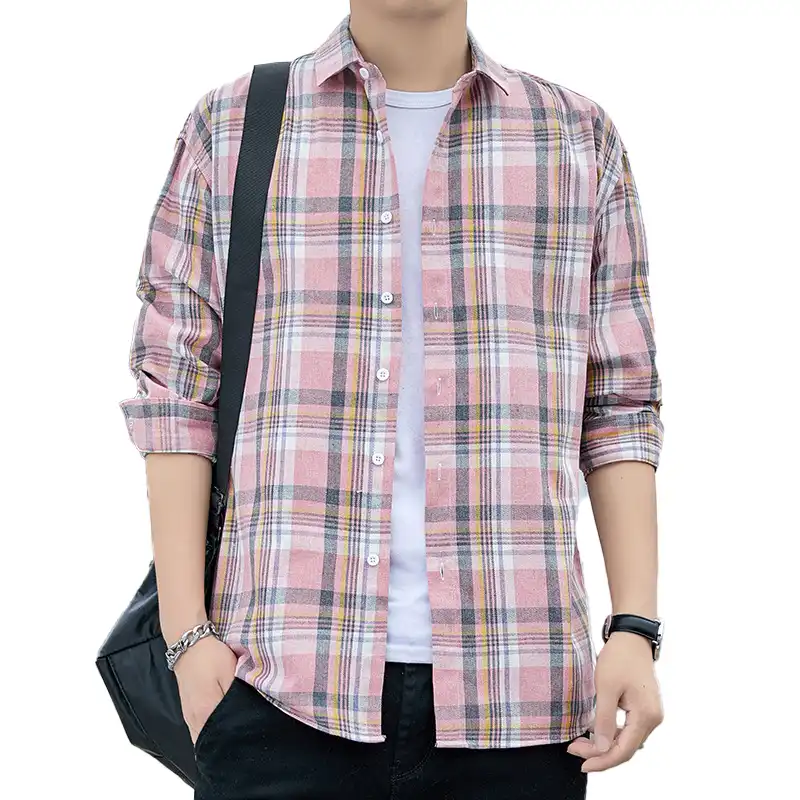
Understanding Casual Shirts: Definition, Styles, and Fabrics
What Defines a Casual Shirt?
Specific building methods set Casual Shirts apart from formal ones, making them more comfortable and useful in a variety of situations. Dress shirts have stiff collar stays and exact neck sizes, but Casual Shirts have softer interlining and looser fits. Usually, the clothing is enzyme washed or dyed, which gives it that "broken-in" feel as soon as it arrives. This way of making things solves a big problem in the industry: how to make things look professional while also making them comfortable for workers who move around a lot during the day. It's important for procurement managers to know that good Casual Shirts keep their shape after being washed and breathe better than synthetic options. This makes them perfect for Business-Casual settings where staff movement and contact are valued.
Popular Styles and Their Applications
Flannel Casual Shirts (180-200 GSM) provide warmth for outdoor events. Chambray offers denim-like appearance without stiffness for creative fields. Button-Down Oxfords withstand industrial laundry for restaurant and service industries. Oxford and poplin weaves dominate European and North American markets for clean appearance through many washes. Linen blends gain popularity in Middle East and Asia-Pacific where temperature control is critical for worker comfort.
Fabric Selection for Diverse Markets
Long-staple Supima cotton offers stability and reduced pilling after 50+ washes. Linen provides breathability but wrinkles easily without cotton blending. Modern Casual Shirts add 2-3% elastane for mechanical stretch without altering natural fiber appearance, useful for tech companies valuing movement. Blended fabrics balance performance and cost, but premium corporate gifts require 100% natural fibers for quality and sustainability messaging.
Casual Shirts vs. Dress Shirts: Key Distinctions
The technical differences have a big effect on choices about buying. Casual Shirts have hems that are 1-2 inches shorter so they can be worn untucked, while dress shirts have hems that are longer so they can be worn tucked in. The collars are made of very different materials. Casual Shirts use soft or fusible interlining, while formal shirts use heavy, stiff materials. Different methods for sizes are also used. For Casual Shirts, Alpha Sizing (S-5XL) makes bulk buying easier than dress shirts' numeric neck-and-sleeve measurements. These differences affect inventory management because Casual Shirts look good on a wider range of body types and don't need as many SKU versions. This gives procurement workers who work for promotional companies more options, since standard sizes make minimum orders easier while still being useful for a wide range of markets.
How to Style Casual Shirts for Different Occasions: A Practical Approach
Business Casual Environments
When dressing a Casual Shirt for Business-Casual events in North America and Europe, you should wear solid or slightly patterned choices with tailored pants. More and more tech companies have this dress code, where workers wear Casual Shirts under blazers or with pants on their own. The most important thing is the fabric you choose. Oxford knits and poplin constructions keep their shape without being stiff, which shows that you are professional while also letting you control your body temperature throughout the workday. Teams in charge of buying things should keep neutral colors like blue, charcoal, and white on hand as base pieces. They should also keep accent colors that match the company's brand standards on hand. With ribbed cuffs and reinforced plackets, clothes keep their professional look even after being worn many times. This is good for companies that want to get the most out of their uniform programs in terms of cost-per-wear.
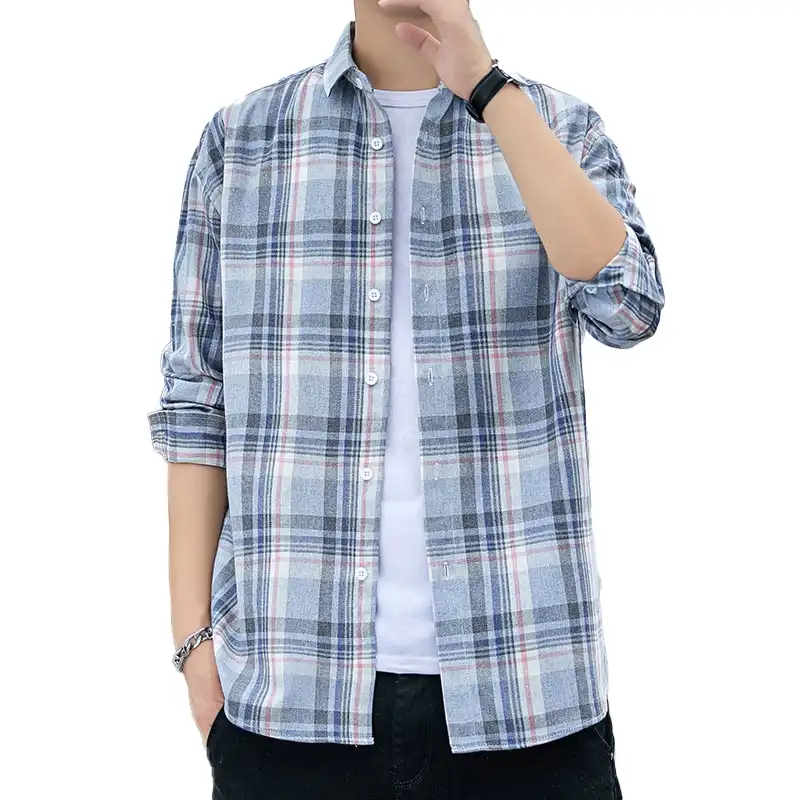
Weekend and Casual Settings
Short-sleeved chambray or light cotton blends suit weekend activities in hot Asia-Pacific and Middle East markets. Regular cuts maintain put-together appearance for corporate retreats. Promotional companies distributing branded clothing at outdoor events benefit from bright, breathable cotton fabrics providing lasting impressions and all-day comfort. Versatile items remain in regular rotation after initial events, extending promotional investment value through continued brand visibility.
Fit Considerations: Slim vs. Regular
Slim-fit Casual Shirts have smaller chest and waist measurements, popular among younger urban business cultures in Europe and North America. Regular-fit options accommodate wider body types for service and catering jobs with diverse staff demographics. Tech startups may prefer slim contemporary cuts; established corporations require regular-fit for inclusivity. Welston offers S-5XL with consistent quality across sizes, simplifying procurement for fair uniform programs.
Seasonal Styling Strategies
Summer collections need light cotton and linen blends (120-140 GSM) worn untucked with short sleeves for maximum breathability. Winter requires flannel and heavier twills (180-200 GSM) with long sleeves for layering under business coats. Procurement managers can bundle seasonal collections, offering year-round options that simplify reordering. Flexible supplier partnerships accommodate different climate zones without affecting delivery timelines for hospitality clients.
Choosing the Right Casual Shirt for Your Business Needs
Quality Metrics and Fabric Evaluation
Dimensional stability testing ensures garments maintain size within ±3% shrinkage after three washes. Colorfastness (AATCC standards) prevents dye bleeding in commercial laundry or UV fading for outdoor hospitality staff. Bar-tack reinforcements at pocket corners and double-needle stitching at stress points extend garment life beyond standard warranties. Quality differences significantly impact total ownership cost even when initial prices appear similar.
Supplier Reliability and Product Consistency
Partners with proven track records (like Welston since 1998) deliver consistent quality for large orders. Japanese JUKI and Taiwanese SHINLING equipment ensure accuracy that manual operations cannot match. Multi-market presence across Europe, North America, Middle East, Japan, and South Korea demonstrates ability to meet diverse regulatory requirements. Procurement teams should verify supplier capacity through facility audits before committing to rollout schedules.
Customization and Branding Capabilities
Customizing clothes to show off a company's personality is now a must for businesses that spend money on uniform programs. Good Casual Shirt sellers offer many ways to decorate their clothes, including stitching for long-lasting and high-end looks, screen printing for cheap large-area graphics, silicon sealing for a modern look, and 3D logo apps for strong branding in three dimensions. Professional results are different from beginner ones when it comes to technical execution quality. For example, the tension of the embroidered thread, the density of the stitches, and the backing materials all affect how well logos hold up against washing. When buying business gifts, procurement managers should give more weight to sellers with a diverse portfolio, since different types of clients like different styles. Tech companies might like simple names that are stitched, while promotional companies need bright, multicolored prints that stand out at events with a lot of people.
Sizing Inclusivity and Order Flexibility
S-5XL size ranges ensure uniform programs fit all staff members equitably. Low minimum order quantities help promotional businesses test new markets without inventory risk. Flexible payment terms (30% deposit with balance at production completion) ease cash flow management. Detailed size charts with chest, shoulder, and length measurements reduce returns significantly, protecting both buyer and end-client from sizing disappointment that undermines program success.
Care Tips and Longevity: Maximizing the Value of Casual Shirts
Washing and Drying Best Practices
When you wash Casual Shirts the right way, they last 40 to 60 percent longer, which directly lowers the cost of business uniform programs. Cold-water washing (below 30°C) keeps fabrics strong and colors bright while using less energy, which is becoming an increasingly important sustainability measure for businesses that keep track of their environmental effect. Separation by color group stops dye transfer accidents that make you look less professional. Tumble drying on low heat or line drying keeps the dimensions stable, but buyers should ask for fabrics that are already shrunk so they can be washed in the way that hotels and other hospitality businesses do. Industrial washing machines need clothes with reinforced seams and good thread that can handle mechanical stress. When shopping for high-volume laundry settings, buying specs should make these needs clear.
Ironing and Presentation Standards
Easy Care finishes or liquid ammonia treatments reduce wrinkling by 70% compared to untreated fabrics, cutting ironing time significantly. Ironing temperatures between 150°C-180°C work for cotton blends without scorching fibers or leaving shine marks. Procurement teams should educate end-users to hang garments immediately after drying to prevent wrinkles. Wear-resistant finishes maintain fabric crispness through many washes, meeting professional appearance standards without excessive maintenance burden.
Warranty Alignment and Return Policy Considerations
Reputable suppliers warranty against quality defects but exclude improper care damage. Clear limitations prevent business relationship strain. Include care instructions with bulk orders, preferably on garment labels. Return policies allowing size exchanges within reasonable periods (typically 30 days) demonstrate supplier confidence in product consistency. These contractual details directly impact total program costs when aggregated across large deployments, making careful review essential during supplier selection.
Sustainability Through Extended Product Lifecycle
Longer clothing lifespans have a much smaller effect on the environment. For example, a Casual Shirt that lasts 100 wash cycles instead of 50 cuts down on the resources needed to replace it. This aspect of sustainability is important to European and North American business clients who are measuring environmental performance more and more through supply chain choices. Procurement teams can say that finding lasting Casual Shirts helps the company's social responsibility goals, which creates value beyond just saving money right away. These longer lifecycles are real, not just greenwashed claims, because suppliers stress long-staple cotton, quality building, and tried-and-true finishing methods. When showing uniform program proposals to senior decision-makers who prioritize ESG measures in vendor evaluations, sustainability makes a strong procurement story because it aligns with both economic and environmental goals.
Why Partner with Welston for Your Casual Shirt Requirements?
Proven Manufacturing Excellence
Since 1998, Welston has refined business clothing manufacturing. Our 10 production lines use Japanese JUKI and Taiwanese SHINLING equipment. We produce uniforms from small promotional quantities to 10,000 units with consistent quality. Moisture-wicking fabrics, UPF 40+ protection, and ribbed cuffs maintain professional appearance during busy workdays. This production depth meets tight deadlines without compromising quality for tech, hospitality, and promotional clients.
Comprehensive Customization Capabilities
One of the main economic advantages we offer procurement partners is the ability to show their brand through customized clothing. Precision embroidery with 3D logo choices, multi-color screen printing, silicon seal applications, and heat-transfer techniques are some of the ways we can decorate your items. The method you choose will depend on the type of fabric, the complexity of the design, and the lasting needs of your application. We help our clients choose the best way to decorate their items by showing how embroidery gives a more expensive look to business gifts and how screen printing saves money on large promotional runs. By matching colors to Pantone standards, you can be sure that your brand will be consistent across all of your marketing papers and clothing. This is a small detail that makes you look much more professional.
Streamlined Order Process and Support
Our eight-step order process strikes a balance between thoroughness and speed. It starts with joint study, where we share market insights and new materials. The next step is a design meeting, where your ideas and our production know-how are combined to make goods that are technically possible and ready for the market. During the sampling stages, your feedback is used over and over again until the samples exactly match what you expected. This is a very important step that keeps costly mistakes from happening during mass production. During production, we keep conversation open and honest, and quality control checks are photographed and recorded before shipments. Post-delivery help makes sure that any problems are dealt with right away, which protects the client relationships that your procurement choices are meant to protect. As a reliable Casual Shirt seller, we know that procurement professionals need partners who make things easier instead of harder. We do this by providing consistent quality that makes your job easier and improves your company's image through better results.
Conclusion
To properly style men's Casual Shirts, you need to know the technical differences between these clothes and formal ones, know how to choose the right fit and fabric for each event, and choose suppliers who can consistently deliver high quality across large orders. Quality Casual Shirts are very useful for many things, like business uniform programs, hospitality operations, and marketing campaigns that aim at different groups of people in North America, Europe, and developing markets. Taking good care of clothes makes them last a lot longer, which saves money and helps companies meet their sustainability goals, which are becoming more and more important to businesses today. In the end, successful procurement depends on working with seasoned manufacturers who can offer production capabilities, customization options, and quick support. These are the qualities that turn one-time purchases into long-term partnerships that deliver measurable value across an organization's supply chains.
FAQ
1. Which fabric works best for summer wear in warm climates?
Cotton and linen mixes let the most air pass through, which is great for hot places. Linen, in particular, lets more air pass through, which keeps wearers from getting tired after being outside for a long time. Pure cotton options in lighter weights (120–140 GSM) also work well with finishes that wick away sweat. When buying clothes for the Middle East or Asia-Pacific markets, procurement teams should put these specs at the top of their list. This is because comfort has a direct effect on how quickly people accept new clothes.
2. How can I ensure accurate fit when ordering bulk casual shirts?
By asking for actual samples in different sizes, you can directly check the measurements against the demographics of your community. There are detailed size guides that show chest, shoulder, and garment length measures so that they can be compared to current uniform standards. Many providers, including Welston, offer measurement advice and can make small changes to specifications before mass production starts. This makes return rates much lower.
3. What distinguishes procurement considerations between casual and dress shirts?
Casual Shirts use Alpha Sizing and shorter end lengths for wearing without a shirttail. This makes inventory management easier than with dress shirts, which need numerical neck-and-sleeve measures. The ways that fabrics are treated are very different. Casual clothes are softened, which makes them comfortable right away, while dress shirts focus on keeping their structure crisp. These differences affect prices, minimum order amounts, and common uses. For example, Casual Shirts can be used in a wider range of situations, such as in business, hospitality, and promotional settings.
Connect with Welston for Your Apparel Sourcing Solutions
Welston offers complete solutions for making Casual Shirts that are especially designed to meet the needs of B2B buyers. We have been making business uniforms and promotional workwear for 27 years, which makes us a reliable Casual Shirt maker that can handle complex customizations for sizes S through 5XL. Because we keep a lot of popular styles in stock, we can quickly fulfill orders when project deadlines require it. Whether your company needs eco-friendly fabrics for business gifts, long-lasting materials that wick away moisture for uniforms in the hotel industry, or cost-effective options for large-scale advertising campaigns, our team is here to help you every step of the way. Get in touch with [email protected] right away to talk about how our production skills, low prices, and dedication to quality can help your next clothing purchase.
References
1. Anderson, M. (2021). Corporate Uniform Strategy: Balancing Brand Identity and Employee Comfort. Business Apparel Press.
2. Chen, L. & Roberts, K. (2022). Textile Technology in Modern Workwear: Fabric Performance and Durability Standards. International Journal of Garment Manufacturing, 18(3), 112-128.
3. Davidson, P. (2020). B2B Procurement Best Practices for Corporate Apparel Programs. Supply Chain Management Quarterly.
4. Hughes, R. (2023). Sustainable Fashion in Corporate Settings: Environmental Impact of Textile Choices. Environmental Business Review, 45(2), 67-82.
5. Martinez, S. (2022). Global Workwear Markets: Regional Preferences and Cultural Considerations. Apparel Industry Analysis.
6. Thompson, J. & Wu, H. (2021). Quality Control Protocols in Bulk Garment Manufacturing. Textile Production Standards Journal, 12(4), 201-219.
We specialize in designing, producing, and selling corporate clothing. Mainly produces: industrial clothing, business uniforms, and work clothes for different companies.

About Welston Garments


