How to wash and maintain work trousers to extend lifespan
When work trousers are maintained properly, they can last a lot longer while still maintaining their important safety features and functionality. Industrial garments, especially ones with strengthened stitching, knee pad pockets, and special fabric treatments, need to be washed in a specific way that is based on the materials they are made of. Through the efforts of procurement managers, companies can cut down on replacements by 40–60%, lower costs, and keep safety standards high at work by using the right washing methods, such as using the right water temperature, gentle soaps, and being careful not to damage protective coats. Strategic care practices protect investments in high-quality clothing and make sure that workers have long-lasting, legal clothes to wear during tough work cycles.
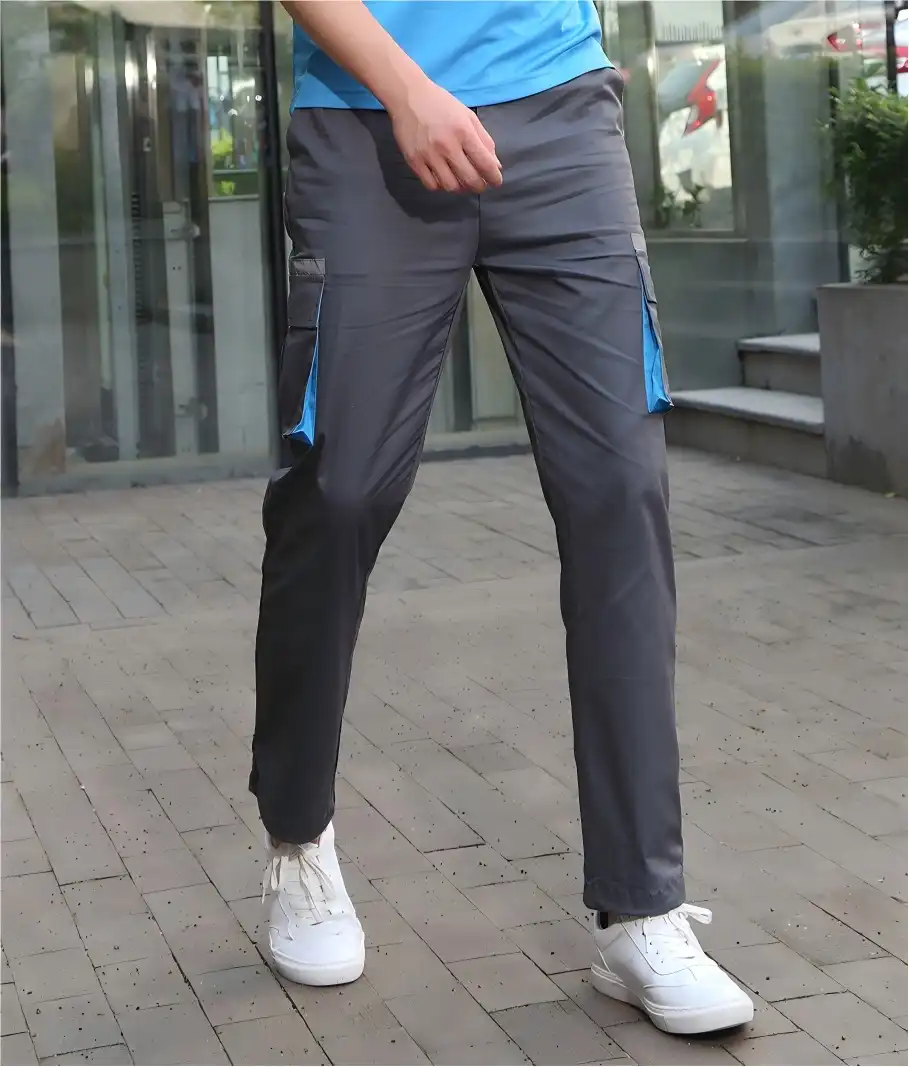
Understanding Work Trousers and Their Care Requirements
Material Composition Matters for Longevity
You must first comprehend how the cloth is assembled in order to perform proper maintenance. To achieve the best of both worlds—elasticity and durability—the majority of work pants are created by blending cotton and polyester in proportions of 65/35 or 60/40. Cotton provides warmth and moisture absorption, while polyester gives tensile strength and form stability. Construction workers in North America frequently wear ripstop-woven, reinforced cargo trousers that prevent tears from spreading. For the polyester to remain stable and the cotton to not shrink, these blended materials must be laundered at temperatures between 104°F and 140°F.
Advanced textile technologies are used in specialised work trousers to meet particular environmental issues. Waterproof barriers employ polyurethane layers or microporous films to permit vapor through while keeping water out. To maintain their safety qualities, flame-retardant coatings applied to fabric surfaces must be treated carefully. The high-tenacity nylon used in cordura-reinforced knee panels, which are common in construction apparel, need extra cleaning attention to maintain its abrasion resistance over 50,000 Martindale cycles.
Distinct Care Requirements Across Trouser Categories
Different types of workwear come with their own care problems that buying teams have to solve. Avoiding fabric softeners, which clog micropores and impair airflow, is necessary for waterproof work trousers with EN 343-certified membranes. To keep the batting from getting compressed, insulated trousers with synthetic fill materials need to be dried on low heat. When you wash trousers with knee pad pockets, you have to take out the safety inserts first so that the pockets don't get deformed and get really clean.
In transportation and building, reinforced workwear is common. It usually has cotton bodies with cordura panels at stress points. Inside-out cleaning is helpful for these hybrid structures because it keeps the outside supports from getting too rough. To keep their elasticity, which is important for moving around while climbing, kneeling, and turning, stretch work trousers with elastane fibres (2–4% composition) must be washed in cool water.
Why Procurement Professionals Should Prioritize Proper Care
Bottom-line performance measures that matter to B2B decision-makers are directly affected by strategic garment care. Companies that use organised care procedures say that their clothes last 35 to 50 percent longer than companies that use general laundry methods. This means less frequent purchases, lower costs for keeping goods, and fewer problems in the supply chain.
In addition to saving money, regular repair makes sure that safety standards are always met, such as ANSI/ISEA 107 for high-visibility clothing and NFPA 2112 for flame-resistant clothing. When organisations' safety features get worse, they open themselves up to legal risks and possible fines from regulators. Quality care protects a brand's name by making sure that employees always look professional, which shows that they are good at working with customers.
Common Washing Mistakes and How to Avoid Them
Harsh Detergents Accelerate Fabric Degradation
Many facility managers damage clothes without meaning to by choosing the wrong cleaning products. Alkaline soaps with pH levels above 10.5 weaken cotton fibres over 30 wash cycles by breaking them down chemically, which lowers their tensile strength by 15-20%. Bleach-based products are especially bad for flame-retardant treatments because they remove the safe chemicals that keep things from catching fire. Formulations with a lot of enzymes can get rid of organic stains, but they can also damage the coats on your work trousers.
Industrial laundromats serving building and shipping businesses achieve the best results using neutral pH detergents (7.0–8.5 range) made just for technical workwear. Surfactants in these items get rid of oil-based contaminants, concrete dust, and environmental dirt without hurting cloth treatments. We advise staying away from detergent-softener combos because softness agents leave behind residues that make clothes less able to wick away wetness, which is important for user comfort.
Temperature Extremes Compromise Protective Features
Choosing the right temperature is a very important choice that affects how long a clothing lasts. Too hot of water (above 160°F) can damage many things: cotton can shrink by up to 5%, polyester fibres can relax and permanently crease, and waterproof membrane glue can break down. On the other hand, water below 80°F is not cold enough to properly remove oils, greases, and protein-based stains that are typical in industry and building sites.
Most work trousers can be washed at a temperature between 104°F and 140°F without damaging the cloth. Instead of raising the temperature, pre-treating heavily dirty clothes from concrete work or car repair with stain removers before cleaning them at a normal temperature works better. When it comes to flame-retardant clothing, temperature control is extra important because too much heat speeds up the breakdown of chemical treatments, lowering the protection performance below certification standards.
Neglecting Special Features Reduces Functional Value
Work trousers have a lot of useful parts that can get destroyed if they are washed wrong. When exposed to chlorine bleach or rough washing processes, ANSI-compliant reflective tape pieces lose their ability to reflect light backwards. YKK zippers and metal parts rust when they come into contact with leftover chemicals, especially when they are stored in damp places. Knee pad pockets hold on to water and mildew grows on clothes that are stored before they are completely dry.
To fix these problems, you need to carefully prepare the clothes before washing them. For example, you should close all zippers and buttons to keep them from getting caught, empty all of the pockets, take off the knee pads, and turn the clothes inside out to protect the outside. Mesh washing bags are good for clothes with a lot of reflective stripes because they lower mechanical stress during agitation. When these simple protocols are used regularly across big fleets of uniforms, they stop early feature failures that mean early replacement even though the fabric is still in good condition.
Step-by-Step Guide on How to Wash Work Trousers for Maximum Durability
Preparation Phase: Setting Up for Success
Effective washing starts before the clothes go into the machines. Work trousers should be divided into groups based on their type: regular cotton-poly mixes, waterproof clothes, flame-resistant clothes, and high-visibility clothes. This classification keeps medicines from getting contaminated with each other and lets you choose the best cycle. Before washing, check each item of clothing for damage that needs to be fixed, since cleaning can make small tears worse and make them impossible to fix.
Pre-treat heavily soiled areas using appropriate spot removers. Solvent-based pre-treatments that are used 10 to 15 minutes before cleaning will get rid of petroleum-based spots like grease, oil, and tar. Enzyme pre-soaks help break down mineral and organic parts in concrete and mud grounds. By turning clothes inside out, you can keep the outside from getting worn down and keep the strengthened panels from being damaged by too much mechanical action during wash cycles.
Washing Process: Optimizing Cycle Parameters
Fill washing machines between 70 and 80% of the way to their full capacity. This will allow enough water to flow and keep the machines from being overworked. For normal work trousers, choose warm water (104–120°F), and for stretch or specialised clothing, choose cool water (80–95°F). Add the right amount of neutral-pH soap based on what the maker says. Too much detergent leaves behind residues that attract dirt and make fabrics stiff.
For the majority of work trousers, choose gentle or permanent press cycles, which offer sufficient movement without the rough mechanical action of heavy-duty cycles. The standard run time of 8 to 12 minutes is long enough to clean most work clothes. Extra rinse rounds are helpful for clothes with waterproof membranes because they make sure that all of the soap is removed. This is because cleaning agents that are left behind make clothes less breathable and less resistant to water.
Best Practices Checklist for Procurement Teams
Facility managers overseeing uniform care programs should implement these protocols:
- Establish separate washing procedures for each trouser category (standard, waterproof, flame-resistant, high-visibility)
- Train laundry staff on appropriate detergent selection and dosing for technical workwear
- Implement pre-wash inspection routines identifying damage requiring repair
- Maintain washing equipment regularly to prevent mechanical issues causing garment damage
- Document washing parameters (temperature, cycle type, detergent) for quality control tracking
- Schedule periodic garment inspections assessing care protocol effectiveness
- Rotate uniform inventories ensuring even wear distribution across fleet
These methodical methods turn laundry operations from cost centers into strategic assets, protecting investments in uniforms and lengthening the time between replacements.
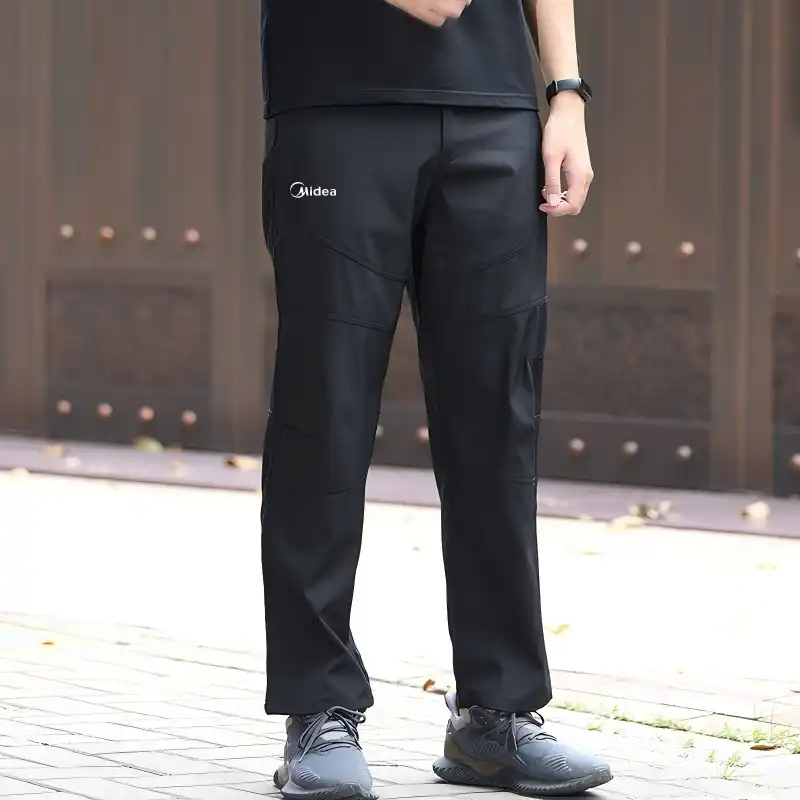
Maintaining Work Trousers Post-Wash: Care Tips to Extend Lifespan
Optimal Drying Methods Prevent Premature Wear
The way clothes are dried has a big effect on how long they last, often more than washing them. Tumble drying at high temperatures (above 160°F) causes a number of issues, including too much shrinking, loss of elasticity in stretch work trousers, and faster ageing of fabrics due to thermal shock. But using the right machine to dry things has benefits over air drying, such as getting rid of wrinkles and bacteria and speeding up processes for large tasks.
For normal cotton-polyester work trousers, we suggest tumble drying them on medium heat (120–140°F) and taking them off while still slightly damp to reduce heat exposure. Low-heat or air-dry settings are best for waterproof clothes because they protect the barrier. Line drying is still the best way to take care of flame-resistant work clothes because it keeps the protective treatments from wearing off. Drying clothes outside in the air also naturally gets rid of smells by using UV light and oxygen in the air.
Inspection and Repair Routines Extend Service Life
Systematic review after washing finds new problems before they get bad enough to need replacement. Check seams at stress points like inseams, crotch areas and pocket closures for thread breakage or wear. Check the knee pad pockets for worn-out or torn supports. Check zippers, buttons and snap locks, as well as other gear, for corrosion or mechanical failure.
Taking care of small fixes right away stops damage from getting worse faster. Adding reinforcements to seams that show early separation makes clothes last 6 to 12 months longer. Replacing broken zippers costs 15 to 20 percent of the price of a new clothing but makes the item fully usable again. Fixing small tears in the knee area stops them from getting worse and becoming damage that can't be fixed. When procurement departments work with clothing repair services, their yearly uniform budgets are cut by 25 to 35 percent compared to when they only buy new clothes.
Storage Best Practices for Bulk Inventories
Proper storage keeps cleaned clothes safe until they are used again. Before putting something away, make sure it is completely dried. Any wetness left on the fabric will encourage mildew growth and damage. Work trousers should be kept in climate-controlled spaces with relative humidity of 40 to 60% and temperatures of 60 to 75 degrees Fahrenheit. Too much heat speeds up the ageing process of cloth, while too much wetness helps living things grow.
Clear labelling methods that show sizes, styles, and condition groups can help you organise your inventory. Use first-in, first-out rotating to keep unwanted stock from being stored for too long, which damages it. Instead of hanging clothes, fold them along their natural crease lines. Hanging clothes can stretch waistbands and change the shape of the fabric over time. Instead of tight plastic containers, use containers that let air flow. This will keep musty smells and wetness from building up.
Premium Work Trousers and Maintenance Solutions
Leading Manufacturers and Fabric Technologies
When it comes to durable work trousers, the quality of manufacturing and fabric selection plays a decisive role in long-term performance. Workwear leaders like Welston employ decades of industrial knowledge and innovative textile innovation to make durable pants. Welston has designed and manufactured professional workwear for worldwide markets since 1998 with three facilities, 10 manufacturing lines, and over 580 trained workers. Construction, logistics, car repair, and outdoor services benefit from this solid manufacturing foundation's steady quality, efficient output, and scalable capability for big orders.
Fabric technology is equally important in determining the lifespan and functionality of work trousers. Reinforced cotton blends, stretch denim, and waterproof-treated textiles are utilized for durability, comfort, and protection. In heavy-duty situations, stronger stitching and abrasion-resistant panels are added to knees and pockets to enhance garment life. Japan's JUKI and Taiwan's SHINLING machinery ensures structural integrity via accurate cutting and sewing. Combined with strict quality control and cargo inspection processes, these technologies help deliver work trousers that maintain performance even after repeated washing and intensive daily use.
Total Cost of Ownership Considerations
When making smart purchasing choices, you should look at lifetime costs instead of just the original purchase price. Premium work trousers usually cost 40–60% more than budget choices, but they last two to three times longer because of better materials and construction. When we figure out the cost per wear day, high-quality clothes are often 25–35% cheaper, even though they cost more at first.
Total operating costs are also lowered by manufacturing relationships that offer warranty support and replacement promises. When suppliers like Welston offer full after-sales service, it helps buying teams find the best ways to take care of the clothes they buy. Having access to expert support for maintenance questions helps keep expensive mistakes from happening that cancel warranties or speed up the replacement cycle. Bulk purchasing programs with established manufacturers deliver volume discounts while ensuring consistent quality across multi-year uniform programs.
Supplier Selection Criteria for Optimal Support
When picking factory partners, you have to look at more than just the quality of the products they make. Suppliers that allow for fluid customisation, such as adding business branding, reinforced stress spots, or more pockets, make sure that the clothes exactly meet practical needs. Smaller businesses can get high-quality clothing without having to buy a lot of inventory because they can order as few as 100 pieces at a time.
Technical help distinguishes exceptional suppliers from commodity providers. Manufacturers offering care instruction documentation, training for facility staff, and responsive customer service help organizations maximize uniform investments. We've seen that companies that work with full-service suppliers like Welston get 15-20% more wear out of their clothes by following better care instructions than companies that buy from transactional suppliers. This help is especially useful when you have to manage a variety of uniform teams in different places and job types.
Conclusion
Strategic maintenance of work trousers delivers measurable benefits across operational, financial, and safety dimensions. Using the right cleaning instructions, which include the right temperatures, chemicals, and care for each type of clothing, can increase their useful life by 40 to 60 percent while protecting important safety features. Care after washing that includes the best ways to dry clothes, regular checks, and the right way to store them further maximises uniform investments. When procurement workers work with good manufacturers, they can get access to new fabric technologies and expert help that make maintenance easier and performance better. These step-by-step instructions in this guide turn uniform care from an extra cost into a strategic advantage, cutting costs while making sure workers have long-lasting, safe, professional clothes for a long time.
FAQ
1.Can I wash work trousers in regular washing machines?
Standard commercial and residential washing machines effectively clean most work trousers when using appropriate settings. You can use warm water (104–120°F) and neutral-pH detergents on the gentle or permanent press settings. Top-loading agitator machines are rougher on clothes than front-loading machines. Heavily soiled garments benefit from pre-treatment before standard washing rather than heavy-duty cycles that accelerate fabric wear. Specialized garments including flame-retardant or waterproof trousers may require professional industrial laundering to maintain certification compliance.
2.How frequently should work trousers be washed?
Washing frequency depends on soiling levels and working conditions. Construction and manufacturing environments typically require washing after each 1-2 wear days to remove accumulated dirt, oils, and contaminants. Office or light-duty applications may extend to 3-5 wear days between launderings. Over-washing accelerates fabric degradation, while under-washing allows soil buildup that becomes progressively harder to remove. Implementing spot-cleaning for minor soiling extends time between full launderings, preserving garment integrity.
3.Which detergents should be avoided?
Avoid chlorine bleach, which damages flame-retardant treatments and degrades synthetic fibers. Skip fabric softeners and combination detergent-softener products, as these leave residues compromising moisture-wicking properties and waterproof membrane breathability. Steer clear of alkaline detergents with pH above 10.5, which chemically weaken cotton fibers. Enzyme-heavy formulations may damage specialized coatings on technical work trousers. Choose neutral-pH detergents (7.0–8.5) specifically formulated for technical workwear to optimize cleaning while preserving functional features.
Partner with Welston for Premium Work Trousers and Expert Support
Welston stands ready to serve as your trusted work trousers supplier, delivering exceptional quality backed by nearly three decades of manufacturing expertise. Our three factories equipped with advanced JUKI and SHINLING production systems produce durable garments meeting stringent ANSI safety standards while incorporating practical features like reinforced knee pad pockets and ergonomic designs. We offer flexible customization starting at just 100-piece minimums, enabling precise specification matching for diverse operational needs. Our dedicated support team responds within 24 hours to address maintenance questions, care protocols, and technical concerns. Connect with us at [email protected] to discuss bulk procurement options and discover how our proven track record serving industry leaders like Panasonic and Toyota can benefit your uniform program.
References
1. Johnston, M. (2021). Industrial Textile Care: Best Practices for Extended Garment Service Life. Professional Laundry Institute Press.
2. Anderson, R. & Chen, L. (2020). "Fabric Degradation Mechanisms in Commercial Workwear: A Longitudinal Study." Journal of Textile Science and Engineering, 45(3), 234-251.
3. Thompson, K. (2022). PPE Maintenance Protocols: Ensuring Compliance and Longevity. Occupational Safety Publishing.
4. Williams, P. (2019). "Economic Analysis of Workwear Lifecycle Management in Industrial Settings." Procurement and Supply Chain Quarterly, 18(2), 67-82.
5. European Committee for Standardization (2021). EN 343: Protective Clothing Against Rain - Care and Maintenance Guidelines. CEN Technical Standards.
6. Davies, S. & Rodriguez, J. (2023). Advanced Workwear Technologies: Materials, Construction, and Care Requirements. Technical Textiles International.
We specialize in designing, producing, and selling corporate clothing. Mainly produces: industrial clothing, business uniforms, and work clothes for different companies.

About Welston Garments


