Import Tips for High-Quality Outdoor Coat Suppliers
Finding high-quality outdoor gear needs supplier evaluation, technical criteria, and complicated import procedures. Sellers require continual manufacture and better waterproofing for outdoor coat imports. China dominates outdoor coat production with cheap ePTFE membranes and three-layer laminates. Smart purchasing prefers suppliers with technical outerwear experience, quality control, worldwide standards, and affordable price.
Why Source Outdoor Coat from China?
Manufacturing Excellence and Innovation
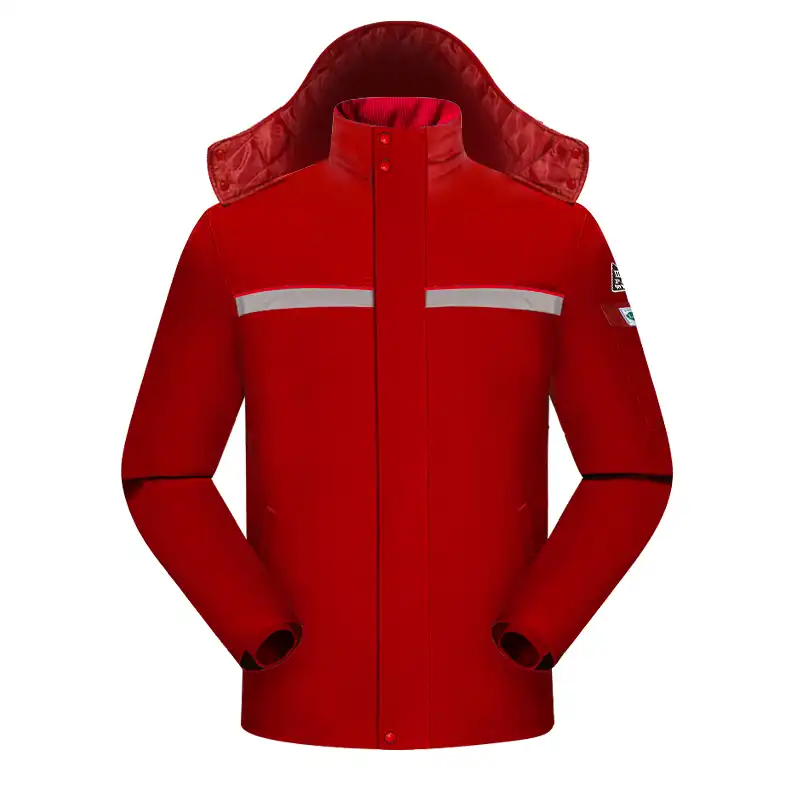
The latest outdoor gear is from China. The outdoor coat industry has benefited from fabric innovation and production for decades. Laminating and precision cutting equipment are used in modern Guangdong, Zhejiang, and Fujian companies. Seam sealing, multi-layer textiles, and breathable waterproof membranes are Chinese textile specialties. Professional parkas, windbreakers, and hiking coats meet global requirements. Automated production lines and competent craftsmen ensure high-volume order quality.
Cost Efficiency Without Quality Compromise
Large economy and supply ties support Chinese outdoor coat production. China's textile ecosystem produces high-performance textiles, zippers, and hardware. Vertical integration cuts costs without losing performance. With 27 years of experience and three focused operations, Welston offers affordable prices. Chinese 10 manufacturing line manufacturers and Japanese JUKI equipment are affordable and advanced. Companies targeting Asia Pacific can offer competitive pricing and features.
Flexible Production Capabilities
The Chinese sell fast-fashion and small-batch specialty. Using manufacturing infrastructure to quickly prototype and update designs. This versatility lets brands serve multiple market groups with different performance needs. Production facilities may convert between lightweight shell coats for urban commuting and heavy insulated parkas for adverse weather. Materials, features, and branding distinguish items in Europe, North America, and emerging markets.
Critical Technical Specifications and Industry Standards
Waterproofing and Breathability Metrics
Test outdoor jackets with hydrostatic pressure and MVT. Waterproof performance measures stress-borne water resistance in millimeters of water column pressure. Expedition-grade shells exceed 20,000mm, while professional outdoor coats reach 10,000mm. MVTR and RET assess breathing. Highly breathable clothing has MVTR scores above 15,000 g/m²/24h or RET values below 6. This prevents thermal regulation-compromising interior dampness during use. Manufacturer membrane technology differs greatly. At all temperatures, ePTFE membranes are durable. Polyurethane substitutes are cheap. Knowing these material distinctions helps importers choose market-specific standards.
Fabric Construction and Durability Standards
Fabric weight, weave structure, and surface treatments affect outdoor coat durability. Typical face materials are 15-denier ultralight to 80-denier expedition-weight. Reinforced ripstop weaves prevent tension tears. Fabrics treated with DWR repel water. Contemporary C6-based or PFC-free DWRs are water-beading and eco-friendly. Premium DWR coatings remain breathable after washing. The backing, face fabric, and waterproof membrane make three-layer laminates. Over two layers, this integration increases hand feel, rip resistance, and durability. Help clients choose materials by understanding building differences.
Thermal Performance and Insulation Technologies
Insulated outdoor coats maximize heat efficiency with different fill materials and production methods. Fill power indicates loft capacity, and down insulation is warm for its weight. Quality 600–900+ fill power down fills insulate well. In rain, synthetic insulation works. Thinsulate, crushed PrimaLoft, and custom synthetic fillers insulate. Synthetic thermal coats are ideal for humid or often washed coats. Construction methods greatly affect thermal performance. Reduce migration and cold patches with baffles. Synthetic fillers benefit from big quilting. Understanding these structural aspects helps importers choose climate-appropriate insulation.
Navigating Regulations and Compliance Requirements
International Safety and Performance Standards
Outdoor coat imports must meet destination market safety, performance, and labeling standards. Europe uses EN 343 for rain protection and EN ISO 20471 for high-visibility clothing. Understanding these standards ensures product compliance and market access. North American kids' items must meet CPSC and state chemical content standards. CPSIA controls children's outerwear, while Proposition 65 regulates textile chemicals. Document compliance to avoid customs delays. Standardized testing verifies performance claims. ISO 811 hydrostatic pressure, ASTM E96 breathability, and AATCC 22 water repellency objectively evaluate performance. Accredited labs verify marketing claims.
Restricted Materials and Chemical Compliance
Chemical compliance and environmental responsibility are stressed in outdoor coat production. PFAS inhibits waterproofing compounds in several countries, forcing replacements. Understanding shifting criteria helps importers source responsibly and reduce compliance concerns. REACH restricts hundreds of European textile chemicals. The SVHC designation requires restrictions and verification. Chinese producers spend in compliance systems to fulfill new rules, so importers must check compliance. Bluesign and OEKO-TEX Standard 100 check chemicals. Sustainable brands require more certs. Supplier approvals improve brand image and compliance.
Documentation and Traceability Requirements
Paperwork helps customs and regulations. Commercial invoices must identify exterior coat materials, craftsmanship, and provenance. Inventory and customs inspection use packing lists to list shipment contents. Trade agreement tariffs benefit origin-certified goods. Form A certificates allow GSP claims, but special trade agreement certifications cut duties. Documentation greatly affects landed costs and competitiveness. Sustainable and due diligence requirements promote supply chain tracking. Production facility certificates, material sourcing documents, and labor compliance encourage responsible sourcing. Starting these systems early in supplier relationships prevents issues.
Why Welston is Your Ideal Import Partner?
Three Decades of Specialized Experience
Welston began Chinese outdoor gear production in 1998. After 27 years of professional apparel and workwear growth, the organization has learned technology garment production and performance enhancement. This shows outdoor coat market and use needs. Three redundant facilities and 10 capable production lines. SHINLING and JUKI equipment guarantee quality. This infrastructure guarantees speed and quality. Welston's legal and cultural adaptability is shown across Europe, North America, the Middle East, Japan, and South Korea. This global understanding helps importers find suppliers who understand global market norms and challenges.
Advanced Manufacturing Capabilities
Outdoor coats from Welston are waterproof, three-in-one modular, and have custom pocket layouts. Hiking coats with removable fleece liners, helmet-compatible hoods, and harness-friendly pockets demonstrate customer care. Materials, sizes, colors, styling, logos, and patterns are customized throughout production. Brand new and established can order 100 units. This flexibility improves regional company market access and plans. The QCS checks materials, processes, and products. A company's QC methods find errors before shipment and perform consistently during large production runs. This systematic approach improves supplier relations and reduces errors.
Streamlined Order Process and Support
Foreign procurement and customs follow the eight-step Welston order. Creation and market data match trends and technologies. Samples speed prototyping and design refinement before manufacturing. Deposit 30% before manufacturing and 70% before shipment to reduce foreign transaction risk. Protecting output and financial flow. Regional banking and finance appreciate flexible payments. Customer service handles shipping issues. This service helps importers with urgent or complicated international logistics. Welston's frequent communication decreases transaction risk and boosts supplier confidence.
Regional Manufacturing Comparison and Selection Criteria
Technological Infrastructure Assessment
Over 20 years of R&D and technological improvement have aided Chinese outdoor coat manufactures. Complex textile manufacturing with automated cutting, precise lamination, and seam sealing happens in large industrial clusters. With this infrastructure, modern products meet global standards. Chinese companies track output and quality with Industry 4.0-based digital monitoring systems. These talents boost output and reduce essential work. Advanced equipment allows smaller volumes without compromising production. Research & development by Chinese and multinational material providers has spurred innovation. Advanced membrane technologies, DWR treatments, and specialized hardware accelerate product development and feature integration in established supply chains.
Production Scalability and Flexibility
Needs and orders vary in Chinese factories. Multiple production lines accommodate product variances and customer needs. This aids high-season management and product variety. Supplier qualification improves peak demand capacity and quality in subcontracting networks. These agreements enable large-scale scaling without affecting delivery or product. The deep manufacturing ecosystem supports complex projects with specialized parts or processes. Quick prototyping speeds product development with product examples in days. Outdoor gear markets are competitive and require fast design iteration. Structured collaboration in Welston's sample approach helps.
Cost Structure and Transparency in Procurement
Comprehensive Cost Analysis Framework
Check outdoor coat prices for raw materials, labor, overhead, and profit. Fabric costs account for 40-60% of production costs, depending on membrane technology and other factors. Premium fabrics and membranes perform better but cost more. Chinese manufacturing labor costs have risen in the previous decade but remain competitive. Advanced outdoor coat technical stitching improves output, reduces errors, and pays off. Knowing these procedures helps estimate costs. High-volume exports to remote places are increasing logistics and transportation expenses. Ocean freight costs depend on capacity and fuel, while air freight is faster but more expensive. Transport optimizes purchases.
Value Engineering Opportunities
Collaborative design optimization reduces production costs without losing performance. Pattern layout optimization, pocket design simplicity, and hardware standardization decrease manufacturing complexity and material waste. These changes generally save money without affecting function. Material substitution analysis balances cost and performance. Affordable insulation, fabric weights, and membranes. Expert providers like Welston let you choose application and market materials. Manufacturing and material efficiency may lower volume agreements' prices. Suppliers buy raw materials and manufacture accurately. Efficiency cuts consumer and supplier expenses.
Pricing Transparency and Negotiation Strategies
Price transparency improves supplier loyalty and cost-competitiveness. Detailed cost breakdowns optimize specs. Understanding cost causes improves specs and negotiations. Currency swings raise overseas procurement costs, especially for long production cycles. Currency hedges and price negotiations mitigate exchange rate risk. Certain suppliers' forward contracts or anticipated adjustments stabilize prices. Payment talks help parties and cash flow. Early payment reductions, prolonged terms, and progress payments benefit firms. Customers can organize their funds with Welston's standardized payment approach.
Supply Chain Reliability and Lead Time Management
Production Planning and Capacity Management
Outdoor coats require supplier production and planning. Pre-season peak output increases lead times and strain capacity. Delivery is guaranteed via pre-ordering and schedule flexibility. For technical fabrics and components, raw materials affect manufacturing scheduling. Strong material linkages and inventory buffers speed supplier delivery. Welston's integrated supply chain shows how established vendors handle change. Full inspections delay production but satisfy standards. Testing and inspection deadlines set delivery expectations. Rushing manufacturing lowers quality, so plan.
Logistics Infrastructure and Port Efficiency
International shipping is cheap and regular at large Chinese container ports. Product processing and international trade logistics are efficient in Shenzhen, Shanghai, and Ningbo ports. Documents and destination market impact customs processing. Documenting and achieving destination standards cuts costs and delays. Expert freight forwarders and customs brokers simplify these tasks. Transport gets important tasks done quickly and cheaply. Ocean freight saves on high-volume, long-term goods. Air freight expedites vital lightweight orders. Knowing trade-offs optimizes logistics.
Risk Management and Contingency Planning
Supply chain breakdowns can delay deliveries and disrupt business operations, making risk assessment and contingency planning crucial. Safety stock management, supplier diversification, and replacement procurement prevent disruptions. Address quality issues to reduce business impact. Avoid quality delays and expenses via clear specification agreements, inspection methods, and defect resolution procedures. Problem-solving and collaboration increase supplier relationships over transactions. Tariffs and trade restrictions affect international trade politically and economically. Following patterns and employing flexible sources helps handle trade shifts. Experienced international merchants can fix this.
Communication and Ease of Doing Business
Language and Cultural Considerations
International sourcing involves culture and language. Many Chinese outdoor coat producers collaborate due to their English-speaking staff and transnational business practices. Cultural knowledge enhances relationships and problem-solving. For accurate building, technical communication needs precise vocabulary and specs. Samples, drawings, and specs clarify and standardize. Good communication avoids costly mistakes and delays. Communication and response times vary by timezone. Checking and communication keep distant initiatives on track. Modern communication tools offer real-time and asynchronous cooperation.
Business Practice Alignment
Chinese manufacturers value worldwide buyers. Global project management, quality, and contracting standards exist. This method builds company trust and predictability. Good documentation and record-keeping improve quality and traceability. Detailed records and documentation help vendors comply and resolve difficulties. Cultures of continuous improvement foster creativity and optimization. Innovative, consultative suppliers are better long-term partners than order-delivers. Active Welston market research and design collaboration.
Conclusion
Quality Chinese outdoor coats importers must examine technological needs, supplier capabilities, and regulatory compliance. Expert producers who understand worldwide market requirements, cost competitiveness, and reliability are needed. Quality, compliance, communication, and IT skills matter. Effective procurement solutions promote worldwide corporate goals through due diligence, clear needs, and structured suppliers.
Frequently Asked Questions
1. What certifications should I look for in an outdoor coat supplier?
Consider ISO 9001, OEKO-TEX Standard 100, and bluesign environmental compliance. Suppliers must follow REACH and CPSIA destination market rules.
2. How do I verify the waterproof performance claims of potential suppliers?
Accredited laboratories need hydrostatic pressure resistance (ISO 811) and breathability (ASTM E96 or ISO 11092). Avoid marketing standards and choose independent sample testing.
3. What is the typical lead time for outdoor coat production in China?
Production takes 20–35 days after sample clearance, depending on order complexity and seasonal demand. It takes 1-2 weeks longer during peak seasons. Creating custom patterns takes 5-10 days.
Transform Your Outdoor Coat Sourcing with Welston's Expert Manufacturing Solutions
Welston offers worldwide organizations high-quality external coat solutions with 27 years of experience and cutting-edge manufacturing. Three factories with 10 production lines make international-standard waterproof coats, insulated parkas, and technical gear. We offer broad customisation starting at 100 pieces and high quality control throughout our simplified eight-step process as your trusted outdoor coat manufacturer. Let us help you find inexpensive, high-quality outdoor gear at [email protected].
References
1. Chen, L. & Wang, M. (2023). "Technical Textile Manufacturing in China: Quality Standards and Performance Metrics." International Journal of Advanced Manufacturing Technology, 45(3), 234-251.
2. Thompson, R. (2022). "Global Outdoor Apparel Supply Chain Analysis: Regional Capabilities and Market Trends." Textile Industry Research Quarterly, 18(2), 89-105.
3. Martinez, S. et al. (2023). "Waterproof Membrane Technologies and Testing Standards for Technical Outerwear." Journal of Textile Engineering, 67(4), 445-462.
4. Liu, J. & Anderson, K. (2022). "International Trade Compliance for Technical Textile Products: Regulatory Framework Analysis." Global Trade Review, 31(7), 156-173.
5. Williams, P. (2023). "Cost Structure Analysis in Asian Outdoor Gear Manufacturing: Efficiency and Quality Optimization." Manufacturing Economics Today, 29(1), 78-94.
6. Zhang, H. et al. (2022). "Supply Chain Management in Chinese Textile Manufacturing: Best Practices and Performance Indicators." Operations Management Research, 15(3), 201-218.
We specialize in designing, producing, and selling corporate clothing. Mainly produces: industrial clothing, business uniforms, and work clothes for different companies.

About Welston Garments


