Polyester Trousers Buying Guide: How to Choose the Best Fit
It takes more than just looking through catalogues to choose polyester trousers for your company. The right fit mixes how well the fabric works with the needs of the workplace. This way, you can be sure that your team gets clothes that are durable, comfortable, and good value for money. This guide walks you through important choice points, such as how to understand the properties of synthetic fibre and how to negotiate large orders with reliable makers. Making smart choices about polyester work trousers can protect your investment and keep your employees happy in tough environments, whether you're dressing building crews, business teams or logistics staff.
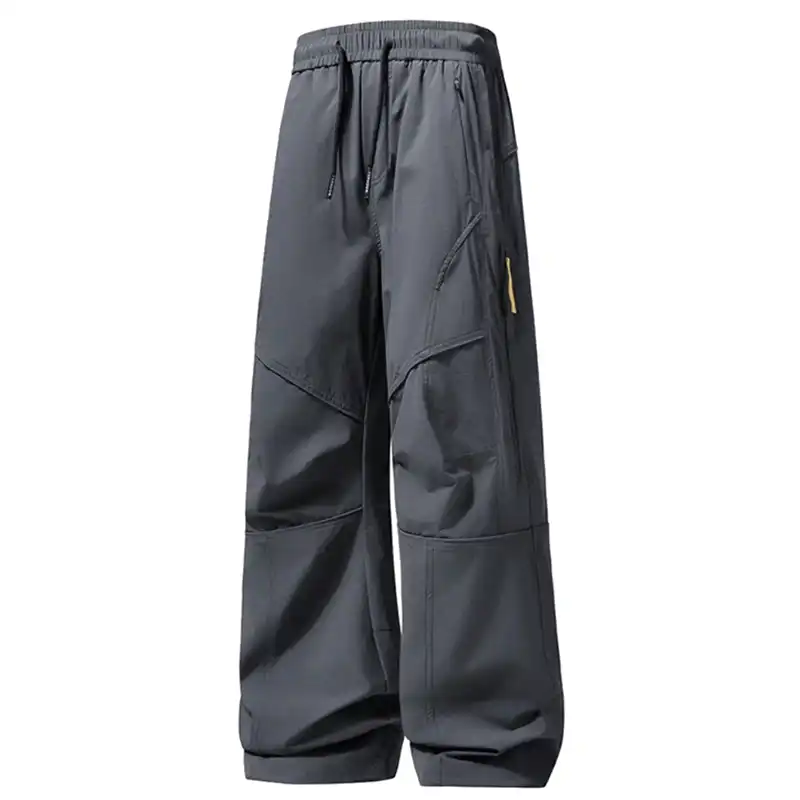
Understanding Polyester Trousers: Fabric, Features, and Benefits
What Makes Polyester a Strategic Choice for Workwear
Polyethylene terephthalate (PET) plastics are used to make polyester trousers. These trousers are made through melt-spinning processes that make fibres with the same diameter and strength. One common problem is that cotton wrinkles easily and costs a lot to maintain. Another is that wool doesn't last long against friction, and it can be hard to get all of the colours to match when you order a lot of it. With today's production methods, these man-made fibres are turned into microfibre weaves and textured fabrics that work well for business attire, industrial settings, and outdoor performance gear.
The thermoplastic nature of the material lets manufacturers set permanent creases that can withstand commercial laundering. This requires a lot less maintenance work than natural fabrics. When figuring out the total cost of ownership for uniform programs in various places, procurement managers like this property.
Comparing Performance Against Natural and Synthetic Alternatives
Polyester is obviously a better choice than cotton, wool, nylon or flax for work wear. The fibre has a very high strength to weight ratio, often 5 to 7 g/dtex. Which means that clothing created with it will survive longer in high-friction settings. Cotton absorbs water and dries slowly, while the hydrophobic nature of polyester permits just 0.4% of water to be reabsorbed, which makes it dry rapidly, which is vital for outdoor work.
These synthetic work trousers stand out in factory and transportation settings because they can handle chemicals. The substance doesn't break down when exposed to most industrial chemicals, pollution, and biological agents like mildew. This toughness is useful in places like auto shops, warehouses, and factories where workers come into contact with different materials every day. Colour stability through disperse dye methods makes sure that all teams look the same, with scores of Grades 4-5 for colourfastness against UV light and multiple washings.
Core Benefits for Industrial and Corporate Settings
For business buyers of polyester work trousers, durability is still the main reason they buy them. The abrasion strength is much higher than cellulosic alternatives, which makes clothes last longer in industrial, building, and transportation settings. Companies that sell in North America find that these qualities meet safety requirements, especially when useful features like knee pad pockets and reinforced stitching are added to the base fabric performance.
Often synthetics are misunderstood to be less comfortable. Comfort through moisture control Modern polyester pants utilise profiled fibre cross-sections and moisture-wicking finishing to provide capillary action comparable to that of treated cotton. It keeps workers comfortable and dry in climate-controlled facilities and on outdoor working sites without sacrificing the fast-drying nature of the cloth. The fabric retains its shape over several washes and wears, so hotel, commercial and retail uniform programs may continue to appear professional.
Maintenance Requirements That Impact Long-Term Value
When polyester work trousers are taken care of properly, they last longer, which makes the money spent on them more valuable. To avoid "glazing," which is heat damage where too high of temperatures flatten yarns and leave permanent shiny marks, the water used to wash these clothes must be below 150°C. Industrial laundry workers like polyester because it can stand up to harsh industrial cleaning processes without shrinking if it is heat-set correctly during production. After five wash cycles, polyester usually has less than a 1% change in size.
Because the fibre doesn't absorb much, it's easy to get rid of stains. Luckily, most spills stay on the top and don't go deep, so regular cleaners can clean the material well. When buying things, purchasing managers should ask for finishes that don't attract static electricity because pure polyester doesn't let much water back out, which causes static in dry places. To fix this problem, good manufacturers add conductive carbon filaments or use chemical anti-static treatments during the dying process.
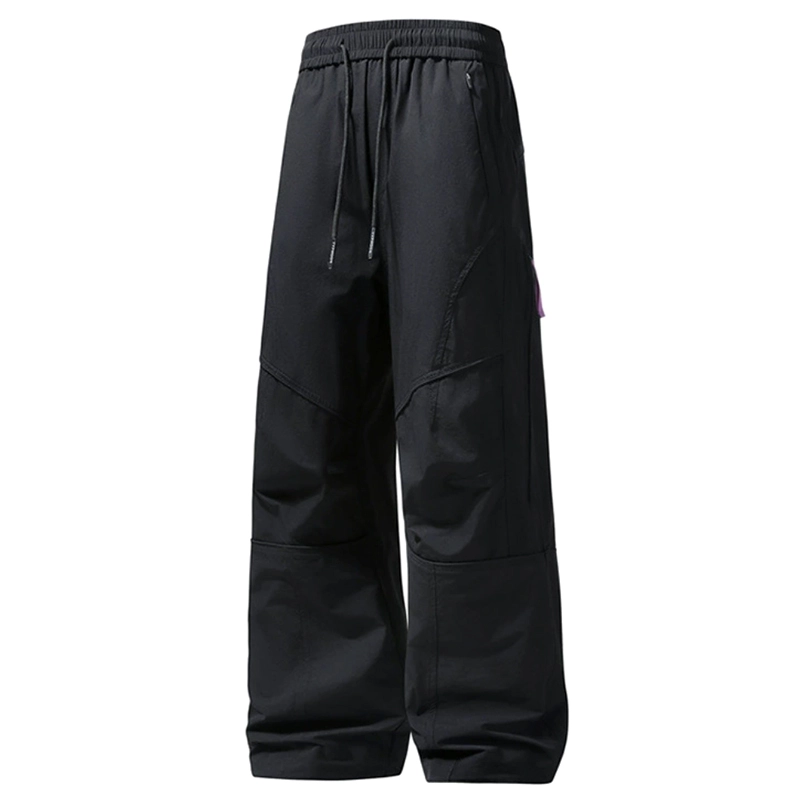
How to Choose the Best Fit: Criteria Screening for B2B Procurement
Aligning Selections with Specific Workplace Requirements
Assessment of the workplace is the basis of good pant buying. On construction sites, clothes with strengthened knees and tool bags are required, while in the workplace, clean lines and a professional look are valued. Fabric weight and weave density are affected by temperature. Lighter designs work best in warmer Asia-Pacific markets, while heavier twills are more comfortable in cooler North America and Europe.
Different industries and regions have different safety rules. Construction companies in North America have to follow ANSI standards, which means that certain jobs often need high-visibility strips or flame-resistant treatments. Anti-static properties may be needed in factories to keep sensitive electronics safe while they are being put together. Logistics companies like bags that don't tear easily and have pockets that can hold documents and personal devices. By comparing these practical needs to the specifications of available polyester trousers, purchasing choices will support operating efficiency rather than cause problems at work.
Evaluating Fabric Composition Options
Pure polyester is the strongest and most water resistant yet it might feel stiff if not polished properly. Hybrid structures combine advantages and disadvantages of synthetic materials and of natural fibres. Poly-cotton blends at 65/35 ratios don't pill and still manage to battle wrinkles and last a very long time. Poly-viscose blends provide softer hand feel textiles which are suitable for corporate environments where extended hours of sitting require more relaxation.
Buyers should enquire for information on the fabric such as the proportion of fibres, density of the yarn and any finishing processes applied. Fabric thickness is indicated by its weight, in grams per square metre. Medium usage areas work well with lighter weights (180–220 gsm), while heavier weights (260–300 gsm) provide additional durability for difficult applications. This level of technical knowledge enables you to compare supplier bids on an equal footing.
Assessing Fit Styles and Functional Design Elements
Work trousers come in straight, slim, and cargo fits to suit different jobs and comfort needs. Slim styles support professional appearances, while cargo designs provide tool storage for demanding work. Functional features such as reinforced knees, articulated panels, durable zippers, and stress-point reinforcement improve mobility, protection, and overall garment lifespan.
Prioritizing Quality Metrics and Certifications
The main goal of quality control is to fix problems with manufactured fibres. Pilling resistance testing (ISO 12945-2) should show Grade 3.5 or higher results. This can be done by air-jet spinning or singeing the fabric to get rid of the surface fibres. To keep yarn from moving when under stress, seam slipping resistance (ISO 13936) is needed. This means that seams must be stronger than 120N at key join places like crotch seams and waistbands.
Factory licenses are one technique to objectively check sure a corporation can produce items. ISO 9001 quality management systems demonstrate that every manufacturing run is carried out in the same manner. Environmental standards such as Oeko-Tex Standard 100 test the limits of toxic compounds, catering to the interests of European purchasers who are more concerned about sustainability. The GRS accreditation supports the claim of recycled polyester content and can assist to proliferate green purchasing strategies through workplace uniform initiatives.
Procurement Best Practices: From Supplier Selection to Bulk Orders
Identifying Trustworthy Suppliers and Manufacturing Partners
Reliable supplier selection ensures stable quality, delivery, and production capacity. Manufacturers with experienced teams, advanced equipment, and multiple production lines can support large uniform programs. In-house cutting, sewing, finishing, and customisation improve consistency. Effective sourcing also balances supplier location, lead times, shipping costs, sustainability requirements, and service expectations to achieve the best overall value.
Negotiating Terms for Custom and Bulk Orders
By committing to buy in bulk, you can get better prices and more customisation options. For custom polyester trousers, the minimum order quantity is usually 100 pieces. This allows for the selection of fabric blends, colour matching to company standards, and practical changes like extra pockets or reflective strips. When you buy more than 500 units of a style, you can often get tiered prices and no setup fees for custom embroidery or logo uses.
Customisation is more than just decorating. Size programs should take into account the different types of people who work there. By offering a wider range of sizes, from slim fits to plus sizes, you can make sure that all of your employees get clothes that fit them well and keep them safe. Custom inseam lengths get rid of the costs of alterations while making clothes look better and work better. Payment terms that are flexible enough to fit with procurement cycles make administration easier. This is especially true for companies that manage uniform programs in multiple locations with different rollout dates.
Sample approval processes keep people from misinterpreting specifications. Before committing resources to full production, asking for pre-production samples lets you check the fabric's hand-feel, colour accuracy, and building quality. This step is especially helpful when buying from new sources or adding new designs to uniform plans that are already in place. By keeping records of accepted samples, you can use them as quality standards when checking production supplies.
Verifying Product Standards and Supplier Credentials
Authentication stops mistakes in buying that cost a lot of money. Ask for proof that the product meets regional safety standards, such as ANSI rates for North American markets, EN standards for European buyers, or industry-specific standards like flame resistance for utility workers. Fabric performance claims about abrasion resistance, colourfastness, and dimensional stability can be backed up by test results from approved labs.
Factory audits show how operational practices affect the reliability of orders. Third-party audit reports that cover quality systems, environmental management, and social compliance make it easy to see how a supplier works. Long-term partnerships with well-known brands show that a company is trustworthy. Manufacturers that supply Panasonic, Toyota, Dell, and other similar companies have shown they can meet strict quality standards and delivery deadlines.
Responding to communication sends a message of service dedication. Suppliers who offer specialised account management and answer questions within 24 hours make it easier to process orders and solve problems. After-sales support is very important for making adjustments to the fit, reporting problems with the quality, or coordinating reorders for multi-year uniform programs that serve workers in different locations.
Maintenance and Care of Polyester Trousers to Maximize Value
Washing and Drying Protocols for Synthetic Work Pants
Synthetic work pants require controlled washing below 140°F (60°C) to protect polyester fibres. Standard detergents clean effectively, while chlorine bleach should be avoided to prevent colour damage. Polyester’s quick-drying properties allow lower-energy drying methods, such as line drying or low-heat tumbling, reducing cycle times and preventing long-term heat damage.
Ironing Techniques and Stain Management
Heat-setting during production makes permanent pleats that reduce the need to iron, but sometimes touch-ups are needed. When using steam settings that don't melt fibres, iron temperatures must stay below 300°F (150°C). When iron plates touch a garment's surface, pressing cloths keep the surface from getting shiny marks from the squeezed yarn structures. When used in commercial uniform services, steam tunnels are the best way to let fabrics relax without the risks of glazing that come with direct-contact pressing.
Polyester's ability to prevent soaking makes it good at getting rid of stains. If you clean up spills right away, they won't set, but the cloth generally doesn't take stains well. Before they can be washed, oil-based materials need to be cleaned with dish soap or special degreasers. Alcohol-based cleaners can be carefully applied to ink lines to get rid of them. Because manufactured fibres are resistant to chemicals, stronger stain removers can be used on them than on natural fibres. This gives more treatment choices for tough industrial soils.
Preventing Premature Wear and Extending Garment Life
Wear patterns are most noticeable where there is friction. During normal work activities, the areas around the knees, seats, and pockets are put under the most stress. Rotating several pairs through weekly schedules spreads out wear on clothes, which extends the lifecycle of the program as a whole. Double-layer fabrics at the knees and chairs in reinforced constructions protect areas that are likely to get worn out, which makes the slightly higher starting costs worth it because the furniture will last longer.
Static management makes clothes more comfortable to wear and less likely to attract lint, which makes them look less professional. Anti-static sprays help for a short time, but long-term options require integrating electrical fibres or applying chemical finishes during production. Static electricity is less likely to build up between wearing cycles if clothes are stored in climate-controlled areas with normal humidity. With the right care, polyester trousers can do a lot more than natural fibre alternatives. They also have a lower total cost of ownership, which is great for procurement programs that serve demanding work environments.
Making the Decision: Personalized Solution Matching and Long-Term Satisfaction
Customizing Selections for Diverse Business Needs
Role-specific requirements shape optimal trouser specifications. Dressing nicely in darker colours that hide small stains during shifts is helpful for customer-facing jobs in retail and catering. Field service technicians need cargo configurations with pockets for tools and knees that are stronger so they can kneel down while installing things. Workers in warehouses like loose fits that let them move around while they reach, lift, and use material-handling tools for long shifts.
Adapting to climate change changes the weight and design of fabrics. In the hot Asia-Pacific area, facilities need lightweight weaves that let air flow freely. In cooler North America, on the other hand, heavier twills that insulate without adding bulk are better for operations. Multi-regional companies that serve customers in many different areas can choose different types of trousers instead of pushing one answer to work in all situations. This way, they can get the best comfort and performance by making specific choices.
Activity intensity guides durability requirements. Standard-weight polyester trousers can be worn without special reinforcement in light-duty places like offices, store floors, and corporate campuses. Mid-weight constructions with bar-tack strengthened stress points work well for moderate-duty tasks in transportation, light manufacturing, and food service. Heavy-duty industrial settings need fabrics that can hold a lot of weight, seams that are strengthened, and special features that help workers do hard physical work in the building, utilities, and resource extraction industries.
Sustainable Polyester Options and Business Benefits
Recycled polyester (rPET) provides a sustainable alternative while maintaining polyester’s durability, moisture control, and easy-care benefits. Global Recycled Standard certification verifies recycled content and supports sustainability reporting. Using eco-friendly fabrics improves brand reputation, increases employee satisfaction, and gives companies an advantage in procurement processes as green purchasing requirements continue to grow.
Final Procurement Checklist for Confident Decisions
Supplier compliance checks should confirm adherence to safety standards, industry requirements, and verified fabric performance. Quality assurance procedures should define inspection criteria, AQL limits, and defect handling processes to protect purchases. Compliance also includes ethical labour practices, environmental regulations, and proper documentation, ensuring transparency and reducing risks for businesses and partners.
Conclusion
Strategic procurement of polyester trousers strikes a balance between the need for technical performance and the realities of budgeting in a wide range of work settings. Uniform program worth is maximised by knowing the properties of synthetic fibre, assessing the skills of suppliers, and following the right maintenance procedures. Whether you're dressing corporate teams, building crews, or logistics operations, making smart choices about fabric composition, fit profiles, and useful features will help keep employees comfortable and help your business run smoothly. Sustainable options with recycled material meet environmental standards without sacrificing the long-lasting and easy-to-care-for qualities that make polyester clothing a good choice for tough professional settings.
FAQ
1.What advantages do polyester work trousers offer compared to cotton alternatives?
Polyester trousers for work are better at resisting wear and tear, so they last longer in high-friction areas like transportation and building. Because they don't absorb water, synthetic fibres dry quickly, keeping you comfortable while you work while requiring less upkeep than cotton, which folds easily and needs to be ironed often.
2.How should buying managers judge sellers of polyester trousers?
Check the production capacity by looking at the size of the facility and the quality of the equipment. Also, make sure that the safety certifications meet the needs of your industry and look at client references from well-known brands. Manufacturers that keep up with ISO quality management systems and communicate clearly show the dependability that is needed for uniform programs that serve workers who are spread out.
3.Can polyester work trousers meet the needs for sustainability?
Recycling polyester (rPET), which is made from used plastic bottles, is good for the earth and keeps its performance qualities. Check claims of sustainability by using the Global Recycled Standard certification. This will make sure that the recorded recycled material supports the company's green purchasing policies and its duty to report to stakeholders.
Partner with Welston for Your Polyester Trouser Needs
Welston offers proven expertise serving B2B clients in the construction, logistics, and corporate sectors when looking for polyester trousers from a reputable manufacturer. We've had three factories with ten production lines since 1998. We keep quality control up to date with high-tech Japanese JUKI and Taiwanese SHINLING tools that make sure the same high standards are always met in the building process. Our 580-person staff can make changes to meet ANSI safety standards for customisations starting at 100 pieces. This includes logo applications, size programs, and functional changes. Get in touch with our team at [email protected] to talk about your unique clothing needs and get custom solutions backed by 27 years of manufacturing experience working with partners like Dell, Panasonic, and Toyota.
References
1. American Society for Testing and Materials. (2021). Standard Test Method for Pilling Resistance and Other Related Surface Changes of Textile Fabrics: Brush Pilling Tester. ASTM International, West Conshohocken, PA.
2. International Organization for Standardization. (2019). Textiles — Seam Tensile Properties of Fabrics and Made-up Textile Articles — Part 1: Determination of Maximum Force to Seam Rupture Using the Strip Method. ISO 13936-1:2019.
3. Wilson, J.M. (2020). Synthetic Fibers in Industrial Textiles: Performance Characteristics and Application Strategies. Technical Textiles Publishing, Manchester, UK.
4. American National Standards Institute. (2018). High-Visibility Safety Apparel and Accessories. ANSI/ISEA 107-2015, Washington, D.C.
5. European Committee for Standardization. (2020). Protective Clothing — General Requirements. EN ISO 13688:2013, Brussels, Belgium.
6. Roberts, K.L. & Thompson, D.A. (2022). Sustainable Procurement in Corporate Uniform Programs: Recycled Polyester Adoption and Environmental Impact Assessment. Journal of Business Sustainability, Vol. 15, Issue 3, pp. 112-138.
We specialize in designing, producing, and selling corporate clothing. Mainly produces: industrial clothing, business uniforms, and work clothes for different companies.

About Welston Garments


