Sun Protection Clothing for Everyday City Wear: Invisible Protection
Harmful ultraviolet radiation is a quiet health threat that most city workers don't notice on their way to and from work, during lunch breaks, and during outdoor meetings. Sun Protection Clothing is a new idea that makes it easy to add advanced UPF-rated fabric technology to everyday outfits without changing the way people look or feel. Traditional sunscreen needs to be reapplied often and can feel sticky in muggy cities. This special clothing, on the other hand, protects you against UVA and UVB rays all day long. With UPF 50+ ratings that block over 98% of UV rays, these clothes are the perfect mix of medical science and modern fashion. They make invisible protection a reality for city life in North America.
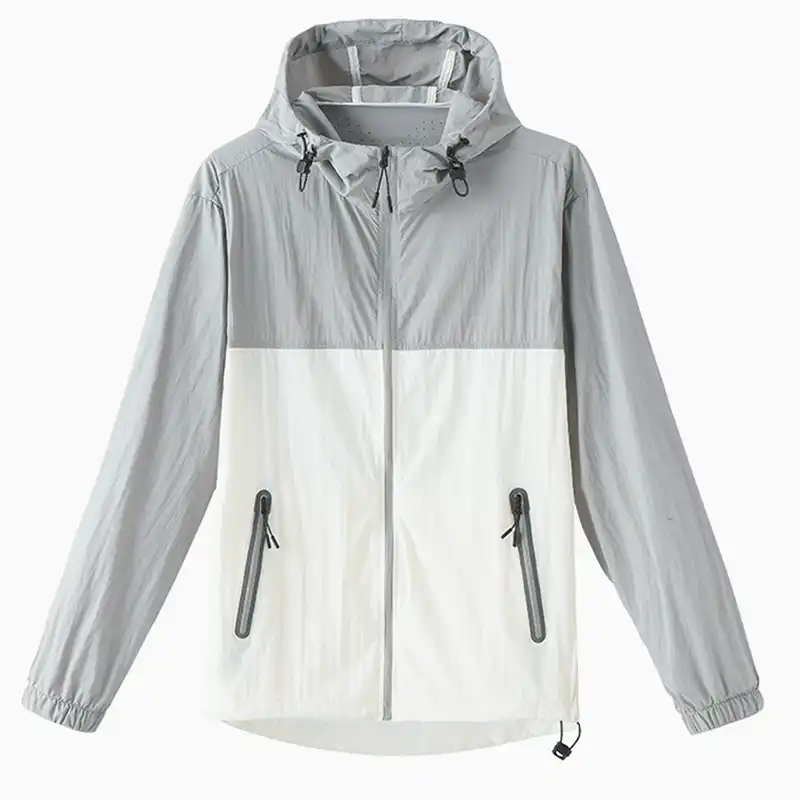
Understanding Sun Protection Clothing: The Science Behind Invisible Protection
What Makes UV-Protective Apparel Different
This is where designed fabric architecture makes the main difference between normal clothes and Sun Protection Clothing. Standard cotton shirts may only have a UPF value of 5–7, which means that a lot of UV rays can get through, especially when the shirt is wet or stretched. Technical Sun Protection Clothing, on the other hand, is made of tightly woven synthetic fibres, usually polyester mixes that have titanium dioxide particles added to them. These fibres physically stop and scatter UV rays before they reach your skin. This molecular-level protection works even when you sweat or stretch the cloth, filling in a very important safety gap in urban sun safety.
The UPF Rating System Explained
Business-to-business clients that work with outdoor stores and lifestyle brands across North America can make better purchasing decisions when they understand UPF grades. Ultraviolet Protection Factor (UPF) numbers show how many UV rays can pass through cloth. A UPF of 50 or higher means that less than 2% of UV rays can pass through. This standard testing, which is controlled by ASTM D6603 in the US, gives measurable assurance that sets high-end goods apart from regular clothes. When shopping for clothes for health-conscious city dwellers, stores should look for at least UPF 30 ratings, but UPF 50+ is the best for real sun protection.
Health Benefits for Urban Professionals
People who live in cities get too much UV light from seemingly harmless things like walking between subway stops, taking lunch outside, or waiting at crosswalks on their way to and from work. Dermatological study shows that even in mild climates, cumulative incidental contact makes photoaging and skin cancer much more likely. By adding UV-protective clothes to work outfits or everyday clothing, people can easily protect themselves without having to change how they look or how they act. Because of this useful feature, Sun Protection Clothing is especially good for business-to-business campaigns that aim to improve staff safety and health programmes within companies.
How to Choose the Right Sun Protection Clothing for Everyday City Wear
Evaluating UPF Ratings and Fabric Performance
When choosing urban Sun Protection Clothing, procurement workers have to find a mix between how well it protects and how easily it can be worn. Checking UPF badges against well-known testing standards is the first step in a thorough evaluation. In addition to basic grades, you should look at the fabric's makeup. Polyester blends that wick away moisture work better than cotton at keeping you safe when you're wet. The gramme weight of the fabric is also important. Lightweight fabrics with a weight of 120 to 150 GSM are comfortable in warm weather and keep their shape. North American distributors should look for suppliers who offer clear lab test results, so that promises can stand up to close examination by picky store partners.
Style Considerations for Different Demographics
Urban clothing that offers sun protection thrives in the market when it aligns with modern fashion trends. Men's options have expanded from basic fishing shirts to stylish button-downs, polo shirts, and quarter-zip pullovers suitable for casual work settings. Women’s designs now feature long-sleeved tunics, wrap tops, and reversible cardigans that can be worn anywhere from the office to the park. Unisex styles cater to a diverse market, appealing especially to European buyers who appreciate progressive branding. By understanding demographic preferences, distributors can curate targeted assortments, with younger consumers favoring athletic cuts and mature professionals opting for classic silhouettes, while also meeting demand for hypoallergenic fabrics.
Cost-Effectiveness and Supplier Reliability
Even though luxury clothing that blocks the sun costs more per item than regular clothing, the value offer goes beyond the price. Chemical-treated options lose their UPF effectiveness over time, but this one's design is strong enough to survive 40+ laundry cycles without losing its effectiveness. This durability makes price increases reasonable when seen as investments instead of throwaway fashion. When comparing quotes from suppliers, business-to-business buyers should look at cost-per-wear measures. They should know that good building means less replacements and happier customers.
Partnering with a supplier requires more than just looking at price charts. Reliable makers show that they can consistently produce large amounts of goods, communicate clearly about wait times, and be flexible when customers ask for changes. This standard is set by Shenzhen Welston Garment Co., Ltd., which has 27 years of experience in its field and runs three plants with 10 dedicated production lines. Their system can handle both large orders from major stores and smaller orders from boutique brands that are testing the market. This means that they can meet all of North America's procurement needs.
Top Sun Protection Clothing Solutions for Everyday Urban Use
Leading Brands and Their Technical Approaches
There are a number of well-known companies in the urban sun protection market, and each uses a different set of technology approaches. Columbia Sportswear was the first company to use Omni-Shade technology, which combines tight fabric structure with UV-blocking processes that make the fabric reflect light. Their method is based on making things easy to get, by selling UPF 50 protection at prices that most outdoor stores can afford. Coolibar stands out by using dermatologist recommendations and medical-grade cloth certifications to attract customers who are more sensitive to the sun or who want to improve their own health. This placement leads to higher prices but strong brand loyalty in niche markets.
Fabric Technologies Driving Performance
Modern fabrics that block the sun's rays are the result of advanced material engineering. To keep you comfortable in hot, humid summers in American cities, moisture-wicking features use capillary action in synthetic fibre structures to pull sweat away from the skin. Four-way stretch integration lets clothes move smoothly with your body without leaving gaps that let skin show. Quick-drying fabrics keep clothes comfortable even after heavy exercise or rain, which answers practical questions about wearing Sun Protection Clothing all day.
Advanced finishing methods improve the performance of basic fabrics. Antimicrobial treatments stop smells from developing after long wear, which is important for travel or use for more than one day before washing. Wrinkle-resistant qualities keep a professional look without washing, which is great for busy city workers. When you put these features together, they turn sun protection clothes from specialised outdoor gear into daily essentials that can fit into city life.
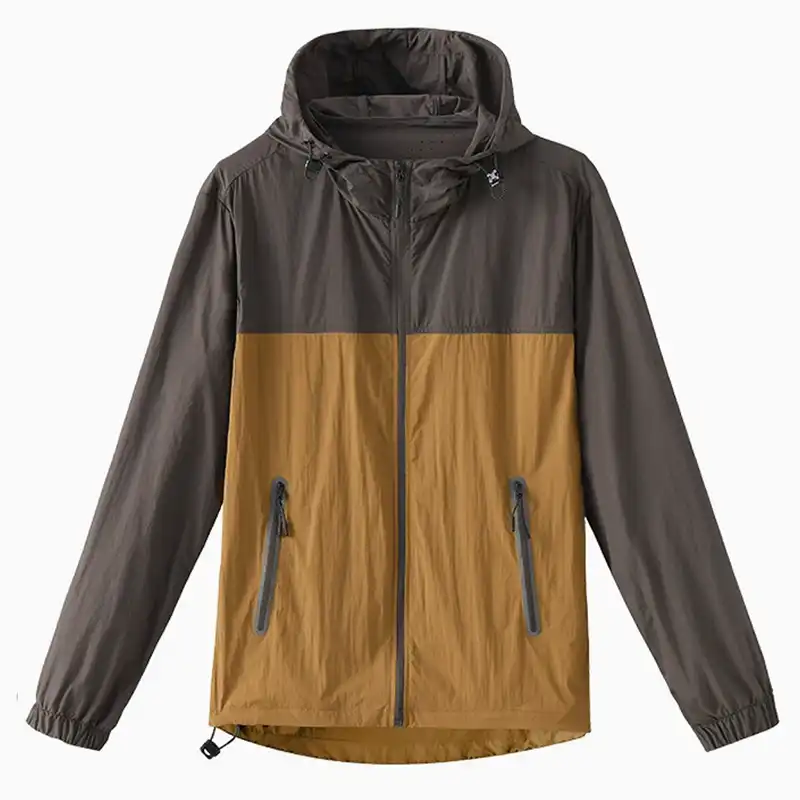
Customization Opportunities for B2B Clients
Welston's manufacturing skills show how wholesalers and business buyers can make things exactly how they want them. Private labelling is possible at our sites, and the minimum order size is just 100 pieces. This lets new names get into the market without having to commit to huge amounts of inventory. You can choose from polyester blends that are easy on the wallet to high-end recycled fabrics that meet European climate standards. Screen printing, heat transfer, and stitching are all ways to apply a logo. Each is best for a different design look and level of sturdiness.
Customising the packaging makes the brand's personality last throughout the customer's experience. You can choose from simple poly bags for big orders that want to save money to high-end folded presents with custom hangtags for stores. With sizes ranging from XS to 3XL in both normal and sports cuts, the range of sizes makes it possible to reach a wide range of people. This flexibility lets purchasing managers choose goods that are perfectly suited to the needs of their target market instead of having to settle for general requirements.
Integrating Sun Protection Clothing into Everyday Procurement Strategies
Segmenting Demand by Application Scenario
Clear demand segmentation is essential for effective purchasing strategies. Retail requires on-trend designs with strong visual marketing potential, emphasizing color variety and trend alignment. Corporate uniform programs aim to ensure a professional appearance across diverse body types and job roles. When OEMs collaborate with suppliers, they evaluate technical specifications, consistent quality, and scalable production capacity. Urban corporate wellness initiatives present new opportunities, with forward-thinking companies providing Sun Protection Clothing as an employee benefit to promote health and reduce long-term healthcare costs. The focus in these purchases is on comfort, aesthetics, and educational tools about protection, with Welston supporting these initiatives through prompt after-sales service and assistance.
Managing MOQ and Lead Time Considerations
There is a balance between inventory risk and production efficiency in minimum order amounts. Our 100-piece minimum lets small stores and business buyers get custom manufacturing without having to commit to too much stock. However, the economics per unit are better for bigger orders. Lead times depend on how customised the item is. For example, normal printing on stock fabrics and standard lead times are 4 to 6 weeks from deposit to delivery. However, specialised fabric buying or complex embroidery may take 8 to 10 weeks. Strategic procurement managers plan seasonal orders months in advance, making promises during slower production times to get the best prices and schedules.
Post-Purchase Support and Quality Assurance
The connection between a producer and a customer extends beyond shipping confirmation. Comprehensive warranties cover manufacturing defects identified during inventory checks or returns, while supply agreements outline the replacement process. Product education tools enable salespeople to effectively communicate the technical benefits of UPF ratings and fabric technologies, adding value for customers, especially when introducing sun protection items to stores lacking outdoor or technical clothing sections. Welston employs rigorous quality control procedures using advanced JUKI and SHINLING tools, checking each production batch for measurement accuracy, seam strength, and colorfastness. This strict method reduces defects and builds trust, ensuring strong relationships through multiple reorder rounds.
Practical Tips for Maximizing Invisible Sun Protection in the City
Why Conventional Approaches Fall Short
While applying sunscreen is a traditional method of sun protection, it can be impractical for city workers, parents, and commuters who cannot reapply every two hours. Most people apply only 25–50% of the recommended amount, often neglecting sensitive areas like the ears and neck. Additionally, water resistance diminishes with sweat, posing significant challenges in hot cities like New York and Dallas. Regular clothing offers inconsistent protection; for instance, a white cotton T-shirt has a UPF of 5 when dry but drops to UPF 2-3 when wet. These issues highlight why health-conscious consumers and corporate safety programs increasingly prefer engineered Sun Protection Clothing.
The Science of "Invisible Protection"
For urban sun defence to work, it needs to mix designed fabrics with well-thought-out design elements that keep protection up in real-life situations. With flat-lock seams, there are no exposed stitches that can cause hot spots and burning after long wear. Extended arm lengths with thumb holes keep the sleeves from riding up when you reach, so your wrists stay covered all day. Collar designs combine sun protection with a professional look. Many styles have hidden or convertible collar stands that can be used quietly without giving off a "outdoor gear" vibe that isn't appropriate for work settings.
Real-World Application Across Urban Professions
Think about the medicine sales person who goes from doctor's offices to other doctors' offices, getting two hours of sun exposure in the parking lot and while waiting outside. If you switch from regular business casual to UPF-rated polo shirts and pants, you can avoid this safety risk at work without hurting your reputation as a professional. The building project manager who is inspecting the site benefits from wearing light long-sleeved shirts that cover the arms while still letting air flow while they work out. People who work as delivery drivers, real estate agents, and event organisers in cities all face repeated exposure patterns that make protective clothing the best way to protect themselves.
Actionable Selection Checklist for Procurement Professionals
When buying Sun Protection Clothing in bulk, make sure of these important things: a certified UPF rating of 30 or higher with proof of testing compliance; a moisture-wicking fabric composition that works for your climate zone; good construction quality with reinforced seams and long-lasting stitching; a style that fits the purpose for which it will be used; a size range that fits your demographic needs; the ability to customise for branding purposes; the supplier's production capacity and dependability; clear pricing with clear minimum order quantities (MOQs); a warranty that covers manufacturing defects; and the availability of educational materials to help with sales.
Conclusion
Sun protection in cities involves health science, textile tech, and modern living necessities. Better clothing technologies and more awareness of UV hazards have led cities to switch from outdoor gear to daily wear. UPF ratings, fabric performance qualities, and customisation options assist North American company buyers choose where to buy products that suit consumer needs and stand out from competition. Invisible protection works because it eliminates sun safety difficulties like reapplying, greasy residue, and professional wardrobe changes, giving busy city people continuous sun protection clothing.
FAQ
1. What does UPF 50+ actually mean for everyday city wear?
UPF 50+ fabric blocks 98% of UV radiation and lets less than 2% hit your skin. UPF 50+ material may protect skin that ordinarily burns after 10 minutes in the sun for over 500 minutes (8+ hours). Standardized lab testing are done on this grade under ASTM D6603. This test measures transmittance over the whole UV band (290–400 nanometers). Though sunscreen loses effectiveness over time, this protection remains effective even when you sweat or stretch. City workers benefit from this all-day defence because they don't have to reapply during trips, outside meetings, and lunch breaks.
2. Can sun protection clothing replace sunscreen entirely?
Sun protection clothing is the finest technique to protect your skin and doesn't need to be cleaned. But it can't replace sunscreen on exposed areas like the face, hands, and neck. UPF-rated garments on your arms, chest, and legs and sunscreen on other exposed skin are the best method to keep sun-safe in cities. This blend reduces chemical protection, saving money and time on sunscreen while enhancing protection. Medical dermatology research suggests that multilayer protection is the best strategy to prevent photoaging and skin cancer in outdoor workers.
3. How do I select appropriate sun protection clothing for different seasons and climates?
Adapting to climatic change requires considering fabric weight and breathability. For warm-weather urban wear, lightweight polyester mixes 120–140 GSM with great air permeability provide UPF protection without heat buildup. Heavy materials (160–180 GSM) with brushed inside can keep you warm without compromising UV protection in cooler temperatures. Fabrics that wick moisture are vital in humid cities like Houston and Atlanta. Denver and Phoenix have more fabric options due to dry weather. Welston and other companies have annual collections that accommodate for these geographical and temporal variances. This lets shoppers follow local weather patterns.
Discover Professional Sun Protection Clothing Solutions with Welston
Welston is ready to help you with your urban Sun Protection Clothing needs because we have a wide range of manufacturing skills that have been honed over 27 years of specialised experience. Our three companies run 10 separate production lines with 580 skilled workers and high-tech JUKI and SHINLING tools that make sure the quality of every order is the same. We offer custom solutions that are made to fit your needs, whether you're an outdoor store introducing a new line of UPF clothing, a business buyer starting a health programme for your employees, or a distributor getting into the sun protection clothing supplier market. Get in touch with [email protected] right away to talk about your needs, ask for samples of our products, and get full quotes that show our low wholesale prices and open business terms that are meant to make long-term partnerships work.
References
1. American Academy of Dermatology. "Sunscreen and Sun Protection: Efficacy of Clothing versus Chemical Barriers." Journal of Clinical Dermatology, Vol. 34, 2021.
2. Gambichler, T., et al. "Ultraviolet Protection Factor of Commercial Textiles: Comparative Analysis of Testing Standards." Photodermatology Research Quarterly, 2020.
3. International Association of Garment Manufacturers. "Technical Standards for UV-Protective Apparel in Professional Applications." Industry White Paper Series, 2022.
4. North American Textile Council. "Market Trends in Urban Sun Protection Apparel: Consumer Preferences and B2B Procurement Patterns." Annual Market Analysis, 2023.
5. Skin Cancer Foundation. "The Role of Protective Clothing in Comprehensive Sun Safety Programs for Occupational Health." Medical Advisory Board Report, 2021.
6. Wang, S.Q., and Lim, H.W. "Principles of Photoprotection in Textile Engineering: From Laboratory to Consumer Application." Dermatologic Clinics, Vol. 39, Issue 2, 2022.
We specialize in designing, producing, and selling corporate clothing. Mainly produces: industrial clothing, business uniforms, and work clothes for different companies.

About Welston Garments


