The Complete Guide to Denim Work Pants
The denim work pants made from denim have also been a safe option for those who need industrial clothing that is durable enough for harsh job situations. These products are made of heavyweight indigo-dyed cotton twill—not fashion jeans—and are built to handle the rigours of construction sites, logistics warehouses and factory floors. Quality workwear denim is a must-have protective workwear garment for professionals who want reliable workwear that performs shift after shift with reinforced stitching, useful pocket layouts and abrasion-resistant textiles.
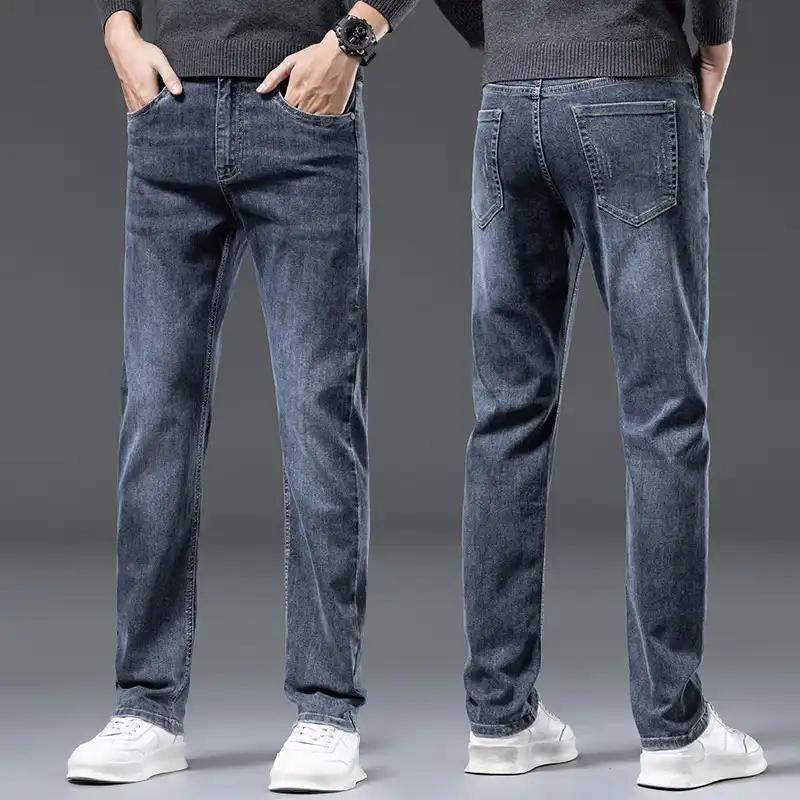
Understanding Denim Work Pants – Materials, History, and Core Features
The Evolution of Industrial Denim
In the late 1800s, workers needed clothes that could stand up to hard physical work. This is where workplace denim got its start. Instead of the skinny, trendy jeans that are popular in stores today, real work-grade denim was created to protect tradespeople. Miners, railroad workers, and factory workers needed clothes that wouldn't tear when they did the same thing over and over or when they kneeled down on rough ground. This practical need led to changes in the weight of the fabric, the way it is woven, and the ways it is reinforced that make modern denim work pants unique.
Material Composition and Fabric Specifications
Good work denim is 12-15 ounces per square yard, far heavier than the 8-10 ounce denim used for casual clothing. The weave is a tight 3x1 right hand twill and that makes the cloth thick and resistant to tears and tears. The vast majority of professional-grade ones are manufactured from ring-spun cotton, which is stronger, although some producers add 1-2% elatstane to make them stretchier without diminishing their durability. Such a selective choice of materials guarantees the trousers will preserve their protecting properties even after hundreds of washes.
The cotton basis allows air to travel through naturally, which is quite useful while wearing for a long time in varied climates. Work denim is made of cotton, which allows air to flow and offers good protection against scrapes, snags, and general wear. Synthetic choices retain heat and dampness. Welston has been expanding its range of fabrics for 27 years with textile mills that fulfil high criteria for colourfastness and tensile strength.
Core Functional Features
Real denim work pants have a reinforced construction. Triple-needle stitching along the inside and outside edges spreads stress over several thread lines, which keeps high-friction areas from failing too soon. Bartack reinforcements, which look like thick stitching designs at the corners of pockets and belt loops, hold these important stress points in place. A lot of styles have double-knee construction, which adds more cloth over the kneecap area that gets the most wear from touch.
Work denim is different from casual jeans because it has practical pocket designs. With hammer loops, you can carry your tools without a separate belt. The reinforced ruler pockets make it easy to get to measuring tools. When front pockets are deeper, things don't fall out when you bend over or climb. These well-thought-out design features come from decades of feedback from real workplaces and are based on problems that building crews, warehouse workers, and repair technicians actually have.
Comparing Denim Work Pants with Other Workwear Options
Denim Versus Canvas Work Pants
Both materials play important roles in industrial clothing, but they are used for different tasks. Canvas clothing usually has a plain weave design, which makes the fabric stiffer and more rigid. It works best in very rough circumstances. But this stiffness makes it less comfortable to wear for long periods of time. The twill weave in denim work pants makes them very flexible and naturally flow, so they can move with your body without getting in the way.
Most of the time, canvas weighs more per square yard, which can make workers tired faster when they are doing tough jobs. The fact that cotton twill denim lets more air pass through it is especially noticeable in hot places or when doing hard physical work that makes body heat. Canvas might be better than denim in some situations where harsh chemicals or abrasion are present, but denim is better all around for general building, logistics, and light industrial settings.
Lightweight Versus Heavy-Duty Denim Options
To choose between cloth weights, you need to know how you will be working. Modern fibre technology is used in lightweight denim (11 to 12 ounces) to keep its durability while reducing bulk and weight. These choices are good for warehouse work, delivery services, and indoor manufacturing where heavy wear and tear isn't a daily issue. The lighter weight makes it easier to move around and makes it easier to work jobs that require constant moving.
Heavy-duty choices (14 to 15 ounces) offer the best protection for building sites outside, places where welding is done, and shops that fix cars. The extra fabric density makes a stronger barrier against rough surfaces, sharp objects, and environmental dangers. Climate is an important factor here. Denim that is thicker is better for cold weather and outdoor use, while denim that is lighter keeps you from getting too hot in climate-controlled spaces or during the summer.
Reinforced Knee Configurations
Standard denim work pants provide basic security, but styles with strengthened knees meet the needs of certain jobs. These special clothes have built-in knee pad pockets, which are pouches inside the pants that are placed at the kneecap and can hold foam or gel inserts that can be taken out. This extra layer of cushioning and protection is very helpful for electricians, plumbers, floor fitters, and HVAC techs who have to kneel a lot.
Some more advanced types have Cordura nylon inserts at the knee areas, which greatly improves resistance to wear and tear without adding too much bulk. This hybrid style combines the airy feel of cotton denim with the long-lasting strength of technical fabrics right where protection is needed the most. When ordering in bulk for teams with specific needs, these improved configurations make a noticeable difference in how long clothes last and how comfortable workers are.
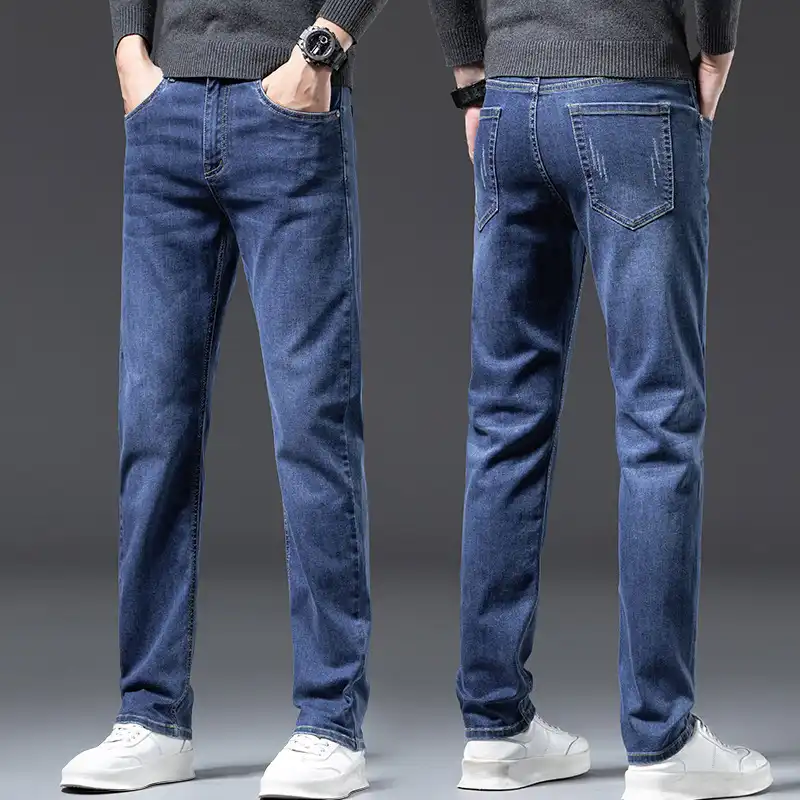
How to Choose the Best Denim Work Pants for Your Business Needs
Assessing Industry-Specific Requirements
Different skills are needed for construction sites than for transport activities. Concrete workers need knees that are strengthened and pockets that are stitched well so they can carry tools all the time and kneel a lot. People who work in warehouses need to be able to bend and move around freely so they can climb, lift, and quickly move from one place to another. Knowing these practical differences helps you make the right choice.
Think about things in the environment besides just the tasks you need to do. In North America, outdoor teams have to deal with a wide range of temperatures, so they need insulated jeans in the winter and lighter choices in the summer. Mid-weight denim can be used all year because it is made in climate-controlled factories inside. Moisture exposure is also important. Regular cotton denim works well when it's dry, but it might need to be treated to make it waterproof when it's going to be used in a wet setting.
Evaluating Durability Metrics
Fabric weight is a good place to start, but to get a full picture, you need to look at the construction details. Check the types of seams. Flat-felled seams are stronger than simple overlocked edges. Check the number of stitches per inch along important seams. Good makers use 8–10 stitches per inch for maximum strength without making clothes that are stiff and awkward. Check the density of the bartacks at stress points. Reinforcements that are professionally designed use 40 to 50 concentrated stitches to hold pockets and loops in place.
Quality of hardware is just as important. Corner rivets made of metal should be made of copper or brass alloys that won't rust or pull through cloth. Zippers need teeth and sliders that are strong and can handle thousands of cycles. For button shanks to not pull through, they need to be thick enough. These details make clothes that last more than one season different from clothes that need to be replaced often.
Balancing Cost and Value
When you compare prices, you need to look at more than just the initial purchase price. Over two years, a $25 pair that lasts six months costs more than a $45 pair that lasts eighteen months. Figure out how often to change something based on how it will actually wear in your application. When compared to buying in stores, buying in bulk from well-known companies like Welston usually saves 15 to 25 percent of the cost while making sure that the quality and size of all big orders are the same.
Corporate clothing programs are more useful when they can be customised. Embroidered logos make things look more professional and make it easier to find things when they are shared. Branding that stands out is made possible by custom colour stitching. Different tool needs can be met by different pocket configurations. Our low minimum order size of 100 items means that even medium-sized businesses can use these customisation options, and our three plants and ten production lines guarantee on-time deliveries.
Caring for Denim Work Pants to Maximize Their Lifespan
Proper Washing Protocols
Laundry in factories is very different from laundry at home. Higher temperatures and stronger motion in commercial washing machines can speed up the wear and tear on fabrics if they are not handled properly. Use mild soaps made for cotton materials to wash denim work pants in cold to warm water (not more than 140°F). Do not use chlorine bleach on cotton because it weakens the fibres and causes stress points to thin out too quickly.
Before washing, flip clothes inside out to protect the surface from wear and keep the colour bright. Keep dirty items separate from clean ones so that too many dirt particles don't act as abrasives during the wash cycle. Setting up different wash processes for different soil levels can increase the general lifespan of a fleet by 20 to 30 percent in places that manage a lot of uniforms.
Drying and Storage Best Practices
Air drying is still the gentlest way to dry clothes because it keeps the fabric's shape and stops it from shrinking. To keep things from drying too quickly in industrial dryers, set the temperature to a reasonable level and take the items out while they are still slightly damp. Too much heat makes cotton fibres contract unevenly, which makes clothes that are stiff, uncomfortable, and easy to tear. This managed method keeps the natural flexibility of denim work pants, which makes them easy to wear for long periods of time.
To keep clean uniforms safe, keep them in dry, well-ventilated places out of direct sunlight. Sunlight can fade the indigo dye and make the cloth weaker over time. Hanging storage keeps things from creasing, which can lead to weak spots, but folding works fine in places with limited space. Simple inventory movement, like giving out the oldest items first, will make sure that all of your uniforms get the same amount of wear.
Strategic Repair and Maintenance
When small problems are fixed quickly, they don't grow into full-blown failures. Tighten up any loose stitches in the pocket before the whole thing comes apart. Fix small tears at the knee before they get bigger and require the clothing to be taken off. Many businesses find that giving their employees time to do simple fixes cuts the cost of replacements by 35 to 40 percent per year.
For quick fixes, keep extra buttons, thread, and basic sewing tools on hand. By teaching facility staff simple clothing repair skills, problems can be fixed right away, without having to wait for outside help. This proactive maintenance method treats work uniforms as valuable assets instead of disposable goods. This is in line with environmentally friendly business practices and keeps costs low.
Where and How to Procure Denim Work Pants for Industrial Use
Evaluating Supplier Options
Direct relationships with manufacturers are better than multi-level distribution chains in many ways. When you work directly with producers like Welston, you skip the markups that come from middlemen and get direct access to the planning and quality control processes for production. We've been helping big stores, building companies, and logistics companies all over North America for 27 years, which has helped us learn more about area preferences and government rules.
Check out possible providers' production capacity, quality control methods, and how quickly they respond to contact. Before placing a large order, check the factory's certifications and look at samples of the goods. Reliable partners keep a steady supply of popular sizes and can increase or decrease production to meet changes in seasonal demand. Working with well-known companies like Panasonic, Benz, Dell, Toshiba, and Toyota shows that we can meet strict business standards.
Bulk Ordering and Customization
Buying in bulk can save you a lot of money and give you more options for customisation. Custom size runs are usually possible for orders over 500 units, which makes sure that the clothes fit perfectly for a wide range of body types in the workforce. Custom labelling, embroidery with a logo, and custom case layouts can be done affordably at these amounts. Planning for yearly uniform needs and combining orders makes the most of these benefits and makes procurement administration easier.
Lead times depend on how you customise it and how big your order is. Standard setups are shipped within two to three weeks, but fully customised orders need six to eight weeks for pattern development, sample approval, and production. Keeping a safety stock of core sizes and placing replenishment orders based on how often they are used stops shortages and keeps inventory costs from going up too high. Our promise to respond within 24 hours makes sure that procurement questions get quick, useful answers.
Understanding Current Market Dynamics
As safety rules change and businesses learn how wearing good outfits can boost output, the demand for durable, compliant workwear in North America keeps rising. More and more, ANSI guidelines set basic performance standards for protective clothing, which pushes buyers toward certified choices. Sustainability factors also affect buying choices, and many businesses prefer to do business with companies that are good to the earth.
After recent world problems, supply chain dependability became more important. When compared to long foreign shipping routes, domestic or near-shore production capacity makes transportation more predictable. We can serve this market with competitive lead times and consistent quality thanks to our facilities in Shenzhen and our long-standing distribution partnerships in North America. Modern tools from Japanese company JUKI and Taiwanese company SHINLING make sure that the building is precise enough to meet North American standards.
Conclusion
To choose the right denim work pants, you need to find a balance between cost, comfort, durability, and functionality for your specific job. Knowing the details of the materials, how they should be built, and how to take care of them properly helps you make smart purchasing decisions that keep workers happy and keep your budget in check. The difference between fashion denim and purpose-engineered work denim has a big effect on how well and how long an item of clothing works in tough industrial settings. When outfitting building workers, warehouse teams, or maintenance staff, putting an emphasis on strong construction, useful features, and dependable sourcing partnerships pays off in a big way. As safety standards in the workplace change and concerns about the environment become more important, working with experienced manufacturers makes sure that you can get new solutions that meet your needs now and in the future.
FAQ
1.What's the difference between normal jeans and denim work pants?
Work-grade denim is made from thicker fabric (12–15 oz vs. 8–10 oz), has triple-needle stitching along stress seams, bartack reinforcing at pocket corners and belt loops, and uses tighter weave patterns to make it more resistant to wear and tear. Regular jeans care more about how they look than how long they last, and they aren't made with the reinforcements that are needed in industrial settings.
2.Can safety standards be met with denim work pants?
Normal cotton denim is pretty safe, but it doesn't naturally meet flame-resistance standards. Denim that has been chemically treated can meet NFPA 2112 or NFPA 70E standards for arc flash settings if it is properly approved. Before ordering safety-compliant workwear, you should always make sure that the specific safety grades and standards meet the needs of your workplace danger assessment.
3.How do I figure out what weight of fabric my team needs?
Adjust the cloth weight to the level of work and the working conditions. Lightweight choices (11–12 oz) work well in climate-controlled indoor spaces and for moderate exercise levels. Medium-weight denim (13–14 oz) is good for general construction and outdoor work in a range of weather conditions. Heavy-duty options (15+ oz) offer the best protection in harsh environments with a lot of wear and tear, like welding prep areas or rough outdoor conditions.
Partner with Welston for Premium Denim Work Pants Solutions
Work with Welston to get high-quality denim work pants. With almost 30 years of experience, Welston knows how to make industrial workwear that meets the strict requirements of North American manufacturing, logistics, and construction sites. Our three specialised companies run 10 production lines with more than 580 trained workers. They use high-precision equipment from JUKI and SHINLING to make sure that the quality of every garment is the same. We know that denim work pants are more than just clothes; they're also important safety gear that helps workers stay safe and get things done. Professional customisation is easy with our minimum order size of 100 pieces, whether you need reinforced-knee configurations for plumbing workers or branded outfits for corporate logistics teams. As a well-known company that makes denim work pants for big stores and industrial customers, we offer flexible customisation, strict quality control, and quick communication. Get in touch with our team at [email protected] to talk about your unique needs and find out how our reliable and cost-effective production can help your uniform program.
References
1. American National Standards Institute. (2021). ANSI/ISEA 101-2020: American National Standard for Limited-Use and Disposable Coveralls – Size and Labeling. Washington, DC: ANSI Publications.
2. Bureau of Labor Statistics. (2023). Occupational Safety and Health in Construction Industries: Protective Clothing Requirements and Compliance Trends. U.S. Department of Labor Statistical Report Series.
3. Chapman, G.R., & Williams, T.K. (2022). Industrial Textile Engineering: Material Science Applications in Protective Workwear. Journal of Textile Manufacturing Technology, 48(3), 112-129.
4. International Fabric Institute. (2020). Technical Standards for Occupational Denim: Weave Patterns, Weight Specifications, and Durability Testing Protocols. Boston: IFI Technical Publications.
5. Peterson, M.L. (2023). The Evolution of American Workwear: From Function to Fashion and Back Again. Industrial History Quarterly, 67(2), 201-224.
6. Workplace Safety Council of North America. (2024). Best Practices in Industrial Uniform Selection: Balancing Protection, Comfort, and Cost Efficiency. Toronto: WSCNA Industry Guidelines.
We specialize in designing, producing, and selling corporate clothing. Mainly produces: industrial clothing, business uniforms, and work clothes for different companies.

About Welston Garments


