Ultimate Guide to Heavy-Duty Work Clothing for Tough Jobs
The ultimate in industrial clothing engineering for workers in harsh environments is heavy-duty workwear, also known as Heavy-Duty Work Clothing. With its revolutionary textile technology, reinforced structure, and stringent safety rules, this specialized workwear protects workers in manufacturing, construction, and oil refineries. Heavy-Duty Work Clothing is more durable than standard uniforms and offers protection against the most dangerous workplace hazards without sacrificing comfort or functionality.
Understanding Heavy-Duty Work Clothing Essentials
Technical Details for Heavy-Duty Work Clothes
Excellent heavy-duty workwear is supported by construction methods and technical standards. These clothes are made from ripstop textiles, polyester-cotton canvas, or specialty fibers that surpass industry requirements. The 300–500 gsm fabric guards against environmental dangers, tears, and abrasion.
High-Durability Production Techniques
Modern heavy-duty workwear uses triple-needle stitching, reinforced stress areas, and chemical treatments for stain and water resistance. We test our clothing to ensure that it meets or beyond OSHA, ANSI, and ISO safety requirements.
Comprehensive quality assurance
Heavy-duty work clothing quality control involves laboratory seam strength, dimensional stability, and colorfastness validation in addition to visual examination. These verified specifications are used by expert procurement teams to optimize worker safety and the value of protective clothing.
Key Features That Define Superior Heavy-Duty Workwear
Sturdy Reinforced Construction
Outstanding heavy-duty work equipment is distinguished by performance attributes that address workplace challenges. To withstand harsh working conditions, knees, elbows, and pocket corners are reinforced with bar-tack stitching and extra fabric layers.
Novel Fabric Treatments for Protection and Comfort
Moisture-wicking, antimicrobial, and UV-resistant fabric treatments are quite useful. These solutions keep employees comfortable and safe for extended periods of time under difficult circumstances. Petrochemical and electrical workers are protected by flame-resistant clothing, which contains fibers that self-extinguish when ignited.
Improved Ergonomics and Mobility
Mobility and safety are enhanced by ergonomics. Articulated joints, gusseted crotches, and stretch panels permit natural motion without compromising the integrity of the garment. These features allow employees to perform effectively without compromising their comfort or safety.
Features for Low-Light Conditions
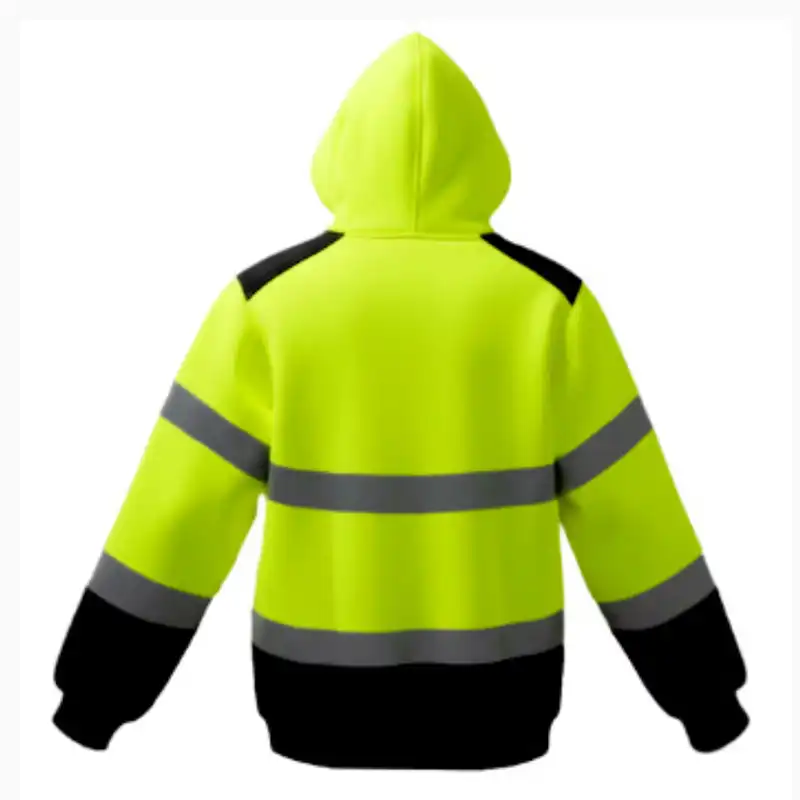
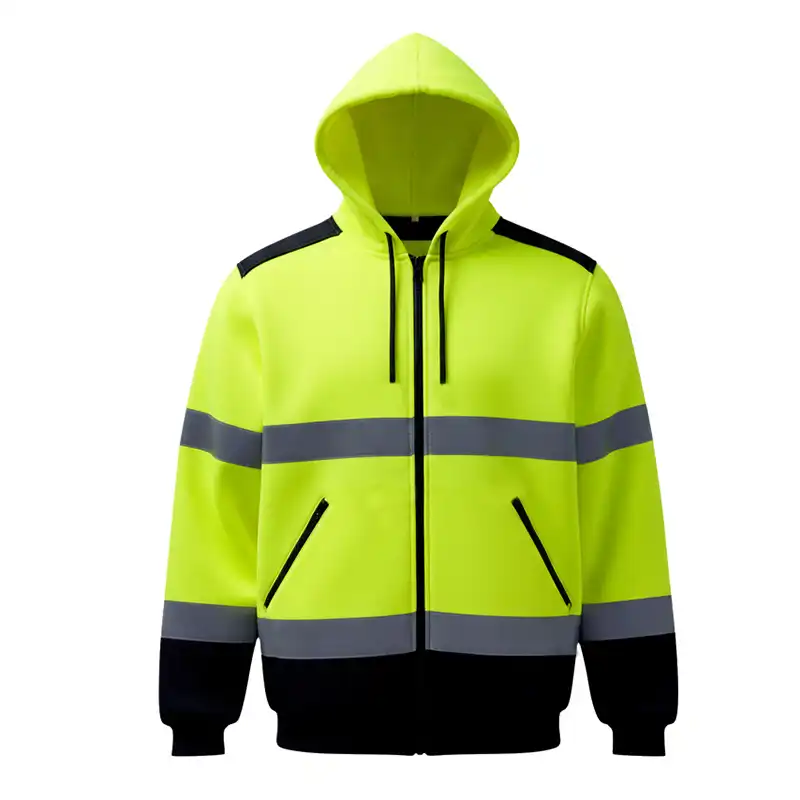
Neon colors and retro-reflective tape enhance worker visibility in low light. By increasing worker visibility, this feature reduces accidents and improves workplace safety.
Increasing Efficiency with Useful Storage
Important equipment is securely and comfortably stored in heavy-duty workwear's reinforced pockets, tool loops, and connection points. These features increase productivity by keeping tools close at hand while guaranteeing comfort and safety.
Regional Market Applications and Industry Demands
Market Preferences in Europe and America
In Europe and America, sustainable materials and authorized protective equipment that satisfies stringent safety and environmental regulations are popular. Clients in the manufacturing, logistics, and hospitality industries select branded uniforms that function effectively and appear professional. When making purchases, durability and environmental responsibility are given top priority in these marketplaces.
Climate-Specific Demands from the Middle Eastern and African Markets
In the Middle East and Africa, seasonal workwear that is resistant to heat and sunscreen are essential. In oil and gas, flame-resistant apparel is required at extreme temperatures. Product choices are influenced by consistent design, which is influenced by modest styling and culturally suitable coverage.
Asia-Pacific Economic Solutions
Asia-Pacific areas concentrate on affordable solutions for huge workforce applications while maintaining quality, particularly in heavy-duty work clothing. Flexible options are required for a variety of processes in manufacturing and services. In rapidly expanding markets, purchasing decisions are influenced by bulk procurement and quick delivery.
Safety regulations and regional preferences
Manufacturers can profit from the demand for heavy-duty workwear worldwide if they are aware of local preferences and laws. To meet the demands of each market, successful suppliers adapt their products to local climate, cultural norms, and safety regulations.
Types of Heavy-Duty Work Clothing for Different Industries
Construction Wear with High Impact
Construction apparel is the most demanding since it must withstand weather, steel snagging, and concrete abrasion. Carpenter loops, hammer holders, and double-front knee panels are features of heavy-duty work pants. High visibility and flame resistance are important characteristics of electrical job safety.
Protective gear for oil and gas
Oil and gas workers require clothing that is sturdy, flame-resistant, and resistant to chemicals. These NFPA 2112 flash fire protection clothes are cozy for long shifts in challenging environments. Anti-static properties stop electrical buildup in volatile settings.
Workwear for Industrial Manufacturing
Protective equipment that permits precise mobility is essential for factory workers. Machine operators are required to wear clothing free of potentially entangling stray pieces. Coatings that are resistant to chemicals can survive industrial cleaners and solvents.
Clothing for Outdoor Safety in Forestry and Logging
Strong coveralls with chainsaw-resistant panels are necessary for logging and forestry. Wet weather resistance and biological defense against insects and thorns are essential for outdoor activities. Bright colors and reflecting materials increase safety in far-off places.
Wearing protective equipment when welding in intense heat
Welding protective gear is industrial workwear made to guard against extreme heat, sparks, and radiation. These garments offer flexibility and heat protection thanks to ARAMID fibers and special leather components. Fit guarantees complete coverage without sacrificing accuracy.
Quality Control and Performance Standards
Complete Testing of Professional Workwear
Professional-grade heavy-duty work garments are rigorously tested to confirm performance promises and quality. Before failing tensile strength tests, fabrics may withstand mechanical stresses exceeding fifty kg. Tear resistance measures keep clothing from being harmed by snagging.
Testing for Durability and Seam Strength
Seam strength analysis maintains the integrity of triple-stitched construction under stress. Pull tests guarantee that reinforced seams are stronger than the fabric, avoiding connection failure. Testing protective clothing is crucial since it may put workers in danger.
Testing for Colorfastness and Dimensional Stability
Dimension stability testing mimics industrial laundry to guarantee shrinkage is less than 3%. To guarantee a proper fit, protective gear with certain sizing requirements is tested. The colorfastness test prevents dye transfer from jeopardizing security or a polished appearance.
Hardware Performance and Durability
Zippers, snaps, and fasteners are put through rigorous testing for hardware durability. Temperature changes, chemicals, and industrial dirt can cause fasteners to break too soon. Heavy-duty work clothing lasts longer with high-quality hardware that withstands these challenging conditions.
Coatings and Chemical Resistance
Testing for chemical resistance guarantees protective covers against hazards at work. In order to confirm that clothing provide dependable protection over time, these tests replicate exposure. Test result documentation helps with liability and regulatory management.
Customization Options for Corporate Identity
Customization of safety and brand
To assist businesses maintain corporate identity and safety, modern heavy-duty work gear is available in a number of customisable options. To survive industrial laundering, logos are embroidered. Expert embroidery leaves enduring impressions that increase employee and corporate pride.
Graphic Design and Screen Printing in Bulk
For large orders, screen printing is an affordable option that can handle intricate patterns and larger graphics. Modern printing processes maintain the brightness of graphics in spite of challenging working conditions. Color matching guarantees brand coherence throughout clothing and textiles.
Placement of Logos for Visibility and Professionalism
The placement of the logo on the chest, sleeves, and back panel enhances visibility without compromising pocket or safety functionality. Strategic placement upholds client-facing aesthetic standards while strengthening brand recognition.
Customization of Diverse Workforce Size
Size adaptability accommodates a range of labor needs, from small to 5XL. Fit guarantees that safety features function correctly and remain pleasant even after extended use. Regional and demographic demands are satisfied by custom sizing.
Matching colors for safety and visual identity
While meeting safety regulations, color matching makes businesses stand out. Company branding can be accommodated with high-visibility colors without sacrificing security. Custom colors can be used by larger companies to differentiate between divisions and job duties.
Maintenance and Care for Maximum Durability
Upkeep to extend the life of clothing
When properly maintained, heavy-duty workwear is more protective and lasts longer. Industrial laundry has certain temperature and detergent limitations to safeguard fabric treatments and dimensions. Hot water washing eliminates industrial dirt without causing harm to synthetic textiles.
Reaction to Chemical Spills and Stain Elimination
Heavy soiling and stains can be removed to reduce irreversible harm to the look and functionality of heavy-duty work clothing. Clothing safety is maintained by promptly responding to chemical spills or biological contamination. Proper stain removal maintains the integrity of the fabric and its professional appearance.
Protective Drying for Fabrics
During drying, efficiency and fabric protection must be balanced. Air drying reduces shrinkage that could affect fit and safeguards fabric treatments. Temperature controls safeguard reflective and synthetic components during machine drying.
Appropriate Storage to Preserve the Environment
In order to protect the environment during off-seasons or extended periods of time, heavy-duty work equipment is kept. Clothing is less susceptible to mold, mildew, and pest damage when stored dry and clean. Wrinkle-related tension can be avoided by hanging or folding correctly.
Checks for durability and safety
Inspections identify deterioration, wear, and damage that may compromise safety. Replacement is possible before protective qualities deteriorate thanks to early diagnosis. Safety management and regulatory compliance are aided by inspection reports.
Conclusion
Heavy-duty workwear is essential for business image, productivity, and safety. Solutions for various industry needs in international markets are made possible by sophisticated materials, stringent building regulations, and customization. Welston has the expertise and manufacturing capacity to satisfy demanding standards and provide value via performance and durability. In difficult work environments, choosing, modifying, and maintaining heavy-duty equipment protects human resources and optimizes return on investment.
Partner with Welston for Premium Heavy-Duty Work Clothing Solutions
With 30 years of industrial garment experience, Welston is your heavy-duty work clothing supplier. Ten production lines at our state-of-the-art facilities use Taiwanese SHINLING technology and Japanese JUKI technology to guarantee speed and quality for large purchases. To discuss your demands and take advantage of our round-the-clock customer service, send an email to Julie at welstongarments.com.
References
1. Johnson, M.K. "Industrial Textile Performance Standards in Occupational Safety Applications." Journal of Workplace Safety Engineering, 2023.
2. Anderson, R.L. "Fabric Technology Advances in Personal Protective Equipment Manufacturing." International Textile Research Quarterly, 2024.
3. Thompson, S.J. "Regional Market Analysis: Global Workwear Industry Trends and Consumer Preferences." Industrial Apparel Market Review, 2023.
4. Rodriguez, C.M. "Quality Control Protocols for Heavy-Duty Protective Clothing Manufacturing." Safety Equipment Testing Standards Manual, 2024.
5. Williams, D.P. "Corporate Uniform Programs: Brand Identity and Employee Safety Integration Strategies." Business Apparel Management Journal, 2023.
6. Chen, L.H. "Sustainable Manufacturing Practices in Industrial Workwear Production." Green Textile Technology Review, 2024.
We specialize in designing, producing, and selling corporate clothing. Mainly produces: industrial clothing, business uniforms, and work clothes for different companies.

About Welston Garments


