UPF Shirt Buying Guide: How to Choose the Best Sun Protection
Picking the right sun-protective clothing isn't just about how comfortable it is; it's also about how well it blocks dangerous UV rays. Over 98% of UV rays are blocked by engineered materials in a high-quality UPF Shirt, which is significantly more than regular clothes. Whether you're buying outfits for business events or outfitting workers to do work outside, knowing about UPF technology will make sure that your team stays safe while still looking and acting professionally. This artical explains fabric science, how to buy things, and how to evaluate suppliers so that you can make smart choices that meet safety standards and your business's goals.
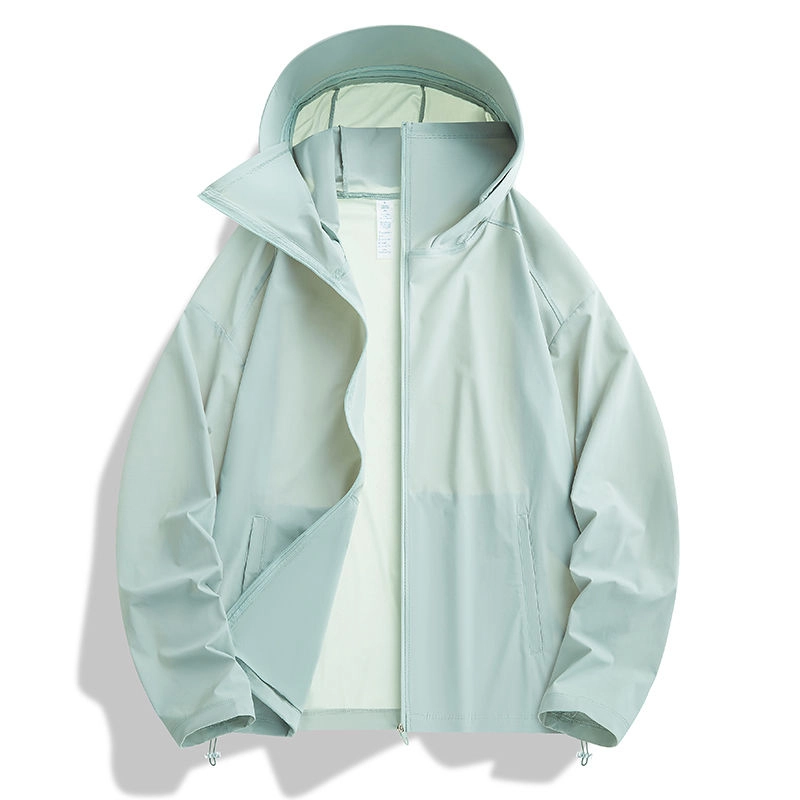
Understanding UPF Shirts and Sun Protection
What Makes UPF Technology Different
The Ultraviolet Protection Factor (UPF) of a fabric is a measure of how well it protects your skin from UV radiation. Sunscreen has SPF ratings that come off when you sweat, but the UPF protection is embedded right into the clothing’s fabric. A standard cotton T-shirt has a UPF of roughly 5 to 7, which means lots of UV radiation can get through. There are three basic techniques to acquire certified sun-protective garments their UPF 30, 50, or 50+ ratings: a tight weave that physically filters light; synthetic fibres that naturally absorb UV rays; and chemical treatments or mineral additions like titanium dioxide that are incorporated in during manufacture.
Tests are conducted to standards from entities like ASTM International and the Australian/New Zealand AS/NZS 4399 methodology for consistency. These tests measure the amount of UVA and UVB radiation that penetrates swatches of cloth. The scores indicate how much of the radiation is being blocked. UPF 50+ clothing blocks over 98% of UV light. This is a highly crucial level for persons who operate in high-exposure settings like fishing boats, construction sites, or outdoor tourism activities.
Why UV Protection Matters in Professional Settings
Long-term sun exposure speeds up the ageing process and raises the risk of skin cancer, especially for people who work outside all day. More and more, industries in North America, the Middle East, and Australia see UV-blocking clothing as important personal safety equipment (PPE). Modern UPF Shirts incorporate moisture-wicking technology and breathable mesh areas to control body temperature during intense exercise. This two-in-one feature meets safety needs without getting in the way of work in hot places where traditional long-sleeved clothes cause heat stress.
Key Criteria for Choosing the Best UPF Shirts
Fabric Composition and Performance Attributes
The proper textile will determine how much protection you may expect and how long the garment will endure. Most professional-grade sun protective apparel is manufactured from synthetic fabrics because they function better.”
Polyester mixes are durable and retain their colour even in strong sunshine making them ideal for markets in tough countries like as Africa and the Middle East. The fibre retains its UV-blocking characteristics after several washings, whereas topical finishes break down after 20 to 30 washings. Moisture-wicking polyester promotes drying so workers stay comfortable and dry throughout extended periods outside.
Nylons are equally as UV-resistant yet they seem gentler to the touch. With tools and rough surfaces prevalent in vehicle repair shops and construction sites, high-tenacity nylon can stand up to the wear. A bonus for personnel who move between climate-controlled and open workspaces during the day is the material’s quick-drying properties.
Eco-friendly alternatives like organic cotton-polyester blends appeal to environmentally aware companies who value corporate social responsibility. The blends are made from either recycled polyester or natural fibres from ethical suppliers. Their UPF 30+ rating is a result of the use of specific weaving processes. European and Southeast Asian shoppers like supply chain transparency and Fair Trade certificates that indicate items have been produced ethically.
Decoding UPF Ratings and Standards
Figuring out rating levels helps you match goods to your needs. UPF 15–24 (Good Protection) works well for indoor and outdoor jobs where the sun isn't always shining. UPF 25–39 (Very Good Protection) is good for light outdoor activities. Excellent Protection (UPF 40–50) is necessary for jobs that are in full sunlight for long periods of time, like fishing crews, road building crews, or event staff who work outside.
How durable something is is rated by how much protection it gets from its structure or from treatments that are applied to it. Built-in UPF (protection built into the fibre during extrusion) stays in the fabric for the whole life of the clothing. Chemical finishes get good marks at first, but they might lose some of their shine after being washed. Before giving a grade, procurement managers should check with suppliers to see if the fabrics are tested according to ASTM D6544 standards after being washed. These standards model real-world wear through 40 wash cycles.
Design Features That Enhance Protection and Comfort
A garment's design affects its practical UV defence in addition to the type of fabric it is made of. Longer sleeves and collars cover more skin, leaving no gaps where skin can show. Raglan sleeves cut down on the bulk of shoulder seams while still providing covering when the arms are moved. Back panels or underarm cloth pieces that are ventilated let more air flow through without lowering the UPF rating in the main exposure areas.
Antimicrobial treatments keep clothes from smelling bad after being worn for several days without being washed. This is especially helpful for outfits worn at remote work places. Reflective details help workers on the side of the road see better and protect against the sun. With these practical improvements, basic UV-blocking clothing becomes all-around workwear that can be used by a wide range of professionals, from mountaineering outfitters to corporate campus care teams.
Comparing UPF Shirts with Other Apparel Options
UPF Shirts Versus Regular Long-Sleeve Garments
The amount of UV protection that traditional long-sleeve shirts offer depends on the colour, the looseness of the weave, and the type of material used. The UPF of a white cotton dress shirt might only be 5 to 7, but the UPF of the same shirt in blue is 10 to 12. This is because darker colours absorb more radiation. Standardised testing and labelling on certified UPF clothing take away the need to guess because they provide reliable protection no matter what colour you choose or your brand's needs.
Based on cost research, buying UPF-specific clothing in bulk is the best option. Regular shirts are cheaper at first, but they need to be replaced more often because the fabric wears down in the sun. Quality UPF Shirts keep their protective qualities and structure stability after a lot of wear, which lowers the cost of uniforms in the long run. The investment pays off because fewer sick days and workers' compensation claims related to UV exposure are needed.
How Leading Brands Approach Sun Protection
UPF Shirt Selection Leading companies in the apparel industry strive to achieve a balance between adequate sun protection, comfort, durability and a fashionable look. UPF shirts are not like your average apparel, as they are made with materials that are designed to help block UV rays while yet allowing breathability and flexibility for outdoor activities. Professional clothing manufacturers like Welston Garments focus on fabric selection, stitching quality, and customisation to fulfil diverse market demands, including corporate uniforms, outdoor workwear, and leisure attire.
Leading brands also face practical considerations like as moisture control, lightweight materials and long term wear performance. Manufacturers may provide UPF shirts tailored for certain sectors and client requirements via sophisticated manufacturing equipment, rigorous quality control and adaptable customisation services. Whether for hiking, building, fishing or regular outdoor usage, smartly designed sun protection equipment provides professional look and effective performance.
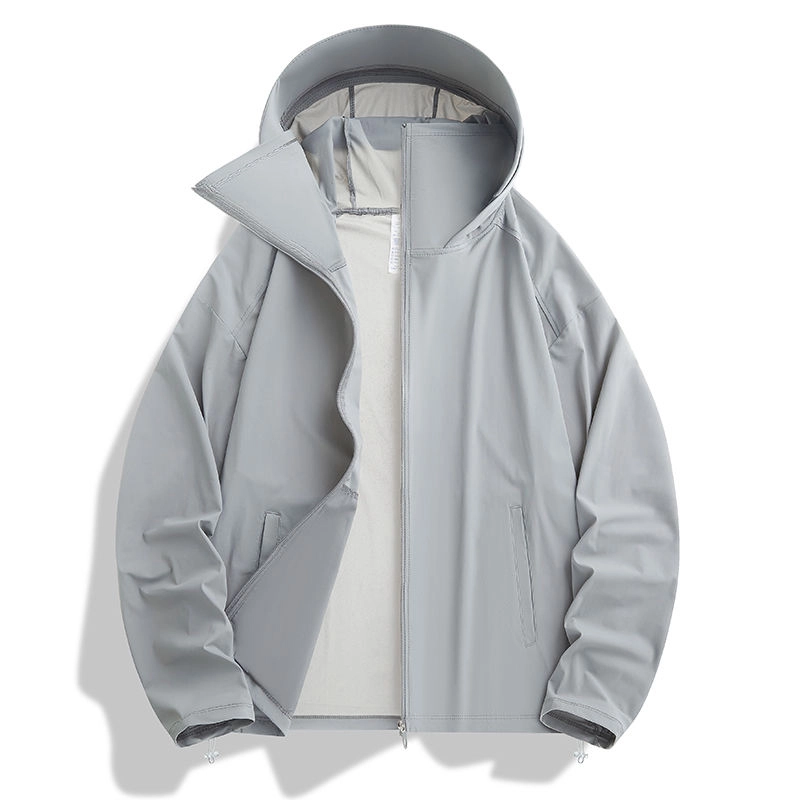
Procurement Considerations and Bulk Buying Tips
Supplier Evaluation and Certification Verification
To find solid UPF clothing, you need to look at more than just price quotes from manufacturers. Welston has 27 years of experience making business uniforms. He runs three factories with 10 production lines and more than 580 trained workers. Our factories have cutting and sewing machines from Japan's JUKI and Taiwan's SHINLING that make sure the products we make are precise and meet international quality standards.
When looking at possible providers, make sure that the way they test meets ASTM or AS/NZS standards. To make sure the protection lasts, ask for proof of UPF ratings before and after laundering. Check to see if the facilities have the right certifications for your market, such as OEKO-TEX for chemical safety, Fair Trade for fair labour practices, or ISO 9001 for quality management systems. These references show that the production standards are always the same, which is very important for big orders where differences between batches could make thousands of garments less UV protective.
Customization Options for Corporate Branding
Professional outfits do two things: they protect workers and show off the brand. We can customise your order with high-quality screen printing, heat transfer graphics, and precise embroidery that can be used for corporate logos with lots of small details. For UPF Shirts, printing is best for large orders that don't cost much, like promotional event clothing. Embroidery, on the other hand, is better for senior teams or people who deal with customers. Fabrics that weigh 200g or more can hold embroidery without puckering, so the structure of the garment stays the same after many wears.
It can be hard to match colours on different types of fabric. We have up to 60 standard colour choices for each type of material, and we can match Pantone colours to make sure that uniforms are in line with set brand rules. Design consultation can help you figure out what to do about trade-offs. For example, darker colours naturally absorb more UV rays, but they may keep heat in during the summer in tropical areas. Lighter colours with added UPF protection keep you cooler without sacrificing protection.
Lead Times and Minimum Order Quantities
When you can buy things in bulk depends on how complicated the customisation is and when the production is scheduled. Standard designs with names in a single colour ship three to four weeks after the order is confirmed. Prints with many colours or needlework that is very detailed add 5 to 6 weeks to the time frame to allow for setup and quality checks. Our policy of responding within 24 hours makes sure that procurement managers get answers quickly to questions about technical specifications or changes to orders that are already in production.
Minimum order numbers depend on the type of product. For fully customised work shirts, the minimum order quantity is usually 100 to 200 pieces per design, but mixed-size runs can be made to fit the needs of different types of workers. Volume savings are available for orders of 500 or more units, which makes strategic planning useful for businesses that know they need to replace all of their items every year.
Case Study: Outfitting Outdoor Work Crews
A utility business in North America needed UPF 50+ shirts for 300 field workers who worked in areas with a lot of sun. They needed polyester that wicks away moisture and has high-visibility colour blocking that meets ANSI standards. They also needed company logos and employee names to be embroidered on the clothes. We sent pre-production models in three different cloth weights so that they could be tested in the field, where they would actually be used. The chosen 180g polyester mix was a good balance between toughness and breathability. It got UPF 50+ ratings that stayed the same after 50 simulated washes.
The project showed how thorough supplier skills, such as helping with fabric choice and providing support after delivery, can change buying from a one-time transaction to a strategic relationship. Our after-sales team made some small changes to the fit and set up reordering procedures to make future uniform updates easier.
Caring for UPF Shirts to Maintain Performance
Laundering Best Practices
When you take good care of your clothes, the UV protection lasts longer and your investment goes further. Wash UPF Shirts in warm or cold water with mild detergents free of optical brighteners that can break down UV-absorbing additives. Do not use chlorine bleach on synthetic fibres because it breaks them down and makes the fabric less dense, which is important for blocking light. Fabric softeners leave behind residues that can clog up the spaces between fibres, which could lower the UPF rating over time.
Drying clothes on a line in the shade is better for keeping their shape than tumble drying them for a long time at high heat. Too much heat can weaken synthetic fibres and make clothes shrink, which can change how they fit. If you have to use a dryer, set it to a low temperature and take it out quickly to avoid too much heat contact.
Recognizing When Replacement Becomes Necessary
A close look shows signs of wear that mean the UV protection is getting weaker. No matter what the original UPF number was, areas of cloth that are thinner, especially at the elbows and shoulders, let more UV light through. Too much fading means that the dye is breaking down, which makes it less able to absorb UV light. Stretching or pilling means that fibres are breaking down, which makes the tight weave that is needed to block light less effective.
Professional clothing that is worn every day usually needs to be replaced every 12 to 18 months, but high-quality clothes that have UPF technology built in may last up to 24 months. Setting rotation plans based on how often something is used helps procurement managers stick to their budgets and make sure that worker safety never goes below the standards that have been set.
Conclusion
To choose sun-protective workwear that actually works, you need to know about the different types of fabrics, rating standards, and supplier capabilities that set real UV protection apart from marketing claims. Quality UPF Shirts combine certified protection with useful features like moisture management, sturdiness, and customisation choices that are useful in a wide range of settings, from tech company campuses to remote industrial sites. Uniform procurement can be turned into a strategic edge by working with experienced makers who show open testing, customisation skills, and quick customer service. Companies can protect their employees' health and project a professional brand image every time they're outside by putting an emphasis on verified UPF ratings, choosing the right fabric for the work environment, and suppliers who are committed to quality consistency.
FAQ
1.Does UPF Protection Diminish After Washing?
Whether the UPF Shirt uses built-in or added technology affects how long it protects. When titanium dioxide or other UV blockers are mixed into the fibres during production, the scores stay the same for the whole time the clothes are being used. Chemical finishes that are added after weaving can usually handle 20 to 30 washings before they start to break down. Always check with the seller to see if tests are done on samples that have already been washed according to ASTM D6544 guidelines, which imitate how things would wear in real life.
2.How Do I Verify Authentic UPF Ratings?
Legitimate sellers give test results from approved labs that show the percentages of UV transmission measured according to ASTM D6603 or AS/NZS 4399. Labels should say the UPF rating, the testing method used, and whether the rating only applies to dry fabric or also to performance when wet. Before confirming large orders, it's a good idea to ask for proof, especially when buying from new suppliers or entering price-sensitive markets where claims that can't be proven happen more often.
3.Can UPF Shirts Replace Sunscreen Entirely?
UPF clothing consistently protects areas that are covered, but it can't take the place of sunscreen. The hands, face, and neck still have skin that is exposed and needs SPF products. The combination guards against everything: the fabric stops UV rays on the chest and arms without needing to be reapplied, and sunscreen covers any other exposed skin. This layered method works especially well for people who work in places with high levels of exposure, like fishing boats or building sites in the desert.
Partner with Welston for Certified UPF Shirt Solutions
Welston works with tech-focused businesses, groups that work for sustainable development, and providers of uniforms for factories in North America, Europe, the Asia-Pacific region, and developing markets that need reliable clothing that protects against the sun. Our three factories make UPF Shirts that meet ASTM and international standards. You can customise them to meet the needs of your brand, from embroidered polo styles for business events to moisture-wicking crew necks for workers in the outdoors. Global partners like Panasonic, Dell, and Toyota trust us because we provide consistent quality, clear testing documentation, and quick support 24 hours a day, 7 days a week. No matter if you need 200 advertising shirts or 5,000 approved work uniforms, our team can help. We offer fabric suggestions, pre-production samples, and flexible payment terms to make the process easier. To discuss testing certifications, bulk pricing, and customisation options that align protective performance with your organization's standards, contact our UPF Shirt Supplier specialists at [email protected] or visit welstongarments.com.
References
1. American Association of Textile Chemists and Colorists. "AATCC 183: Transmittance or Blocking of Erythemally Weighted Ultraviolet Radiation through Fabrics." AATCC Technical Manual, 2021 Edition.
2. Standards Australia/Standards New Zealand. "AS/NZS 4399:2017 Sun Protective Clothing—Evaluation and Classification." Joint Technical Committee, 2017.
3. Gambichler, T., et al. "Protection Against Ultraviolet Radiation by Commercial Summer Clothing: Need for Standardized Testing and Labeling." BMC Dermatology, vol. 1, no. 6, 2001.
4. International Agency for Research on Cancer. "IARC Monographs on the Evaluation of Carcinogenic Risks: Solar and Ultraviolet Radiation." World Health Organization, Volume 100D, 2012.
5. Reinau, D., et al. "Outdoor Workers' Sun-Related Knowledge, Attitudes and Protective Behaviours: A Systematic Review of Published Studies." British Journal of Dermatology, vol. 168, no. 5, 2013, pp. 928-940.
6. Textile Research Journal. "Ultraviolet Protection Factor of Apparel Fabrics: Comparison of Testing Methods." Sage Publications, vol. 87, no. 19, 2017, pp. 2363-2373.
We specialize in designing, producing, and selling corporate clothing. Mainly produces: industrial clothing, business uniforms, and work clothes for different companies.

About Welston Garments


