What Are Combat Trousers Used for in Outdoor Activities?
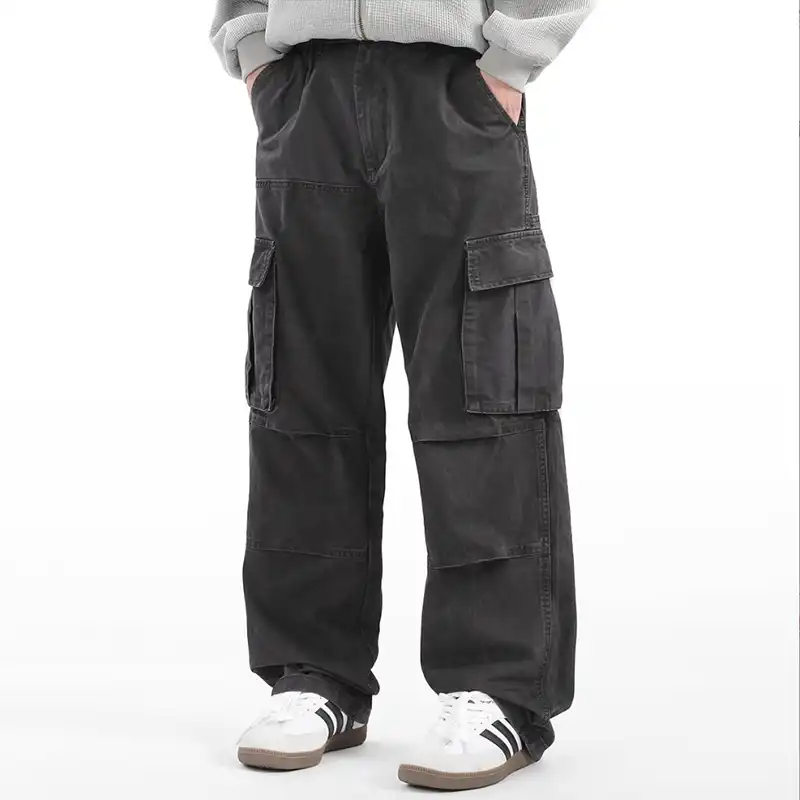
Combat trousers are specially designed outdoor clothes that are made to last in tough situations and do a great job of being useful. These tactical trousers were first made for the military, but now they're essential gear for hiking, camping, climbing and other adventure sports. Their unique features, like reinforced construction, smart pocket placement, and long-lasting fabric blends, make them very useful for outdoor fans and workers who need to be able to rely on them in a variety of terrains and weather conditions. Knowing how they are used in particular helps buying professionals choose the right inventory that meets the sturdiness and usefulness needs of their clients.
Understanding Combat Trousers: Materials, Design, and Durability
Quality combat trousers are built on the materials they are made of and how they are put together. Most of the time, these clothes are made of ripstop cotton, nylon, and polyester mixes that are stronger than regular outdoor trousers when it comes to tearing.
Fabric Technology and Performance
Modern combat trousers are made with NyCo (Nylon-Cotton) mixes, which are usually 50/50 or 60/40. These blends make the trousers breathable and resistant to wear and tear. There are strengthened threads in a crosshatch design in the ripstop weave that keep small holes from getting bigger. This construction is very helpful when going through rocky trails, thick brush, or working places where the fabric often comes into contact with rough surfaces. Water-resistant coats make things safer without making them less breathable. They let moisture vapour pass while keeping out outside moisture.
Reinforcement and Structural Features
Strategic design elements add extra strength to areas that are likely to get worn down quickly. Knee areas often have two layers of fabric or special pockets for protective padding, which is helpful for activities that require a lot of kneeling. The seat and inner thighs are made with gusseted construction, which keeps the seams from coming apart when you move quickly, like when you're climbing or scrambling over obstacles. At Welston, our three factories use high-tech tools from JUKI and SHINLING to make sure that the stitching and placement of the reinforcements are perfect. This makes combat trousers that can handle rough outdoor use while still letting you move around easily.
Functional Design Elements
The difference between combat trousers and normal outdoor trousers is the layout of the pocket. Thigh compartments that resemble cargo pockets can be used to stow maps, GPS units or multi-tools. Utility pockets, smaller, for things like fire-starting supplies or compass tools YKK zippers keep everything securely secured even after repeated exposure to dirt and water. Pre-shaped fabric panels follow the curve of your leg. Articulated knees. This stops the cloth from bunching up and allows you more range of movement on difficult climbs or extended trekking treks.
Core Uses of Combat Trousers in Outdoor Activities
Combat trousers are useful outside for many things because they have special features that make them better than regular trousers for leisure. Because they are flexible, they can be used in a wide range of situations and at different levels of intensity.
Hiking and Trekking Applications
Trail pants should be versatile enough to manage diverse weather conditions without losing comfort. In this respect combat trousers are quite good. They are made of abrasion resistant material that can take the touch of rocks, fallen trees and thorn plants. The various pockets design allows hikers to appropriately distribute their weight and ensures that vital navigational tools and emergency supplies are easily accessible without the need to continually open and close their backpacks. Treatments that withstand water are handy for crossing streams or getting wet when you least expect it. “Dry legs and prevent heat loss when it’s cooler.”
We are a firm that produces clothing for stores in North America. We saw that there is a consistent demand for combat trousers with reinforced stitching and helpful pocket layouts. Such design decisions appeal to outdoor lovers who favour durable equipment rather than stylish products.
Adventure Sports and Tactical Recreation
For rock climbing, trekking, adventure racing and the like, you need trousers that will accommodate awkward body postures and gear straps. Combat trousers are used to fulfil these criteria . They are composed of flexible fabrics that do not stretch and maintain their form while worn . The seat region is reinforced to resist friction from climbing harnesses and abseiling. The durable waistline won't sag or roll with the load of gear loops and carabiners.
Tactical sports like airsoft, paintball and outdoor survival training are popular with those who appreciate the appearance and feel of combat trousers as legitimate work wear. The cargo pockets may contain magazines, water and communication equipment. The rugged structure can endure the crawling, rolling and fast movement required by these activities.
Work-Related Outdoor Activities
Pants that are more like protective gear than just clothes are needed on construction sites, in forests and for outdoor maintenance work. Through their robust materials and reinforced stress points, combat trousers offer this protection. The abrasion resistance keeps workers from damaging the clothes too quickly when they are standing on dirt or brushing against metal fixtures while putting up fences, clearing out yards or building outdoor infrastructure.
The addition of knee pad areas is especially helpful for jobs that require long periods of standing. Workers can put in protective padding that stays in place all day thanks to this feature. This lowers joint stress and makes ground-level tasks more comfortable.
Styling Combat Trousers for Outdoor and Everyday Use
Combat trousers are designed to be practical, but they can look and be styled in a surprising number of ways. This makes them more valuable for procurement workers who want to buy goods that will appeal to a wide range of people.
Transitioning from Trail to Town
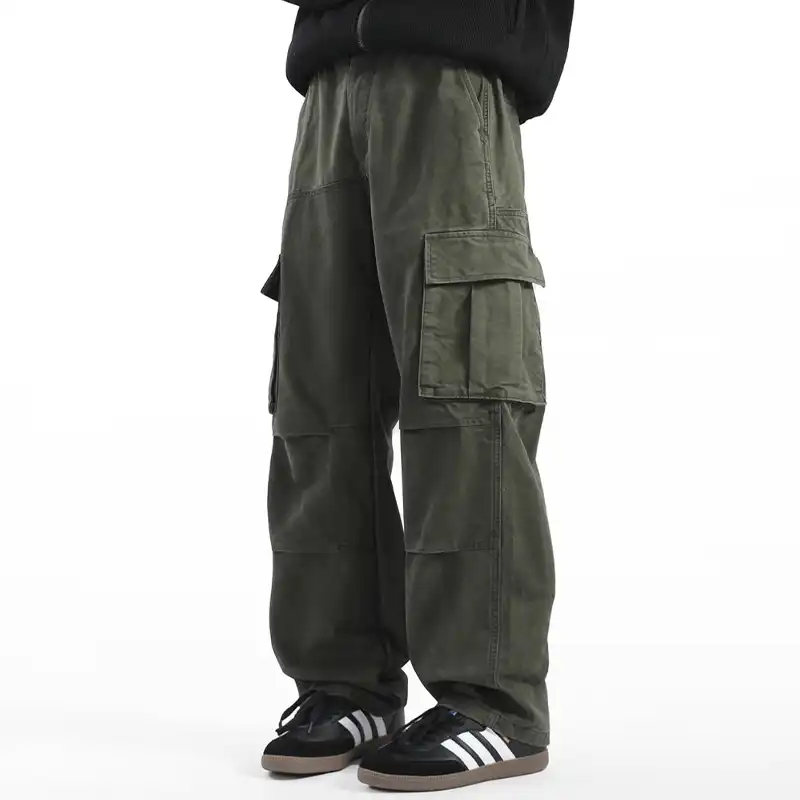
Modern combat trousers have a modern shape that makes them suitable for both outdoor activities and casual city settings. By wearing them with simple crew-neck shirts or quarter-zip pullovers, you can create a useful outdoor look that's great for travelling, running errands on the weekend, or hanging out with friends. There are neutral colour schemes that go well with most casual clothes, like olive, khaki, charcoal, and black. This means that you don't need to have different clothing systems for outdoor and everyday activities.
Seasonal Adaptations
Layering means combat trousers may be worn in a wider range of weather and season circumstances. Base layers that wick away moisture keep you more comfortable in warmer months by controlling perspiration as you work out. Thermal underlayers are good for cooler temperatures since they will keep you warm without the bulk of insulated trousers. This layering strategy is more cost-effective than having a different outfit for each season. This is especially true when it involves making buying decisions that are price-conscious.
Distinguishing Combat Trousers from Standard Cargo Pants
Knowing the differences in how combat trousers and casual cargo pants work helps procurement teams choose the right products for the jobs they need to do. Combat trousers are made from materials and building techniques that are specifically suited to the military, resulting in better strength and performance under pressure. They are different from fashion-forward cargo pants that put looks over function because they have reinforced stitching, smartly placed pockets and an articulated design. In terms of giving advice to clients, this difference makes it clear why combat trousers cost more even though they last longer and work better in tough outdoor conditions.
Selecting the Right Combat Trousers: A Procurement Guide for B2B Clients
When making purchasing decisions, it's important to carefully consider a lot of different factors so that the product chosen meets both the needs of the customer and the budget. The steps below will make this process easier.
Evaluating Fabric Performance
The choice of fabric has a direct effect on how well a clothing works in different situations. Lightweight fabrics (210–220 GSM) work best in hot places and for high-intensity activities where keeping cool is more important than lasting as long as possible. Heavier constructions (260–320 GSM) offer better protection to wear and better warmth for temperate areas or uses that involve ground touch often. By knowing the working environment, you can match the fabric weight to the performance needs and avoid over-specification, which raises costs without providing the right benefits.
Fit and Sizing Considerations
To perform their intended role, combat trousers must be properly fitted. Too-loose fits make it harder to move around and make snags more likely, while too-tight construction limits movement and speeds up wear at stress points. People who work in procurement should make sure that suppliers offer a wide range of sizes with consistent grading between sizes. Welston has 26 years of professional experience making clothes, which means that we can make sure that patterns are accurate and that sizes are the same across production runs. This keeps fit-related returns to a minimum and keeps customers happy.
Bulk Ordering and Customization
The bulk buying means you receive better costs and you may make the items meet your demands. Usually the minimum purchase size is at least 100 pieces, so larger retailers and corporations may enjoy wholesale discounts. Purchasing teams may differentiate their goods by using customisation features, such as adding a brand, picking a colour and determining where to place reinforcements, while still satisfying customer requirements. Our facilities include 10 production lines and more than 580 personnel. This implies that we can manage huge orders and special requirements that are important for building a solid reputation and product positioning.
Supplier Evaluation Criteria
To find reliable suppliers, you need to look at more than just unit prices. Quality control methods, production ability, and how quickly people can respond to messages all have a direct effect on how well orders are filled. To make sure that products meet regulatory requirements, procurement professionals should check that suppliers have the right certifications for the markets they want to reach, such as ANSI compliance for North American clients and EN standards for European clients. Our dedicated after-sales team answers questions within 24 hours and offers useful solutions that keep the procurement process running smoothly.
Care and Maintenance of Combat Trousers to Maximize Lifespan
Following the right care steps will make clothes last longer while keeping their performance, saving the investment made in buying them, and making the end user happier.
Washing Recommendations
To keep their technical qualities, combat trousers need to be washed in particular ways. Normal soaps and fabric softeners break down water-resistant coats because they leave behind residues that make the material less breathable and water-resistant. Technical laundry products made for outdoor clothing clean well without harming the treatments on the clothes. Using cold or warm water to wash clothes lowers the stress on the fabric and stops colours from fading. Also, not agitating the clothes too much keeps strengthened areas from wearing out too quickly.
Using low heat to tumble dry helps revive water-resistant polymer coatings, making them less likely to get wet between retreatment rounds. After about 20 to 30 wash cycles, the DWR spray solutions need to be applied again to keep the water-shedding performance.
Storage and Seasonal Care
Proper keeping between uses stops decay that doesn't need to happen. Combat trousers should be kept in cool, dry places out of the sun, which wears down the fabric and colour over time. Hanging clothes to store them keeps them from permanently creased in areas that are strengthened and where folding might weaken the fabric's structure. Making sure clothes are completely clean before putting them away for a long time keeps organic materials from attracting moisture or bugs that could damage fabrics.
Repair and Replacement Guidelines
Even combat trousers that are well put together need to be fixed or replaced at some point. Small tears in areas that aren't very important can be fixed with fabric glue or iron-on patches that restore the garment's structure without having to buy a whole new one. Seam separations are often a sign of general wear, which helps you figure out when to replace something so that it doesn't break down in the field during important tasks. When planning their inventory, procurement teams should take into account how often items are replaced on average. This way, they can make sure there is enough stock to meet ongoing customer demand without having to hold on to extra capital that isn't being used.
Conclusion
Combat trousers are essential outdoor activity gear because they have specific performance features that make them useful. Their engineered construction, smart reinforcement, and useful design elements give them clear benefits for use in camping, adventure sports, and outdoor work. If procurement experts know about these technical differences, they can make smart choices about where to source products that meet the operational needs of their clients. The fact that modern combat trousers can be worn in both tough outdoor settings and more casual everyday settings makes them more valuable to a wider range of customers. Effective purchasing plans strike a balance between the performance of the fabric, the dependability of the supplier, and the lowest cost, all while upholding quality standards that protect the brand's reputation and keep customers happy.
FAQ
1.What distinguishes combat trousers from regular cargo pants?
Combat trousers have articulated knees, reinforced stress points, and special pocket designs for carrying gear. They are made of military-specified materials like NyCo ripstop blends. Regular cargo pants are usually made of plain cotton fabrics that aren't reinforced for military purposes. They're more about how they look than how long they will last in tough circumstances.
2.How do I maintain water-resistant coatings on combat trousers?
When you wash your gear, use technical soaps made just for it and stay away from fabric softeners that leave behind leftovers. To get polymer coatings to work again, tumble dry on low heat. To get the water-repellent properties back after 20 to 30 wash cycles, follow the manufacturer's guidelines and reapply DWR spray solutions.
3.Which fabric weight works best for different climates?
Fabrics that are light (210–220 GSM) work well in warm places and for high-activity tasks where air flow and heat management are important. Heavier materials (260–320 GSM) last longer and keep you warmer in tropical areas or when you're doing activities that involve a lot of ground touch and wear and tear.
Partner with Welston for Premium Combat Trousers Manufacturing
You can buy combat trousers from Welston, which has been making them well for 26 years and has a lot of knowledge with specialised production. Our three plants are very good at making long-lasting outdoor clothing that meets the high quality standards that stores, building companies, and logistics companies in North America expect. As a well-known provider of combat trousers, we offer items with reinforced stitching, useful pocket systems and safety features that meet ANSI standards that meet the needs of your clients' operations. Our low minimum order size of 100 pieces makes it easy for growing businesses to use our services, and our customisation options, such as adding logos or changing specifications, help your products stand out. Contact [email protected] right away to talk about your specific needs and get detailed product catalogues at low bulk prices that will help your business stand out in the market.
References
1. Smith, J. & Anderson, P. (2022). Technical Textiles in Outdoor Apparel: Material Science and Performance Engineering. Outdoor Industry Press.
2. Martinez, R. (2021). "Comparative Analysis of Tactical Trouser Construction Methods in Professional Applications." Journal of Protective Clothing Research, Volume 15, Issue 3, pp. 147-162.
3. Thompson, L. (2023). The Complete Guide to Outdoor Activity Gear Selection and Maintenance. Mountain Equipment Publications.
4. Chen, W. & Roberts, K. (2022). "Durability Testing Protocols for Heavy-Use Outdoor Garments." International Textile Engineering Quarterly, Volume 28, Issue 2, pp. 89-104.
5. Davidson, M. (2023). B2B Procurement Strategies for Industrial and Outdoor Workwear. Professional Apparel Institute.
6. Williams, S. (2021). "Evolution of Military-Derived Civilian Outdoor Clothing: Technical Features and Market Adaptation." Apparel Industry Historical Review, Volume 42, pp. 201-218.
We specialize in designing, producing, and selling corporate clothing. Mainly produces: industrial clothing, business uniforms, and work clothes for different companies.

About Welston Garments


