What Materials Make the Best FR Hoodie?
Workplace flame-resistant protective apparel must be chosen by understanding fabric composition. FR Hoodies produced from the correct materials will keep you cool and protected during lengthy work shifts. The best materials are inherently flame-resistant, durable, damp-resistant, and meet international safety standards. Flame-resistant jackets are produced from modacrylic mixes, Nomex, and treated cotton. Each material has unique defensive properties that make it appropriate for dangerous situations. Selecting the proper material demands consideration of approval criteria, industry requirements, and worker comfort to assure safety and efficiency.
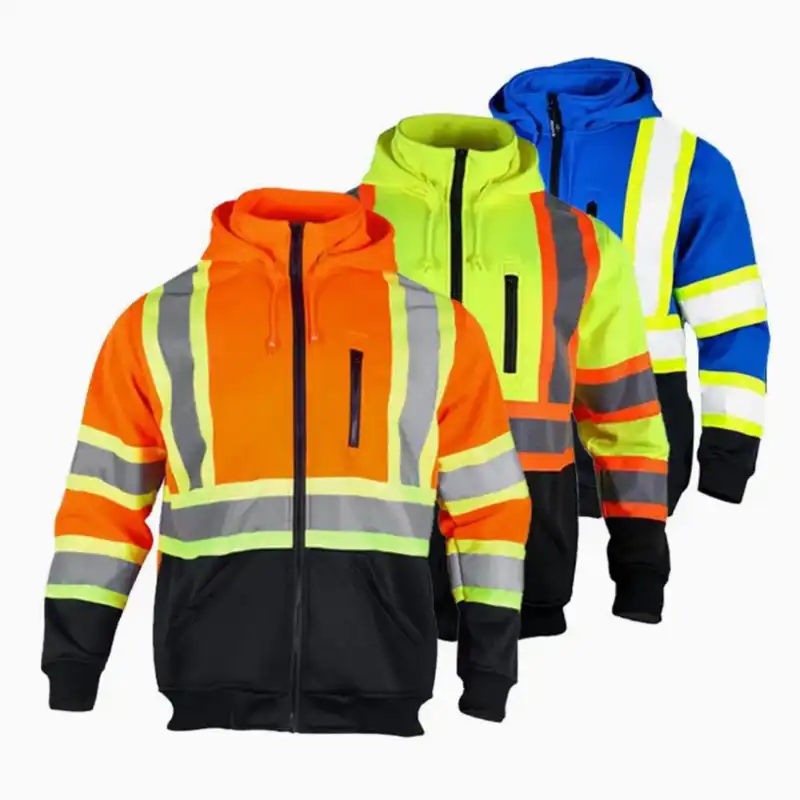
Understanding FR Hoodies: Key Materials and Their Roles
Aramid Fibers: The Gold Standard in Flame Protection
Because they don't wear out or wash out, aramid fibers are the most flame-resistant materials available. Nomex and other man-made materials create a heat-resistant char coating when exposed to fire. Flash fire burns are less severe because aramid fibers don't melt or drop due to their molecules. Industrial wholesalers who serve oil refineries and power companies promote aramid-based hoodies for their durability over hundreds of wear cycles. Even though it costs more, buying in bulk saves money because the cloth holds its shape after many washes.
Modacrylic Blends: Balancing Protection and Comfort
Modacrylic fiber combinations combine high-end aramids and treated cotton comfortably. Flame-resistant synthetic fibers are chemically engineered. Workers enjoy wearing soft, comfortable garments during lengthy shifts. When blended with cotton or other natural fibers, modacrylic fabrics breathe better than manufactured ones. Many safety managers struggle to encourage workers to wear protective gear, but this material overcomes that problem. The fiber is naturally flame-resistant, therefore safety is unaffected by washing frequency, but following industrial cleaning requirements will extend apparel life.
FR-Treated Cotton: Traditional Protection with Modern Applications
Companies creating safety programs can start with cotton materials coated with fire-resistant chemicals. Special finishing techniques add flame-resistant chemicals to cotton fibers in these clothing. This makes the garments safe and affordable. Managing limited budgets and safety regulations like treated cotton FR Hoodies. This is especially true in manufacturing and construction. Workers can tolerate and use natural fiber bases because they absorb and let air move through better than synthetic ones. But treated cotton must be washed as directed by the manufacturer to maintain its protective characteristics for the clothing's lifespan.
Different business sectors employ different materials for different activities. Aramid fiber hoodies with high ATPV are suitable for arc flash-prone electrical operations. Oil and gas firms request modacrylic blends that can withstand hydrocarbon contact and flash fires. In construction and general industries, treated cotton choices are employed for comfort and cost-effectiveness.
The Science Behind FR Hoodie Performance and Durability
Thermal Protection Mechanisms and Safety Ratings
Heat reactions give flame-resistant materials protection in risky conditions. Good materials either extinguish flames or produce char layers to protect the wearer's skin from heat. This basic element distinguishes safe clothing from regular clothes that can catch fire and burn terribly. These protection attributes must pass rigorous real-world tests to be approved for safety. ASTM F1506 tests materials for electrical spark resistance, and NFPA 70E regulates electrical worker arc-rated clothing. European markets follow EN ISO 11612 for thermal safety. This creates guidelines for purchasing experts to compare supplier offerings.
Abrasion Resistance and Garment Longevity
Industrial protective apparel is constantly stressed by tools, equipment surfaces, and frequent moves. The cloth's scratch resistance affects the overall cost of ownership because early wear increases program expenditures and replacements. Due to their great tear strength, aramid fibers retain their shape throughout welding and heavy construction. Modacrylic mixtures are strengthened to last longer without sacrificing comfort or flexibility. Standard wear cycles let consumers estimate how long garments will last in given working conditions. Distributors serving North American industrial clients are emphasizing durability and heat protection in product specs.
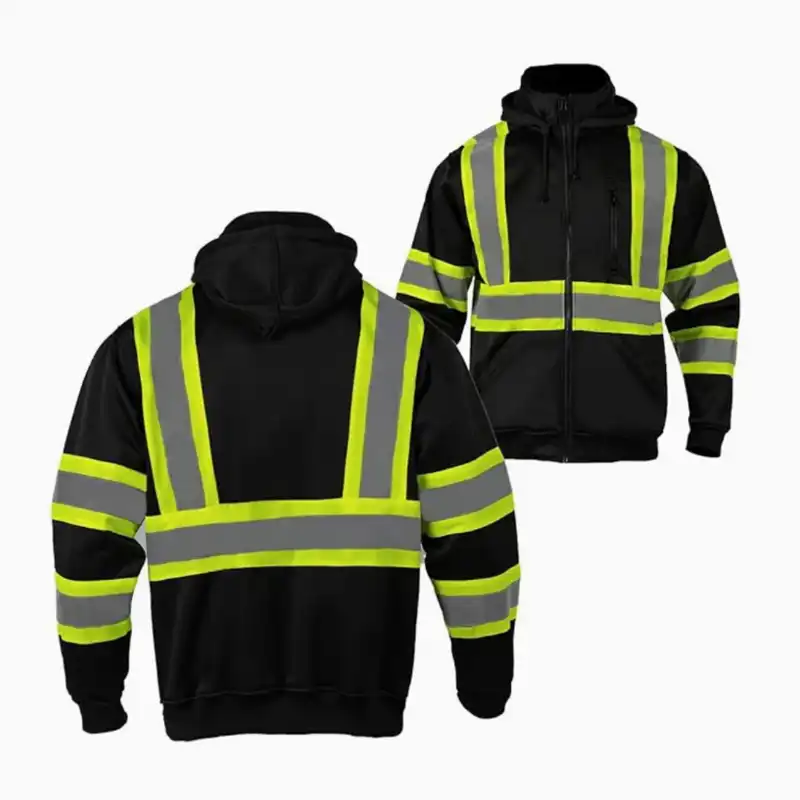
Certification Verification and Compliance Assurance
Real safety certifications are the basis for making confident buying choices, but there are goods on the market that make false claims or don't have enough paperwork. Legitimate flame-resistant FR Hoodies have permanent stickers that list the exact standards that were met, the arc rating values, and the fiber makeup information that is needed to track the product's lifecycle. Independent testing by third-party certification groups like UL or SEI backs up what manufacturers say about their products. This gives buyers peace of mind that the products will do what they say they will do. European uniform companies really like this checking process because safety programs at work have to show proof of compliance with the rules. When evaluating suppliers, procurement teams should ask for full approval paperwork, such as test results that show how the fabric performed in a variety of risk situations.
These technical issues have a direct effect on the costs of the program and the safety of workers. Knowing how materials fight flames, hold up against daily wear, and meet certification standards helps you make smart buying choices that balance safety, durability, and cost concerns.
How Material Choices Influence FR Hoodie Comfort and Wearability
Breathability and Moisture Management Technologies
The ability of a cloth to breathe and remove sweat from the body is very important for worker comfort during long shifts. Traditional flame-resistant materials tend to keep heat and sweat in, which makes people uncomfortable and less likely to follow safety rules. These problems are fixed by modern fiber engineering, which creates advanced cloth structures that let more air flow through while still keeping heat in. Modacrylic mixes have moisture-wicking features that pull sweat away from the skin, keeping workers dry while they do hard physical work. Some makers put mesh panels or ventilation zones in places that aren't needed as much. This lets more air flow through without reducing the protection. These new ideas are especially helpful in warm places or places with a lot of movement at work, where heat stress is a bigger safety risk.
Fabric Weight and Seasonal Adaptability
The weight of protected clothing affects both how comfortable you are and how you can best layer for different weather situations. Flame-resistant hoodies that are light (7-9 ounces per square yard) are good for many industry uses because they cover well without being too bulky or limiting. Heavier fabrics last longer and have better arc ratings, but they may get too hot in mild temperatures. Professionals in procurement who work with a wide range of local markets often list more than one weight choice. This lets workers choose the right clothes for the season. This freedom makes program participation better because workers feel like management cares about their comfort as well as safety rules. Asian and Pacific manufacturing clients like this flexibility a lot because production sites may not have temperature control systems.
Recent Innovations in Protective Comfort Features
New developments in material science keep making flame-resistant clothing more effective. Some fabrics now come with water-repellent finishes that keep out light rain and industrial liquids without making the fabric less breathable or flammable. In hot places, phase-change materials or techniques that reflect light can help control body temperature through cooling devices. Stretch fiber blends help workers with limited range of motion do jobs that require them to reach high or move around in small areas. With these improvements, safety gear goes from being an accepted necessity to something that workers actively want to wear. When European safety sellers show their customers solutions that will keep workers happy and satisfied, they stress these comfort features.
The choice of material has a direct effect on whether workers regularly wear the right gear or look for ways to avoid wearing difficult clothes. Even the most protective FR Hoodie is useless if it is not worn, so comfort features should be required, not just extra, when buying something.
Selecting the Best FR Hoodie Materials for Your Industry Needs
Electrical Utility and Arc Flash Environments
Electrical workers face special risks that require flame-resistant clothes with certain safety features. In milliseconds, arc flashes release a lot of strong heat energy, so materials must be able to react right away to keep people from getting burned. Aramid fiber hoodies with ratings between 8 and 12 cal/cm² are good for many utility repair jobs. For more dangerous situations, multi-layer systems with ratings of 20 or more cal/cm² are needed. Because synthetic flame-resistant fibers are not flammable, they don't pose the same safety risks as cotton, which absorbs moisture in electrical settings. When buying clothes for these uses, the arc thermal performance number should be given more weight than cost, because the effects of not having enough protection are much worse than differences in clothing prices.
Oil, Gas, and Petrochemical Operations
In places that process hydrocarbons, workers need to wear clothes that are resistant to flames and chemical damage from product contact. Modacrylic mixes are very resistant to things that are made from gasoline, and they stay flame-resistant even after being touched many times. Many workers ask for high-visibility models that meet ANSI 107 standards. These offer both flame protection and better visibility around heavy machinery. Flash fire protection that compliant hoodies offer gives people important time to get out of harm's way in an emergency, which could save lives. Distributors in this industry should know the difference between clothing that is rated for arcs and clothing that is rated for flash fires. This is because different parts of a facility may need different levels of protection.
Manufacturing and General Industrial Applications
Flame-resistant FR Hoodies are a good way to protect yourself from heat dangers when welding, fabricating, working with metal, and making things in general. Spark and spray exposure is more common in these settings than sustained flash fire or arc flash events. This means that more types of materials can be used, such as treated cotton mixes. When buying these kinds of things, cost-effectiveness becomes more important, especially for small and medium-sized businesses that are trying to stick to tight safety budgets. Companies value branded clothing that looks professional and meets safety standards, so the ability to customize it is very important. Welston has helped manufacturers in Asia-Pacific markets by creating custom solutions that balance cost, appearance, and safety. Their minimum order amounts are open, starting at 100 pieces, and they've had great success with these orders.
Construction and Outdoor Work Environments
Heat, weather, and hard work create specific issues on construction sites. Workers who climb or work above others need flame-resistant jackets that fit over base layers and allow movement. Clothes must withstand tool, building material, and safety device wear to last. Water-repellent coatings and wind-resistant materials are better for outdoor building in changing conditions. More procurement managers are understanding that choosing comfortable, practical, protected clothing reduces the number of times clothes need to be replaced and improves safety compliance across all work teams.
These industry-specific factors help choose materials that match workplace hazards and processes. Buying products by matching fabric qualities to risk evaluations is better than using the same specs in all work environments.
Care, Maintenance, and Longevity of FR Hoodie Materials
Proper Laundering Protocols for Different Fabrics
Follow each fabric's manufacturer's cleaning directions to maintain flame resistance. Aramids and modacrylic, which resist flame, can be washed in industrial machines with mild detergents. Do not use strong chemicals or excessive heat. When cleaning treated cotton items, be careful not to damage or remove the protective finishes, making the FR Hoodie unsuitable to wear again. Fabric softeners leave combustible residues that reduce safety, while chlorine bleach destroys flame-resistant treatments and fiber structures. Industrial washing services that specialize in safe workwear recognize these standards and offer recorded cleaning methods to maintain garment certifications.
Inspection and Retirement Criteria
Checking your garments often can reveal wear patterns, damage, or contamination that compromises their protection. Visually inspect the cloth for thinness, tears, or fire-hazardous stains. Also look for heat-damaged parts. Always read permanent clothing labels with certification information to prove compliance during safety checks. Clear retirement standards prevent people from wearing old garments and lengthen legal service life. With average working use, natural fiber garments can last two years, but treated cotton coats need to be replaced every 50 to 100 washes. When calculating cost per wear, procurement managers should consider both the original buy price and these lifecycles.
Storage and Handling Best Practices
Between shifts, flame-resistant garments should be cleaned and protected from the environment. Hoodies should be hung in a clean, dry place away from chemicals, oil, and other fire hazards. Long-term garment stockpiles should be stored indoors since some synthetic fabrics degrade in direct sunlight. When heated again, oils or chemicals on unclean clothes stored immediately may catch fire. These simple rules boost program efficiency, reducing replacements and expenses. Safety managers' structured storage and maintenance methods make clothing survive longer than in regions without standards.
Following these care instructions ensures flame-resistant hoodies provide continuous protection throughout their certification. Quality materials and maintenance improve worker safety, regulatory compliance, and protective gear program TCO.
Conclusion
Consider how they will protect you from heat, how long they will last, how comfortable they are, and how much they will cost at your workplace when choosing flame-resistant FR Hoodies. For high-risk electrical purposes, aramid fibers are the safest natural material, and modacrylic blends are comfortable and reliable in many industrial environments. For budget-conscious programs, treated cotton provides economical safety when properly maintained. When procurement experts know how these materials resist fires, fulfill certification standards, and work in real life, they can choose clothing that safeguard workers and meet compliance requirements. Following proper care and maintenance will extend the life and safeguard the garments, increasing the program's worth. The correct material depends on occupational dangers, government regulations, and industry-specific operating goals.
FAQ
1. What distinguishes flame resistant from fire retardant materials?
Flame-resistant fabrics don't catch fire easily and put out the fire on their own when the cause of the fire is taken away. On the other hand, fire safe materials have chemicals added to them that make them less likely to catch fire. Naturally flame-resistant fibers, such as aramids and modacrylic, keep their protection for a long time. On the other hand, treated fabrics need to be properly cared for to keep their protective finish for the approved lifetime of the clothing.
2. How can I verify proper material certifications for compliance?
Real FR Hoodies have permanent stickers that list the standards that were met, the arc rating values, and the fiber makeup. Ask sellers for full certification paperwork, such as test results from a third party from a recognized organization like UL or SEI. Labels should list performance numbers that are in line with NFPA 70E, ASTM F1506, or EN ISO 11612 guidelines. Verification keeps your business safe from non-compliant items that look like they're real but haven't been tested properly.
3. What lifespan should I expect from different fabric types?
Naturally flame-resistant materials, such as aramid and modacrylic, can usually protect for two to three years with proper care in standard commercial use. Most treated cotton clothes keep their approval for 50 to 100 industrial wash cycles before they need to be replaced. The actual lifespan depends a lot on the harshness of the work setting, how often the clothes are washed, and how they are worn by each person. Keeping track of clothes' ages and wash cycles lets you make replacement choices based on facts that balance safety and cost-effectiveness.
Partner with Welston for Reliable FR Hoodie Solutions
Welston has 27 years of specialized experience making protection gear that doesn't catch fire for tough industrial uses. As a well-known FR Hoodie supplier with customers in North America, Europe, and the Asia-Pacific region, we know how important it is to find the right mix between worker comfort, safety regulations, and cost-effectiveness. Ten separate production lines run in our three plants. These lines are equipped with high-tech JUKI and SHINLING machines, which allow for flexible customization from sales of 100 pieces to large-scale bulk supply. We meet your unique needs by offering a wide range of services, such as adding your logo, changing the size, and quick production plans that get you 50 pieces in 10 days. Our quality control methods make sure that the NFPA, EN ISO, and ASTM standards that your safety programs require are always met. Get in touch with our team at [email protected] to talk about your needs for a flame-resistant hoodie. You'll get useful advice based on our nearly 30 years of experience making clothing.
References
1. National Fire Protection Association. "NFPA 70E: Standard for Electrical Safety in the Workplace." 2024 Edition. NFPA Publications.
2. American Society for Testing and Materials. "ASTM F1506: Standard Performance Specification for Flame Resistant and Arc Rated Textile Materials for Wearing Apparel for Use by Electrical Workers Exposed to Momentary Electric Arc and Related Thermal Hazards." ASTM International Standards.
3. International Organization for Standardization. "EN ISO 11612: Protective Clothing - Clothing to Protect Against Heat and Flame." European Committee for Standardization Publications.
4. Stull, Jeffrey O. "Performance of Protective Clothing and Equipment: Emerging Issues and Technologies." ASTM Special Technical Publication Series, 2021.
5. Barker, Robert L. "Thermal Protective Performance of Fire-Resistant Fabrics in Multi-Layer Clothing Systems." Textile Research Journal, Volume 92, 2022.
6. Industrial Safety and Hygiene News. "Comprehensive Guide to Flame-Resistant Workwear Selection and Maintenance for Industrial Safety Programs." BNP Media Publications, 2023.
We specialize in designing, producing, and selling corporate clothing. Mainly produces: industrial clothing, business uniforms, and work clothes for different companies.

About Welston Garments


