What to Know About Embroidery on Polo Shirts
When corporate teams invest in branded apparel, the choice between screen printing and embroidery polo options becomes critical. Embroidery polo delivers a three-dimensional, tactile finish that withstands industrial laundering cycles, maintains color vibrancy, and communicates professional authority. Unlike surface printing methods that crack or fade after repeated washing, embroidered logos are stitched directly into the fabric matrix, creating a lasting impression that aligns with corporate identity standards and elevates brand perception across diverse business environments.
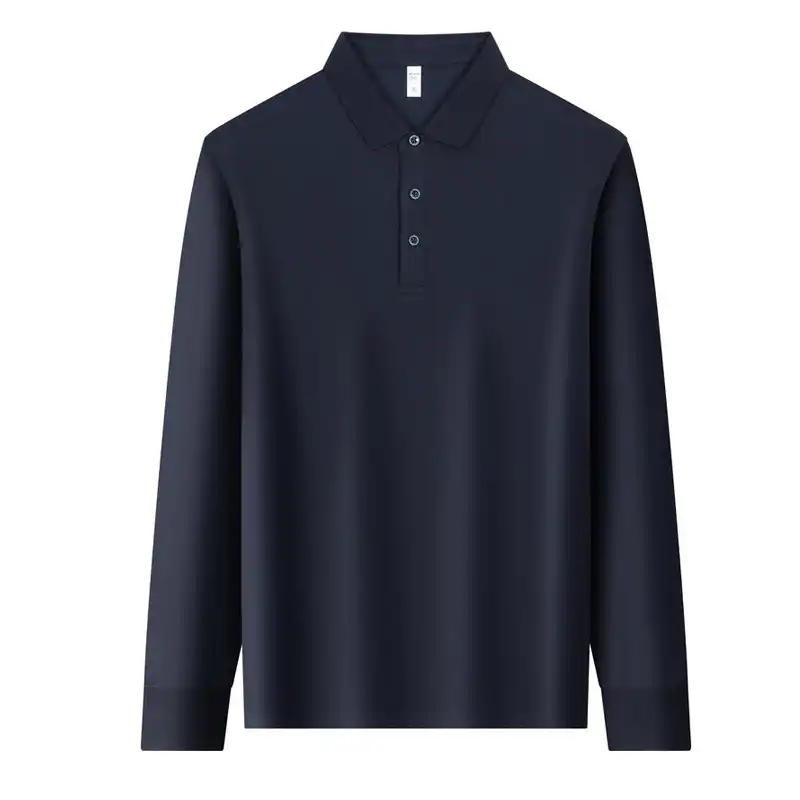
Understanding Embroidery on Polo Shirts
Since its earliest handmade origins, the methods of needlework have developed dramatically. With computerised tools, you can sew accurately and convert business polos into uniforms for IT businesses, hospitality teams, and promotional events. The shift is evidence of the devotion at Welston. We have been adapting our embroidery techniques to the specific demands of companies in North America, Europe, and developing regions since 1998.
Key Embroidery Techniques and Stitching Styles
Machine stitching is the most frequent approach to produce goods for sale since you can scale up and down quickly. The high-tensile polyester threads are normally 40-weight with a tensile strength of roughly 1100cN. They are sewed together according to computer designs that control the density, angle, and underlay structure. Satin stitches provide a smooth, lustrous finish, ideal for lettering and outlining. Fill stitches, however, fill bigger parts of logos with an interlocking pattern to prevent the cloth from bleeding through.
Hand stitching still has a place in boutique projects that need precise details, but cannot be employed for big corporate orders due to the restricted capacity to scale it up. Welston has ten manufacturing lines equipped with the latest Japanese and Taiwanese JUKI and SHINLING machines. This assures uniform stitch quality over thousands of units and maintains the tactile richness that makes premium embroidered garments stand out.
Comparing Embroidery with Printing Methods
Embroidery is more durable than other methods of marking. Screen-printed graphics normally endure 20 to 30 washes before they start to look terrible, but embroidered designs frequently last longer than the garment itself. This durability is vital for hospitality uniforms, which are often submitted to industrial laundry at temperatures up to 60 degrees Celsius.
Prices are much different. Printing is quicker and cheaper to set up for basic, big-area designs. Embroidery involves digitising, which is the process of translating artwork into stitch files, and adds to the initial expenditure but offers better perceived value. Embroidery polo solutions provide procurement managers a way of justifying the higher price tag when balancing the demands of tight budgets with brand prestige, thanks to the longer life of the garment and the professional appearance it presents.
The visual effect also varies. Printing allows for photographic detail and gradient effects that are not feasible with thread. In contrast, embroidery gives spatial depth and textured textures that speak of skill. This tactile element typically comes into play when corporate customers in Europe and North America are judging uniform providers, especially for positions involving client-facing work where appearance conveys business values.
How to Customize Embroidered Polo Shirts for Your Business Needs
You may make off-the-rack polo shirts into smart branding tools with your own design. Once the design is uploaded, it is converted into vector files in AI, EPS or PDF formats. These files make sure that the digitisation is clear. When picking a thread colour, a reference like a Pantone or Madeira chart is employed. It enables brands to reproduce colours precisely throughout manufacturing runs. Our design team collaborates with clients throughout the sample process to validate brand positioning, size parameters, and visual impact before Welston begins mass production.
Design Recommendations for Maximum Visual Impact
Logo placement is quite important in how visible a brand is and how a garment looks. Left chest location, often 3 to 4 inches down from the collar and centred between the shoulder seam and placket, offers a conventional appearance that is nice for business contexts. Bigger back placements work effectively for promotional events when visibility from a distance is vital. Good sleeve stitching for sports, although unique hooping methods are required for curved surfaces.
Typography choices are about readability and manufacturing feasibility. Minimum text height for textured piqué knits must be 4-5 mm to keep text clear and avoid looping of threads. Most sans-serifs embroider more neatly than baroque letters, especially at tiny sizes. Our skilled Welston digitisers review artwork during consultations and offer changes to get the best visual effect and manufacturing efficiency.
Incorporating Sustainable Materials and Eco-Friendly Threads
North American IT corporations and European corporations chasing environmental certifications are increasingly including environmental awareness into purchase choices. One form of sustainable thread is recycled polyester made from post-consumer plastics that fulfils durability criteria but with a lower environmental effect. Organic cotton polos are a comfortable option for promotional events in hotter climates, but embroidery on natural fibres calls for careful stabiliser use to avoid puckering in embroidery polos.
Welstons’ production practices are driven by concepts of responsible sourcing. The company offers a range of fabrics that may be customised to meet performance needs while balancing sustainability aims. Our procurement team has ties with recognised suppliers that provide transparency across the supply chain, while achieving delivery promises for time-sensitive corporate uniform initiatives.
Care Instructions to Ensure Longevity
Proper care increases the life of needlework and preserves your investment in clothing. Wash embroidered polos inside-out in cold water to minimise thread abrasion and colour loss. Clorox bleach may discolour threads. Tumble dry on low heat so the fabric doesn’t shrink too much and distort your embroidered motifs. If you have hospitality uniforms that need to be washed often, then professional washing services are the best option since they use pH-neutral detergents.
Durability depends on the quality of the thread. High-tenacity polyester is ISO 105-C06 wash fast and ISO 105-B02 light fast, so logos look great after hundreds of wash cycles. Procurement managers should seek fabric samples and do wash tests to validate the quality claims before placing major purchases.
Comparing Embroidery Options: Making the Right Choice
Selection of embroidery techniques is based on knowledge of how manufacturing processes affect cost, quality, and scalability. With machine embroidery, you can count on reliable results for big quantities of embroidery, perfect for corporate uniform programs that need hundreds or thousands of the same thing. Hand stitching allows for creative freedom, but is neither fast nor reproducible enough for commercial use.
Machine Embroidery Versus Hand Embroidery
The B2B sector is dominated by machine embroidery, offering accuracy and efficiency. Computerised systems sew at rates of more than 1,000 stitches per minute and can reproduce precisely from one manufacturing run to another. But uniformity is necessary when corporate customers need a consistent look at different distribution locations or employee groups. Welston manages orders from small runs to big-scale rollouts, and delivery periods are built into customer timelines.
Hand needlework still has value in specialised applications that require variety in texture or creative interpretation. Skilled craftsmen can instinctively change tension and thread direction to create effects that are impossible to design digitally. However, labour intensity restricts scalability, and costs per unit are far higher than those of machine manufacturing. Most business procurement situations tend to go toward machine embroidery for the combination of quality, consistency, and economic feasibility.
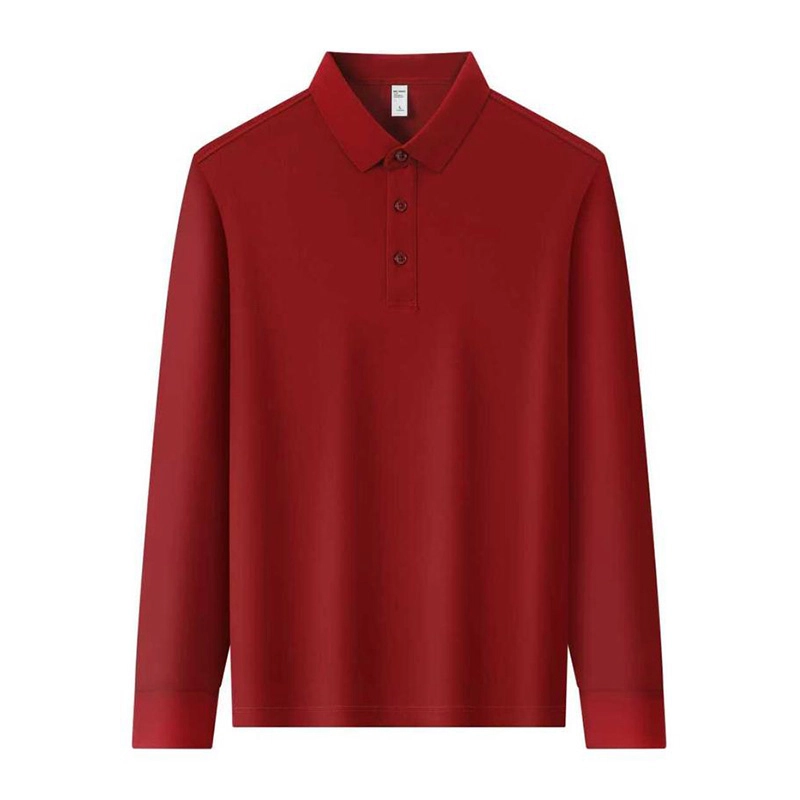
Evaluating Quality: Thread Type, Stitch Density, and Fabric Compatibility
The quality evaluation starts with the choice of threads. Rayon has more gloss, but less durability than polyester threads, which are stronger and more colourfast. Stitch density, defined in stitches per square centimetre, impacts coverage and stability. Too high a density may cause fabric tunnelling; too low a density causes the base fabric to be see-through and affects the logo look.
Fabric compatibility influences backing selection and stitch programming. Lightweight performance polyester uses cut-away stabilisers that are permanently connected to avoid puckering on thin textiles. Heavier cotton piqué knits may take tear-away backings that you rip off after you sew, and leave a softer inside that’s comfortable enough to wear all day. During sampling, Welston’s technical staff will check the fabric characteristics and propose the stabiliser type and digitising settings that will provide the best results for that particular material substrate.
Selecting Reputable Suppliers for Excellence and Sustainability
The supplier’s reputation has a considerable impact on the results of the project. The proof of constant quality of certified, established manufacturers is customer testimonies and openness of their manufacturing capacity. Welston is the basis of trusted collaborations with thirty years of producing professional uniforms expertise. Our facilities provide services to customers throughout Europe, North America, the Middle East, Japan, and South Korea, and our manufacturing methods are set up to meet different regional tastes and compliance.
Supplier selection is taking sustainability credentials into account. Buyers should check environmental management systems, waste reduction strategies, and supply chain traceability. With strict quality controls and fast customer support throughout the whole order fulfilment process, Welston provides procurement managers with confidence in specifying embroidered polo solutions for their corporate programs.
Procurement Insights for Embroidered Polo Shirts
Efficient sourcing involves an awareness of market structures and supplier capabilities. B2B platforms and industry directories link buyers to specialised manufacturers providing bespoke embroidery services. Lead times are dependent on the complexity and volume of the order and usually range from two to six weeks for conventional corporate uniform projects. Rush manufacturing solutions are available, but they tend to have a premium price that impacts the overall procurement expenses.
Pricing Strategies and Volume Considerations
In personalised clothes, there are substantial economic benefits to buying in volume. As the order numbers rise, the per-unit prices go down, which helps to spread the fixed costs across more pieces. Digitisation costs (about $50-150 per logo) make more sense when spread out across big purchases. Welston provides various price options and clear quotes to help you understand the cost factors, like thread count, colour variations, and fabric requirements, whether you need a small number of promotional pieces or a big number of uniforms.
Customisation beyond just putting your brand on the item influences price. Multi-position embroidery, specialty threads such as metallic or glow-in-the-dark, and bigger patterns enhance both the manufacturing time and the cost of materials. Early supplier engagement enables procurement managers to balance financial limits against branding goals, uncovering creative, cost-effective design choices that provide visual impact while keeping expenditures in check.
Personalization Applications for Corporate Teams and Events
Embroidery polos enhance brand recognition in a wide range of applications. A uniform look in corporate teams ensures consistency and promotes business culture and professional standards. Event firms use customised gear to carry out promotional operations. Branded shirts aid in visibility and produce lasting impressions. Welston provides a variety of customisation options such as embroidery of the individual’s name, department IDs, and messages related to a particular occasion. Customers may customise their purchases to exactly meet their requirements.
Bulk purchases allow cost-effective customisation efforts. Minimum order numbers might vary from one supplier to another, although experienced manufacturers often work with orders of 50 to 100 items and more. Welston has a robust colour (black, navy, white, sky blue, green, etc.) and size (S-5XL) inventory, which helps to quickly turn out time-critical jobs and also allows for unique needs that enhance the customer’s branding efforts.
Best Practices and Common Pitfalls to Avoid in Embroidered Polo Shirt Procurement
Successful procurement depends on careful planning and clear communication. Common errors include underestimating minimum order quantities, which can inflate per-unit costs when additional pieces become necessary. Thread quality variations significantly affect durability; specifying high-tenacity polyester meeting industry standards prevents premature fading or breakage that compromises logo appearance.
Artwork Preparation and Proofing Protocols
Clear artwork submission accelerates production timelines and ensures accurate logo reproduction. Vector files scale without resolution loss, unlike raster images that pixelate when enlarged. Converting logos to stitch files requires specialized digitization expertise, as thread cannot replicate every design element. At Welston, our design team reviews artwork during consultation, identifying potential issues before sampling begins and recommending adjustments that optimize embroidery results.
Proofing confirms design accuracy before mass production. Digital mockups illustrate approximate placement and appearance, though physical samples provide definitive evaluation of stitch quality, color matching, and overall aesthetic. Procurement managers should allocate time for sample review and revision cycles, ensuring alignment between expectations and production capabilities before approving large orders that cannot be easily modified after completion.
Maintenance Tips for Prolonging Embroidery Durability
Proper garment care maximizes investment returns by extending usable lifespan. Washing embroidered polos inside-out protects stitches from abrasion against drum walls and other garments. Cold or warm water settings reduce color bleeding, while avoiding fabric softeners prevents residue buildup that can dull thread appearance. Air-drying eliminates heat-related shrinkage that distorts embroidered designs, though low-temperature tumble drying provides acceptable alternatives when time constraints exist.
Storage practices also affect longevity. Hanging polos on proper hangers maintains shape better than folding, which can crease embroidered areas and stress thread tension over time. Professional cleaning services specializing in uniform care deliver optimal results for hospitality applications requiring frequent laundering, as commercial-grade equipment and detergents clean effectively while minimizing wear.
Supplier Communication and Quality Assurance
Proactive communication prevents misunderstandings that delay projects or compromise quality. Clearly specifying requirements—including logo dimensions, thread colors, placement coordinates, and quantity breakdowns by size—establishes shared expectations from the outset. Welston's order process includes multiple touchpoints: initial consultation, design confirmation, sampling approval, and pre-shipment inspection, ensuring procurement managers maintain visibility throughout production and can address concerns before final delivery.
Quality assurance extends beyond initial inspection. Reliable suppliers stand behind their work with responsive after-sales service, addressing defects or discrepancies promptly. At Welston, our commitment continues through shipment arrival, with dedicated customer service ready to resolve issues that protect client satisfaction and support long-term partnership development.
Conclusion
Procurement experts are able to make better buying selections if they know about embroidery polo on polo shirts, including quality, pricing, and branding. Successful corporate clothing programs rely on every area, from the selection of techniques and how to customise to vendor assessment and maintenance procedures. With 30 years of expertise in producing professional uniforms and workwear, Welston is a trusted partner for organisations looking for excellent embroidered polo solutions. Our sophisticated technology, versatile production capacity, and devotion to customer service enable business customers from North America, Europe, and developing markets to achieve their branding and uniform goals with long-lasting, expertly embroidered clothes.
FAQ
1. Can small text be embroidered clearly on polo shirts?
Yes, though limitations exist. Text height should be at least 4-5 mm to maintain legibility on textured piqué fabrics. Below this threshold, stitches may loop or blur, obscuring details. Welston's digitizers use heavy underlay stitches and column stitch techniques to maximize clarity for smaller text elements while advising clients on size adjustments that ensure professional results.
2. Why does fabric sometimes pucker around embroidered logos?
Puckering occurs when thread tension exceeds fabric tension, particularly on lightweight performance materials. Proper stabilizer selection—typically cut-away backing for polyester polos—provides support that prevents distortion. Reducing stitch density and adjusting digitizing parameters compensate for fabric characteristics, delivering smooth results. Welston's technical team matches different types of stabilizers and stitch settings to specific fabrics during sampling, eliminating puckering issues before production begins.
3. How does embroidered polo durability compare to printed alternatives?
Embroidery significantly outlasts printing. Printed designs typically fade or crack after 20-30 wash cycles, but embroidered logos withstand hundreds of laundering cycles without degradation. High-tenacity polyester threads dyed throughout are resistant to bleaching agents and UV exposure, maintaining appearance long after the base fabric shows wear. This durability makes embroidery ideal for hospitality uniforms and corporate apparel requiring an extended service life.
Partner with Welston for Premium Embroidery Polo Manufacturing
Welston brings unmatched expertise as an embroidery polo supplier with over 25 years of experience serving corporate clients worldwide. Our advanced JUKI and SHINLING equipment across 10 production lines ensures consistent quality whether you need 100 promotional polos or 10,000 employee uniforms. We offer short-sleeve and long-sleeve options in sizes S-5XL, with customizable materials, colors, and embroidery placements tailored to your branding requirements. Our experienced team guides you through design consultation, sampling, and mass production with transparent communication at every stage. Contact Welston today at [email protected] to discuss your embroidery polo needs.
References
1. Smith, J. (2022). Corporate Branding Through Custom Apparel: Strategies for Procurement Professionals. Business Uniform Press.
2. Chen, L. & Rodriguez, M. (2021). Textile Durability and Maintenance in Commercial Laundering Environments. Journal of Industrial Textiles, 45(3), 234-251.
3. Williams, R. (2023). Embroidery Technology: From Traditional Craft to Automated Production Systems. Garment Manufacturing Quarterly.
4. Thompson, K. (2020). Sustainable Sourcing in the Corporate Apparel Industry. International Journal of Supply Chain Management, 12(2), 78-95.
5. Nakamura, H. (2021). Quality Standards for Commercial Embroidery: Thread Properties and Stitch Mechanics. Textile Engineering Review, 38(4), 112-128.
6. Davis, P. & Kumar, S. (2022). B2B Procurement Best Practices for Uniform and Workwear Programs. Corporate Purchasing Institute.
We specialize in designing, producing, and selling corporate clothing. Mainly produces: industrial clothing, business uniforms, and work clothes for different companies.

About Welston Garments


