Where can I find lightweight work shirts for summer
In the summer, the heat makes comfort at work more than just a choice; it's a business necessity. Lightweight Work Shirts can be found from specialized makers like Welston, well-known wholesalers that work with businesses, and trusted B2B websites that let you customize a lot. Quality providers of Work Shirts offer fabrics that wick away sweat, protect against UV rays, and allow for unique branding. These features are designed for business settings where both breathability and sturdiness are important. The key is to work with makers who know that summer workwear needs to be comfortable for workers while also supporting the brand and being cost-effective for big orders.
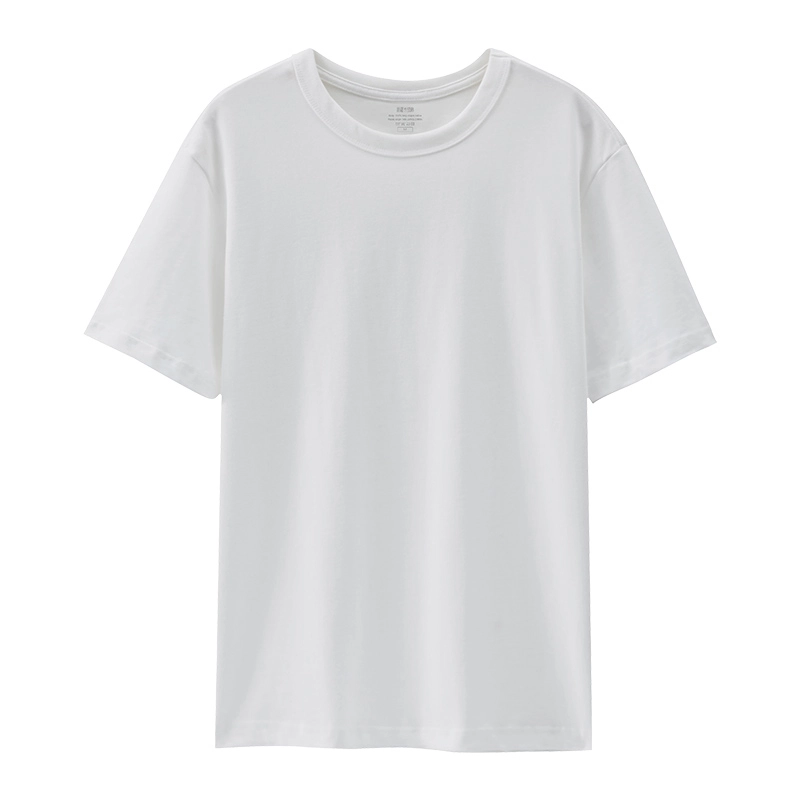
Understanding Lightweight Work Shirts for Summer
What Makes a Work Shirt "Lightweight"?
The main difference between lightweight professional clothing and regular dress shirts is the fabric weight, which is measured in grams per square meter (GSM). A summer-friendly Work Shirt is usually between 145 and 180 GSM, while heavier ones are 220 GSM or more. This lower density makes it easier for air to flow, while advanced weave patterns like ripstop and performance herringbone keep the structure strong. The engineering is mainly about managing moisture—drawing sweat away from the skin using mixes of hydrophobic and hydrophilic fibers that stop the uncomfortable clinging that happens when it's wet.
Essential Fabric Technologies for Summer Performance
Modern summer clothing uses Cool Dry technology, which speeds up the rate of drainage by 30 to 40 percent compared to regular cotton. Polyester-cotton blends with 65/35 ratios avoid wrinkles and keep their color through industrial laundering cycles. This meets the needs of the hotel industry, where look stability is important. UPF 40+ protection keeps workers safe from UV rays when they're outside. This is especially important for event staff and service workers in North America and the Middle East, where the sun is known to be bad for your health.
Key Features to Look for in Summer Work Shirts
Fabric choice is only one part of breathable structure. Underarm and back yokes with mesh panels let air flow, which lowers the body's core temperature. Moisture-wicking finishes are bound to fibers at the molecular level instead of being put on as short-term coats that wash off. Studies from workplace health research show that keeping the right temperature can boost work output by up to 15% during the busiest summer months. These technical details have a direct effect on productivity. In practice, the difference is seen in fewer complaints from employees and fewer people leaving physically hard jobs.
How to Choose the Right Lightweight Work Shirt for Your Business Needs
Matching Fabric to Industry Requirements
Corporate tech companies prefer high-end mixes that keep their looks fresh during 10-hour workdays. A blend of 60% cotton and 40% polyester gives executives the soft feel they want while also keeping wrinkles from showing up during meetings and drives. These Work Shirt choices allow unique embroidery without puckering, which is important for showing off company logos in a clear and professional way. Sustainability qualities are becoming more important to buying teams in North America and Europe. Look for fabrics that are OEKO-TEX approved and meet environmental compliance standards.
Different performance standards are needed for hospitality activities. Uniforms for restaurants and hotels are washed a lot in industrial washing machines at 75°C (167°F). It is important for fabrics to keep their shape and color after 50 or more washes. Shoulder yokes and other stress points on the garment are reinforced with seams that don't tear, which saves money on replacements. Ribbed cuffs keep arms from riding up during service jobs. The cost-per-wear calculation suggests that a slightly higher original investment in long-lasting construction is better than cheaper choices that need to be replaced too soon.
When they work in developing countries, event companies face special problems. In places like Southeast Asia and Africa, where the air is hot, you need to be able to breathe easily. Pure cotton or cotton-rich mixes (80/20 cotton-poly) are more comfortable in very hot weather, but they are less resistant to wrinkles. When advertising staff wear clothes for one-day events instead of multiple days, the trade-off often makes sense. When working with different client projects that have different branding needs, low minimum order numbers become very important.
Sizing Considerations for Bulk Orders
Returns that eat away at bulk order savings happen less often when sizes are correct. Professional sellers offer thorough size guides that include chest size, shoulder width, arm length, and body length. Sizes range from S to 5XL to fit a wide range of workers, but smart purchasing means asking for sample sizes before agreeing to big orders. Fit problems can be found before you buy 500 units by doing a sizing trial with 20 to 30 workers in your size range. This first step avoids the problems with logistics and relationship stress that come from many fit issues.
Specialized Requirements and Safety Standards
There are places where flame-resistant traits are needed, even in light summer shirts. Our focus is still on business-casual and restaurant use rather than heavy industrial use. However, knowing about the different certifications helps procurement pros make their needs clear. Moisture-wicking treatments shouldn't damage the structure of the fabric. New bonded technologies keep the performance up without adding chemical layers that break down the fabric. For promotional events where staff need to stand out in busy places, high-visibility trim options are available. These trim options combine safety with brand exposure.
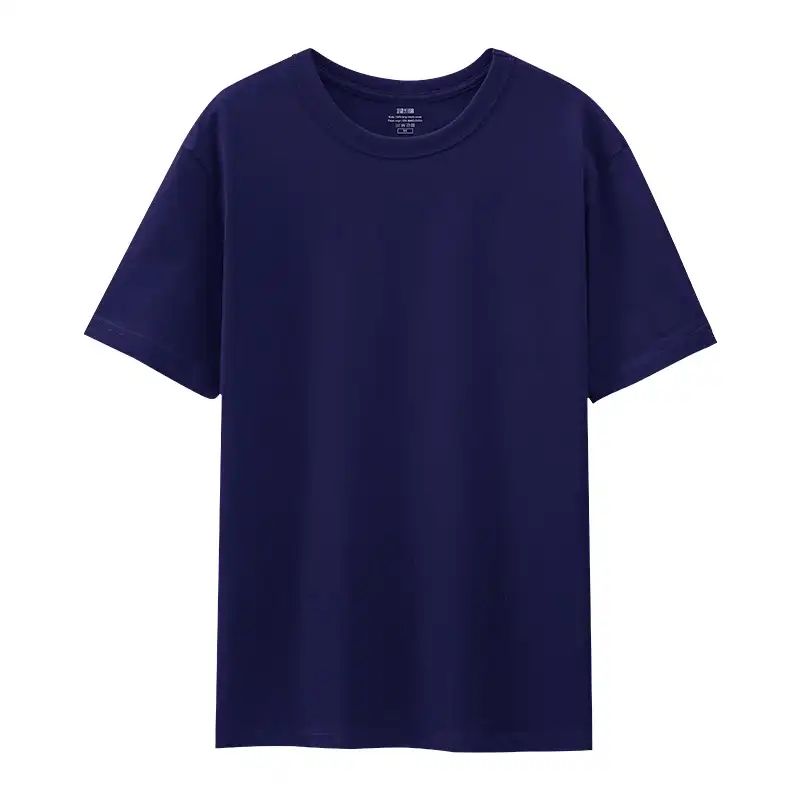
Top Lightweight Work Shirt Brands and Styles for B2B Buyers
Polo Shirts: The Versatile Summer Standard
Polo shirts are a practical summer staple. Polo shirts are a must-have for business casual clothes in the summer because they are both stylish and comfortable. The soft collar, buttoned placket, and flexible construction make it fit for business meetings without having the stuffy feel of regular button-downs. Our short-sleeved polo shirts end mid-bicep and have a slightly looser fit that lets you move around. This makes them great for tech campuses, front desks at hotels, and promotional events.
Long-sleeved polo shirts are more versatile because they can be worn in both climate-controlled spaces and moderately warm outdoor settings. The extra clothing makes you feel safe and professional, which boosts your confidence during formal events and meetings with clients. Practically, long sleeves keep you out of the sun during long outdoor events and keep you looking professional, which is what business giving programs need. Both styles can have printing, stitching, silicone seals, and 3D logos added that keep the brand's identity even after many washes and wears.
Performance Features That Matter
Good summer work clothes combine a lot of different performance factors. Even after eight hours of wear, the fabric should still feel good against the skin. This is a physical quality that comes from choosing the right fibers and finishing them. Wear resistance makes sure that shirts keep their good looks even after being worn for a few months, and freshness keeps them from getting rumpled, which makes you look less professional. Hospitality clients who have to change uniforms every day care a lot about how easy it is to clean. Stain-release technologies save money on work costs and make clothes last longer. People often forget that the ability to reflect light changes how colors look in different lighting situations, from daylight to artificial lighting inside.
Why Established Manufacturers Deliver Better Value
Welston's 27-year focus on making professional clothing shows how helpful it is to work with makers who have been in business for a while. We've been improving our production methods since 1998 across three factories and ten dedicated production lines. These lines are equipped with high-precision machinery from Japan's JUKI and Taiwan's SHINLING. This infrastructure allows us to quickly turn around standard orders and adapt to customer specifications without sacrificing quality. Our large footprint in markets in Europe, North America, the Middle East, Japan, and South Korea shows that we can meet the needs and regulations of these different areas.
Where to Buy Lightweight Work Shirts Online and Wholesale
Direct Manufacturer Relationships vs. Distributor Networks
When it comes to sourcing, procurement pros have to make a basic choice: do they work directly with makers or through distributors? Working directly with companies that make Work Shirts, like Welston, cuts out the broker and their markups, which usually lowers the price per unit by 15 to 25 percent for large orders. More importantly, direct interaction gives you access to customization options that sellers can't offer. You give production teams your specs directly, ask for fabric samples, and make changes to the details through iterative sampling, all without having to wait for translations or worry about specifications changing.
There's more to the partnership strategy than just the price. Established makers keep a lot of standard styles in stock so that they can be sent out quickly when needed for pressing replacements or when the company is growing quickly. Because we have so many types of business and workwear, buying teams can combine orders, like polo shirts for summer events and long-sleeved choices for places that are cool and for all-year needs. This makes operations easier, cuts down on shipping costs, and keeps relationships strong, which leads to better service over time.
Verifying Supplier Quality and Authenticity
Verifying the seller is the first step in lowering the risk of buying clothes for business. Ask for proof that the company can make what you want. Reliable makers will gladly give you building certifications, machine inventories, and client references. As part of quality control, measurements should be checked to make sure that the fabric doesn't shrink by more than 3%, seams should be checked for strength at stress points, and color should be tested after cleaning, exposure to light, and sweating. These technical guarantees protect the image of your business and the happiness of your employees.
Evaluations of samples show things that specs can't. Before you commit to large sales, get samples in different sizes and use them in the way you plan to. Have your workers wear them for full shifts, wash them according to your care instructions, and then check to see how comfortable they are, how long they last, and how well they keep their look. This hands-on testing finds problems that can't be seen in the technology specs alone. A seller who is sure of the quality of their goods will welcome this scrutiny; if they don't, it means there are problems that will become apparent after you've bought a lot of them.
Regional Market Considerations
Corporate buyers in North America value quick response and responsive contact across time zones. Suppliers to this market are able to keep enough product on hand to supply standard setups in 7–10 days and custom orders in 3–4 weeks. European customers often put a lot of weight on eco-friendly certificates and paperwork that shows the products were made in an ethical way. They expect sellers to have OEKO-TEX Standard 100 certification and clear information about the supply chain. Middle Eastern markets want simple design choices and fabrics that work well in very hot weather. They pay special attention to light-colored fabrics that reflect sunlight instead of absorbing it.
How to Care for Lightweight Work Shirts to Maximize Lifespan
Washing and Drying Best Practices
To keep their effective qualities, lightweight fabrics need to be carefully handled. Summer Work Shirts should be washed in water that is 30 to 40 degrees Celsius (86 to 104 degrees Fahrenheit) without the use of bleach, which can break down moisture-wicking treatments. To keep the outside finishes and unique branding from wearing down, turn clothes inside out. Front-loading machines are kinder to fabrics than top-loading agitator styles because they don't put as much stress on them over time.
How you dry things has a big effect on how long they last. The best way to keep cloth integrity is to let it dry in the air, but large businesses rarely have this option. If you have to dry clothes in a machine, use low heat and take the shirts out while they are still a little wet to keep the fibers from drying out too much and becoming rigid. High heat breaks down moisture-management processes that are attached to fibers and harms elastic parts in collar structures. The extra 10 minutes of drying time cost a lot more than the longer life of the clothes that can be gained by controlling the temperature.
Storage and Maintenance Between Uses
If you store things correctly, they won't get worn out. Round hangers are best for hanging polo shirts because they support the shoulder structure without making stress points that turn into permanent creases. Wire hangers can change the shape of your collar and make shoulder bumps that look bad. In wet places, make sure there is enough air flow around kept clothes to stop mildew from growing, which can cause smells and stains that are hard to get rid of.
Stains should be fixed right away, before they set. Do not rub new stains; instead, blot them, moving from the sides toward the middle to keep them from spreading. Before you wash, treat the stain with the right spot removal. Different types of stains (protein-based, oil-based, and tannin-based) need different treatments. This quick action greatly increases the chances of getting rid of stains and stops the lasting staining that forces clothes to be thrown away too soon.
Common Pitfalls That Reduce Shirt Lifespan
A number of mistakes speed up the wear and tear on Work Shirts. When washing machines are too full, they can't agitate and rinse properly, leaving behind soap powder that makes colors look dull and attracts dirt. Abrasion that pills fabric surfaces is caused by wearing heavy items like jeans with light Work Shirts. When you use fabric softeners on moisture-wicking clothes, they leave a waxy film on the fibers that blocks the channels that are supposed to move sweat, which basically takes away the performance feature you paid for.
Ignoring the care label directions is a waste of money. Manufacturers give care instructions based on testing the cloth. Deviation from these instructions removes any performance promises and usually cuts the useful life by 30 to 40 percent. Shortcuts that save a few minutes are much more expensive in the long run because they require replacements and cause problems when workers have to reorder and get their outfits.
Conclusion
Understanding the interplay of fabric technology, supplier skill, and particular operating needs is necessary to find the best lightweight Work Shirts for summer. There are good choices for Work Shirts that mix being breathable with being long-lasting, looking professional with being comfortable, and being able to be customized with being cost-effective. When it comes to value, direct relationships with manufacturers are the best. They offer low prices, the ability to customize products, and quick service that dealer networks can't match. Welston has been making professional workwear for 30 years and has advanced production facilities and experience with markets around the world. This allows us to meet a wide range of buying needs, from business uniforms to advertising clothing. The money spent on proper selection and care procedures pays off in the form of happy employees, lower replacement costs, and a constant brand presentation even during the busy summer months.
FAQ
1. What differentiates a work polo shirt from a casual polo shirt?
Professional polo shirts are made with higher-quality fabric types that can handle industrial washing and design features like ribbed cuffs that keep the shirt looking neat while you're working. Casual polos put style over longevity by using lighter fabrics that can't handle being washed many times in a commercial washing machine. Work versions can have custom branding added through stitching and printing that is made to last 50 or more washes. On the other hand, logos on store casual polos often fade after 12 washes.
2. Can lightweight work shirts provide adequate sun protection?
Good summer work clothes have UPF 40+ protection, which stops 97.5% of UV rays, which is a lot more protection than fabrics that haven't been treated. The protection comes from the tight weave and UV-blocking processes that are attached to the fibers while they are being made. Because of this, professional lightweight Work Shirts are great for working outside, though workers should still use extra sun protection on skin that will be exposed to the sun for more than four hours a day.
3. How do I determine the right order quantity for my organization?
Figure it out based on the number of employees, how often the uniforms are rotated, and how often they are washed. A good rule of thumb is for each employee to have 2-3 shirts that should be washed once a week, plus an extra 10 percent in case of size swaps or replacements. Costs per unit go down with bigger original sales, but you have to weigh this against the need for more storage space and the chance that specifications will change. Before making full-scale purchases, many procurement professionals start with a trial order that covers 20–30% of their workers to make sure the right size and performance.
Partner with Welston for Your Summer Workwear Needs
Teams looking for a dependable Work Shirt seller will find all the answers they need at Welston, which has been making clothes for a long time. Our personalized polo shirts come in both short and long sleeve styles and are made to breathe well for the summer. They are available in sizes S through 5XL. As a dedicated workwear maker with 27 years of experience, we offer easy shopping, flexible payment terms, and quality control procedures that lower the risk of buying from us. With 10 production lines, we can quickly deliver standard styles while still giving you the freedom to make changes that company branding needs. Email our team at [email protected] to get samples, talk about bulk prices, or look into custom design choices that will help your employees look like they represent your brand this summer.
References
1. Johnson, M. & Williams, R. (2021). Industrial Textile Performance: Engineering Comfort in Professional Apparel. Textile Research Institute Press.
2. Chen, L. (2022). "Moisture Management Technologies in Modern Workwear: A Comparative Analysis," Journal of Applied Textile Science, 15(3), 142-158.
3. Anderson, P. (2020). B2B Procurement Strategies for Corporate Uniforms: Cost Optimization and Quality Assurance. Business Press International.
4. Thompson, K. & Davis, S. (2023). "UV Protection in Lightweight Fabrics: Testing Standards and Real-World Performance," Occupational Safety Quarterly, 28(2), 67-81.
5. Rodriguez, A. (2022). Global Workwear Markets: Regional Preferences and Procurement Trends 2020-2025. Market Analysis Group.
6. Mitchell, D. (2021). "Fabric Care and Longevity: Best Practices for Commercial Laundry Operations," Hospitality Management Review, 19(4), 203-217.
We specialize in designing, producing, and selling corporate clothing. Mainly produces: industrial clothing, business uniforms, and work clothes for different companies.

About Welston Garments


