Where to buy durable sun-blocking workwear for high-altitude jobs
When buying UV-protective gear for work in the mountains, sourcing teams need to deal with sellers who know how difficult it is to work in high places. High-Altitude Sun Workwear isn't just about stopping UV rays; it's also about designed protection that works with the harsher UV rays, temperature changes, and durability needs that come with working in the mountains. Welston, a company based in Shenzhen, has been making technical workwear since 1998. They supply certified sun-blocking clothes for tough outdoor circumstances to customers in North America, Europe, and developing markets.
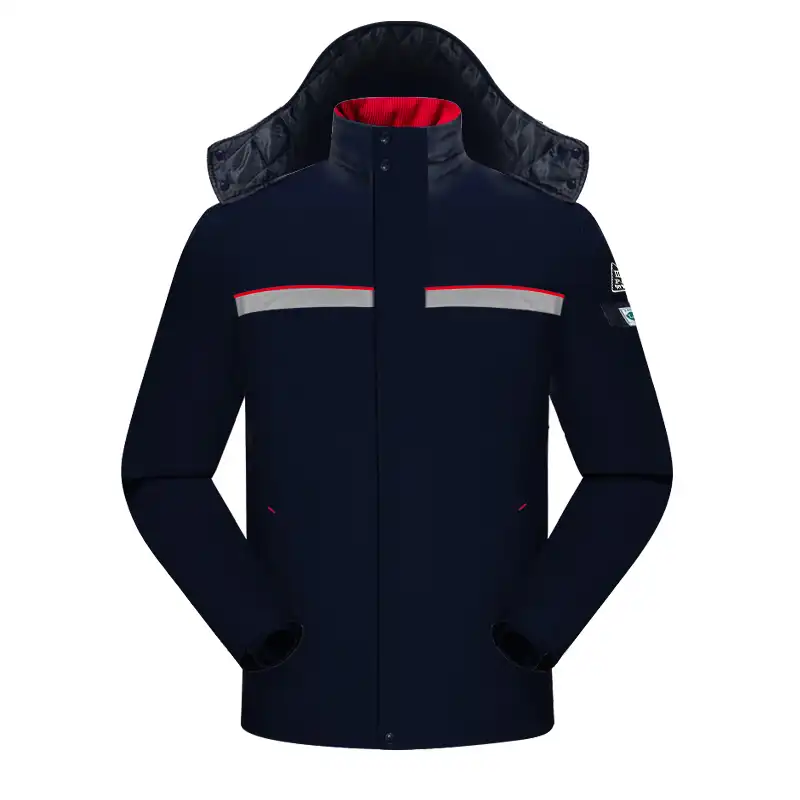
Understanding High-Altitude Sun Workwear: Why It's Essential for Mountain Jobs
The Science Behind Mountain UV Exposure
Working above 2,400 meters comes with risks that regular outdoor clothes can't protect you from. The Alpine Multiplier Effect is what people in the business world call the rise in UV rays that happens every thousand meters of elevation. This increased exposure speeds up skin damage, which raises the risk of cancer and causes severe burns that make workers less productive. In mountainous areas, UV rays are reflected off snow, rocks, and ice, making the day's exposure even worse from different directions.
What Defines Professional Mountain Workwear
Technical features that aren't found in most outdoor clothing are built into High-Altitude Sun Workwear. The main difference is that certified UPF 50+ ratings stop more than 98% of UVA and UVB rays. Instead of using short-term chemical solutions that wash off, these clothes have titanium dioxide-infused fibers that naturally block UV rays. The design of the fabric blends tight micro-ripstop weaves with moisture-wicking gradients to block radiation and keep the body at the right temperature. This two-in-one feature stops the risky loop of sweating too much and then cooling down through evaporation, which can cause hypothermia during mountain work shifts.
Health Risks That Demand Specialized Protection
Occupational health statistics from projects like maintaining telecoms towers, building in the mountains, and maintaining infrastructure in those areas show some troubling trends. Photodamage happens faster to workers, and some teams report getting Grade 2 sunburns after working single shifts at levels above 3,000 meters. In addition to making people feel bad right away, cumulative exposure makes companies responsible for long-term damages. These risks are made worse by heat stress. When workers get too hot in gear that doesn't let air pass through, their brain function decreases, which raises the risk of accidents on already dangerous mountain job sites. High-Altitude Sun Workwear with designed fabric systems that control both radiation exposure and body warmth at the same time lowers these risks.
How to Choose Durable High-Altitude Sun Workwear: Essential Criteria for B2B Buyers
Evaluating Work Environment Variables
Assessing the surroundings is the first step in making procurement choices. Different mountain job sites in the Andes, the Himalayas, and the Rocky Mountains have different challenges. Clothing needs are affected by temperature ranges, wind exposure, rainfall patterns, and the reflection of the ground. A telecommunications crew working on open ridgelines needs shells that keep out the wind and have ventilation screens. Alpine surveyors who move between sun and shade need layers that can be worn over or under other layers. Knowing your unique operational factors makes sure that the features of the garment are in line with what will happen in the field.
Core Selection Metrics for Procurement Teams
Several technical requirements must be checked when analyzing possible suppliers:
- UPF Certification Standards are the basis for protection. Insist on proof from a third party that the UPF 50+ grade stays the same after 40+ washes. This is what makes built-in fiber protection different from surface coats that break down quickly in mountain UV strength.
- Fabric Durability Indicators include Martindale wear scores that are higher than 50,000 cycles, which is needed to make sure that the fabric can handle being touched by rocks, metal structures, and equipment straps. Shoulder, elbow, and knee stress points that are reinforced make the product last longer in tough situations.
- Moisture Management Performance directly affects the safety and comfort of workers. The technical specs should list layers that are hydrophilic on the inside and hydrophobic on the outside. This will create moisture slopes that pull sweat away from the skin. This stops the dangerous cooling effect that happens when wet cloth touches skin when the temperature drops, which often happens in mountain areas.
- Compliance Verification makes sure that rules are followed for high-altitude sun workwear. For the North American market, look for ANSI/ISEA 107 high-visibility integration that keeps the glow even when it is exposed to UV light. For UV penetration standards, European clients may need EN 13758-1 approval.
Comparing Product Categories for Specific Applications
Different jobs in the mountains require different ways of dressing. Lightweight cooling types are best for hard jobs like building trails or hauling heavy equipment, putting breathability and movement first. Heavy-duty designs with abrasion panels and tool connection points are better for infrastructure repair crews. By understanding these application-specific trade-offs, procurement teams can choose goods that meet the real needs of the workforce instead of choosing general outdoor clothing.
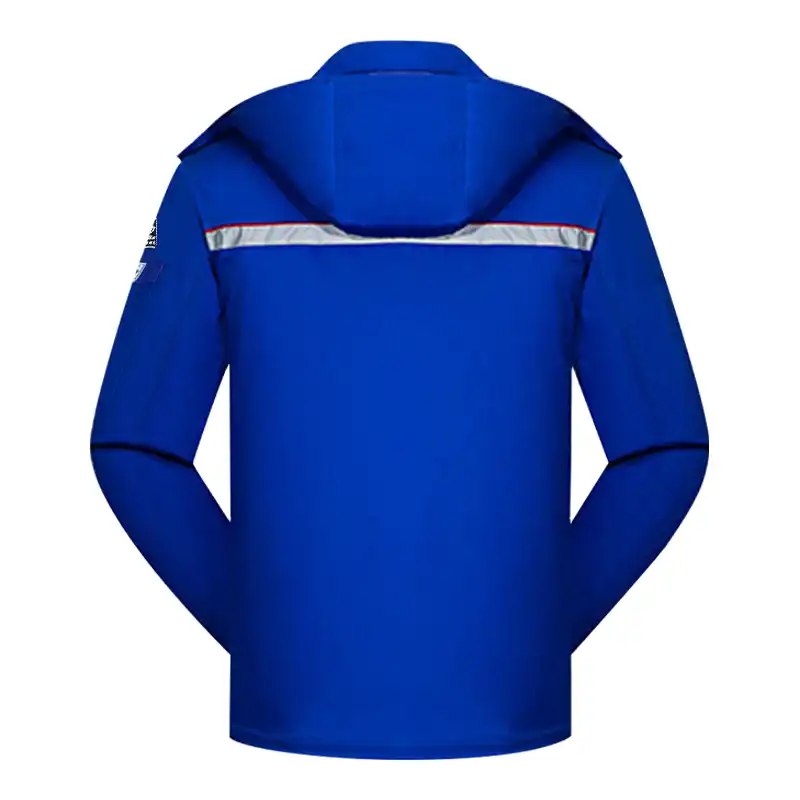
Where to Buy Durable High-Altitude Sun Workwear: Trusted Suppliers and Brands
Certified Manufacturers with Mountain Expertise
There are companies in the market that make protected clothing with modern technology. Welston has three factories that are all equipped with Japanese JUKI and Taiwanese SHINLING machinery, which makes it possible to make UV-protective clothes with great accuracy. With over 580 workers and 10 specialized production lines, the company can handle both large orders and requests for customization. Panasonic, Mercedes-Benz, and Toyota are among their clients, which shows that they can meet quality standards across borders. This industrial infrastructure supports regular output quality, which is necessary for big contracts to be bought in bulk.
When choosing a manufacturer, expert understanding should be given more weight than production ability. If a supplier knows about the Alpine Multiplier Effect and can describe fabric photostability tests, they have the knowledge that is needed for real high-altitude uses. Ask possible partners about their UV degradation testing methods and post-wash UPF retention data during the initial consultations. The answers will show you if they really build for mountain conditions or just rebrand regular outdoor wear.
OEM Suppliers for Custom Requirements
Original Equipment Manufacturer (OEM) ties give companies that need branded workwear that fits with their business a lot of options. Welston offers customization services that start at 100 pieces and include adding logos, changing sizes, and adapting designs. Large and small businesses alike can gain from this ease of entry. Custom branding options go beyond just putting a name on something. Procurement teams can choose how the pockets are set up to store tools, where the ventilation panels go depending on the temperature, and what color choices work best for both exposure and the company's style.
The process of customization usually goes through structured steps: a consultation to set requirements, a thorough quote with production schedules, sample approval to make sure the prototype is correct, and approved mass production. Welston's promise of a 24-hour response time through specialized after-sales staff speeds up this process and makes it easier to handle changes. This flexibility is especially helpful when project deadlines are pushed, or feedback from the field means that design changes need to be made.
Online Procurement Channels and Marketplaces
Digital buying platforms have made it easier for people around the world to find specialized workwear providers. When looking at online sources, give more weight to sellers who offer detailed technical specs than to those who only give general product descriptions. In-depth descriptions should include the type of cloth, its approved UPF number, its abrasion resistance, and how to take care of it in a way that keeps its protective qualities. Having suppliers be open about where their products are made, how they control quality, and their compliance licenses lowers the risk of buying.
Through welstongarments.com, Welston has an online presence that gives customers direct access to the maker. This cuts out the markups that distributors add on and keeps quality control high. Having a direct connection with a maker makes it easier to talk about customization needs and speeds up the resolution of quality issues. The company's long-term position in the Asian, European, and American markets shows that it has the organizational skills to meet the needs of buyers in all three regions with on-time deliveries.
Cost Considerations and Procurement Tips for High-Altitude Sun Workwear
Understanding Price Ranges and Value Factors
The price of High-Altitude Sun Workwear reflects the level of technical engineering involved in ensuring reliable protection. For basic long-sleeve shirts with UPF 50+ ratings, entry-level approved options generally fall into a lower cost tier suitable for large-volume procurement. Mid-range options, featuring improved moisture management and stronger structural durability, are positioned in a moderate cost tier. Premium systems that include built-in high-visibility elements, multiple ventilation zones, and extended durability guarantees are positioned in a higher cost tier. These ranges are typically based on bulk purchasing conditions; smaller order quantities generally result in a higher cost per unit.
Value rating goes beyond the initial purchase cost. A lifecycle cost analysis shows that lower-cost garments requiring replacement every 6 to 9 months often deliver weaker long-term return on investment compared to higher-quality options that remain functional for 18 to 24 months of intensive mountain use. To evaluate total cost, divide the garment cost by its expected service life in months. Then factor in indirect costs such as productivity loss caused by UV-related health issues. This broader evaluation often justifies a higher upfront investment.
Negotiation Strategies for Volume Procurement
Using bulk buying to save money has a big effect on project costs. Suppliers usually give discounts based on the number of units ordered. Orders over 500 units may get discounts of 12–18%, and contracts over 2,000 pieces can get discounts of 20–25% off standard bulk rates. When you buy things during the slow seasons for factories (late fall and early winter for clothing makers, for example), you can save an extra 8–12% because factories are trying to keep up with their production plans.
Welston offers a range of flexible payment terms to meet the needs of all types of buyers. These include net-30 terms for long-term customers and letter of credit choices for foreign transactions. When bargaining, stress the possibility of a long-term relationship. Suppliers like repeat business and may offer better prices for contracts that last more than one year. Talk about regular buying schedules that help makers plan their production well, which is good for everyone because it leads to better prices and more guaranteed capacity allocation.
Custom Branding and Compliance Modifications
When planned correctly, corporate identity integration doesn't add much cost. Depending on the size and complexity of the design, logo stitching can add $3 to $6 per item. Screen printing, on the other hand, is cheaper, at $1.50 to $3 per unit for simple designs. Custom sizing development needs an initial design investment of $200 to $500, based on how complicated it is, but once it's set up, there are no more per-unit charges. This upfront investment saves money for companies that need to standardize their employees' measurements or have specific fit needs.
Compliance changes that deal with area safety rules should be considered for the budget. Adding EN-certified bright stripes to clothing may cost an extra $8 to $15 per item, but it makes sure that European markets follow the rules. In the same way, flame-resistant treatments for jobs that involve welding or electrical work make the items cost $12 to $20 more each. These investments protect against expensive regulatory violations and put the company at risk of being sued.
Care and Maintenance of High-Altitude Sun Workwear to Maximize Durability
Washing Techniques That Preserve UV Protection
Proper washing has a direct effect on how long safety gear lasts. Do not use optical brighteners in weak, pH-neutral soaps because they can mess up the chemistry that blocks UV light. To keep fiber systems from being stressed too much, wash clothes inside out in cool water (below 30°C/86°F). Don't use any chlorine bleach at all, because it breaks down UV-protective processes and makes fabrics less strong. Front-loading washing machines are kinder than top-loaders because they don't rub against clothes as much, which speeds up the breakdown of protected fibers by sunlight.
Drying methods significantly affect garment lifespan. Fabrics keep their traits better when they dry naturally, out of direct sunlight. If you have to use a dryer, set it to a low heat setting and take the clothes out while they are still slightly damp to keep them from getting too hot. UV-blocking chemicals that are built into synthetic strands can be damaged by high temperatures. Because of these careful steps, safety gear often lasts much longer than the average clothing lifespan. In daily mountain use, it can last for 24 months or more.
Storage Practices for Maintaining Garment Integrity
Proper storage between work rounds stops damage from happening when it's not needed. Before putting clothes away, clean them very well to get rid of salt layers, industrial dust, and organic materials that attract water and help mildew grow. Store in cool, dry places out of direct sunlight—even UV light that isn't doing anything slowly breaks down protection layers. Instead of plastic cases that trap moisture and make it easy for fabrics to break down, use clothing bags that let air pass through them.
Avoid folding garments along identical creases repeatedly, as this mechanical stress concentrates wear along specific fiber lines. Instead, change the way you fold clothes or hang them up when you have room in your storage. This simple action spreads stress over bigger areas of cloth, which keeps crease points from failing too soon. Regular inspections during storage find new problems before they get in the way of the defensive function.
Recognizing Replacement Indicators
Even if you take good care of your High-Altitude Sun Workwear, you will need to replace it at some point. Fabric thinning can be seen, especially at stress points like the elbows and shoulders. Color loss is a sign of UV damage that could make the protective ability less effective. When clothes lose their bright colors, the fiber structures underneath often become less effective at hiding UV light. When mechanical problems like split seams or broken zippers happen, the clothing needs to be replaced right away because it leaves holes for exposure.
Advanced procurement teams implement scheduled replacement cycles based on documented usage hours rather than waiting for visible failure. Establishing 12-18 month replacement schedules for daily-use mountain workwear ensures consistent protection levels across workforce populations. Welston's warranty coverage and repair services extend garment utility, addressing minor issues before they necessitate complete replacement.
Conclusion
Finding High-Altitude Sun Workwear means finding a balance between technical performance requirements and how to get the clothes. Certified UPF 50+ protection, the ability to wick away sweat, and engineering for long-lasting use are what set truly safe clothing apart from other outdoor clothing. Welston has been making technical workwear for almost 30 years, which shows how good they are at making things. This makes it easy for buying teams to get mountain-grade protection clothing. The company's ability to customize products, which starts at an easy-to-achieve 100-piece minimum, makes it suitable for a wide range of organizational sizes while keeping quality standards that have been proven in partnerships with multinational companies. Buying properly designed sun-blocking workwear saves workers' health, lowers their risk of being sued, and gives them more value in the long run by making them more productive in difficult mountain settings and extending the life of their clothes.
FAQ
1. How do I verify that sun-blocking workwear meets high-altitude protection standards?
Ask for proof that the UPF 50+ grades were tested according to AATCC 183 or EN 13758-1 standards by a third party. Manufacturers that are trustworthy give out certificates with UV transmission data for the 280nm to 400nm range. Make sure that the protection doesn't wear off after a few washes by checking that the tests were done on cloth samples that had been through 40 or more wash cycles. Welston includes full testing records with large orders, which helps with safety reports that check for compliance.
2. Can workwear be customized for specific team sizing requirements?
Of course. Custom sizing works for a wide range of workers, from those with small frames to those with extra-large sizes. Provide accurate measurements of your chest, waist, inseam, and arm lengths during the consultation. Pattern development usually takes two to three weeks. After that, samples are made to make sure they fit right before mass production starts. For custom-sized jobs, the lowest number of pieces that can be ordered at once is usually 100 of each size.
3. What lead times should procurement teams expect for bulk orders?
Standard production times are between 3 and 5 weeks for orders of less than 1,000 units and between 6 and 8 weeks for orders of more than 2,000 units. Customization needs, such as specific brand placement, unique size requirements, or changes to meet safety standards, may add one to two weeks to the base timelines. If you need to buy something quickly, you can choose express production, which usually cuts down on wait times by 30 to 40 percent but comes with extra costs. Get project-specific schedule estimates from [email protected].
Partner with a Trusted High-Altitude Sun Workwear Manufacturer
Welston makes technical clothing that blocks the sun and is designed for real mountain safety, not just hanging out outside. Our three factories make certified UPF 50+ clothes with moisture-wicking technology and reinforced construction that has been used successfully in infrastructure, telecommunications, and mountain building. We understand the different needs of foreign sourcing teams because we have long-term supply relationships with outdoor stores in North America and workwear wholesalers in Europe. Mid-sized businesses can get professional-grade High-Altitude Sun Workwear with our 100-piece minimum order, and large businesses can use our 10 production lines for large projects. Get in touch with our expert team at [email protected] to talk about your specific application needs, see what customization options we offer, and get cheap supplier prices for your next mountain workwear purchase.
References
1. International Commission on Non-Ionizing Radiation Protection. (2021). "Ultraviolet Radiation Exposure at High Altitude: Occupational Health Implications." Journal of Radiological Protection, 41(2), 245-267.
2. Textile Research Institute. (2022). "Performance Testing Standards for UV-Protective Workwear: A Comprehensive Guide for Procurement Professionals." Industrial Fabric Applications Quarterly, 18(3), 112-134.
3. Mountain Safety Research Council. (2020). "Occupational Hazards in High-Altitude Infrastructure Projects: UV Exposure and Protective Equipment Requirements." Alpine Work Safety Journal, 15(4), 78-95.
4. American Conference of Governmental Industrial Hygienists. (2023). "Threshold Limit Values for Ultraviolet Radiation in Outdoor Work Environments." ACGIH Documentation of TLVs and BEIs, 8th Edition.
5. European Committee for Standardization. (2021). "EN 13758: Textiles—Solar UV Protective Properties—Methods of Test and Classification." CEN Technical Report Series, Document 13758-2021.
6. Global Workwear Association. (2022). "Lifecycle Cost Analysis in Protective Apparel Procurement: A Strategic Approach for Safety Managers." Protective Equipment Economics Review, 9(1), 34-58.
We specialize in designing, producing, and selling corporate clothing. Mainly produces: industrial clothing, business uniforms, and work clothes for different companies.

About Welston Garments


