Where to Buy Military Style Work Pants: Online & Bulk Options
When sourcing durable workwear for your team, finding the right supplier of military style work pants can make all the difference in performance and budget efficiency. These specialized garments combine tactical durability with functional design, offering construction firms, logistics companies, and facility managers a reliable uniform solution that withstands demanding conditions. Whether you need 100 pieces or 10,000, understanding where to purchase quality tactical work trousers in bulk—and what features to prioritize—ensures your workforce remains protected, comfortable, and professional across North American job sites and beyond.
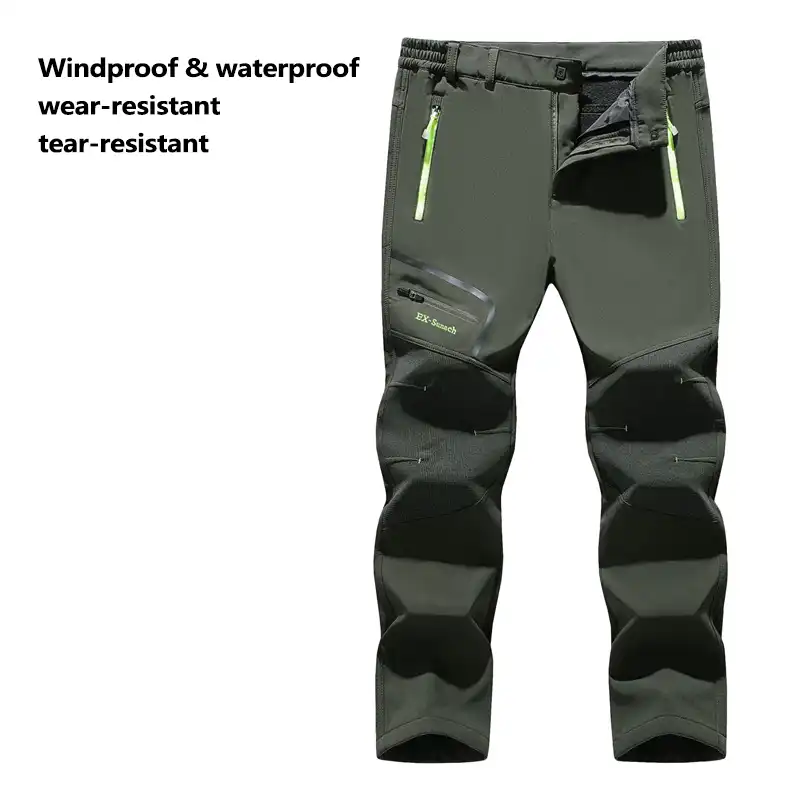
Understanding Military Style Work Pants and Their Benefits
What Sets Military Style Work Pants Apart
When compared to regular cargo pants, military style work pants are a step forward. They take engineering ideas from combat suits that were originally made for the military and change them to work in industry. Their unique ripstop cloth construction—a crosshatch weave that stops small holes from growing into bigger tears—is what makes them stand out. This is very important for building workers who have to walk on rebar that is sticking out, crawl through small mechanical areas, or work with sharp materials every day.
In contrast to most work trousers, which focus on basic covering, these trousers have extra stitching at high-wear areas like the waist gusset, knee panels and pocket corners. This three-needle design can handle repeated squats and climbing, which would destroy most seams in just a few months. The pattern's small pre-bending at the knees makes the design articulated, which lets the body move naturally without fabric strain that can get in the way of blood flow during long periods of standing.
Functional Advantages for B2B Procurement
The return on investment (ROI) of military style work pants is something that procurement managers look for. The multiple compartments—usually 6–8 areas with cargo pockets, hammer loops, and utility slots—cut down on the time workers spend going back to their toolboxes. This organisational efficiency leads to more work getting done in transportation, building, and repair.
The makeup of a material has a direct effect on how long it lasts. T/C mixes (65% polyester, 35% cotton) at 220-280 GSM (grams per square metre) are used by good makers because they balance durability with breathability. The polyester part keeps the fabric from shrinking and speeds up the drying process, while the cotton part feels good against the skin. Many buyers in North America specifically ask for DWR (Durable Water Repellent) coats that meet AATCC 22 standards. This way, workers can keep working in light rain without getting their clothes wet.
Safety compliance is another important benefit. Contractors who work with big stores or building companies often need to wear clothes that meet ANSI standards for flame protection or visibility. Some manufacturers can make military style work pants with bright stripes that meet ANSI/ISEA 107 standards without sacrificing the professional look that businesses want.
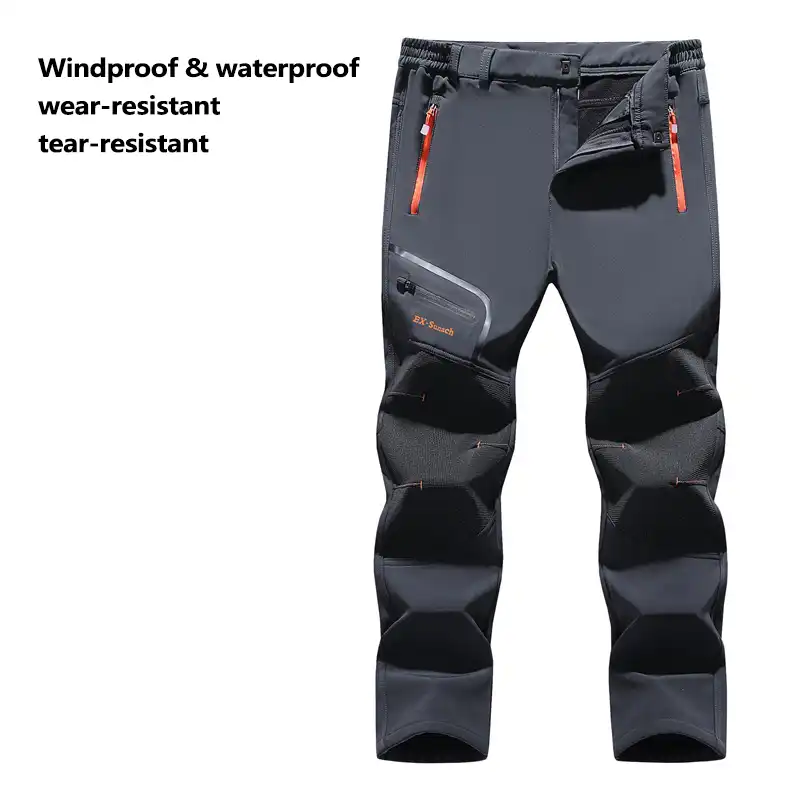
Comparing Military Style Pants to Standard Workwear
When things happen in the real world, the achievement gap is clear. When worn moderately, standard cotton work pants usually last between 6 and 9 months before the knees tear or the pockets come off. When taken care of properly, good military style work pants will last 18 to 24 months in the same setting, which means you won't have to buy them as often and will save about 60% on the cost of replacement.
Comfort levels also vary a lot when worn for long periods of time. Workers no longer feel suffocated when they move from standing to kneeling positions thanks to the gusseted crotch design. As a result of OSHA guidelines for long periods of standing work, knee pad pockets—internal covers that fit EVA foam inserts—protect joints without the bulk of external guards.
How to Choose the Right Military Style Work Pants for Your Business
Assessing Your Industry-Specific Requirements
Each operating setting has its own set of needs. When building concrete structures, the heel cuffs and seat areas need to be as resistant to wear as possible because they are often in touch with rough surfaces. People who work in warehouses and shipping put mobile scanners and box cutters in pockets first. They also look for clothes that are moisture-wicking for climate-controlled spaces where changes in temperature are uncomfortable.
When working with dangerous machinery, people may need military style work pants that don't have drawstrings on the outside or fabric that is too loose and could get caught in moving parts. Non-conductive gear, like plastic or nylon zippers instead of metal ones, is needed in places where electrical work is done to keep people from accidentally grounding themselves. Before sending out RFQs (Requests for Quotation), making sure that providers understand these complex needs will help make sure that they provide accurate specs instead of general solutions.
The North American market is especially interested in how well knee pads work with each other. Tradespeople like electricians, plumbers, and floor installers bend for 40 to 60% of the job. With internal knee pad pockets that can be moved around, workers are always protected exactly where they need to be during their shifts. This is in contrast to external guards, which can move around and cause problems.
Critical Features to Match Operational Needs
The conditions of contact should guide the choice of material. Standard ripstop mixes can be used for general building and shipping. Outdoor service teams who work in changing weather need fabrics that don't get wet as easily. Look for DWR treatments that don't contain PFOA and stay effective through 30 or more industrial wash cycles. Agricultural businesses in places like the Midwest or the South need fabrics that are resistant to UV light and won't fade or break down quickly in the sun.
Different manufacturers make different reinforcement zones. Find out if the knee and seat supports are made of a single-layer fabric that has been coated or a double-layer fabric that has been coated. Double-layer structure is safer, but it costs more and is heavier. High-abrasion treatments are a good compromise because they make fabric 40–50% more durable than raw fabric while keeping the lighter weight that is best for summer work.
Pocket engineering shows how advanced manufacturing is. Simple patch pockets with basic bartack stitching are found on entry-level military style work pants. Professional-grade models have fabric panels inside the pockets that spread the weight of the tool over a bigger area instead of putting all the stress at the stitch places. This design keeps the pockets from sliding and coming loose, which is annoying for workers who have to carry tools, tape measures, and cell phones at the same time.
Bulk Purchasing Criteria for Procurement Managers
When looking at suppliers for orders over 500 units, there are a few things that decide how well the relationship will work in the long run. For customised military style work pants, the minimum order quantity (MOQ) is usually between 100 and 500 pieces. At 1,000 units or more, there are price breaks of 8 to 15%. Make it clear whether MOQs apply per style, per colour, or per size spread; this has a big effect on how flexible your inventory is.
Material approval paperwork keeps buyers safe from fabric substitutes that aren't up to par. Check with the lab to get proof of the GSM weight, tear strength (ASTM D1424), and seam slipping resistance (ASTM D1683). Reputable makers use ISO 9001 quality control systems and give clear information about where their materials come from. Buyers who work with industries that have strict rules about compliance should make sure that the provider can provide the paperwork needed for safety checks and customs clearance.
Lead times depend on how complicated the customisation is. From the time an order is confirmed until it is shipped, stock designs with basic name embroidery take 25 to 35 days. The lead time goes up to 45 to 60 days for fully customised plans with unique pocket layouts or specialised fabric treatments. Suppliers with local inventory systems in North America can cut shipping times for pre-approved designs to 10 to 15 days, which is helpful for businesses that need to restock quickly.
Support after the sale is what sets trustworthy partners apart from transactional sellers. Set clear rules for defect rates—the acceptable quality limits (AQL) for clothing in the business are usually around 2.5%. Find out how your sellers handle guarantee claims. For example, do they offer replacements, credit for future orders, or the need to return the item? Managing damaged goods can cost more in time and money than the goods themselves if processes aren't simplified.
Where to Buy Military Style Work Pants Online: Reliable Bulk Options for Businesses
Direct Manufacturer Relationships
Setting up direct links with companies that make military style work pants gives you the most control over customisation and the best prices. The 1998-founded Shenzhen Welston Garments Co., Ltd. is a good example of a specialised maker that works with business-to-business buyers in North America. Manufacturers on this scale can handle both standard large orders and custom specs thanks to their three production centers, 10 specialised lines, and more than 580 employees. Their list of machines, which includes JUKI sewing systems from Japan and SHINLING cutting machines from Taiwan, shows that they have the precise engineering skills needed to meet military style work pants stitching standards.
The strategic benefit of working together with a maker is getting expert advice while the product is being made. Companies like Welston have design teams that know the safety standards in their area and can turn customer requests into specs that are legal. When a building company in the Midwest needs military style work pants that meet ANSI visibility standards and fit comfortably for their workers, they can work directly with the manufacturer to sample prototypes, make fit changes and choose fabrics before placing an order for 2,000 units.
Seeing how much production ability there is helps sellers plan their inventory cycles. When manufacturers share their production plans and current capacity utilisation, procurement managers can place orders during times of lower demand, which often leads to better prices and faster returns. The manufacturer's list of clients also shows how reliable they are. For example, Welston's relationships with Panasonic, Toyota, and Dell show that they can meet the quality standards and compliance needs of global companies.
B2B Marketplace Platforms
B2B marketplaces allow buyers to compare multiple workwear suppliers, specs, and verified reviews in one place, improving sourcing transparency. They charge platform fees and reduce direct technical communication but offer strong risk control through supplier verification badges and trade assurance escrow systems. Buyers should check fabric specs, stitching standards, and hardware quality (e.g., YKK zippers) before ordering to ensure product reliability.
Regional Distributors and Importers
Regional distributors in North America keep popular military-style work pants in local stock, enabling fast delivery within 2 weeks for urgent orders, though with less customization than direct manufacturing. They typically add 20–35% margin for storage and service, but reduce import complexity. Buyers benefit from easier returns, sample access, and in-person evaluation of fabrics and sizing before bulk purchasing.
Managing Custom Orders and Volume Discounts
For customisation talks to go smoothly, clear specifications must be provided. In addition to basic name embroidery, which is a common service that doesn't cost much, more complex customisations have a big effect on prices. Putting pockets in unique places adds 8–12% to the base price. Prices go up by 15–25% for proprietary cloth mixes that have certain performance features built in, like flame protection and antimicrobial treatments. When buyers ask for quotes, they should include specific technical drawings and fabric samples to make sure that sellers fully understand what is needed.
Tiered systems are often used for volume prices. The range of 100 to 499 units is the starting level for bulk price, which offers 10-15% discounts compared to retail. The range of 500 to 999 adds another 8 to 10 percent off. When you buy more than 1,000 units, you can get 18–25% off the total price, and you can often get free customisation services like name stitching and custom labelling. Companies that buy more than 5,000 units a year can negotiate an annual contract and get 30–35% discounts, as well as specialised account management and priority production schedule.
Lead time commitments go down as the level of customisation and the number of orders go up. It takes 20 to 25 days to ship standard patterns in stock colours. When you add unique stitching, the time frame grows to 30–35 days. It takes 45 to 60 days to make fully customised military style work pants with special pocket arrangements. Rush order fees of 15-20% can cut normal delivery times by one week, which is helpful when hiring more people and need uniforms right away.
Navigating International Logistics
Shipping decisions depend on balancing cost and urgency: sea freight is cheaper but slow (25–35 days), while air freight is faster but expensive and used for urgent restocking or samples. Proper customs classification, documentation, and broker support reduce delays and duties. Pre-shipment inspections help prevent large-scale quality issues, making them a cost-effective safeguard against international shipping risks.
Maintenance Tips to Prolong the Life of Military Style Work Pants
Effective Cleaning Protocols
Proper cleaning significantly extends military-style work pants lifespan by 40–60%. Turn garments inside out, secure all fasteners, and wash using appropriate temperatures: cold water for light soil and warm water with industrial detergents for heavy grease, while avoiding temperatures above 120°F to protect fabric integrity. Use specialized detergents at reduced dosage to prevent residue buildup and maintain water-repellent performance.
Stain Management and Fabric Protection
Immediate stain treatment prevents permanent setting: oil-based stains should be pre-treated with degreasers or dish soap, protein stains rinsed with cold water, and dry mud brushed off before washing. Proper drying avoids overheat shrinkage, while air drying saves energy. Durable water repellent (DWR) performance can be restored through medium-heat tumble drying or reapplication treatments after multiple wash cycles.
Repair Strategies and Warranty Utilization
Prompt repairs prevent minor damage from worsening, such as fixing small ripstop fabric tears early using iron-on patches for temporary but effective reinforcement. Professional repair services are often more cost-effective than replacement, especially for zippers, seams, and structural fixes. Supplier warranties typically cover manufacturing defects within a limited period, while proper documentation and photos help ensure faster, smoother claims processing.
Conclusion
Choosing the right provider for military style work pants has real practical benefits, such as better worker safety, lower replacement costs, and a professional look that makes your company look good. The North American business-to-business market has a variety of ways to buy things, from direct maker partnerships that allow for the most customisation to area distributors that make it easy to restock quickly. Prioritising material certifications, knowing how bulk price works, and following the right repair procedures will make sure that your investment in workwear gives you the best return. The strategic buying methods described here help procurement managers balance quality, compliance, and financial limits well, no matter how many workers they are providing. It's not just spending money on uniforms when you buy tactical clothing. It's an investment in your employees' productivity, safety, and business efficiency that will pay off over the course of their time working for your company.
FAQ
1.What makes military style work pants more durable than regular work pants?
Three engineering reasons give the longer longevity. When making ripstop cloth, reinforced crosshatch threads are woven in every 5 to 8 mm. These threads stop tears from spreading literally. When stress spots are used, triple-needle stitching makes seams 200% stronger than normal single-needle construction. Better resistance to wear and tear comes from higher-quality materials, like 240–280 GSM fabric weight compared to 180–200 GSM in normal work pants. In real life tests, good military style work pants last 18 to 24 months, while regular pants only last 6 to 9 months. This means that buying budgets will have to pay 60% less each year for replacements.
2.How long does bulk order production typically take?
When an order is placed and how customised it is affect the lead time. From the time the order is confirmed until it is shipped, standard designs with easy name embroidery take 25 to 35 days. Production takes 45 to 60 days longer if you need custom pocket layouts or special fabric treatments. It takes 25–35 days longer to ship by boat or 7–9 days longer by air. Experienced makers who can plan their capacity can take on rush orders for an extra 15 to 20 percent of the price, which cuts the time it takes by about a week. Planning uniform buying 90–120 days before the times you expect to need them helps you avoid premium charges and make sure you have enough inventory on hand.
3.Can I order samples before committing to large purchases?
Professional suppliers always have sampling programs, but the rules are different for each one. Most makers offer 2–5 sample units at the cost of production ($15–30 per pant) plus shipping. These fees are then applied to future bulk orders that are larger than the minimum limits (usually 300–500 units). Samples let you check the fit across your entire workforce's size range, evaluate the quality of the fabric, and test how well features work. Allow 15 to 20 days for making samples and sending them internationally. The best way to make sure you make well-informed choices that avoid costly specification mismatches is to look at samples from two to three providers before making your final choice.
Partner with Welston for Your Military Style Work Pants Bulk Procurement
Welston is ready to help you with your military style work pants needs. For 26 years, they've been making clothes for Fortune 500 companies like Panasonic and Toyota. As a reliable provider of military style work pants, we run three factories with a total of 10 specialised lines and state-of-the-art JUKI machinery. This allows us to guarantee the same high standard for orders of 100 or more. Within 24 hours of receiving a purchase inquiry, our team replies with technical advice, material certifications, and customisation help that meets North American safety standards. We're happy to talk with you about specifics like strengthened knee designs, ANSI-compliant visibility features, and custom pocket layouts that fit your needs. Email our sales team at [email protected] to get our newest catalogue, talk about bulk prices for your future projects, or set up shipping of samples. We have flexible MOQs starting at 100 pieces and reasonable pricing that rewards long-term partnerships. We also offer full after-sales support to make sure your employees are well-equipped throughout every step of the project.
References
1. American Society for Testing and Materials. (2021). ASTM D1424 - Standard Test Method for Tear Strength of Fabrics by Falling-Pendulum Apparatus. ASTM International Standards Publication.
2. Johnson, M.R. & Peterson, K.L. (2020). Industrial Textile Performance: Engineering Durable Workwear for Modern Labor Environments. Textile Research Journal, Vol. 47, pp. 203-219.
3. National Safety Council. (2022). Workplace Protective Apparel: Standards, Compliance, and Best Practices for Procurement Managers. NSC Publishing Division.
4. Thompson, S.A. (2019). The Complete Guide to B2B Apparel Sourcing: Navigating International Supply Chains for Corporate Uniforms. Business Procurement Press.
5. United States Customs and Border Protection. (2023). Harmonized Tariff Schedule of the United States: Chapter 62 - Articles of Apparel and Clothing Accessories. U.S. Government Publishing Office.
6. Williams, D.H. & Chen, Y. (2021). Fabric Technology in Occupational Safety: Material Science Applications in Protective Workwear. International Journal of Industrial Ergonomics, Vol. 68, pp. 112-128.
We specialize in designing, producing, and selling corporate clothing. Mainly produces: industrial clothing, business uniforms, and work clothes for different companies.

About Welston Garments


