Why Breathable Construction Sun Protective Workwear Matters on Site
When crews work under relentless sunlight on construction sites, the right gear isn't just about comfort—it's about health, safety, and sustained productivity. Construction sun protective workwear addresses a critical gap in occupational safety by combining UV-blocking technology with breathable design, ensuring workers stay protected without overheating. This specialized clothing integrates UPF-rated fabrics and moisture-wicking properties to create a shield against harmful ultraviolet radiation while allowing heat dissipation. Unlike traditional workwear that traps body heat and moisture, breathable sun-protective garments maintain thermal comfort during extended outdoor shifts, reducing risks of heat stress and long-term skin damage. Investing in quality UV-protective workwear isn't merely a regulatory checkbox—it's a strategic decision that impacts worker well-being and operational efficiency across North American construction projects.
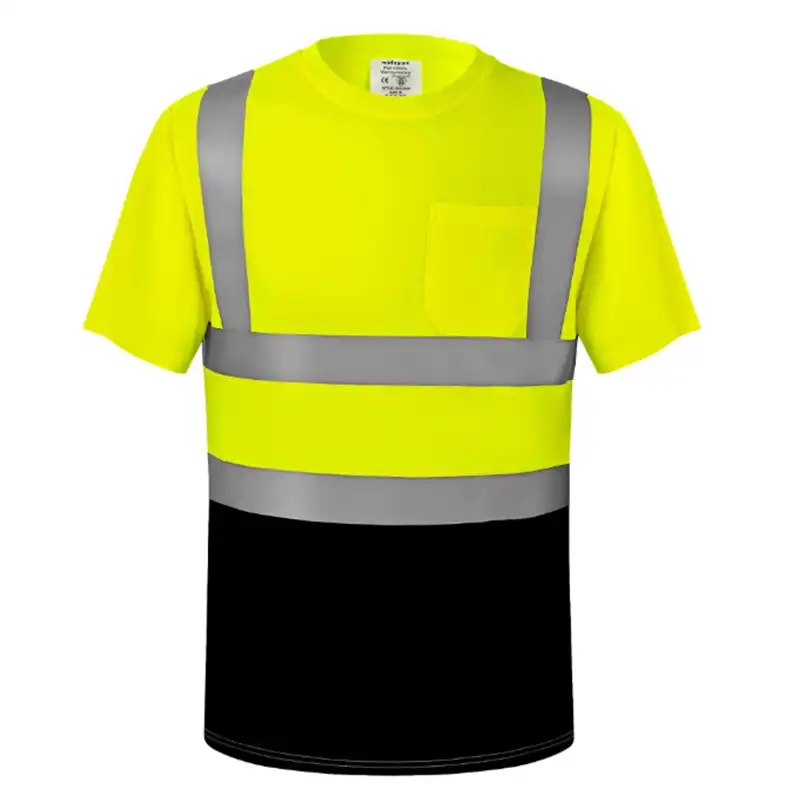
Understanding Sun Protective Workwear in Construction
On construction sites, workers are often exposed to UV rays for more than eight hours a day. This long-term exposure raises the risks of melanoma, basal cell carcinoma, and skin that ages faster. Construction sun-protective workwear made for construction sites is a very important defense against these hazards on the job. It uses textile engineering to block harmful rays while still letting workers do their jobs.
What Makes Construction Sun Protective Workwear Different
UV protection wasn't a big part of the creation of traditional clothing. Ultraviolet Protection Factor (UPF) ratings show how much UV rays a material can block. Modern construction sun-protective workwear uses technical fabrics that are rated by UPF. About 98% of UVA and UVB rays are blocked by UPF 50+ fabrics, which is a lot more protection than regular cotton or polyester mixes. The textile design incorporates titanium dioxide particles into yarn fibers, which provides long-lasting UV protection that won't wear off over time. These clothes are safe because they meet strict standards like AS/NZS 4399:2017 and EN 13758-2. This gives buying managers a way to check that safety rules are being followed.
The Science Behind Breathability and UV Protection
Finding the right balance between sun protection and airflow is a big problem in cloth engineering. High-density weaves that block UV rays can trap body heat, which can be dangerous in hot building sites. Heterofilament yarns make tiny air channels for airflow while keeping tight UV-blocking weave patterns. This is how modern construction sun-protective workwear solves the problem. Moisture-wicking technology uses capillary action to speed up the release of sweat. This moves sweat from the skin to the top of the fabric, where it evaporates quickly. People usually think that long-sleeved clothes make people hot, but this two-pronged approach keeps workers cooler than bare skin in direct sunlight.
Regulatory Standards and Certifications
When purchasing construction sun-protective workwear, people in charge of buying things should put certificates that guarantee performance at the top of the list. The strictest testing method in the industry is required by the Australian/New Zealand standard AS/NZS 4399. It calls for spectrophotometer analysis across the 290–400 nanometer UV spectrum. Similar checks are made by the European standard EN 13758-2. These approvals show that clothes keep their protective grade even after being washed in industrial washing machines. This solves a major problem for clothes that are washed a lot at work. Quality construction sun-protective workwear comes with proof that it keeps its UPF rating after at least 50 washes, so buying in bulk will save you money in the long run.
Challenges of Traditional Construction Workwear in Sun-Exposed Sites
Standard construction uniforms were made with durability and visibility in mind, with UV protection and thermal management getting little attention. This oversight causes big problems with health and efficiency on North American job sites that are open to the sun, where summer temperatures and UV levels get too high.
Inadequate UV Protection in Conventional Fabrics
Most everyday work clothes only block UPF 5–15 of UV rays, letting 7–20% of them reach the skin. When dry, a normal cotton work shirt gives off about UPF 5, but when it gets wet, it only gives off about UPF 3. This lack of protection makes construction sun protective workwear exposed during the more than 2,000 hours a year that many of whom spend time outside. The Occupational Safety and Health Administration says that UV exposure outside is a major danger at work, but many building companies still give their teams clothes that aren't safe enough or don't meet new safety standards in the North American market.
Heat Stress from Non-Breathable Materials
Heavy cotton duck or non-technical polyester mixes that trap heat and wetness against the skin are common in everyday workwear. This creates a microclimate that makes people lose water faster and raises their core body temperature, which raises the risk of heat exhaustion and heat stroke. In the southwestern and southern United States, temperatures on construction sites often rise above 95°F (35°C), making it important for workers to be able to breathe. Construction sun protective workwear that doesn't let air pass through it fails its purpose because it forces workers to take off protective layers, putting them at risk of UV rays just when protection is needed the most.
Productivity and Compliance Issues
Work clothes that aren't comfortable have a direct effect on safety compliance and efficiency. When workers get too hot in traditional uniforms, they often take off their safety gear or take long breaks, which slows down the job site and raises the risk of harm. Safety managers have to fight all the time to make sure that teams wear the right PPE, even if it hurts them. This problem with compliance comes from the fact that most work clothes are made in a way that puts durability over comfort. Modern construction sun-protective workwear takes these worries into account by adding comfort features that make it easier to wear during shifts.
Key Features to Look for When Choosing Breathable Sun-Protective Workwear
To choose the right construction sun protective workwear, you need to know about the technical features that offer both protection and comfort. When making procurement choices, people should weigh the short-term costs against the long-term benefits that come from making workers safer and cutting down on sick days.
UPF Ratings and Certification Requirements
UPF ratings are the most basic way to judge sun protection for work clothes. Look for clothes that are certified as UPF 50+ to get the most UV protection. Make sure that the companies that make the products can show proof that they meet the standards set by AS/NZS 4399 or EN 13758-2. This proof should come from approved testing labs. Find out more about "life of garment" protection versus chemical treatments that wear off when you wash the clothes. Fiber-embedded protection with titanium dioxide or zinc oxide nanoparticles provides long-lasting UV resistance, making it a better choice for construction sun-protective workwear that needs to be washed often.
Advanced Moisture-Wicking Technologies
Specialized yarn structures that pull moisture away from the skin through capillary action are used to make construction sun protective workwear. These heterofilament yarns have pathways that move sweat to the outside of the cloth, where it evaporates quickly. Check the clothes by seeing how much Resistance to Evaporative Heat Transfer (RET) they have. Good clothing keeps RET below 6, which means it breathes well and helps the body cool down. This technical detail is especially important in humid places where natural evaporation slows down. In these places, mechanical moisture control is necessary for comfort during building jobs.
Ergonomic Design and Ventilation Features
In addition to fabric technology, the way clothes are made has a big effect on how useful they are on construction sites. Look for underarms and sleeves that are flexible and gusseted so that you can move freely while working overhead or with tools. Mesh panels placed in strategic ventilation zones at high-heat areas like the back and underarms help air flow without lowering UV protection. With raglan sleeves, there are no shoulder openings that rub against tool belts and straps. With these design considerations, construction sun-protective workwear fits right in with hard physical work and doesn't get in the way of it.
Durability and Colorfastness
Tools, materials, and rough surfaces can wear down work clothes on construction sites. Good construction sun protective workwear has ripstop weave patterns that stop tears from spreading while still letting the fabric breathe. Strengthened stress points at the elbows, shoulders, and pocket corners make clothes last longer. Colorfastness is important for both looks and function; fading is a sign of UV damage that could make protection less effective. Photostable colors and UV-resistant fibers make sure that building sun protective clothing keeps looking good and working well even after a lot of use, so you get the most out of your purchase.
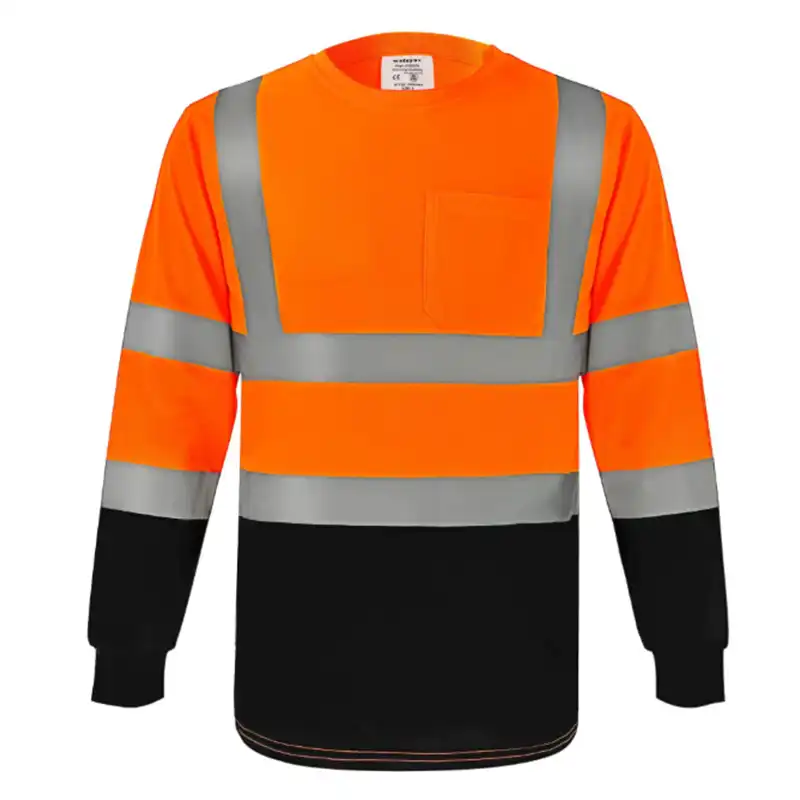
Comparing Leading Sun Protective Workwear Solutions for Construction
The market for construction sun-protective workwear has a wide range of choices, from simple UV-blocking clothes to high-tech systems that can do more than one thing. When buying, teams know how these solutions compare, they can make choices that are in line with their budgets and business needs.
Material Performance Comparison
There are different types of fabric technologies that offer different levels of comfort and protection. Polyester microfiber mixes that have been treated with titanium dioxide particles have good UPF ratings and can keep moisture away at reasonable prices, which is why they are popular for general building uses. Heavy machine users and steel workers can get longer-lasting nylon ripstop fabric with ceramic particles embedded in it, but it costs more. North American businesses that care about the environment are becoming more interested in recycled polyester fabrics because they offer the same level of safety as new materials while having less of an impact on the environment. When choosing a material, procurement managers have to weigh the pros and cons of security, durability, comfort, and cost based on the needs of their unique construction sun protective workwear.
Supplier Evaluation Criteria
To find reliable construction sun-protective workwear suppliers, you need to look at more than just the product specs. Check the manufacturing skills, such as the number of items that can be made, the systems for checking quality, and the ability to make changes as needed. Suppliers should give full scientific information, such as test reports from a third-party lab that prove the UPF scores and wash durability. Customization options are very important for company branding and meeting the unique sizing needs of a wide range of building workers. Minimum order amounts are usually between 100 and 500 pieces, so it's important for suppliers to be flexible for businesses that want to try new equipment before adopting it across their whole fleet. When sizing problems or quality issues come up during the first launch, response time and after-sales help are very important.
Sustainability and Compliance Considerations
Environmental responsibility is becoming more and more important in North American construction markets when it comes to buying things. A lot of contracts now require business uniforms to have recycled content, which is increasing the demand for construction sun-protective workwear made from recycled polyester. These eco-friendly fabrics have the same UPF scores and sturdiness as regular fabrics, and they also help companies meet their environmental goals. When looking for materials, you should also look at how the manufacturers treat their workers and see if their facilities have any certifications, such as ISO 9001 quality management and WRAP ethical manufacturing standards. These qualifications protect the supply chain's honesty and lower the risk to a company's image. This is especially important for publicly traded building companies and government contractors who have to deal with criticism from stakeholders.
Practical Benefits and Case Studies of Using Breathable Sun Protective Workwear On Site
When construction sun protective workwear is used in the real world, worker health, safety compliance, and operational efficiency all get better. These results, like lower medical costs and higher output, make the original investment costs worthwhile.
Health and Safety Improvements
A medium-sized commercial building company that works all over the southwestern United States gave its 200-person field group UPF 50+ clothing to wear. Over the course of 18 months, they saw a 40% drop in complaints about sunburn and heat compared to the two years before when standard uniforms were worn. During the busy summer months, workers said they were more comfortable and asked for more breaks less often. As a result of workers happily wearing long-sleeved clothes that they had previously refused to wear because they were too hot, the company's safety manager saw better PPE compliance. This case shows that properly made construction sun-protective workwear actually supports safe behavior instead of discouraging it.
Productivity and Cost Benefits
In addition to improving health, flexible construction sun-protective workwear also helps the economy. The same construction company calculated that it would save about $18,000 a year by lowering the number of medical visits, workers' compensation claims related to sun exposure, and absences during hot weather. Their UPF-rated uniforms lasted an average of 18 months of regular use, compared to 10 to 12 months for standard workwear before, which cut down on the number of times they had to be replaced and the cost of doing so. Because of these real financial benefits, the company decided to switch all of its workers to construction sun-protective workwear. The program paid for itself in the first year by saving money on health care and repairs.
Worker Satisfaction and Retention
Giving employees good protective gear shows that the company cares about their health and safety, which can help them get hired and stay with the company in competitive job markets. Construction companies say that offering high-quality construction sun-protective workwear is a big part of their safety culture messaging. This helps them hire good people who care about employers who take worker health seriously. Crew surveys consistently show that workers are very satisfied with breathable, UV-protective uniforms. Comfort and the feeling that their boss cares about them are two of the main reasons given. This intangible benefit helps the company's image in North American construction groups and lowers the cost of hiring new people.
Conclusion
For outdoor workers who are subjected to prolonged UV exposure, construction sun protective workwear is an important safety item. The UPF 50+ protection, moisture-wicking fabrics, and flexible design fill in important gaps in traditional clothing, lowering health risks and keeping workers cool and comfortable while they do hard physical work. When buying clothes, it's best to choose ones that meet AS/NZS 4399 or EN 13758-2 standards. These standards include fiber-embedded UV protection that will stay effective even after many commercial launderings. Quality sun protection programs have been shown to improve health, boost output, and save money, all of which make them a strong case for investment. As safety standards for the workplace change and more people learn about UV hazards, breathable construction sun protective workwear will go from being an option to being a must on all North American construction sites.
FAQ
1. How often should construction sun-protective workwear be replaced to maintain effectiveness?
High-quality clothes with UV protection built into the fibers keep their UPF number for as long as the clothes last. Construction sun protective workwear should be replaced when the fabric is significantly worn down, torn, or stretched in a way that lowers the weave density. This usually happens after 12 to 18 months of daily building use. If you only use chemical UV treatments on your clothes, you should get new ones after 40 to 50 wash cycles. For better long-term value, choose permanent fiber-embedded protection.
2. Can construction sun protective workwear be customized with company logos and branding?
Yes, you can customize it by screen printing, stitching, or using heat transfer to add company designs and employee names. When used in the right places, these ways of decorating don't hurt UV protection. Welston offers full branding services for orders as low as 100 pieces, and we offer custom packaging options that reinforce the company's image while the construction sun protective workwear is sent to field crews.
3. What certifications should procurement managers require when sourcing UV-protective workwear?
Give more weight to sellers who can show proof of AS/NZS 4399:2017 or EN 13758-2 tests from approved labs. Ask for proof that the UPF rating stays the same after 50 industrial wash cycles. Other important certifications are ISO 9001 for quality management systems and WRAP or similar for ethical manufacturing, which ensures that responsible production practices are used to create construction sun protective workwear.
Partner with Welston for Premium Construction Sun Protective Workwear Solutions
It has been 27 years since Shenzhen Welston Garments Co., Ltd. has been making high-performance clothing for tough building sites. Our construction sun protective workwear with UPF 50+ certified fabrics and advanced moisture-wicking technology gives North American job sites the protection and airflow they need. We have the ability and quality control systems to handle bulk orders from 100 to 10,000+ pieces with steady excellence. Our three factories have a total of 10 dedicated production lines. Our relationships with top companies in our field, such as Panasonic, Toyota, and Benz, show that we are dedicated to meeting strict requirements. We offer full customization, such as adding your name, changing the size, and making your own package. We also have flexible payment options and helpful customer service available 24 hours a day, 7 days a week. Get in touch with our staff at [email protected] to ask for samples, talk about your unique needs, or get full quotes. As an experienced provider of construction sun protective workwear, we can become your trusted partner in making your operations safer and more comfortable for everyone.
References
1. American Conference of Governmental Industrial Hygienists (ACGIH). (2021). "UV Radiation: TLV Physical Agents Documentation." ACGIH Worldwide, Cincinnati, Ohio.
2. Gies, P., Roy, C., Toomey, S., & McLennan, A. (2018). "Protection Against Solar Ultraviolet Radiation by Fabrics: A Review." Photochemistry and Photobiology, 94(4), 609-617.
3. National Institute for Occupational Safety and Health (NIOSH). (2019). "Sun Exposure: Outdoor Workers." NIOSH Workplace Safety and Health Topics, Centers for Disease Control.
4. Occupational Safety and Health Administration (OSHA). (2020). "Heat Stress in Construction: Protective Clothing and Equipment." OSHA Technical Manual, Section III, Chapter 4.
5. Reinau, D., Weiss, M., Meier, C.R., Diepgen, T.L., & Surber, C. (2017). "Outdoor Workers' Sun-Related Knowledge, Attitudes and Protective Behaviours: A Systematic Review of Cross-Sectional Studies." British Journal of Dermatology, 168(5), 928-940.
6. Standards Australia/Standards New Zealand. (2017). "AS/NZS 4399:2017 Sun Protective Clothing—Evaluation and Classification." Joint Technical Committee CS-096, Sydney and Wellington.
We specialize in designing, producing, and selling corporate clothing. Mainly produces: industrial clothing, business uniforms, and work clothes for different companies.

About Welston Garments


