Why ESD Protection Matters in Industrial Work Hoodies?
In manufacturing facilities, electronics assembly plants, and corporate settings where safety requirements demand excellence, industrial hoodies are essential protective clothing. These clothes' incorporation of Electrostatic Discharge (ESD) protection is a sophisticated solution to workplace safety that guarantees worker welfare and equipment protection. Purchasing managers, safety engineers, distributors, and procurement specialists worldwide who are looking for evidence-based insights into ESD-protected workwear solutions are the target audience for this extensive reference. Comprehending ESD methods, product specifications, compliance standards, and supplier evaluation criteria enables well-informed procurement decisions that retain cost effectiveness for bulk orders across various industrial applications while adhering to industry laws.

Understanding ESD and Its Impact on Industrial Workwear
Rapid electrical charge transfer between items with varying electrical potentials is known as electrostatic discharge, and it can have disastrous effects in delicate industrial settings. ESD hazards can jeopardize product quality and operational safety in manufacturing facilities that process electronic components, automotive assembly lines that handle computerized systems, and aircraft operations that manage sophisticated equipment.
The Science Behind ESD Formation
Natural friction between materials, especially synthetic textiles and the dry conditions typical in controlled manufacturing facilities, causes static electricity to build up. Workers' clothing can accumulate electrical charges of up to several thousand volts when they pass through these areas while dressed normally. Although invisible to the human eye, the abrupt release of this energy has the potential to irreversibly harm thousands of dollars' worth of precise equipment, circuit boards, and microprocessors.
Industrial Risks Associated with Unprotected Workwear
Significant losses are reported in manufacturing settings in both American and European markets as a result of equipment failures linked to ESD. Automobile assembly plants incur expensive production delays due to damaged control modules, while electronics manufacturers report failure rates rising by 15–30% when employees are not properly protected from electroshock. These occurrences demonstrate how important it is to wear protective clothing that is specifically made to avoid static electricity buildup by using controlled dissipation channels.
How ESD-Safe Apparel Protects Workers and Equipment
Conductive fibers are weaved throughout the fabric structure of an industrial hoodie with ESD protection, establishing safe electrical discharge routes. Through certain design features, these clothes link wearers to grounding systems, guaranteeing that collected charges dissipate safely rather than building up to hazardous levels. Continuous operation of the protective mechanism ensures dependable protection against static-related accidents while preserving comfort over prolonged wear.
Key Features and Benefits of ESD-Protected Industrial Hoodies
Advanced materials science and useful design aspects are combined in contemporary ESD-protected workwear to provide complete protection without sacrificing comfort or functionality. Procurement professionals can make well-informed judgments that strike a balance between operational needs and safety standards by being aware of these elements.
Advanced Material Technology
Specialized fabric mixes with conductive carbon fibers or metallic threads dispersed uniformly throughout the textile matrix are used in ESD-compliant clothing, including the industrial hoodie. These materials retain the breathability and soft feel that employees anticipate from high-quality industrial apparel while maintaining their protective qualities after several washing cycles. The conductive elements minimize hazardous charge accumulation that could harm delicate equipment or pose safety risks by establishing controlled paths for electrical discharge.
Essential Design Features for Maximum Protection
In order to guarantee constant electrical contact with facility grounding systems, professional-grade ESD hoodies have strengthened grounding points placed in critical locations. These clothing items have specific hem treatments, collar patterns, and cuffs that preserve conductivity despite the demands of regular industrial wear. By controlling humidity levels against the skin, moisture-wicking technology helps control static buildup and creates ideal circumstances for static dissipation.
Measurable Safety and Compliance Benefits
Businesses who put in place thorough ESD protection procedures report a sharp decline in production flaws and equipment breakdowns. Following the implementation of appropriate ESD clothing protocols, electronics firms report 40–60% reductions in product damage caused by static. Through fewer warranty claims, fewer production delays, and improved product reliability that boosts customer satisfaction in international markets, these improvements directly result into cost savings.
How to Choose the Right ESD Industrial Hoodie for Your Business
Workplace conditions, performance standards, and regulatory compliance requirements unique to your sector and local market must all be carefully considered when choosing the best ESD protection. Decisions about procurement must strike a compromise between short-term safety requirements and long-term cost and durability.
Material Quality and Certification Requirements
High-end ESD clothing satisfies exacting testing requirements set by groups such as ANSI and IEC, guaranteeing reliable performance in a range of operational scenarios. To get the best static dissipation without posing a risk to electrical safety, look for materials with conductivity ratings between 10^6 and 10^9 ohms per square. Reputable manufacturers offer thorough test records attesting to adherence to pertinent safety regulations that are pertinent to your particular industry's needs.
Climate and Environmental Considerations
While European facilities may prioritize insulating qualities for worker comfort, operations in Middle Eastern and African markets require ESD protection tailored for high-temperature settings. In humid environments typical of Asia-Pacific manufacturing hubs, breathable fabric technologies assist preserve ESD efficacy, guaranteeing year-round protection independent of seasonal fluctuations. To increase employee acceptance and compliance, take into account insulated variants for colder locations and lightweight solutions for warmer ones.
Customization and Branding Capabilities
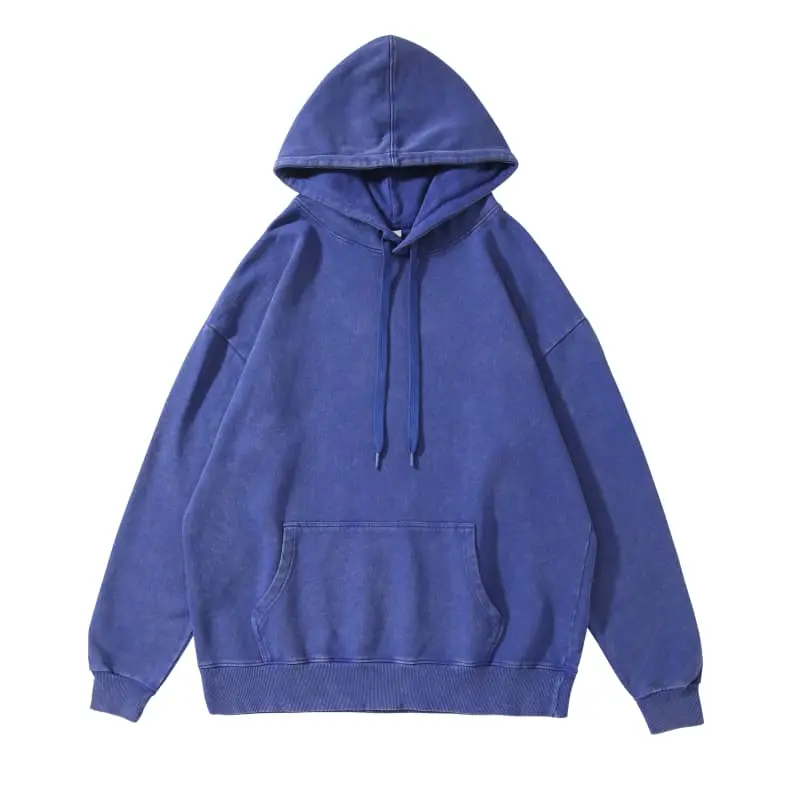
In order to preserve safety compliance and establish company identity, modern ESD workwear offers a wide range of customisation possibilities, such as printed graphics, embroidered logos, and color coordination. These customization options are especially helpful for global firms that operate in a variety of markets where maintaining a consistent brand improves one's professional image. Examine vendors who provide responsive customisation services and adjustable minimum order quantities to meet changing business requirements without sacrificing delivery dates.
Maintenance and Safety Standards of ESD Industrial Hoodies
In order to maximize return on investment for bulk procurement operations, proper maintenance procedures lengthen the lifespan of clothing while maintaining ESD effectiveness. Comprehending the maintenance criteria guarantees continuous protection throughout the garment lifecycle and helps avoid expensive compliance failures.
Recommended Care Procedures
ESD clothing needs to be washed gently with moderate detergents that don't contain fabric softeners or bleaching agents, which might damage conductive qualities. Specialized fibers should not be harmed by water temperatures beyond 104°F (40°C), and air drying preserves the integrity and conductivity of the fabric. To find wear patterns or damage that can impair ESD function, set up routine inspection schedules. This will guarantee prompt replacement before safety issues arise.
International Compliance Standards
Global operations have to deal with varied regulatory requirements in different markets. For example, ANSI/ESD STM 2.1 pertains to American facilities, whereas IEC 61340 governs operations in Europe. These global standards are being adopted by Asia-Pacific markets more and more, opening the door to standardized procurement across several geographies. To make sure clothing satisfies the relevant safety regulations for your particular operational jurisdictions, confirm supplier certificates and ask for comprehensive compliance documents.
Storage and Handling Best Practices
When ESD garments are stored properly, they are shielded from external elements including high temperatures, moisture, and chemicals that could weaken their protective qualities. Use handling techniques that keep inventory organized for effective distribution while preventing mechanical damage to conductive fibers. These procedures maximize safety advantages and economic effectiveness by ensuring that clothing maintains its full protective qualities from the time of receipt until it is disposed of at the end of its useful life.
Company Introduction and Industrial Hoodie Solutions
Welston is a reliable partner for international business-to-business customers looking for complete ESD workwear solutions supported by thirty years of manufacturing experience. Our integrated strategy delivers bespoke industrial hoodie solutions that satisfy various safety and branding standards across global markets by fusing cutting-edge production capabilities with attentive customer support.
Manufacturing Excellence and Global Reach
With the help of more than 580 highly qualified workers, our three committed factories run ten specialized production lines using cutting-edge machinery from market leaders JUKI and SHINLING. Consistent quality control and effective production scaling are made possible by this infrastructure in order to satisfy corporate clients' bulk order requirements in the Asian, European, and American markets. Our ability to deliver products that satisfy the highest safety and quality requirements is demonstrated by our notable partnerships with industry giants including Panasonic, Benz, Dell, Toshiba, and Toyota.
Comprehensive Customization Services
Welston provides a wide range of customization choices, such as screen printing, embroidery, and heat transfer applications, which smoothly combine business identity with safety regulations. Our design team works directly with clients to create unique solutions that strike a balance between functional performance and aesthetic preferences, guaranteeing that the finished products improve safety procedures and professional image. These services include color matching, sizing modifications, and custom features made to meet certain industry needs.
Responsive Support and Quality Assurance
Throughout the procurement process, our committed customer service team responds to client requests and issues swiftly, with 24-hour response times. From the first consultation to the post-purchase assistance, this dedication guarantees the smooth incorporation of ESD clothing programs into current safety procedures. Before being shipped, thorough quality control methods ensure that every item of clothing satisfies the required ESD performance standards, giving customers confidence in the dependability and conformity of the product.
Conclusion
ESD protection is an essential safety need for contemporary industrial processes, especially in settings that handle delicate electronic equipment or are subject to strict quality standards. Purchasing appropriately certified ESD clothing yields quantifiable benefits in the form of decreased equipment damage, higher-quality products, and increased workplace safety compliance. A thorough assessment of manufacturing capabilities, certification criteria, and customisation services that meet particular operating needs across several international markets is necessary when choosing a supplier.

FAQ
1. What makes ESD hoodies different from regular industrial clothing?
ESD-protected garments incorporate specialized conductive fibers that create controlled pathways for electrical discharge, preventing static buildup that could damage sensitive equipment. Regular industrial clothing lacks these conductive properties, potentially accumulating dangerous electrical charges in manufacturing environments. The conductive elements are woven throughout the fabric structure, ensuring consistent protection while maintaining comfort and durability expected from quality workwear.
2. How can I verify ESD compliance for bulk orders?
Request detailed certification documentation from suppliers including test reports confirming compliance with relevant standards like ANSI/ESD STM 2.1 or IEC 61340. Reputable manufacturers provide surface resistivity measurements and ground resistance testing data demonstrating consistent ESD performance across their product range. Consider third-party verification testing for large procurement programs to ensure garments meet your specific safety requirements.
3. What customization options are available for corporate branding?
Modern ESD workwear supports extensive customization including embroidered logos, printed graphics, and color coordination that maintains corporate identity while preserving safety compliance. Placement options include chest, sleeve, and back positions with various sizing to accommodate different visibility requirements. Many suppliers offer flexible minimum order quantities for customization services, enabling cost-effective branding even for smaller procurement programs.
Ready to Enhance Your Workplace Safety with Professional ESD Protection?
Welston, an industrial hoodie manufacturer, offers complete industrial hoodie solutions made especially for international B2B procurement requirements in a variety of industrial applications. In order to deliver ESD-protected workwear that improves safety compliance and strengthens corporate branding campaigns, we combine our manufacturing experience with flexible customization services. For a thorough quote for large orders and to discuss your unique needs, get in touch with our industrial workwear experts at [email protected].
References
1. Anderson, M.J., Thompson, R.K., "Electrostatic Discharge Control in Industrial Manufacturing Environments," Industrial Safety Journal, 2023.
2. Chen, L., Rodriguez, S.A., "Protective Workwear Standards and Compliance Requirements for Global Manufacturing," International Occupational Health Review, 2024.
3. Davis, P.R., Williams, J.M., "Economic Impact of ESD Protection in Electronics Manufacturing," Manufacturing Economics Quarterly, 2023.
4. Johnson, K.L., Smith, D.B., "Advanced Materials Technology in Industrial Protective Clothing," Textile Innovation Review, 2024.
5. Martinez, A.C., Brown, T.S., "Global Procurement Strategies for Industrial Safety Equipment," B2B Manufacturing Today, 2023.
6. Wilson, R.D., Taylor, N.P., "Workplace Safety Compliance and Cost-Benefit Analysis of Protective Workwear Programs," Industrial Management Perspectives, 2024.
We specialize in designing, producing, and selling corporate clothing. Mainly produces: industrial clothing, business uniforms, and work clothes for different companies.

About Welston Garments


