Why Men's Winter Work Jackets Are Essential for Outdoor Workers?
Men's winter clothing is essential for worker safety, productivity, and efficiency in harsh winter conditions. Winter poses unprecedented threats to outdoor workers, from hypothermia and frostbite to diminished physical dexterity that can impair job effectiveness and safety. The correct winter work jacket is more than simply clothing—it can protect you from work hazards. Knowing how important winter workwear is helps organizations make decisions that protect their employees and preserve operations in harsh weather.
Understanding the Winter Workwear Challenge for Outdoor Workers
Winter outdoor work involves physiological and operational concerns beyond discomfort. Humans lose heat quickly in cold conditions, and exposed skin can frostbite below 32°F (0°C). Workers' cognitive performance, reaction speeds, and motor skills decline when core body temperature drops, increasing workplace accident risks.
Health and Safety Risks in Cold Work Environments
Industries that work outdoors worry about cold-related injuries. When body temperature goes below 95°F (35°C), hypothermia causes confusion, drowsiness, and life-threatening consequences. A severe case of frostbite can cause lifelong damage to limbs. After these acute conditions, extended cold exposure lowers blood flow to hands and fingers, reducing grip strength and fine motor control needed for tool and equipment use.
Occupational safety groups found that cold-induced physiological changes increase workplace injuries by 15-20% in winter. Cold stress reduces workers' response times and situational awareness, causing machinery, fall, and equipment mishandling accidents.
Productivity Impact of Inadequate Winter Protection
Cold weather reduces productivity in several ways. With hand temperatures below 59°F (15°C), manual dexterity declines, making precision jobs harder. Workers in inadequate winter gear spend a lot of time seeking warmth, taking breaks, or working less efficiently.
Construction and agriculture studies show that workers without heat protection lose 25-40% effectiveness. This productivity loss causes project delays, higher labor expenses, and lower operational efficiency during winter work times.
Core Features to Look for in Men's Winter Work Jackets for Outdoor Use
Technical parameters and performance must be considered when choosing cold work jackets. Advanced materials and design handle outside work environment concerns in the best men's winter gear.
Insulation Technologies and Material Selection
Modern winter work jackets use different insulation methods for different industrial purposes. Synthetic insulation is appropriate for humid or rainy settings since it retains thermal qualities. For optimal warmth-to-weight ratios, down insulation must be managed for moisture.
PrimaLoft and Thinsulate provide consistent thermal performance throughout temperature ranges while remaining breathable during exercise. Under outer layers, these materials compress effectively, facilitating layering systems that allow workers to alter thermal protection during the day.
The outer shell material also affects jacket performance. Good men's winter apparel is waterproof and breathable to prevent moisture penetration and facilitate vapor movement. This moisture control minimizes dangerous heat loss from perspiration-soaked insulation.
Essential Design Elements for Work Functionality
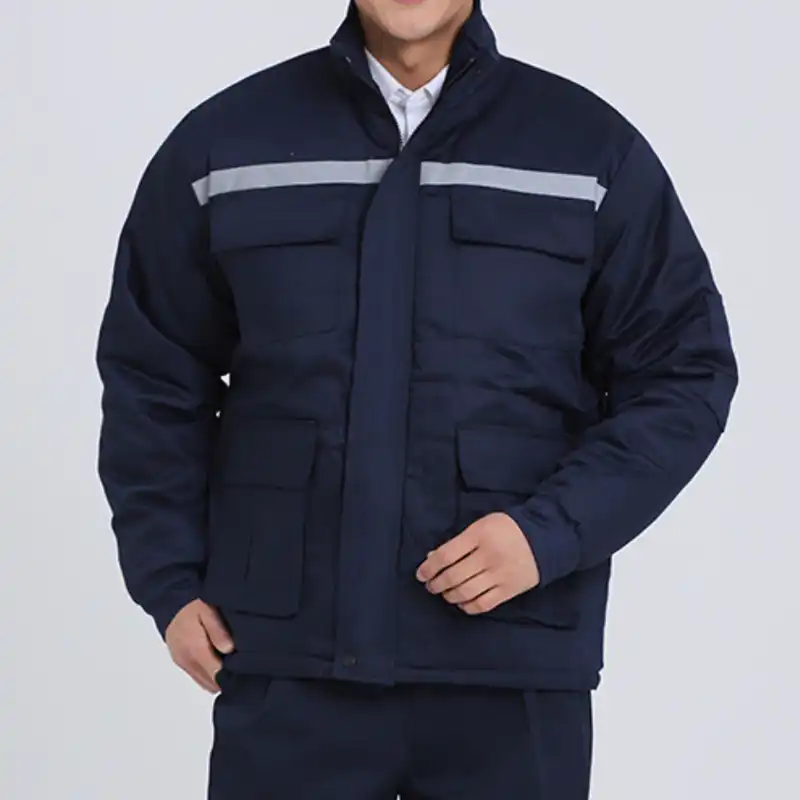
Design aspects of good winter work jackets support job performance and thermal protection. Strong shoulder, elbow, and pocket stress points enhance durability in tough labor circumstances. Articulated sleeves and gusseted underarms provide fluid overhead work and equipment operation.
Tool storage and hand warming depend on pocket layout. Chest pockets for small tools, side pockets for hand protection, and interior pockets for personal things improve task efficiency. Secure closures prevent tool loss and make gloved operation easy.
Workers may alter fit and keep off chilly air with cuffs, hem drawcords, and hood adjustments. These elements form a microclimate that maintains core body temperature and supports work-related mobility.
Comparing Leading Winter Work Jacket Solutions on the Market
Winter workwear is available for several environmental and job settings. Understanding jacket performance helps identify purchases that meet operational and budget needs.
Performance Analysis of Different Jacket Types
Thermal protection varies by insulation type and thickness in insulated work jackets. Heavy-duty insulated coats provide maximum warmth in extreme weather but may hinder movement during laborious jobs. Portable, lightweight insulated solutions are ideal for moderate cold and high-activity work.
Softshell jackets withstand wind and breathe well during exercise. These jackets complement layering systems as mid-layers or outer shells depending on temperature and weather. Further insulation is needed for extreme cold protection in softshell designs.
Winter coats with sealed seams and waterproof-breathable membranes protect against moisture. These styles work well in wet winters but may be less breathable than water-resistant ones. Specific work environment moisture exposure levels determine waterproof or water-resistant alternatives.
Regional Market Considerations
Different regions demand different winter workwear. North American winters range from arctic cold to wet coastal climes, thus users expect high-performance insulation and waterproofing. Workers expect jackets to last all season in these markets, which emphasize durability and technical innovation.
European markets value performance and sustainability materials and production. Many European clients choose recycled insulation and eco-friendly construction without compromising thermal protection or durability.
Technology in materials and manufacturing is changing the quality men's winter clothing market. Leading manufacturers invest considerably in R&D to build goods that fulfill high performance and sustainability criteria.
Practical Procurement Guide for Men's Winter Work Jackets
Organizational procurement specialists must make difficult winter workwear choices. Effective purchasing methods incorporate thermal performance, durability, cost-effectiveness, and supplier reliability to maximize value and worker safety.
Bulk Purchasing Considerations and Customization Options
While protecting work teams uniformly, volume purchasing saves money. Custom orders start at 50–100 pieces, with pricing scales improving with bigger volumes. Gradient pricing from several providers rewards greater commitments with lower per-unit costs.
Customization possibilities boost brand awareness and personnel identification while preserving professionalism. Color, size, and logo placement allow companies to create unique workwear that expresses their identity. Reflective striping and job-specific pocket layouts are advanced customizations.
In their men's winter clothing line, Welston's corporate clothes manufacturing knowledge allows for sophisticated personalization. Over 25 years of industry experience, Welston understands the particular needs of different work environments and can offer appropriate features for individual applications.
Supplier Evaluation Criteria
Maintaining winter workwear programs need reliable suppliers. Production, quality control, delivery reliability, and technical assistance are key evaluation criteria. For seasonal products with restricted ordering windows, suppliers must consistently follow delivery dates.
Supplier evaluation relies on quality certification criteria. Specialized textile certifications show fabric and construction standards expertise, whereas ISO 9001 accreditation shows strong quality management systems. Supplier facilities should test thermal performance and durability promises.
To ensure quality throughout big volume orders, Welston's quality control systems comprise many inspection sites throughout manufacturing. With established fabric suppliers and efficient manufacturing equipment, the company can meet delivery schedules even during peak demand.

Maintenance and Care Best Practices for Longevity of Winter Work Jackets
Proper maintenance enhances winter work jackets' lifespan and protection. Respecting fabric care instructions and following systematic maintenance practices preserves quality workwear and worker safety.
Cleaning and Storage Protocols
Cleaning methods vary by insulation type to maintain thermal performance. Down insulation needs specific cleaning chemicals to maintain loft and thermal performance, whereas synthetic insulation may be machine washed with appropriate detergents. Most labor jackets need laundering every 2-3 weeks during active use, depending on soil exposure and odor formation.
Waterproof treatments must be renewed to prevent moisture damage. Reapplication with specialist materials is needed since DWR coatings erode naturally via use and washing. Normal DWR maintenance keeps the jacket's moisture-shedding and breathability.
Storing jackets affects their lifespan and function. Clean, dry jackets should be stored in ventilated, heat-free spaces. Hanging storage is best for long-term preservation because compression storage can impair insulating loft, especially down-filled items.
Common Maintenance Errors to Avoid
Certain maintenance methods might damage winter work coats or impair their protection. Conventional fabric softeners disrupt DWR coatings and impair technical fabric moisture-wicking. High drying temperatures can degrade insulation and waterproof materials.
Waterproofing and thermal performance can be compromised by improper tear repair. Professional repairs or manufacturer-approved patches should repair major damage to retain protection. Neglecting minor damage might lead to costly repairs and a shorter jacket lifespan.
Scheduled inspections uncover maintenance issues before they become major issues. Active maintenance including monthly zipper, seam, and fabric wear pattern checks enhances jacket life and meets worker protection regulations.
Conclusion
Safety equipment like men's winter clothing work jackets affects worker welfare, productivity, and operational success in cold weather. Investment in quality winter clothing reduces injuries, maintains productivity, and boosts worker happiness. Understanding winter work jacket technical criteria and performance characteristics helps procurement experts make cost-effective, workforce-protecting decisions. Winter workwear programs give consistent value throughout seasons while meeting growing safety and performance standards through correct selection, maintenance, and supplier collaborations.
FAQ
1. What insulation type works best for extreme cold conditions?
For extreme cold work situations, Thinsulate and PrimaLoft are the best synthetic insulating materials. These materials stay warm after compression and moisture exposure. Down insulation is warm-to-weight but needs moisture management to maintain thermal efficiency.
2. How do I ensure worker safety in wet and cold conditions?
In damp and chilly weather, workers need jackets with waterproof-breathable membranes, sealed seams, and moisture management. Check for coats with storm flaps over zippers, adjustable cuffs and hems, and good ventilation. The jacket's DWR coating ensures moisture protection throughout its lifespan.
3. Are bulk purchasing options available for custom-branded winter work jackets?
Professional workwear vendors usually offer bulk orders starting at 100 items. Standard customization includes logo embroidery, color choices, and size. Custom order lead times vary from 3-6 weeks based on intricacy and supplier capacity, and volume discounts increase with larger quantities.
Partner with Welston for Superior Men's Winter Clothing Solutions
Welston provides comprehensive winter workwear solutions adapted to your operational demands. Over 25 years of experience as a men's winter clothing supplier, we know how important thermal protection is for outdoor jobs. High-performance winter work jackets that match worldwide industry standards are made possible by our technological expertise and modern manufacturing capabilities. Please contact [email protected] to discuss bulk procurement and our many customization options.
References
1. National Institute for Occupational Safety and Health. "Criteria for a Recommended Standard: Occupational Exposure to Cold Environments." Department of Health and Human Services, 2016.
2. International Labour Organization. "Safety and Health in the Use of Personal Protective Equipment at Work." Occupational Safety and Health Series, 2018.
3. American Society of Heating, Refrigerating and Air-Conditioning Engineers. "Thermal Environmental Conditions for Human Occupancy." ASHRAE Standard 55, 2020.
4. European Committee for Standardization. "Protective Clothing Against Cold: Requirements and Test Methods." EN 14058:2017 Standard Documentation, 2017.
5. Occupational Safety and Health Administration. "Cold Stress Prevention Guidelines for Construction and General Industry Workers." U.S. Department of Labor Publication Series, 2019.
6. Canadian Centre for Occupational Health and Safety. "Working in Cold Environments: Health Effects and Protective Measures." Technical Report on Cold Weather Work Safety, 2021.
We specialize in designing, producing, and selling corporate clothing. Mainly produces: industrial clothing, business uniforms, and work clothes for different companies.

About Welston Garments


