Why Outdoor Sun Workwear Is Essential for Safety?
More than just hard hats, Outdoor Sun Workwear and boots keep workers safe when they spend hours in the hot sun on farms, building sites, or other outdoor places. In order to protect against UV rays, heat stress, and long-term health problems, Outdoor Sun Workwear is essential. This special clothing has high UPF ratings, fabrics that wick away sweat, and is made to be worn by workers who will be in the sun for long periods of time. Buying certified sun protection clothing lowers health risks at work, boosts productivity, and shows that a company cares about its employees' health. This makes it an important thing for companies in North America, Europe, and emerging markets that do business in sunny areas to think about when they are buying clothes.
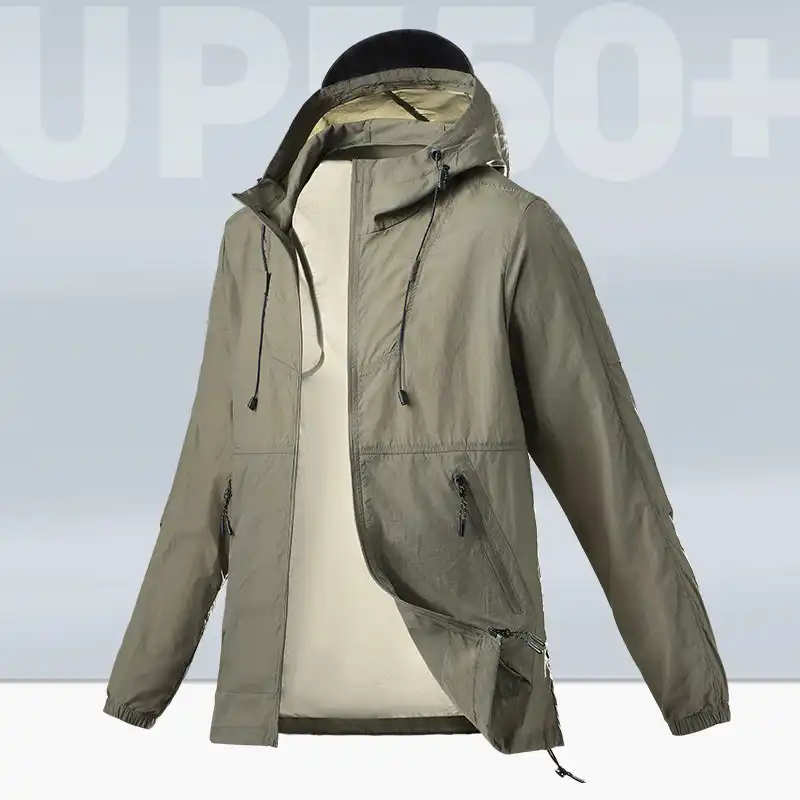
Understanding Outdoor Sun Workwear and Its Role in Worker Safety
Outdoor Sun Workwear is very different from regular outfits in how it is made and what it is used for. This special clothing keeps workers safe from UV rays that can be dangerous and from heat-related risks that can hurt their health and performance. These clothes are different from regular clothes because they have proven UPF scores that show how well they block UV rays before they reach the skin.
What Makes Sun Protective Workwear Different
Normal work clothes don't protect against UV rays very well; they usually only offer UPF 5–10 protection. This lets a lot of radiation through. Over 98% of dangerous rays are blocked by professional-grade Outdoor Sun Workwear, which has a UPF value of 50+. Tightly knit fabrics, special fiber treatments, and cutting-edge textile engineering all play a part in this defense. When workers spend six to ten hours a day in full sunlight, the difference becomes very important. UV damage adds up over time and causes eye damage, skin cancer, and early ageing.
Critical Workplace Scenarios Demanding Sun Protection
Crews working on construction sites are exposed to UV radiation that is reflected off metal and concrete, which is stronger than direct sunlight. A lot of the time, landscapers don't have any shade, especially between 10 AM and 4 PM, when UV levels are highest. People who work in logistics and delivery often move between cars and outdoor loading places, which makes it hard to know when to protect themselves. During the growth seasons, people who work in open areas in agriculture are exposed to both direct and ground-reflected radiation. In all of these situations, workers need solid Outdoor Sun Workwear that they will actually wear, even when it's hot and hard on their bodies.
Key Materials and Technologies in Outdoor Sun Workwear
The choice of material determines whether Outdoor Sun Workwear really protects or just gives you false hope. The textile industry has made advanced materials that combine three things that used to be at odds with each other in clothing design: UV protection, breathability, and longevity.
Fabric Foundations for UV Protection
Professional sun protective clothing is mostly made of polyester mixes because they naturally stop UV rays and last a very long time. Polyester keeps its UPF ratings even after being washed and sweated on, while cotton loses up to 50% of its protective power when it gets wet. Nylon has some of the same benefits, but it is a little more resistant to wear and tear, which makes it good for rough job settings. Some producers use recycled polyester to meet the high standards for sustainability set by buyers in North America and Europe, who care about both worker safety and environmental duty. Tight-weave construction makes physical walls that stop UV light from getting through, no matter what kind of fiber is used. Fabrics with fewer holes naturally block more radiation, but this needs to be weighed against the need for fabrics to breathe. Advanced makers treat things with titanium dioxide or ceramic nanoparticles that block UV rays without blocking airflow. Topical coatings wear off quickly, but these treatments stay effective through dozens of wash cycles.
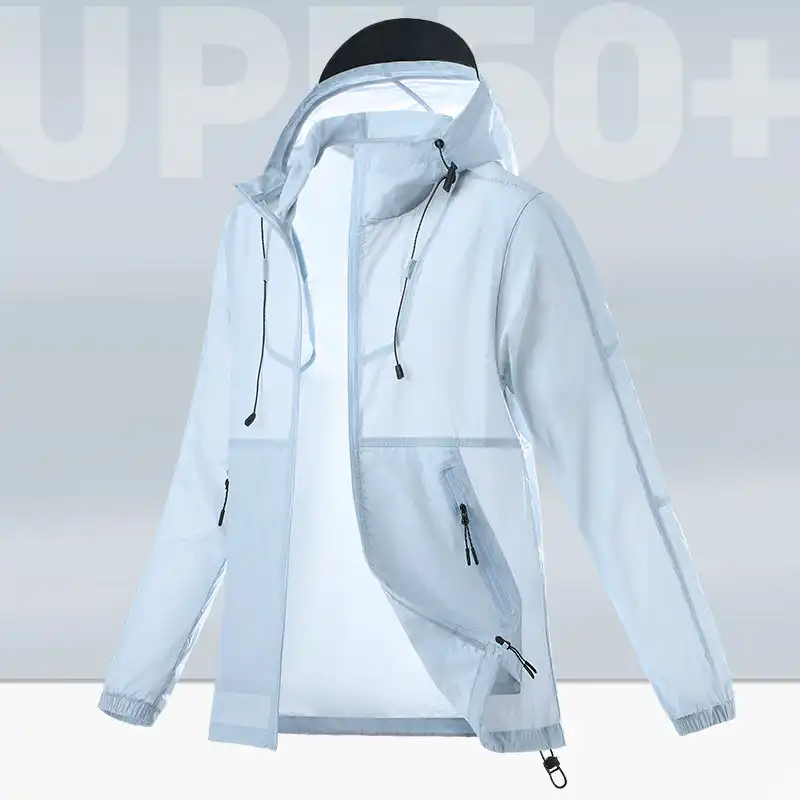
Moisture Management and Cooling Technologies
Workers won't wear safety gear if it makes them too hot, so it has to be able to wick away sweat. Hydrophilic fibers are used in modern Outdoor Sun Workwear to draw sweat away from the skin and onto the fabric's surface, where it evaporates. This process naturally cools the clothes and stops the growth of germs, which makes regular work clothes smell bad. Adding mesh panels to high-heat areas like the underarms, back panels, and side vents improves airflow without lowering UV protection. These ventilation features are placed so that they don't cut down on coverage in high-exposure places. Some more advanced designs use phase-change materials that take in extra body heat when you're working out and let it go when you're not. This keeps your body at the right temperature during a variety of work activities.
How to Choose the Right Outdoor Sun Workwear for Your Business
When making choices about what to buy, you have to match the needs of the job with the right clothing requirements. Which Outdoor Sun Workwear configurations are safest and most cost-effective depends on the weather, the amount of work intensity, and the needs of the business.
Assessing Your Industry-Specific Requirements
For light building and facility maintenance work, UPF 40–50 long-sleeved shirts that aren't too heavy and pants with flexible knees that let air flow through are helpful. Most of the time, there is modest physical exercise in these settings, and there is some shade, so fabric weights of 120 to 150 gsm are fine. For landscaping and farming jobs, where workers are out in the sun for long periods of time, stronger clothes that better control wetness are needed. People who work in outdoor shopping or event management may value designs that look good in both customer-facing and behind-the-scenes situations. Regional temperature has a big effect on the choice of materials. Southeast Asia and some parts of South America are humid places where Outdoor Sun Workwear needs lots of air flow and quick-drying materials to keep people from getting heat stress. The Middle East and the southwestern United States have dry conditions that allow thicker fabrics that are better at resisting wear and tear and blocking the sun. Extreme temperatures in some parts of North America may mean that Outdoor Sun Workwear requirements need to change with the seasons.
Evaluating Supplier Credentials and Certifications
Verification of UV protection claims removes trustworthy providers from those making empty marketing claims. Manufacturers with a good reputation show test results from AATCC 183 or AS/NZS 4399 that prove UPF ratings in both dry and wet circumstances. It is clear from these certificates that security works in real-life work situations as well as in the lab. During busy times, when people are working outside more, a supplier's production capacity affects how reliably deliveries happen. Welston's ten production lines and 580 employees give the company the flexibility to keep up with demand during busy times. Our 27-year history of working with companies like Panasonic, Toyota, and Dell shows that we can maintain quality even on large orders, which eases the worries that procurement professionals have when working with new suppliers.
Caring for Outdoor Sun Workwear to Maximize Safety and Longevity
With proper care, the protective qualities that make buying specialized clothing worth it will last. When clothes keep working well for longer amounts of time instead of needing to be replaced too soon, procurement budgets go further. Proper maintenance of Outdoor Sun Workwear ensures that the safety standards are consistently met over the garment's life.
Washing Protocols That Preserve UV Protection
Gentle washing with mild detergents keeps the purity of the cloth and doesn't damage UV-blocking treatments. Strong alkalis and chlorine bleach are two examples of harsh chemicals that can damage fiber structures and remove protected finishes. Outdoor Sun Workwear should be treated differently by automatic systems, so industrial laundry services should get clear directions on how to handle them. The warmth of the water affects both how well it cleans and how long the cloth lasts. Soil and bacteria can be washed away with warm water below 60°C without putting too much stress on the fibers or fading the dye. Cold water washing uses less energy, but it might need to be treated first for heavy dirt that comes from working outside. Air drying away from direct sunlight stops the odd situation where the sun breaks down the UV protection built into the clothing while it's drying.
Inspection and Replacement Timing
Visual checks done on a regular basis can spot signs of poor protection, such as cloth thinning, seam damage, and excessive fading. Elbows, knees, and the ends of collars are common places that wear out first and may need to be reinforced or replaced before the whole clothing fails. As UV light fades dyes, it also fades protective qualities, so color retention can be used as a good indicator of the general state of the cloth. Setting replacement plans based on real wear patterns instead of random dates is the best way to make sure everyone is safe and save money. In high-abrasion settings, workers may need to change their clothes every 12 to 18 months. In less demanding jobs, workers can get by with clothes lasting 24 to 36 months. By keeping track of how well your employees' clothes work, you can find out which standards give the best long-term value for different types of jobs.
Integrating Sun Safety Into Your Workplace: Tips and Best Practices
To protect workers from the sun effectively, they need to wear the right Outdoor Sun Workwear and follow all safety rules. Without organizational resolve and behavior change, equipment alone can't get rid of risk.
Building a Comprehensive Sun Safety Program
Workers should be taught about how UV damage builds up over time and how important protection is even on cloudy days, when up to 80% of UV energy gets through. Employees can better understand why approved Outdoor Sun Workwear is better than regular clothes when you show them how UPF ratings work. Use of hands-on examples, like UV-detecting beads that change color when they touch different types of cloth, makes learning memorable and encourages compliance. Adding extra safety to work clothes makes them more useful. Broad-brimmed hard hats or sun screens that can be attached protect faces and necks, which are hard to cover with clothes. Water breaks on a regular schedule help workers who don't want to wear safety clothes deal with heat stress. Structures that block the sun at break places and planning work hours so that they happen during lower UV hours show that Outdoor Sun Workwear, an organization, cares about more than just giving out tools.
Policy Development and Enforcement
Clear sun safety rules set standards and give management support for making sure they are followed. It should be written into policy when Outdoor Sun Workwear is required based on the temperature, UV index, and length of contact. Setting penalties for not following the rules strikes a balance between worker freedom and safety responsibility. This is especially important since studies show that voluntary cooperation rates are below 40% without any kind of enforcement. Frontline managers who have had supervisory training know how to keep an eye on compliance and deal with pushback in a positive way. Workers may not want to wear safety gear because it makes them feel bad, they think they are not at risk, or it's just a habit. If supervisors know about these problems, they can help their employees by setting a good example, making changes that make people feel more at ease, and stressing that the company cares about their health in the long run, not just following the rules.
Measuring Program Effectiveness
Tracking data shows programme leaders how valuable the programme is and helps them find ways to make it better. Incident reports about heat stress and sun exposure give us a starting point for measuring the program's effectiveness. In polls of workers, comfort, compliance rates, and how much help they feel from management are all looked at. Less absence during busy outdoor work times suggests better heat control. Case studies from similar businesses are strong reasons to invest in a programme. When construction firms put in place full sun safety programmes, accidents caused by the sun drop by 25–40% in the first year. Landscaping companies report that they can keep workers longer when they know they are getting real health benefits. These results lead to a measurable return on investment (ROI) because workers' compensation costs go down, turnover costs go down, and productivity goes up because workers stay relaxed and focused during their jobs.
Conclusion
Outdoor Sun Workwear is an important investment in the health of the workers, following the rules, and running the business efficiently. More health-conscious people, better textile technologies, and tighter safety rules at work have all come together to make full sun protection a must for responsible workplaces. Wearing the right UV-protective clothing on building sites, farms, and other places where people work lowers both short-term discomfort and long-term health risks. It also shows that a company is responsible. Procurement pros who put certified security first, work with dependable makers, and set up helpful safety rules make their companies attractive places to work while also keeping their most valuable asset safe: their employees. There is strong proof that sun protection really does work to improve safety, productivity, and job happiness.
FAQ
1. How Does UPF Rating in Workwear Differ from SPF in Sunscreen?
The Ultraviolet Protection Factor (UPF) tells you how much UV radiation can get through cloth. It checks for both UVA and UVB rays. A UPF 50 shirt stops 98% of UV rays from getting through. Sun Protection Factor (SPF) tells you how much UVB protection there is and how long it takes for your skin to turn red. Outdoor Sun Workwear with UPF ratings protects you all day without having to reapply sunscreen, which does not last as long because of sweat and direct contact.
2. Can Workwear Maintain UV Protection After Industrial Laundering?
Quality is very important here. Clothes that are made with tightly woven materials or fibers that protect themselves naturally stay effective through hundreds of washing cycles. If you only use chemical solutions on the surface, they might lose 30–50% of their defensive power after 20–30 washes. You can be sure that the Outdoor Sun Workwear you buy will protect you for as long as it's supposed to under the right care conditions by asking for EN 13758-2 certification.
3. What Customization Options Work Best for Corporate Branding?
Embroidered logos are very durable and look very professional, and they will last the whole life of the clothing. For big, complicated drawings or photographic pictures, heat-transfer applications can save you money. Screen printing is a good way to put easy logos on a lot of items. Welston can customize all three ways in-house, so buying teams can choose the method that best meets their needs in terms of price, visual impact, and sturdiness while still providing the UV protection that the workwear needs.
Partner with Welston for Premium Outdoor Sun Workwear Solutions
If procurement managers are looking for a reliable Outdoor Sun Workwear manufacturer, Welston has been in business for 27 years and has the quality control, customization options, and supply chain stability that complicated operations need. Our three factories and ten production lines make sure that we always have clothes available, even during busy holiday seasons. Our JUKI and SHINLING machines ensure precise production that keeps UPF ratings throughout the lifecycle of each clothing. Large companies in North America, Europe, and Asia can order from us with as little as 100 pieces, so professional sun protection is available no matter how big or small your business is. Our team responds quickly and gives rates within 24 hours. They also offer useful solutions for specific needs. Get in touch with [email protected] right away to talk about your Outdoor Sun Workwear needs, ask for samples, or look into customization options that will make your brand stand out and improve safety.
References
1. Occupational Safety and Health Administration. (2021). Protecting Workers from Heat Illness: OSHA Guidelines for Outdoor Occupations. U.S. Department of Labor.
2. American Conference of Governmental Industrial Hygienists. (2022). UV Radiation: TLV Physical Agents Documentation. ACGIH Publications.
3. International Agency for Research on Cancer. (2020). Solar and Ultraviolet Radiation: IARC Monographs on Carcinogenic Risks to Humans. World Health Organization.
4. Textile Research Journal. (2019). "Evaluation of Ultraviolet Protection Factor of Woven Fabrics Under Dry and Wet Conditions." Journal of Applied Polymer Science, Volume 87, Issue 4.
5. National Institute for Occupational Safety and Health. (2021). Outdoor Workers Exposed to UV Radiation: NIOSH Workplace Safety Guidelines. Centers for Disease Control and Prevention.
6. American Society for Testing and Materials. (2023). ASTM D6603: Standard Guide for Labeling of UV-Protective Textiles. ASTM International Standards.
We specialize in designing, producing, and selling corporate clothing. Mainly produces: industrial clothing, business uniforms, and work clothes for different companies.

About Welston Garments


