Why Reflective Work Waistcoat Is Essential for Workers?
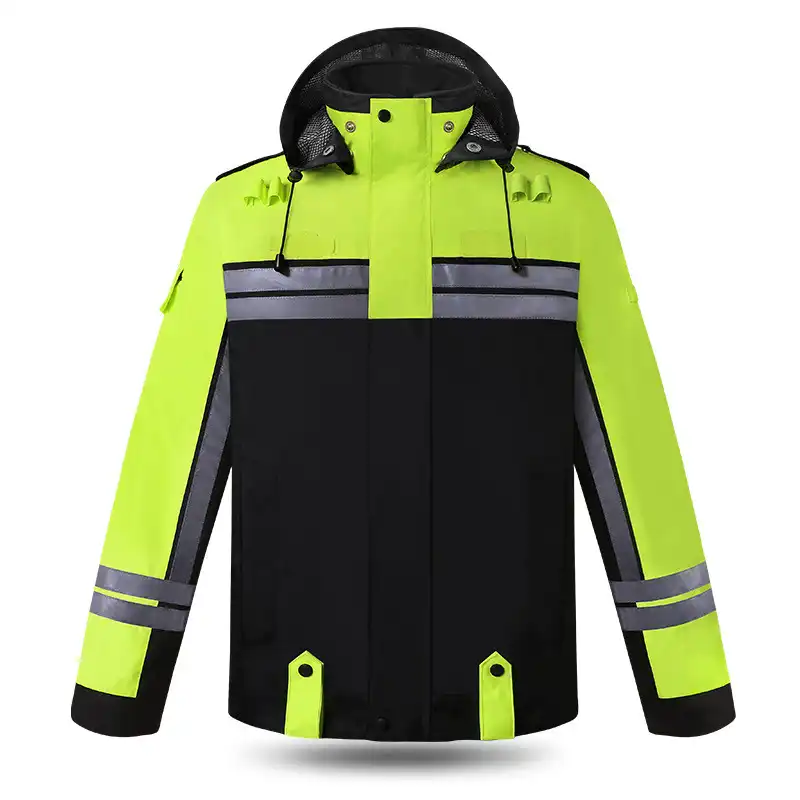
In workplaces where visibility can mean the difference between life and death, a reflective work waistcoat serves as critical personal protective equipment that significantly reduces workplace accidents. These high-visibility garments combine fluorescent fabrics with retroreflective tape to ensure workers remain visible in low-light conditions, foggy weather, or nighttime operations. According to occupational safety research, environments utilizing compliant high-visibility apparel experience measurably fewer struck-by incidents, making the reflective work waistcoat an indispensable safety investment across industries ranging from construction to logistics.
Understanding High-Visibility Safety Garments and Their Protective Function
What Makes These Safety Garments Different from Standard Clothing
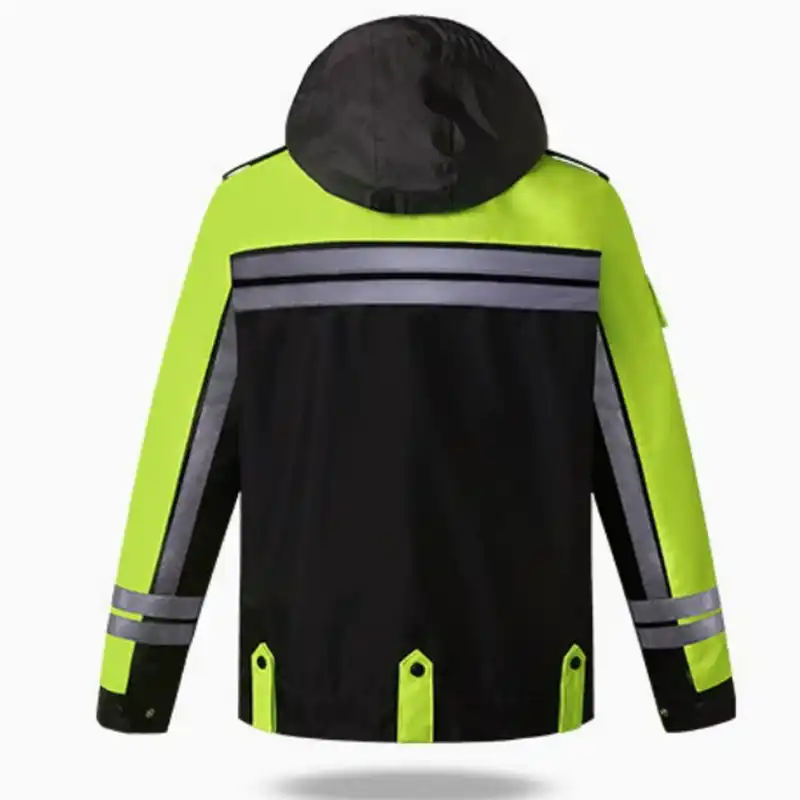
The way the Reflective Work Waistcoat works is very different from how other clothes work. Normal clothes soak up light, but this special safety outfit sends it straight back to where it came from. During night shifts, when car headlights or machinery lights hit the retroreflective tape, the light bounces back with great intensity, making a visual signal that lets operators know workers are there. The high-visibility background material, which is usually yellow or orange, makes the garment stand out during the day by turning ultraviolet light into visible light. This makes sure that the garment glows strongly even when it's cloudy outside.
Safety Standards That Define Industry Compliance
Companies that make high-visibility clothing have to follow strict international rules. In North America, ANSI/ISEA 107-2020 sets the rules for design and performance. It divides the products into three groups based on how much reflecting tape and background material can be seen. European markets follow EN ISO 20471, which also sorts clothes into groups based on how well they reflect light. These guidelines say how much surface area fluorescent cloth should have, where the reflective bands should go, and how well the retroreflective material must work in terms of light refraction after being washed several times. When buying safety vests for your employees, making sure they meet these standards is the best way to make sure they're actually protecting them and not just looking good.
Quantifiable Impact on Workplace Safety Outcomes
Data from the real world shows that high-visibility clothes works in dangerous places. Construction sites that require workers to wear compliant bright waistcoats report a big drop in accidents between vehicles and pedestrians at dawn and dusk. Warehouses that use these clothes see fewer injuries from forklifts because the clothes make it easier for operators to see ground workers even when the background isn't clear. The National Safety Council says that accidents involving sight are often caused by brain failures—drivers and operators just don't notice workers who are wearing clothes that don't follow safety rules. This problem with people is fixed by passive engineering rules like wearing the right high-visibility clothing.
Key Types and Features Tailored to Industry-Specific Demands
Lightweight Mesh Construction for Warm Climate Operations
Industries that work in hot places need safety gear that is comfortable and that workers will actually wear all the time. This need is met by lightweight mesh versions of the Reflective Work Waistcoat that are made from polyester tricot fabrics that weigh between 105gsm and 120gsm. These materials let air flow while keeping their structure stability, which is needed to support the placement of retroreflective tape. In the southern United States, where summer temperatures can make heavier clothes unpleasant for long jobs, the mesh construction comes in very handy. This design variant should be a top priority for procurement experts who work with outdoor speciality brands or building sites in warm areas to make sure compliance without sacrificing worker comfort.
Flame-Retardant Variants for Hazardous Industrial Settings
In some places of work, security goes beyond just being able to see. Clothes that won't catch fire or melt when touched by flames or sparks are needed in places like oil factories, chemical plants, and welding shops. Depending on the rules in place, flame-resistant high-visibility waistcoats are treated in a way that meets EN ISO 14116 or NFPA 2112. These specialised clothes are more expensive than regular ones, but they keep people from getting seriously hurt in flash fires. When regular polyester materials come in contact with fire, they melt and stick to the skin, burning it badly. Treated materials put out fires on their own, giving workers valuable seconds to get out of risky situations. When purchasing safety gear for petrochemical or electrical services, purchasing managers must make this trait clear.
Enhanced Functionality Through Practical Design Elements
These days, high-visibility clothes have extra features that go beyond basic safety needs. Multiple front pockets let workers carry important tools and personal items without lowering their visibility—the placement of the pockets must not cover the necessary amount of bright tape or fluorescent fabric. Elastic strips or adjustable side straps let people of different body types wear clothes that fit properly and don't move around while they're moving. Some high-end models come with LED lighting strips that are driven by small battery packs. These add active lights to the passive reflectivity. One of the hardest things for safety managers is making sure that workers actually wear their safety gear for the whole shift. These features that add value make it easier for workers to accept and consistently use the gear.
When making utility waistcoats for commercial use, manufacturers know that usefulness is what drives adoption. Workers are much more likely to wear safety gear when they actually find it useful, not just because they have to. This focus on people makes the difference between tools that just sit in closets and tools that save lives.
Selecting Appropriate Safety Apparel for Your Operational Environment
Conducting Thorough Hazard Assessment Before Procurement
Before you can choose the right Reflective Work Waistcoat, you need to know what dangers are in your workplace. When working next to a highway, road building teams face different risks than warehouse workers who work between racks. Traffic speed is the main factor that determines classification standards. When vehicles are moving faster, they need to be seen more clearly, so people usually have to wear Class 3 clothes that make them stand out from all sides. In lower-risk areas, Class 2 versions may be enough to protect people. When procurement experts visit a job site, they should look at the lighting, the amount of detail in the background, and how close they are to moving vehicles or machines. This evaluation of the field gives information that catalogue specs alone can't give.
Balancing Cost Efficiency with Long-Term Performance
When you buy in bulk, you have to look at the total cost of ownership instead of just comparing unit prices. A cheaper Reflective Work Waistcoat that stops working after fifteen washes costs more than a high-quality item that stays in good shape after fifty washes. Procurement workers should ask possible suppliers for wash cycle certification data to make sure that the garment's retroreflective performance stays above basic standards for as long as it is worn. To stay in line with ANSI/ISEA 107, the coefficient of retroreflection must be higher than 330 cd/(lx·m²). Cheap glass-bead bands wear out quickly, especially when they are worn down or washed over and over again. Premium micro-prismatic technology keeps reflection for a much longer time, which means that replacements are needed less often and administration is easier.
Customization Options That Enhance Brand Identity and Functionality
As part of corporate dress programmes, safety gear often needs to have the business logo on it. Custom logos and writing can be put on high-visibility clothing, but buying teams need to know how this changes certification. Standards call for minimum areas of clear bright fabric. Logos that are too big and cover too much background material can lower a Class 2 outfit to Class 1, which might not be legal for your purpose. Reputable makers help customers customise their orders in a way that follows the rules and places logos in places that still allow them to be seen. Welston gives customisation services with a minimum order size of 100 pieces, which lets businesses add their logo while still following all safety rules. Our design team works directly with procurement experts to make sure that unique images improve worker safety instead of putting it at risk.
Maintenance Protocols That Preserve Safety Performance Over Time
Washing Guidelines That Protect Retroreflective Properties
If you don't clean the shiny parts of the Reflective Work Waistcoat properly, they lose their ability to work. Bleach or optical brighteners in harsh cleansers can damage both the fluorescent cloth and the glass beads or micro-prisms that make it reflect light. Most manufacturers suggest using gentle cycles, light soaps that don't bleach, and water temperatures that don't go above 40°C (104°F). High-temperature drying speeds up wear and tear, so air drying or low-heat tumble drying makes clothes last longer. Industrial washing services that specialise in workwear know these rules and can clean high-visibility clothes without affecting performance. Companies that do their own laundry should write down rules and train the people who are in charge of cleaning.
Inspection Procedures That Identify Compromised Garments
Visual inspections done on a regular basis find problems before they become dangerous. Safety managers should check bright tape once a month to see if it is breaking, peeling, or losing its stickiness. When neon cloth fades, it stops standing out during the day. Colours should stay bright instead of being washed out. You can test the tape's retroreflective properties in the real world by shining a torch on it in a dark room. The tape should reflect light brightly when viewed from different angles. Any clothing that is clearly breaking down should be taken out of service right away. Keeping inspection logs shows that you did your research and helps you find sellers whose goods don't work well. This high-quality info is very helpful when negotiating a new deal.
Storage Practices That Maintain Garment Integrity
The environment in which safety gear is stored affects how long it lasts. Direct sunshine breaks down bright pigments, making them less visible during the day. Mildew grows on cloth when there is a lot of wetness. For proper keeping, you need clean, dry, climate-controlled areas that aren't near windows. Instead of being squished in bins, clothes should hang loosely. Being squished in bins can cause permanent lines that make it harder for reflective tape to stick. These easy rules will protect your investment in safety and make sure that workers get equipment that works as it should.
Sourcing Reliable High-Visibility Apparel from Certified Manufacturers
Partnering with Established Production Facilities
Many companies provide high-visibility gear worldwide, but not all offer consistent quality and safety. Shenzhen Welston Garments Co., Ltd. has made business suits and professional workwear for 26 years. We can handle large orders while maintaining quality with our three factories' ten manufacturing lines, run by more than 580 trained staff and equipped with cutting-edge JUKI and SHINLING equipment. Panasonic, Mercedes-Benz, Dell, Toshiba, and Toyota are among our industry leaders that trust us to provide safe, durable apparel that fulfills all criteria.
Verification Procedures That Ensure Supplier Credibility
Researching beforehand protects your firm from litigation and substandard items. Procurement teams should vet many vendors before making significant transactions. Request ANSI/ISEA 107 or EN ISO 20471 certification tests from certified laboratories. Ask for client suggestions and then follow up to see how satisfied they were with the product and delivery. Audit trail paperwork indicates how things are created and quality tested, so you can tell if a supplier employs consistent techniques. Welston's quality control includes photometric performance, wash cycle durability, physical stability, and seam strength. These measures ensure that every Reflective Work Waistcoat we ship meets or exceeds safety regulations.
Customization Capabilities That Address Specific Requirements
Standard catalogue products don't always meet an operation's needs. Customizable sizes for different workforces, pocket designs for tool storage, company branding placement, and color variations for departmental identification benefit the business. Starting at 100 pieces, Welston customizes materials, screen printing or heat transfer graphics, and packing. Technical questions will be answered within 24 hours by our customer care team. This ensures timely responses from experts. With this relationship, suppliers become safety friends, not vendors.
Technical compliance and fast service are valuable in North America. Corporate apparel manufacturers working with restaurants or uniform programs must ensure all large orders are the same size. Variations produce logistics issues and worker dissatisfaction. Our manufacturing procedures maintain size requirements over months or years due to strict regulations. Businesses with long-term apparel programs that need to be reordered need this dependability.
Conclusion
Worker safety in unsafe situations requires visibility. The Reflective Work Waistcoat comes in fitted fabrics and an appropriate design to make workers stand out in any light. From warehouses to construction sites, road maintenance to emergency response, these clothing passively prevent crashes and save lives. Learn about classification systems, test materials for stability, and collaborate with successful makers to find the ideal high-visibility gear. If you properly maintain your protective gear, it will last longer and work better. As workplace safety requirements change worldwide, the Reflective Work Waistcoat remains an integral part of complete PPE programs that prioritize worker health.
FAQ
1. How long does a reflective work waistcoat maintain its safety compliance?
How long does a Reflective Work Waistcoat stay safe? Cleaning and care are the major factors that determine a garment's lifespan. If cleaned according to manufacturer directions, most industrial-grade high-visibility waistcoats last 25–50 wash cycles. Retroreflective performance declines when wash cycles surpass the allowed limit because micro-beads fall off the tape backing or micro-prismatic structures blur. Organizations should track how often clothes are used and laundered to replace them before they wear out.
2. Can custom logos reduce a garment's safety classification?
Of course. Safety standards say how much clear bright background material must be on a minimum of a surface area. If logos or images are too big or cover too much exposed cloth, they can lower the classification level, which could mean the garment isn't legal for the purpose you want it to be used for. Reputable makers help customers customise their orders in a way that follows the rules. They do this by placing branding elements in places that still meet the visibility requirements while still giving the company its personality.
3. What differentiates Class 1, Class 2, and Class 3 reflective work waistcoats?
The stages of classification are directly linked to the total area of the tape and background that can be seen. Class 3 gives the best sight and covers the sleeves, making it suitable for places with a lot of fast traffic. Class 2 provides moderate safety, making it good for work zones and industry areas where car speeds are kept low. Class 1 is for low-risk tasks that need to be done in controlled areas with little car contact. Matching the label to the real dangers in the workplace makes sure that the right people are protected.
Partner with Welston for Your Reflective Work Waistcoat Needs
Work with a Reflective Work Waistcoat manufacturer with technical expertise and a reputation for excellence for workplace safety. Welston has served North American corporate uniform programs, European fashion businesses, and Middle Eastern hotels for 26 years. This shows our flexibility and quality commitment. Our high-tech manufacturers can rapidly and easily manage large orders and customize your safety program, setting it apart from common possibilities.
We recognize buying decisions include many persons and complicated evaluation considerations. Our technical team provides product details, certification papers, and sample clothing to try on before placing a production order. Flexible payment terms and timely shipping can alleviate global supply chain organisational issues. Contact Julia at [email protected] or visit welstongarments.com to discuss your Reflective Work Waistcoat needs to promote worker safety. We'll identify strategies to preserve your most valuable asset—your people.
References
1. American National Standards Institute, "ANSI/ISEA 107-2020: High-Visibility Safety Apparel and Accessories," International Safety Equipment Association, 2020.
2. European Committee for Standardization, "EN ISO 20471:2013 High Visibility Clothing: Test Methods and Requirements," International Organization for Standardization, 2013.
3. National Safety Council, "Injury Facts: Preventable Deaths and Injuries in the Workplace," National Safety Council Statistical Reports, 2022.
4. Occupational Safety and Health Administration, "High-Visibility Safety Apparel: Worker Visibility in Highway Work Zones," U.S. Department of Labor OSHA Technical Manual, 2021.
5. Transportation Research Board, "Effectiveness of High-Visibility Safety Apparel for Highway Workers," National Cooperative Highway Research Program Report 674, 2019.
6. Canadian Centre for Occupational Health and Safety, "High Visibility Safety Clothing: Performance and Selection Guidelines," CCOHS Safety Resources, 2020.
We specialize in designing, producing, and selling corporate clothing. Mainly produces: industrial clothing, business uniforms, and work clothes for different companies.

About Welston Garments


