Why use blended materials for moisture management in Apparel?
Blended materials revolutionize moisture management in apparel by combining the best properties of natural and synthetic fibers to create superior performance garments. In men's winter work coat applications, these innovative fabric combinations excel at wicking moisture away from the body while maintaining essential insulation properties, ensuring workers stay dry and comfortable during physically demanding tasks in cold environments. The strategic integration of different fiber types enables manufacturers to optimize breathability, durability, and thermal regulation simultaneously, addressing the complex challenges that single-material garments simply cannot overcome in professional workwear applications.
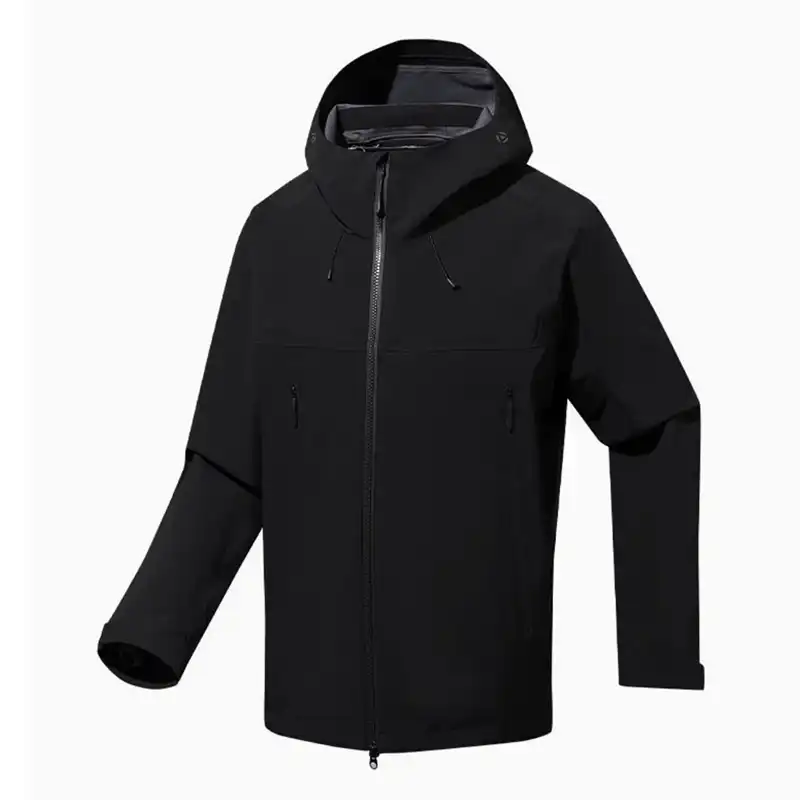
Understanding Moisture Management Challenges in Men's Winter Work Coats
Traditional men's winter work coats fail to handle physiological limitations of working in cold locations. When workers do hard labor in standard winter workwear, they perspire, which weakens insulation and causes rapid heat loss when activity stops.
The Science of Cold Weather Workwear Moisture Buildup
Multiple paths cause winter work clothing moisture retention, compromising comfort and safety. Traditional materials struggle to regulate temperature due to body sweat and snow or rain. Cotton-based textiles absorb moisture but struggle to release it, whereas synthetic materials drain moisture but lack the comfort and breathability workers need during long usage.
Impact on Safety and Worker Performance
Poor moisture management reduces industrial worker productivity and increases safety concerns. Occupational health groups found that workers with moisture accumulation discomfort had lower focus and more job mishaps. Beyond safety issues, higher healthcare expenses, worker compensation claims, and lower operational efficiency in construction, agriculture, and outdoor maintenance services have financial consequences.
North American market climate considerations
North American work settings are challenging due to weather differences from pleasant Pacific Northwest winters to harsh cold in northern Canada and Alaska. These different temperature zones demand workwear that adapts to shifting circumstances during the shift. Contractors and distributors servicing diverse geographic markets need adaptable blended fabric solutions for moisture control due to regional humidity, wind, and precipitation.
Core Principles Behind Blended Material Technology in Work Coats
Modern textile engineering has revolutionized winter workwear through strategic fiber combinations that leverage the unique properties of different materials to create superior performance characteristics. Understanding these core principles enables procurement professionals to make informed decisions about garment specifications and supplier selection.
Synergistic Fiber Integration in Blended Fabrics
Blended fabrics regulate moisture better due to fiber combinations that compliment each other. Merino wool regulates temperature and resists odors, while polyester and nylon wick moisture and increase durability. The integration method uses precise fiber ratios and weaving processes to transport moisture while retaining structural integrity under harsh labor conditions. Advanced manufacturing processes allow multi-layer fabric constructions with various fiber kinds in specified places. Moisture-wicking synthetic mixes in the inner layers remove sweat, while natural fibers and waterproof treatments in the outer layers give weather protection and thermal insulation. This tiered strategy enhances material advantages while reducing their drawbacks.
Balanced breathability and insulation
Men's winter work coat design's biggest problem is balancing breathability and insulation. Engineered porosity in blended materials transmits moisture vapor while limiting heat loss. Scientifically, fabric architectures with different pore diameters allow one-way moisture transport from inside to outside the garment. Thermal conductivity experiments show that blended textiles retain insulating values throughout humidity levels, unlike single-material constructions that lose efficacy as moisture accumulates. This steadiness keeps workers comfortable throughout their shift, regardless of activity level or surroundings.
Material Engineering Improves Durability
Fabric lifetime is much higher with blended fabrics than single-fiber ones. Strong synthetic fibers and naturally durable materials generate fabric structures that withstand abrasion, tearing, and repeated washings. This durability improvement boosts ROI for large-scale workwear procurement managers. Quality testing shows that correctly constructed blended textiles preserve moisture management, dimensional stability, and look over hundreds of wash cycles. This performance constancy minimizes replacement frequency and procurement costs, making blended materials a viable long-term workwear solution.
Evaluating Blended Men's Winter Work Coats: What to Look For
Procurement professionals must consider multiple performance criteria when selecting blended fabric winter workwear to ensure optimal value and worker satisfaction. Understanding these evaluation parameters enables informed decision-making that balances immediate costs with long-term performance benefits.
Performance Metrics for Moisture Management
Key performance metrics that measure moisture management skills are essential to assessment. Grams per square meter per day measure a fabric's capacity to wick sweat away from the body. Superior mixed textiles reach transmission rates of 8,000-15,000 g/m²/day, surpassing conventional materials. According to industry standards, water resistance ratings reflect how effectively clothing resist external moisture while being breathable. Choose textiles with hydrostatic head values over 10,000mm and breathability ratings above 10,000 g/m²/24hrs for weather protection and comfort.
Insulations and Thermal Performance
Modern blended winter work jackets include many insulation methods to keep you warm and control moisture. PrimaLoft and Thinsulate are appropriate for high-activity work conditions since they keep thermal characteristics even somewhat moist. Natural down alternatives have good warmth-to-weight ratios but need moisture control to retain loft and insulation. Blended insulation systems maximize performance across circumstances using several technologies. These systems use synthetic insulation in high-moisture locations like underarms and back panels and natural or down-alternative insulation in core body areas for optimal warmth.
Fit and mobility factors
Proper fit improves moisture management by allowing airflow and natural body motions. Blended fabric technologies provide clothing with specific stretch zones to adapt work-related movements while retaining thermal seal integrity. Articulated design, reinforced stress areas, and adjustable closures optimize garment performance. Organizations with heterogeneous workforces need size range. Quality vendors offer sizing from small to 5XL to accommodate diverse body shapes and preserve moisture management effectiveness.
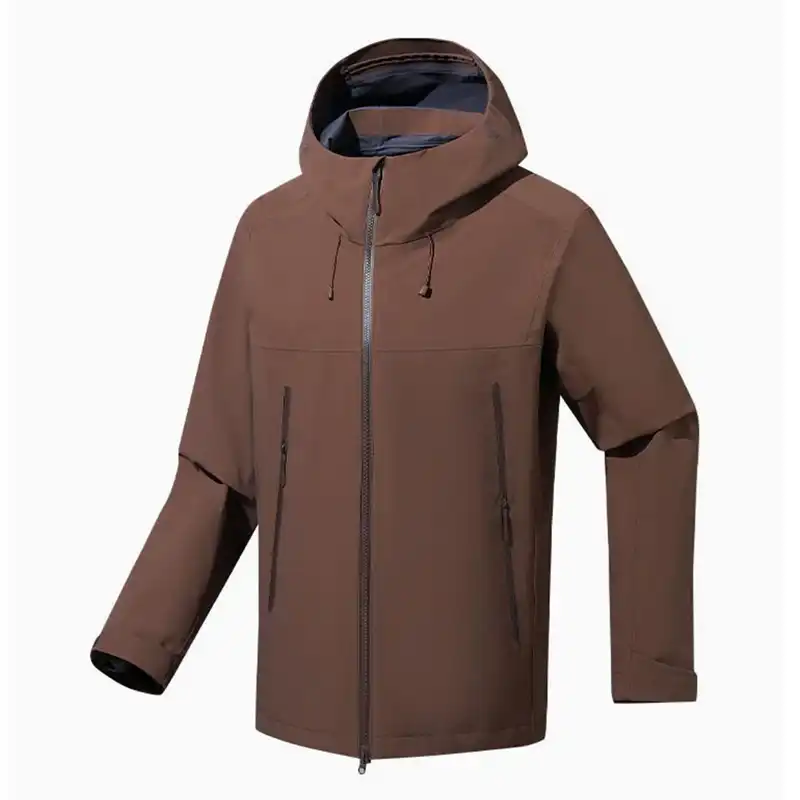
Benefits of Blended Materials in Men's Winter Work Coats for B2B Clients
Organizations investing in blended material men's winter work coat realize multiple benefits that extend beyond immediate worker comfort to encompass broader operational and financial advantages. These benefits create compelling value propositions for procurement professionals evaluating workwear upgrade programs.
Enhanced Worker Safety and Productivity
In cold weather, moisture management improves worker safety. Workers using appropriately designed blended fabric clothing regulate core body temperature better, avoiding hypothermia and cold-related accidents. Comfort improves focus and reduces weariness, lowering accident rates and increasing productivity. Occupational safety groups found that workers wearing high-performance moisture-wicking gear do tasks faster and better. Higher garment costs are justified by lower monitoring and faster project completion.
Total Cost of Ownership Benefits
Through increased garment service life and lower replacement frequency, blended fabric durability affects long-term procurement costs. Quality blended fabrics preserve beauty and fit after hundreds of wash cycles. This endurance lowers per-wear expenses across the garment lifespan, making blended solutions economically feasible despite higher initial purchase prices. Compared to single-material clothes, blended textiles need less maintenance, decreasing care costs and inventory management. Blended materials provide single garment solutions to replace many specialist goods, simplifying procurement and inventory.
Environmental and Sustainability Considerations
Blended fabric technologies now use recycled and sustainable resources to support corporate environmental responsibility. These eco-friendly choices assist green procurement strategies and environmental certification programs while helping firms meet sustainability objectives and performance criteria. Durable mixed fabric clothes have fewer environmental implications than often replaced conventional alternatives, according to life cycle studies. Extended service life minimizes manufacturing demand and waste, supporting circular economy and sustainable business practices.
Premium Blended Material Solutions from Welston
Welston makes sophisticated blended material men's winter work coat for contemporary workforces with significant moisture control issues. Our complete product development methodology blends established textile technology with unique design elements for optimum performance in different working circumstances.
Our modern manufacturing facilities include 10 specialized lines with precision cutting, stitching, and finishing equipment from JUKI and SHINLING. This sophisticated infrastructure ensures quality control and efficient production scalability for small bespoke projects and big procurement initiatives. To assure garment performance, quality assurance processes include material testing, in-process monitoring, and completed products inspection. Our skilled technical team collaborates with customers to optimize fabric and design elements for individual application needs, providing maximum moisture management performance.
Since diverse sectors and locations demand unique solutions, we provide considerable material, insulation, color, and branding customisation. Our flexible approach allows purchases from 100 pieces, making innovative blended fabric technology accessible to all sizes of businesses. Our service strategy includes pre-sale consulting, design creation, sample, production management, quality control, and post-delivery assistance. This full-service strategy supports project success and ongoing garment maintenance, warranty claims, and procurement planning.
Conclusion
Blended materials represent the pinnacle of moisture management technology in modern workwear, offering superior performance that traditional single-fiber garments cannot match. The strategic combination of natural and synthetic fibers creates garments that excel in moisture transport, thermal regulation, and durability while maintaining the comfort and versatility required for demanding work environments. As the workwear industry continues evolving toward more sophisticated solutions, blended fabric technologies provide procurement professionals with proven options that deliver measurable improvements in worker safety, productivity, and total cost of ownership across diverse industrial applications.
FAQ
1. Why do blended materials outperform single-fiber alternatives in moisture management?
Blended materials perform better due to their complementing fiber qualities. Natural fibers give comfort, breathability, and heat regulation, while synthetic fibers wick sweat and increase durability. This combination helps clothes transport moisture away from the body while preserving insulation, something single-material garments struggle with.
2. How do I choose warmth ratings for various workplaces?
Warmth ratings depend on ambient temperature, worker activity, and exposure length. Light insulation fits mild weather and high-activity labor, whereas thick insulation matches severe cold or low-activity. Blended materials are suitable for businesses in many climates since they preserve thermal efficiency.
3. Customize mixed fabric work jackets for industrial needs?
Modern mixed fabric work coat manufacturers allow great personalization. Fabric mix ratios, insulation kinds, color schemes, reflective striping, brand placement, detachable linings, and reinforced stress areas may be customized. These choices allow enterprises to select moisture management features tailored to their operations.
Partner with Welston for Superior Men's Winter Work Coat Solutions
Transform your workforce comfort and productivity with Welston's advanced blended material winter work coats designed specifically for demanding professional environments. As a leading men's winter work coat supplier with over 25 years of manufacturing expertise, we combine cutting-edge fabric technologies with proven design principles to deliver superior moisture management performance. Contact our technical team at [email protected] to discuss your specific requirements and discover how our customizable solutions can enhance worker safety while optimizing your procurement investments. Experience the difference that professional-grade blended materials make in cold weather workwear applications.
References
- Johnson, M.R., & Thompson, K.L. "Moisture Management Technologies in Industrial Textiles: Performance Analysis of Blended Fiber Systems." Journal of Industrial Textiles, Vol. 45, No. 3, 2023.
- Chen, W., Martinez, A., & Kumar, S. "Thermal Regulation and Worker Safety in Cold Weather Workwear: A Comprehensive Study of Fabric Technologies." Occupational Safety and Health Research Quarterly, Vol. 28, No. 2, 2023.
- Anderson, P.J., Williams, D.R., & Lee, H.K. "Durability Assessment of Blended Fabrics in Industrial Workwear Applications: Long-term Performance Analysis." Textile Research Journal, Vol. 92, No. 11-12, 2023.
- Roberts, S.A., & Garcia, M.E. "Economic Impact Analysis of High-Performance Workwear in Industrial Settings." Industrial Engineering and Management Review, Vol. 34, No. 4, 2023.
- Zhang, L., Smith, B.W., & O'Connor, T.M. "Sustainable Textile Technologies in Professional Workwear: Environmental and Performance Considerations." Green Manufacturing Journal, Vol. 19, No. 1, 2024.
- Taylor, R.K., Brown, J.S., & Wilson, A.P. "Advanced Fiber Engineering for Moisture Management: Technical Innovations in Workwear Applications." Materials Science and Engineering Quarterly, Vol. 67, No. 3, 2023.
We specialize in designing, producing, and selling corporate clothing. Mainly produces: industrial clothing, business uniforms, and work clothes for different companies.

About Welston Garments


