Best FR Hoodie for Electricians: Safety & Comfort
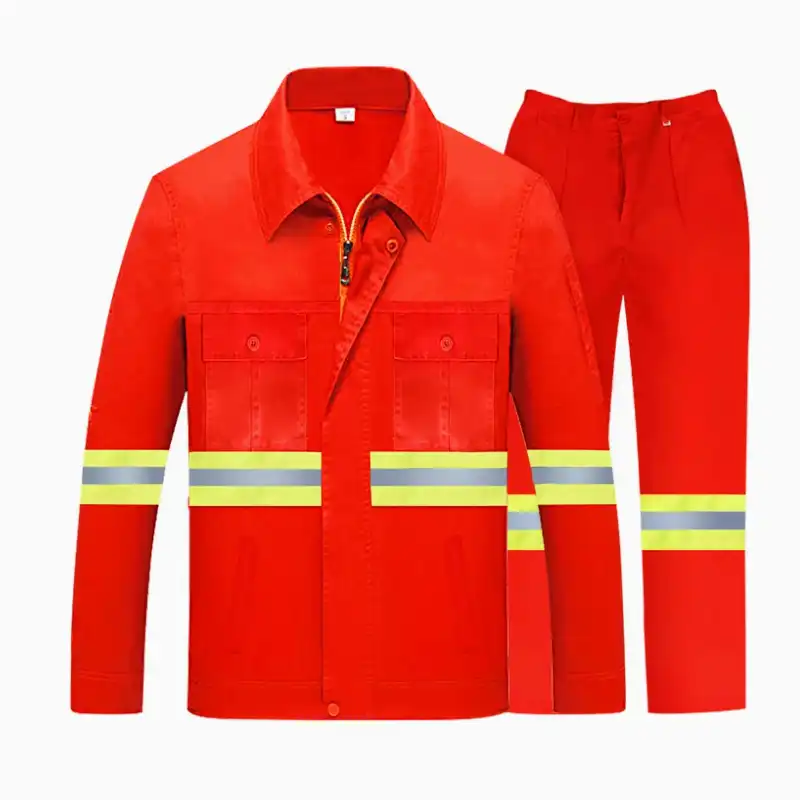
This flame-resistant FR Hoodie jacket is great for electricians. It must comply with safety standards and work well when it counts. Self-extinguishing flame-resistant materials and breathable construction safeguard electrical workers from arc flashes and heat risks without limiting their comfort or mobility during long shifts. These specialist garments are made from NFPA 70E and ASTM F1506-compliant treated cotton or modacrylic mixtures. They provide reliable protection in cold-weather installations and high-risk electrical conditions for economical, long-term worker safety expenditures and endure as long as procurement managers want.
Introduction
Electrical fires and arc flashes are among the special threats that electricians face on a regular basis, thus wearing protective gear is essential. In this situation, flame-resistant (FR) hoodies are crucial because, in contrast to ordinary hoodies that might melt into the skin, they put out flames when the ignition source is removed. To ensure worker safety and compliance, it is essential to comprehend industry standards like as NFPA 70E and ASTM F1506. In order to guarantee the safety and comfort of electricians, this guide will assist B2B purchasers in navigating the technical specifications, maintenance requirements, and supplier selection.
Understanding FR Hoodies for Electricians: Safety First
What Makes an FR Hoodie Different
The main difference between a regular hoodie and a FR Hoodie is the chemical structure of the cloth. Flame-resistant materials are made so that they don't catch fire and put out themselves quickly when they come into contact with flames or arc flashes. In these special fabrics, either fibres that don't catch fire easily, like Nomex or modacrylic, are used, or cotton is treated with chemicals that stop flames at the molecular level.
In just a few moments, an arc flash can raise the temperature to 35,000 degrees Fahrenheit. Normal synthetic materials melt and stick to the skin, giving you third-degree burns. Cotton starts to burn and keeps going. When a FR Hoodie is exposed to high heat, on the other hand, it chars and thickens, making an insulating shield that protects the user. Once the heat source is removed, the cloth goes out on its own.
Critical Safety Standards and Compliance
Electrical workers must observe safety requirements. ASTM F1506 specifies flame-resistant material performance for protective gear, while NFPA 70E specifies electrical safety program standards including arc-exposure apparel based on energy levels. Most electricians require 8-12 cal/cm², but high-risk procedures may require 40 or more. Arc Thermal Performance Value (ATPV) measures a fabric's energy tolerance without second-degree burns. FR hoodies over FR shirts increase protection to CAT 3 or above. For multinational businesses, European standards like EN ISO 11612 set strict fire and heat-resistant garment performance requirements.
Why Electricians Need Specialized Flame-Resistant Protection
Electricians face electrical dangers, especially arc flashes during equipment troubleshooting and substation repairs. The National Fire Protection Association reports over 2,000 burn center visits in the US each year, many of which could have been prevented with flame-resistant apparel. FR Hoodies protect the head, arms, and chest from arc flashes. Instead of flammable synthetic padded coats, it provides warmth in cold weather without compromising safety, making it ideal for outdoor electrical work.
Key Features to Consider When Buying an FR Hoodie for Electricians
Fabric Technology and Material Composition
Fabric technology strongly affects flame-resistant garment comfort and safety. Modacrylic blends and other naturally flame-resistant materials, sometimes coupled with cotton for breathability, provide full-lifetime protection. Chemical treatments give treated FR cotton flame retardants at low cost. However, strict laundering restrictions are needed to maintain safety for 50 to 100 washes, with decreasing protection with time. In heavy industrial situations where strength and flame resistance are essential, Nomex and aramid mixtures provide excellent thermal protection and endurance for high-performance requirements.
Design Elements That Enhance Safety and Functionality
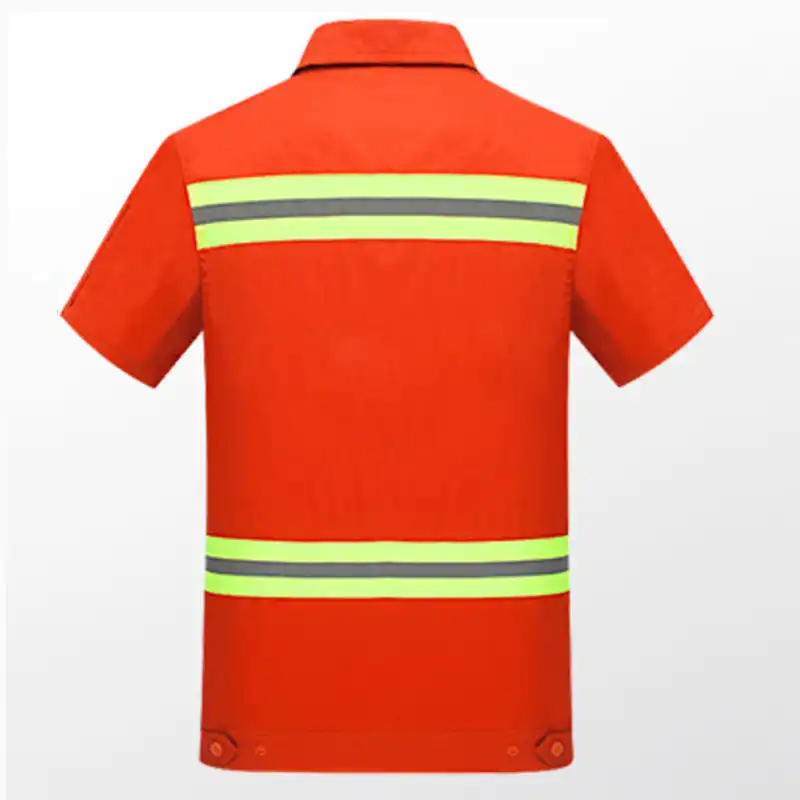
Safety depends on a FR Hoodie's hood design, which must cover enough without blocking hearing protection or peripheral vision. Drawstrings should be flame-resistant instead of nylon or polyester, which melt. Full-zip styles are easy to wear and ventilate better than pullovers. Established manufacturers utilize heat-resistant zippers with metal parts that can withstand high temperatures. For durability, all pockets must be made of flame-resistant fabric with reinforced stress points, and chest pockets must be placed to avoid safety harness interference. Some designs contain hidden holes to prevent electrical equipment snagging.
Comfort Features for Extended Wear
FR Hoodies must balance comfort and safety because electricians perform long shifts in dangerous conditions. Workers rarely wear uncomfortable PPE, even if necessary. Modern FR materials drain perspiration away from the skin, boosting comfort and flame resistance. Places with mesh linings for ventilation and safety may be useful. Lightweight options offer protection without bulk and mobility at 9–12 ounces per square yard. Clothing shouldn't be too tight or loose around electrical panels for flexibility and safety.
Choosing the Best FR Hoodie: Decision Support for Procurement Managers
Evaluating Arc Thermal Performance Ratings
Understanding ATPV ratings helps choose work gear for certain hazards. Superior protection often comes with additional weight and restricted airflow. The Arc Thermal Performance Value displays how much energy a cloth can withstand without second-degree burns. Thermal Protective Performance (TPP) ratings assess convective and direct heat protection for oil and gas electricians exposed to hydrocarbon fires. Arc flash hazard analysis helps identify work dangers and choose PPE. A CAT 2 FR Hoodie (4-8 cal/cm²) is suitable for most electrical work, but higher-risk scenarios may require clothing rated at 12 cal/cm² or more.
Bulk Procurement and Customization Options
Businesses benefit from partnering with FR clothing suppliers who can handle large orders; these suppliers sometimes provide tiered savings starting at 50 units and rising at 200 or more. Reputable providers stock many sizes to avoid delivery delays caused by smaller suppliers. Businesses with branded clothing programs need flame-resistant thread and backing for FR Hoodie logo stitching. Regular stock ships in a few days, but fully customized designs can take four to six weeks and custom embroidery two to three weeks. Plan ahead to avoid safety equipment supply gaps.
Practical Guidelines: Maintenance and Care of FR Hoodies
Proper Laundering Techniques
FR clothes need proper care to stay flame-resistant. Industrial washing is better since professional services don't use bleach or fabric softeners, which can compromise protection. Home washing is fine, but brighteners, hydrogen peroxide, and chlorine bleach can damage flame-resistant treatments. Dryer sheets and fabric softeners are banned for their flammable residues. Inherent FR textiles function best in warm or cold water, however treated ones should be washed below 160°F. Dry clothing on low to medium heat and remove them immediately to avoid creases.
Inspection and Replacement Protocols
Routine inspection must be implemented to discover defective clothing before major breakdowns. Weekly visual examinations should focus on shoulders and elbows, where holes, tears, or thinner fabric require immediate repair. Regularly inspect zippers; damaged or jammed zippers ruin functioning and shouldn't be fixed. Certification labels must be readable to ensure accurate care and safety ratings; if they are not, discard the clothes. Finally, treated FR textiles must be discarded after 50 to 100 washes. When wear indicators appear, replace inherent FR materials.
Common Mistakes That Compromise Protection
A few common mistakes can reduce FR Hoodies' effectiveness. If contaminated with oils or solvents, they must be washed or replaced to maintain flame resistance. If not stored in dry, clean locations away from chemicals and direct sunshine, FR Hoodies will wear out faster. UV rays destroy fibers. Repairs require flame-resistant materials; normal fabrics and threads weaken protection. Complete electrical protection requires flame-resistant foundation layers.
Purchasing FR Hoodies: Procurement Insights and Brand Trust
Identifying Reliable Suppliers and Manufacturers
Flame-resistant clothing must be purchased from vendors who follow safety norms and high standards. Authorized merchants and direct producers sell approved products with documents, while unauthorized vendors sell doubtful goods. Check the seller's credentials because reliable vendors work with reputable testing facilities and understand Asia-Pacific, Europe, and North American compliance. Welston has been making excellent FR Hoodies for about 30 years and uses cutting-edge technology and strict quality control to meet discriminating B2B customers worldwide.
Bulk Ordering and Custom Branding Services
Buying in bulk offers many advantages beyond lower unit costs. Welston, a popular merchant, stocks many sizes to avoid rollout delays. We ensure quality for 100-5,000-piece orders. Our customizing services improve safety equipment with skilled branding using approved materials and methods to maintain flame-resistant certification. We work with sourcing managers to combine style and safety, and we can customise with a 100-piece minimum.
Delivery Reliability and Customer Support
Safety programs need reliable lead times. 1 to 50 pieces take 10 days, 51 to 200 in 15 days, and 201 to 500 in 20 days. Special schedules are offered for larger orders. Our dedicated customer support team answers queries within a day to help procurement decisions. Serving worldwide clients like Toyota and Panasonic shows our ability to meet high quality and delivery needs across industries. We understand local market needs, from high-visibility features in North America to eco-friendly methods in Europe and customization options in Asia-Pacific.
Conclusion
To choose the best FR Hoodie for electricians, you need to pay close attention to the technical details, the comfort features, and how reliable the provider is. These specialised clothes are important safety equipment that keeps your employees from getting accidents that could have been avoided. They also help them be more productive by being well-designed and comfortable to wear. Procurement pros can make choices that meet safety needs and budget limits by learning about ATPV grades, fabric technologies, and related compliance standards.
Maintaining clothes properly and following set checking procedures will make them last longer and keep protecting you. When you work with experienced makers who know how complicated flame-resistant clothing can be, you get high-quality goods backed by helpful customer service and dependable fulfilment. Reduced injury rates, better compliance, and increased worker confidence when performing high-risk electrical jobs are all benefits of investing in high-quality FR Hoodies.
FAQ
1. Can I layer a standard sweatshirt under my FR Hoodie for extra warmth?
Never wear clothes that aren't flame-resistant under clothes that are. Even with flame-resistant top layers, standard cotton or synthetic base layers will catch fire during an arc flash or fire, causing serious burns. To keep your whole clothes system completely safe, only use FR-rated base layers.
2. How often should we inspect FR Hoodies in our inventory?
Visual checks should be done once a week on clothes that are being worn, looking for tears, thinner fabric, and broken buttons or zippers. Do more detailed checks every three months, checking that the labels can be read and keeping track of the wash cycle for treated fabrics. Replace any clothing that is clearly worn out or that has reached the maximum number of washes that it can handle.
3. Do FR Hoodies work in hot weather or only cold climates?
Quality FR Hoodie function across diverse temperature ranges. Flame protection without too much insulation is available in choices that weigh about 9 ounces and are good for milder temperatures. Heavier weights keep you warm in cold weather. Instead of thinking that FR clothes are only good for winter, choose the right weight and breathable features for your job.
Partner With Welston for Your FR Hoodie Requirements
Welston offers approved flame-resistant clothing that is backed by 27 years of manufacturing experience and a track record of success in tough industrial settings. Our FR Hoodie supplier skills include technical knowledge of safety standards and adaptable customisation services that help with branded uniform programmes without lowering the safety ratings. With three factories and ten dedicated lines, we can keep up a lot of production. This means that we can reliably fill big orders that range from one-time 100-piece programmes to long-term deals for thousands of units every year.
Reach out to our team at [email protected] to talk about your unique FR Hoodie needs. We'll give you full product specs, certification paperwork, and quotes that are tailored to your workforce size, safety level needs, and delivery schedule. Our helpful customer service will make sure you get useful advice at every step of the buying process, from creating the initial specifications to managing reorders over time. Work with a company that knows that good flame-resistant clothing is an important investment in the safety of your employees and the compliance of your business.
References
1. National Association for Fire Protection. (2021). NFPA 70E is a standard for electrical safety at work. Publications of the NFPA, Quincy, MA.
2. The International ASTM. (2020). ASTM F1506 is a standard for flame-resistant and arc-rated textiles that can be used to make clothing for electrical workers who are exposed to momentary electric arcs and other thermal hazards. ASTM International is based in West Conshohocken, Pennsylvania.
3. European Group for Standardisation. (2019). Protective clothing—clothing that keeps you safe from fire and heat—is defined by EN ISO 11612. Brussels: Publications of the CEN.
4. International Foundation for Electrical Safety. (2022). An in-depth look at arc flash and flame-resistant clothing for electrical workers. The ESFI Press is in Arlington, VA.
5. National Institute for Health and Safety at Work. (2020). Evaluation Criteria for a Suggested Standard: Arc Flash Hazards at Work. Publications from NIOSH in Cincinnati, OH.
6. There is an American Society of Safety Professionals. (2021). Choose and take care of flame-resistant clothing: best practices for workplace safety programmes. Technical Publications of ASSP, Park Ridge, IL.
We specialize in designing, producing, and selling corporate clothing. Mainly produces: industrial clothing, business uniforms, and work clothes for different companies.

About Welston Garments


