How to Choose Reflective Work Waistcoat for Construction?
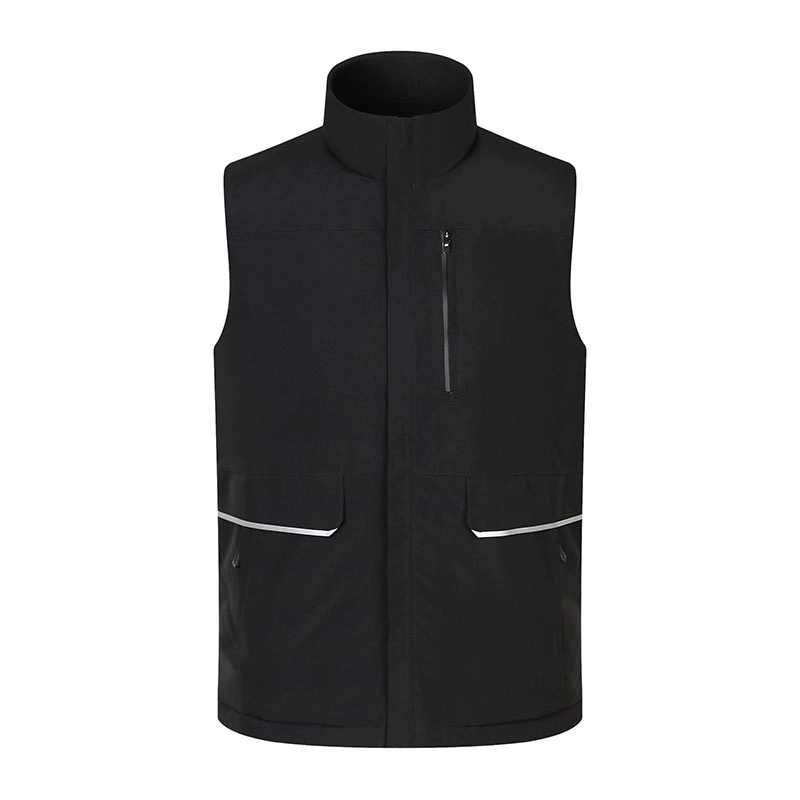
When selecting a reflective work waistcoat for construction, it's best to look for one that satisfies safety regulations (ANSI/ISEA 107 or EN ISO 20471), is composed of breathable materials or sturdy polyester mesh, has reflective tape on the front and back of the torso, and has practical features like pockets and adjustable closures. The visibility of employees, their adherence to regulations, their comfort level during extended shifts, and the overall lifetime value of your procurement investment are all directly impacted by these aspects.
Introduction
Reflective work waistcoats are crucial for safety since construction sites pose special visibility dangers. These vests reduce heavy machinery accidents and comply with OSHA regulations by improving worker visibility through the use of bright fabrics and retro-reflective film. Welston has 27 years of experience and is aware of how appropriate safety equipment affects attitudes at work. In order to help procurement experts manage compliance, budget, and durability while maintaining reflective properties for optimal safety, this handbook includes technical specifications, licensing needs, material quality, and smart purchase tactics.
Understanding Reflective Work Waistcoats and Their Safety Benefits
What Defines a Construction-Grade Safety Vest
A reflective work waistcoat is a passive safety device designed to reflect light directly back to the source from external sources such as headlights, torches mounted on equipment, or small bulbs. Under the correct circumstances, machine supervisors may see employees from almost 1,000 feet away thanks to this retro-reflective feature, which creates a bright, striking impression. By converting ultraviolet light into visible wavelengths, the safety yellow or orange fluorescent background cloth makes people stand out during the day. This makes them more noticeable against complex visual backgrounds like steel frames, concrete forms, and dirt piles.
In addition to being aesthetically pleasing, designs must meet specific requirements for building applications. Reflective work waistcoats are preferable than long-sleeved shirts when it's hot outside or you need to perform physically demanding tasks. When utilizing power equipment, climbing stairs, or transporting objects, workers enjoy having unrestricted arm movement. In addition to keeping you cool in the summer, a well-made construction vest with air-flowing polyester mesh sections will shield the vest's structural integrity from wear and tear.
How Reflective Technology Prevents Accidents
Reflective tape functions by inserting glass beads or micro-prismatic technology into flexible polymer layers. Tens of thousands of small spherical components make up glass bead systems, which use reflection to bend light coming from the source back towards the source. Geometric patterns of tiny prisms that function similarly by reflecting light back into themselves are used in micro-prismatic tape. Both technologies must continue to function even after being subjected to industrial cleaning procedures, perspiration, oil splashes, and UV radiation from prolonged sun exposure.
Studies on accident reconstruction have established guidelines for tape placement that consider accessibility and ergonomics. People who use tools can easily recognize human silhouettes made by horizontal bands around the waist. The vertical shoulder straps allow workers to remain visible when they bend, squat, or turn sideways. No matter where you are or how you are viewing it, the blended design makes it shine out from every perspective. The frequency of turning accidents that occur when equipment operators turn around and strike people who weren't in their direct line of sight has decreased because to this geometric structure.
Design Elements That Optimize Performance
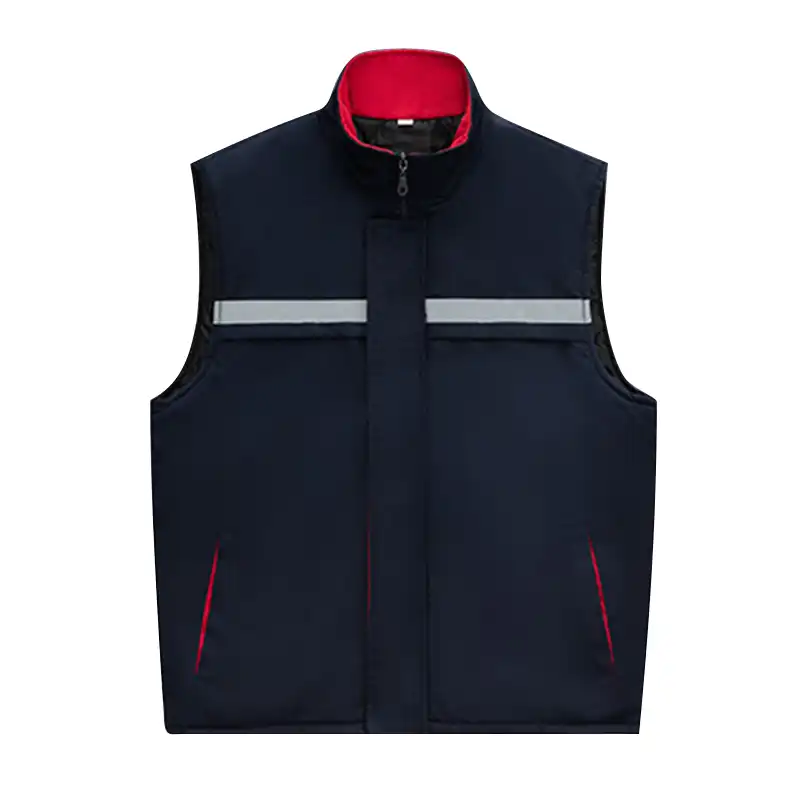
Contemporary building jackets satisfy both the practical requirements of the job site and the urge to be noticed. Heavy-duty zippers provide a secure fit while traveling, while hook-and-loop attachments make it simple to put on and take off. Cell phones, writing instruments, and measuring lines can all fit in the front pockets without sacrificing the bare minimum of background fabric. Because the side straps are adjustable, you may customize the fit to meet your body shape and wear it over various outfits as the seasons or workdays vary.
People's compliance with the regulations is directly impacted by their level of comfort. When their supervisors are not around, employees frequently remove their safety belts if they believe they are too hot, too tight, or don't fit properly, which reduces their protective value. We've discovered that the ideal balance between being sturdy enough to stay in place and being airy enough to wear all day is found in lightweight mesh construction that weighs between 105 and 130 grams per square meter. Vests may fray if they become entangled on the rebar, wooden edges, or equipment protrusions that are frequently found on busy construction sites. This is prevented by reinforced binding along the edges.
Essential Criteria for Choosing the Right Reflective Work Waistcoat for Construction
Understanding Safety Certification Standards
ANSI/ISEA 107-2020, which sets performance standards for high-visibility apparel in the US, divides them into three classes according to the quantity of reflective tape and backdrop material. Class 2, which is appropriate for work sites with vehicles moving at up to 50 mph, calls for 775 square inches of backdrop cloth and 201 square inches of reflective material. Class 3 provides the best visibility, including sleeves, which are necessary for working on highways or at night in close proximity to moving traffic. The EN ISO 20471 standards used in European markets are different in terms of testing and measurement. Labels with certification information are shown on certified clothing, and assessments include independent testing reports to make sure they satisfy durability standards, such as color retention, tear resistance, and reflective tape performance under different circumstances.
Evaluating Material Quality and Durability
Because of its breathability, strength-to-weight ratio, and resistance to microorganisms from perspiration, polyester mesh is the most popular material for vest construction. Its knit structure preserves vivid neon colors while permitting airflow. Although they provide less ventilation, solid polyester tricot textiles improve durability under challenging circumstances. PVC-coated materials are utilized in some applications to provide protection from chemicals, water, and cement slurry. The durability of a vest is greatly influenced by the quality of the fabric, thread, and stitching density; industrial-grade polyester thread keeps seam failures at stress locations at bay. Professional-grade jackets also use heat-activated glues and sewed tape ends for longevity because the adhesive on reflective tape can deteriorate with temperature fluctuations.
Functional Design Features for Construction Applications
Vest pocket designs should minimize snag risks and preserve necessary background fabric areas while accommodating workers' tools and devices. Smartphones, two-way radios, and multi-tools are perfect for carrying in lower belt pouches, and some designs have mesh slots for ID cards. Even though extra-large pockets can seem practical, they might cause pain by bulging and interfering with the vest's fit. Closure techniques vary according to the demands of the job; break-away designs avoid entanglement in machines, zippers offer security, and hook-and-loop fasteners enable fast changes. Additionally, by distributing weight equally across the shoulders and encouraging improved posture, lightweight vests (200–250 grams) aid in maintaining comfort during extended shifts.
How to Choose High-Visibility Workwear: Comparing Waistcoats, Jackets, and Bulk Purchasing Strategies
Waistcoats Versus Full Jackets
Mobility against weather protection is the primary trade-off between vests and jackets. Reflective work waistcoats satisfy visibility requirements and are perfect for applications requiring arm movement, such electrical work and concrete finishing, in moderate weather. In southern states and in the north from spring to fall, this open-arm style is common on building sites. Full-sleeved shirts, on the other hand, might limit movement and result in overheating even though they offer essential warmth and wind and rain protection. Vests are often 20% to 40% less expensive, making them an economical option. However, a mix of high-quality vests and a few weather-specific jackets provides both cost-effectiveness and balanced protection.
Assessing Leading Manufacturers
A number of well-known North American manufacturers, like ML Kishigo, Occunomix, and Radians, have long provided reliable quality and timely customer service to the building, utility, and transportation sectors. Mid-tier alternatives are a wonderful deal for durability without the premium cost because their varied product lines exceed approval standards and cater to a range of price points. For large purchases, foreign suppliers—especially those in Asia—can offer cost reductions, but it's important to confirm quality claims and carry out trials because some might not satisfy North American requirements. At Welston, we provide customisation choices including color schemes and logo printing, enabling businesses to design branded uniforms that improve their reputation and lower theft.
Managing Bulk Orders and Pricing Strategies
Larger orders result in lower prices per unit because of volume discounts, which is advantageous for construction firms overseeing several locations or long-term projects. When ordering 100 to 1,000 units, purchases across departments can be combined to save 10 to 35 percent. Buying teams must, however, take into account storage expenses as well as the possibility that existing stock would become outdated due to specification revisions. Custom orders may take an extra seven to ten days or more for intricate designs, while conventional vests usually arrive in three to five days. To meet the cash flow requirements of contractors associated with project billing cycles, Welston provides flexible payment options.
Practical Procurement Guide: How to Source and Order Reflective Work Waistcoats
Identifying Qualified Suppliers
Procurement professionals should evaluate potential suppliers beyond just pricing. Certification documents, such as ISO 9001, indicate a company's commitment to quality management and adherence to safety standards. Requesting material test results for reflective qualities and dimensional stability ensures specifications are met. Additionally, assessing a supplier's production capacity is crucial for meeting order quantities and deadlines. Welston, with three plants and over 580 workers, can reliably fulfill demands from regional contractors to national programs, even amid supply chain disruptions. While domestic suppliers offer quicker restocking, international providers may reduce costs, making hybrid strategies the most effective for balancing cost and flexibility.
Customization Options and Considerations
When placing a logo on safety vests, it’s important to balance brand visibility with safety regulations regarding background fabric. Positioning the logo on the chest enhances recognition during face-to-face interactions, while shoulder placements ensure visibility from behind. We guide customers through layout options to ensure custom graphics enhance safety. Printing methods affect durability and appearance; screen printing offers vibrant colors for intricate designs, while heat transfer provides wash stability. Although embroidery adds a premium look, it's costlier and better suited for management. ANSI/ISEA 107 standards dictate bright yellow-green or orange-red backgrounds, and we assist in developing compliant color schemes that align with business needs without resembling emergency gear.
Minimum Order Quantities and Supplier Evaluation
Most manufacturers set minimum order quantities based on production setup costs and efficiency. Standard stock vests typically have low or no minimums, while custom printing orders usually require a minimum of 100 pieces to cover setup and material waste. This quantity is suitable for construction companies with 20 to 50 workers. Evaluating suppliers should include checking references from current customers in similar industries to gain insights into product quality and customer service. Before making large purchases, it’s essential to request pre-production samples to assess fabric quality and reflective features. Testing these samples through multiple wash cycles can prevent costly mistakes during full production.
Maintenance, Longevity, and Enhancing Worker Safety Over Time
Proper Cleaning and Care Protocols
Industrial washing processes can compromise safety vests by exposing them to harsh conditions, including high-speed extraction, temperatures above 160°F, and strong detergents. Manufacturers typically recommend a maximum of 25 to 50 wash cycles, depending on the material, so procurement managers should monitor vest lifecycles to ensure timely replacements before reflective performance declines. Washing in cold or warm water helps preserve adhesives and prevents fluorescent fabrics from fading. Spot cleaning with mild soap instead of full washes can maintain cleanliness while extending the vests' lifespan, reducing the frequency of replacements and enhancing overall durability on construction sites.
Storage and Inspection Best Practices
Proper maintenance is crucial for prolonging the life of safety vests. Hanging them instead of folding prevents creases in the reflective tape, which can impair visibility. Storing vests in cool, dry places away from direct sunlight protects fluorescent and shiny materials from UV damage. Adequate airflow helps prevent mildew growth from sweat, especially in humid environments. Regular visual inspections should be conducted monthly to identify issues like peeling tape or torn fabric, with clear guidelines for removing compromised vests from service. Additionally, using retro-reflectometers for reflection testing ensures vests meet safety standards, preventing the use of non-compliant gear that could lead to liability issues.
Case Studies in Successful Implementation
Over the course of three years, a safety vest program launched by a regional commercial building company in the Southeast United States reduced worker injuries by 67%. They replaced vests every three months in accordance with usage trends, using Class 2 jackets for general work and Class 3 for those close to major roadways. In the meantime, an RFID-based vest tracking system was created by a national infrastructure company to measure clothing consumption and lifetime and optimize purchasing choices. Furthermore, a centralized purchasing scheme for educational construction projects gave local suppliers certified vests, raising safety standards and lowering insurance costs.
Conclusion
When selecting a Reflective Work Waistcoat for construction sites, certifications, material quality, design appropriateness, and purchasing tactics that optimize value across the garment's lifecycle must all be carefully taken into account. Effective programs go beyond simple compliance by addressing worker acceptance and practical demands, even though safety regulations are crucial. Because well-made vests from reliable companies offer greater durability and performance, procurement professionals should put quality over price. Vests become efficient protection devices that increase worker safety through routine maintenance and prompt replacements.
FAQ
1. What safety standard should I prioritize when purchasing reflective work waistcoats?
In the United States, ANSI/ISEA 107 Class 2 certification is enough security for most building tasks. The level of sight in this rating is good for places where cars drive at normal speeds. In highway work zones or at night when working near fast-moving traffic, you need a Class 3 license with more benefits. Permanent marks on clothes should always be used to check for certification, and test records should be requested from sellers.
2. Can we add custom company logos without affecting certification?
Custom image printing is still legal as long as it doesn't cut down on the minimum amount of bright background material that must be there. Professional sellers know these limits and can help you decide where and how big to put your logo. Welston helps clients make their brands more visible while keeping the purity of their certifications by designing layouts carefully and following standard requirements.
3. How often should construction vests be replaced?
Instead of random time periods, when something needs to be replaced depends on how often it is used and how exposed it is to the world. Most good vests will still reflect light for 25 to 50 industrial wash cycles before they lose enough of their reflecting power to not meet approval standards. Visual inspection programmes that find tape peeling, cloth tears, or a lot of fading are signs that the item needs to be replaced. Heavy soiling, harsh chemical contact, or frequent washing all speed up the wear and tear process, so items need to be replaced more often.
Partner with Welston for Professional-Grade Safety Solutions
Welston is the leading Reflective Work Waistcoat manufacturer, supporting building safety programs globally. With 27 years of experience, we understand the needs of various building environments. Our three plants feature 10 production lines and over 580 skilled workers, allowing us to fulfill orders from 100 to thousands of pieces. We offer custom branding, flexible payment terms, and dedicated account support. Contact [email protected] to discuss your requirements, or visit welstongarments.com to explore our extensive safety clothing catalog.
References
1. American National Standards Institute. (2020). ANSI/ISEA 107-2020: American National Standard for High-Visibility Safety Apparel and Accessories. International Safety Equipment Association.
2. European Committee for Standardization. (2013). EN ISO 20471:2013 High Visibility Clothing - Test Methods and Requirements. International Organization for Standardization.
3. National Institute for Occupational Safety and Health. (2018). Effectiveness of High-Visibility Safety Apparel in Reducing Worker Struck-By Accidents. Centers for Disease Control and Prevention.
4. Occupational Safety and Health Administration. (2021). Personal Protective Equipment Standards for Construction Industry. United States Department of Labor.
5. Sayer, J.R., & Mefford, M.L. (2019). High-Visibility Safety Apparel and Nighttime Conspicuity of Pedestrians in Work Zones. Transportation Research Record: Journal of the Transportation Research Board.
6. Wong, K.H., & Liao, J. (2017). Durability Assessment of Retroreflective Materials for Safety Garments Under Industrial Laundering Conditions. Textile Research Journal, 87(14), 1745-1756.
We specialize in designing, producing, and selling corporate clothing. Mainly produces: industrial clothing, business uniforms, and work clothes for different companies.

About Welston Garments


