Breathable FR Hoodie: Comfort Meets Safety
For comfortable, protected apparel, a FR Hoodie with airflow is excellent. These flame-resistant clothing with air features keep workers safe in dangerous situations while allowing them to move and be comfortable during lengthy periods. Advances in fabric manufacturing allow breathable fire-resistant hoodies to balance thermal protection and breathability. Oil and gas operations, electrical utilities, and other sectors in North America, Europe, and Asia-Pacific require them.
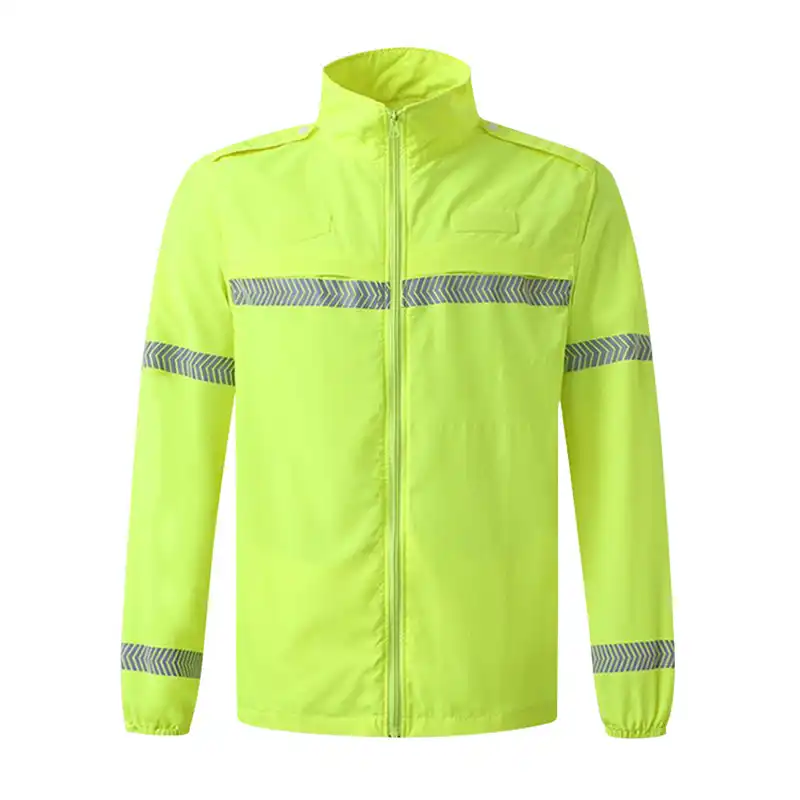
Understanding Breathable FR Hoodies: What They Are and How They Work
The Science Behind Fire-Resistant Technology
FR Hoodies with airflow are a step ahead in industrial safety apparel. The clothing's fire resistance derives from natural or chemically treated fibers. Naturally flame-resistant fabrics like Nomex, Modacrylic blends, and aramid fibers contain fire protection in their chemical structure. This prevents safety features from deteriorating. A barrier-forming finishing method makes treated fabrics, notably cotton treated with Proban or a comparable chemical, fire-resistant.
How Breathability Enhances Worker Safety
The air factor solves a major problem in workplace safety: getting workers to follow safety rules. When workers' safety gear gets too hot, they may take it off, putting themselves in danger. Newer FR Hoodies with advanced moisture-wicking technology and well-placed ventilation zones let air flow without letting the garment's protective shell get compromised. This construction keeps the fire-resistant barrier in good shape while keeping the heat from building up, which would make workers tired and less aware.
Meeting Global Safety Certifications
When it comes to B2B buying, meeting foreign standards is still a must. Flame-resistant hoodies that let air flow must meet NFPA 70E standards for electrical safety, ASTM F1506 standards for arc flash protection, and the different EN ISO certifications that are needed in European markets. These labels show that the clothing has been through strict tests for arc thermal performance value (ATPV), vertical flame resistance, and heat resistance. Managers in charge of buying things should make sure that any flame-resistant hoodie has clear marks on it that show it meets local safety standards.
Core Benefits of Choosing Breathable FR Hoodies in Industrial Settings
Enhanced Worker Productivity Through Comfort
In demanding workplace settings, the link between comfort and efficiency is especially clear. When compared to workers wearing traditional heavy safety gear, those wearing breathable fire-resistant hoodies report much lower amounts of heat stress. This comfort directly leads to better focus, less fatigue, and fewer safety issues that happen because people aren't as aware.
Modern breathable FR Hoodies are made to be light, which gives you a wider range of motion. This is especially helpful for tasks that require you to work high, climb, or do complicated physical tasks. Linemen who work on power transmission systems and welders who work in small areas where bulky safety gear makes things more dangerous instead of lessening them are both helped by this movement.
Multi-Industry Applications Across Global Markets
Different types of businesses in different parts of the world find different uses for breathable flame-resistant hoodies:
1. North American Industrial Sectors: Among the North American industrial sectors, the electrical services industry buys a lot of arc-rated hoodies. Maintenance workers on high-voltage systems need to wear clothes that protect them from Category 2 or Category 3 arc flashes and let them work quickly in a range of weather situations. In places where it gets cold, oil and gas activities really value the fact that the insulation keeps them warm and safe.
2. European Safety-Focused Industries: Corporate uniform companies that work with factories put safety first and look good at the same time. FR Hoodies that let air flow through them look professional and follow strict EU safety rules. The need for eco-friendly flame-resistant materials has grown because of a greater focus on sustainable production methods. European buyers are asking for more and more approvals for industrial processes that are good for the environment.
3. Asia-Pacific Manufacturing Operations: Custom uniform services that help with the production of electronics, cars, and heavy machinery are looking for low-cost safety options that can be customised with logos and meet specific design needs. A solid supply chain is very important because procurement teams need the same quality for big orders that will be used to outfit whole buildings.
Durability That Protects Your Investment
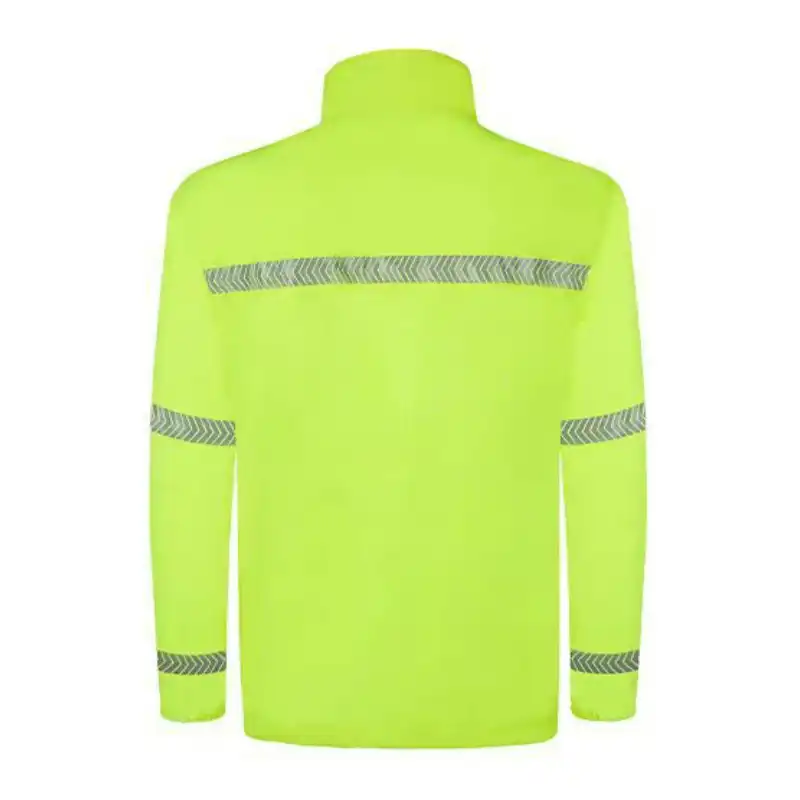
Reinforced stitching at stress points, bar-tacked pocket corners, and double-needle construction at seams make high-quality FR Hoodies that last a long time. Despite being washed many times, the fabric itself doesn't wear down or tear. If you take care of these clothes the way the maker tells you to, they should protect you for 12 to 18 months of normal industrial use.
How you take care of your clothes has a big effect on how long they last. Do not use chlorine bleach on your clothes because it breaks down both natural and man-made fibres and can remove chemical processes that make them immune to flame. Fabric softeners cover fibres with a burning film that makes them less safe. Instead, use a commercial cleaning service that knows how to take care of FR clothes, or carefully follow the washing instructions that come with your clothes: use cool water, light soap, and tumble dry on low heat.
Comparing Breathable FR Hoodies with Other Fire Protective Gear
Hoodies Versus Jackets: Choosing the Right Format
The choice between a FR jacket and a flame-resistant hoodie relies on the job needs. Hoodies have a number of clear benefits. The built-in hood protects the head and neck even more without having a different part that workers could lose or forget. The pullover or zip-front style makes it easy to put on and take off during breaks, which encourages regular use throughout the shift.
FR jackets usually have better arc ratings and may have extra features like storm flaps, lots of pockets, and cuffs that can be adjusted. They work better as upper layers when it's very cold or when workers need to add or take away protection often because the job needs to change. A drilling rig operator who has to do both outdoor equipment checks and work in the control room might like how versatile a jacket is.
Lightweight Versus Heavyweight Options
There are different weights of breathable FR Hoodies, which are usually given in ounces per square yard. Lightweight choices (5-7 oz) work best in warm places or indoors where the temperature can be controlled. These clothes keep you safe from fire while letting you breathe easily, which is why they're popular in factories where the temperature is already high.
Heavyweight versions (9–12 oz) are used in cold weather or situations that need the most defence. Heavyweight FR Hoodies are good for electrical workers in colder areas or winter pipeline repair teams because the extra weight of the cloth often means a higher arc rating. The trade-off is that the fabric doesn't breathe as well, but modern textile engineering has made this trade-off less noticeable with advanced fabric designs like honeycomb weaves and grid-backed fleece.
Functional Features That Matter
In addition to basic safety, better breathable flame-resistant hoodies have a number of useful features. When you wear raglan sleeves, there are no shoulder edges to irritate your skin under straps or belts. The thumb holes in the ribbed cuffs keep the sleeves in place and give your hands more protection. Kangaroo-style front pockets are a good way to store things and keep the safety of the clothing intact. However, the placement of the pockets must not get in the way of tool belts or safety straps.
Some more advanced designs include high-visibility elements, making clothes that are dual-compliant and meet both ANSI 107 and flame-resistant standards. This mix is useful in places with a lot of dangers, like building sites, work zones on the roads, and mines.
Procurement Guide: How to Choose and Buy the Right Breathable FR Hoodie
Essential Selection Criteria for B2B Buyers
Any purchase begins with certification verification. Verify that the product fulfills NFPA, ASTM, or EN ISO requirements and that the certifications include the clothing model, not simply the fabric. Some companies test fabric samples but subsequently use non-flammable buttons or thread, rendering the safety worthless.
To evaluate a fabric's quality, consider its fiber content, production, and finish. Built-in FR materials last longer but cost more. With proper cleaning, chemically treated objects are safe and affordable. Check the manufacturer's recommended wash cycle limit and consider whether your workplace supports adequate maintenance.
Comfort affects how well workers follow instructions. Before placing a substantial order, request real-world testing of sample garments. Workers should evaluate the fit, breathing, and hood design, pocket placement, and cuff function while moving about the workplace.
Pricing Strategy Without Compromising Safety
There is more to the cost study of breathable FR Hoodies than just the unit price. Figure out the total cost of ownership by looking at how long the item lasts, how often it needs to be maintained, and how often it needs to be replaced. A flame-resistant hoodie that costs a reasonable amount and lasts 18 months with little extra care might be a better deal than a cheaper one that needs to be replaced every six months or expensive special washing.
When you buy in bulk, you usually get big price breaks. Companies like Welston, which has been making business uniforms for 27 years, offer good deals on large orders starting at 100 pieces. With three factories and ten production lines, they can keep quality high even when they make a lot of products. They also offer a lot of customisation choices.
Sizing, Fitting, and Customization Considerations
The right size is very important for both safety and comfort. FR Hoodies that let air flow should have enough room for extra layers without having extra cloth that could catch on equipment or make contact spots where heat can be transferred during an arc flash. The length of the chest should cover enough when reaching or bending, and the length of the sleeves should reach the wrist without bunching at the cuff.
Companies can strengthen their brand personality and meet safety standards with custom marking options. Logos and identification marks can be added with screen printing, stitching, and heat transfer. However, all of these methods must use flame-resistant materials and processes. Welston has screen printing and heat transfer production lines in-house, so they can make sure that all the rules are followed during the customisation process.
Selecting Reliable Suppliers and Support Services
When evaluating a supplier, consider their manufacturing, quality control, and after-sales support. Multiple production facilities help companies handle high sales and stay in business. New tools from JUKI and SHINLING demonstrate their commitment to quality production.
Customer support must be responsive when issues arise. Suppliers with 24-hour response times and practical problem-solving can aid procurement managers with size, quality, and urgent order challenges. Welston's dedicated after-sales support team resolves client issues quickly and effectively.
Future Trends and Innovations in Breathable FR Hoodies
Emerging Textile Technologies
Next-generation flame-resistant hoodies have nanomaterial layers that make them lighter and more fire-resistant. These techniques stop molecular heat flow without bulking or stiffening the material. Bio-based flame-resistant fibres made from renewable resources are being explored to address sustainability and safety concerns. This might transform the industry in ten years.
A new area of advancement is enhanced moisture control systems. New fabrics have different wicking rates. The interior of the cloth pushes moisture away from the skin, while the outside promotes quick release. Workers in hot factories with high heat stress benefit from this technique.
Smart Textile Integration
Wearable technology transforms FR Hoodies into active safety tracking devices. Workers' core temperatures can be monitored by embedded monitors to detect severe heat stress before it causes health issues. Environmental monitors measure temperature, humidity, and atmospheric gases to warn you of potential threats in real time.
Certain versions allow workers in noisy factories to communicate without touching. Although pricey, these technologies are becoming cheaper as circuits shrink and factories grow. Future procurement managers should watch these improvements since early adopters may enjoy a safety and efficiency advantage.
Sustainability and Environmental Responsibility
Corporate social responsibility programmes increasingly influence purchase decisions, notably in European countries with stronger environmental laws. More customers desire created with green energy, water-efficient dyeing, and recyclable or biodegradable materials. Some companies let you trade in old safety gear for new fibers or other things.
Production is certified by OEKO-TEX and bluesign to meet high social and environmental criteria. These certifications may cost more initially, but they help organizations make sustainable purchases and improve their reputation among environmentally conscious staff and customers.
The increased demand for ecologically friendly protective apparel offers commercial opportunities for organizations willing to invest in better manufacturing methods. Companies who sell working uniforms to Europeans can gain from showing they care about the environment, as more shoppers are demanding eco-friendly products.
Conclusion
Finally, breathable FR Hoodies are the ideal method to keep workers safe, operations running efficiently, and comfortable. These unique clothing ensure fire safety without restricting workers' movement and breathing throughout extended periods in harsh environments. Flame-resistant hoodies from a reliable manufacturer are the ideal method to meet safety standards and keep workers productive in North American electrical utilities, European manufacturers, and Asia-Pacific industrial complexes. Lower accident rates, happier workers, and a clear commitment to a safety culture that protects employees and the company's image result from investing in the correct safety gear.
FAQ
1. What makes a hoodie truly flame-resistant?
Real flame-resistant hoodies either use FR fibres, which have safety built into the molecular structure of the material, or fabrics that have been chemically treated to put out fires on their own when they are no longer near a fuel source. Certification stickers from well-known testing groups like UL or SEI must be on the clothing to show that it meets standards like NFPA 2112 or ASTM F1506. To keep the general safety of the clothing, all of its parts, like buttons, thread, and decorative pieces, must also be able to resist ignition.
2. How do I determine the right arc rating for my workers?
The choice of arc grade is based on the electrical danger risk assessment for each job. Follow the steps in NFPA 70E's arc flash danger analysis to find out what amounts of incident energy workers may face. This should be worn with clothes that have the right ATPV rates. For general electrical work, Category 2 protection (8–25 cal/cm²) is enough, but for more dangerous jobs, you need Category 3 or 4 protection. Putting on a FR Hoodie over an arc-rated shirt can make the whole system safer, which could move a person from Category 2 to Category 3 covering.
3. Can breathable FR hoodies be customized with company logos?
Customisation is widespread and possible, but all ways of decorating must use materials that won't catch fire. Embroidery with FR thread, screen printing with FR inks that are carefully made, and heat transfer using materials that are compatible all keep clothes safe. Do not use regular business decorating services that might use threads or paints that can catch fire. Work with companies like Welston that have a lot of experience customising FR clothing. They know the technical requirements and can make sure that the decorations don't affect the safety certifications.
Partner With Welston for Your FR Hoodie Supply Needs
Welston has been making professional clothing for almost 30 years, and their clothes are made to meet the strict needs of safety-conscious B2B buyers. As a trusted FR Hoodie manufacturer, we can handle orders for anywhere from 100 to over 5,000 pieces with uniform quality and on time thanks to our three factories and ten dedicated production lines. As a well-known company that sells flame-resistant hoodies, we know how important it is to follow the rules. That's why we make clothes that meet the NFPA, ASTM, and EN ISO standards needed in North America, Europe, and the Asia-Pacific region. Our dedication goes beyond production. Within 24 hours, specialised after-sales support answers questions about changes to sizes, quality issues, or customisation needs and comes up with useful solutions. We make breathable FR Hoodies that balance safety, comfort, and a professional look. We do this with modern Japanese JUKI and Taiwanese SHINLING production equipment as well as our own decoration skills. Get in touch with [email protected] to talk about your specific needs and find out how our customisable options, low bulk prices, and tried-and-true quality control methods can improve your worker safety programme and make the purchasing process easier.
References
1. National Fire Protection Association (2021). NFPA 70E: Standard for Electrical Safety in the Workplace, 2021 Edition. Quincy, MA: NFPA Publications.
2. ASTM International (2020). ASTM F1506-20a: Standard Performance Specification for Flame Resistant and Arc Rated Textile Materials for Wearing Apparel for Use by Electrical Workers Exposed to Momentary Electric Arc and Related Thermal Hazards. West Conshohocken, PA: ASTM Technical Publications.
3. Palmer, K.T. & Crane, G. (2019). Protective Clothing Technology and Applications in Industrial Safety. Cambridge: Industrial Safety Press, pp. 145-178.
4. European Committee for Standardization (2018). EN ISO 11612:2015 - Protective Clothing Against Heat and Flame: Performance Requirements and Test Methods. Brussels: CEN Publications.
5. Stull, J.O. & Schwope, A.D. (2017). Performance of Protective Clothing: Global Needs and Emerging Markets, Volume 11. Philadelphia: ASTM International, pp. 203-229.
6. International Safety Equipment Association (2022). Advances in Flame-Resistant Workwear: Technology, Testing, and Practical Applications. Arlington, VA: ISEA Technical Reports Series.
We specialize in designing, producing, and selling corporate clothing. Mainly produces: industrial clothing, business uniforms, and work clothes for different companies.

About Welston Garments


