How to Choose Cargo Work Waistcoat for Work?
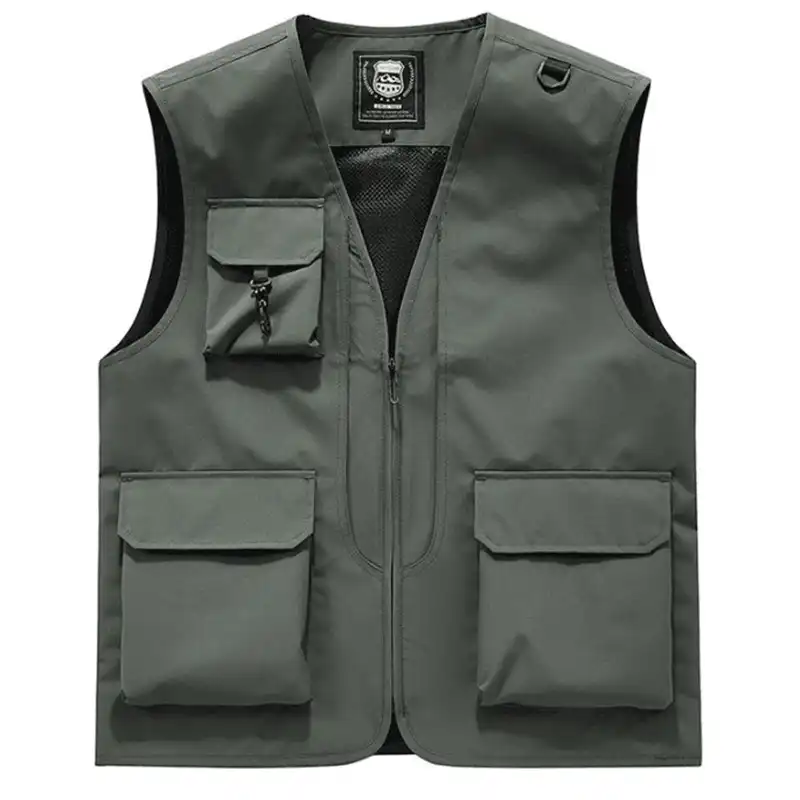
Picking the correct Cargo Work Waistcoat for your group can greatly improve the safety and efficiency of the workplace. A Cargo Work Waistcoat is a special kind of open shirt with lots of pockets and sections that let workers carry tools, electronics, and other small items without using their hands. Unlike regular safety vests, which are mostly about exposure, Cargo Work Waistcoats are like portable toolkits that you can wear. They spread your weight evenly across your shoulders and chest, so you don't have to spend as much time looking for things. This style keeps important things close at hand and reduces stress on the lower back, making it a great choice for many fields, from light building and field services to transportation and warehousing.
Understanding Cargo Work Waistcoats: Definition and Key Benefits
What Makes Cargo Work Waistcoats Different from Traditional Vests?
The Cargo Work Waistcoat is different from other work vests because it is designed to be useful and store things. Traditional safety vests focus on features that make the wearer more visible while offering little in the way of usefulness. On the other hand, Cargo Work Waistcoats include strengthened pockets, tool loops, and specific sections. These clothes are made for workers who need to be able to quickly reach scanners, computers, pens, measuring tools, and hand tools at work. The sleeveless design lets you move your arms freely, which is important for chores that need skill and a lot of reaching.
Core Benefits That Drive Productivity
Buying your employees good Cargo Work Waistcoats has real benefits for them. The optimal weight distribution keeps muscles and bones from getting stressed out, like they do when heavy tool belts are worn around the hips. When workers don't get as tired during long shifts, they can concentrate better and get hurt less often on the job. Tools and equipment that are easy to get to reduce the time it takes to get them, which can save several minutes an hour in fast-paced places like warehouses or installation services.
Core Features to Consider When Choosing a Cargo Work Waistcoat
Material Composition and Durability Standards
The effectiveness and longevity of your Cargo Work Waistcoats depend on the materials you choose. Most fabrics made for industry are between 240 and 300 GSM or grammes per square metre. Lighter fabrics, around 245 GSM, work well for summer and indoor logistics work because the Cargo Work Waistcoat keeps heat from building up and is still strong enough to tear. For workers who often come into contact with rough surfaces or sharp edges, choices that are heavier, around 300 GSM, offer better protection against wear and tear. Polyester-cotton mixes, ripstop polyester, and canvas weaves are all common types of fabric. Polyester-cotton mixes are comfortable and let air flow through them, so they can be used in places where the temperature changes. Ripstop rayon is very resistant to tears and doesn't weigh much, making it perfect for workers who need to be able to move around a lot. Canvas options are traditionally durable and look professional, so they are good for work environments where you deal with customers or in business jobs. Water-repellent techniques make clothes more useful for people who work outside or near liquids. Look for coats that are DWR (Durable Water Repellent) and let air pass through while shedding light moisture. However, these treatments need to be washed with care so that they keep working over time.
Pocket Configuration and Accessibility
How well a Cargo Work Waistcoat meets the needs of your team depends on how the pockets are set up. Workers can keep their contact tools close at hand with chest pockets that are big enough for smartphones, ID cards, or small notebooks. Side pockets with reinforced holes can hold heavy things like multitools or small measuring tools. Some styles have special holster pockets that hang lower, making the weight more fairly distributed for workers who carry a lot of hand tools. Pocket depth is very important. When you bend over or reach, things could fall out of pockets that are too shallow, and when pockets are too deep, they're hard to get to. Good designs strike a balance with medium-depth pockets that close securely with snap buttons or Velcro flaps for things that need to stay safe.
Matching Cargo Work Waistcoats to Specific Industry Needs
Logistics and Warehousing Requirements
Order picks, inventory experts, and people who work in warehouses need Cargo Work Waistcoats that make it easy to move around and use scanners. During their jobs, these workers reach, bend, and lift things over and over again. A thin profile keeps them from getting caught on shelf units, conveyor systems, or the edges of pallets while they're moving through narrow hallways. With pockets specifically made for mobile scanners, box cutters, and writing pens, you can always get to your most important tools without having to deal with extra bulk that makes it hard to move. When it comes to transportation, temperature issues are very different. Insulated coats with padded linings are needed for cold storage because they keep you warm without being too bulky. Standard warehouses benefit from choices with open linings that let air flow and help clothes dry quickly during physically demanding jobs. When it comes to facilities in the North American market, Welston has made tailored Cargo Work Waistcoats with pockets that are put in a way that works with certain scanner models and workflow needs.
Light Construction and Trade Work Applications
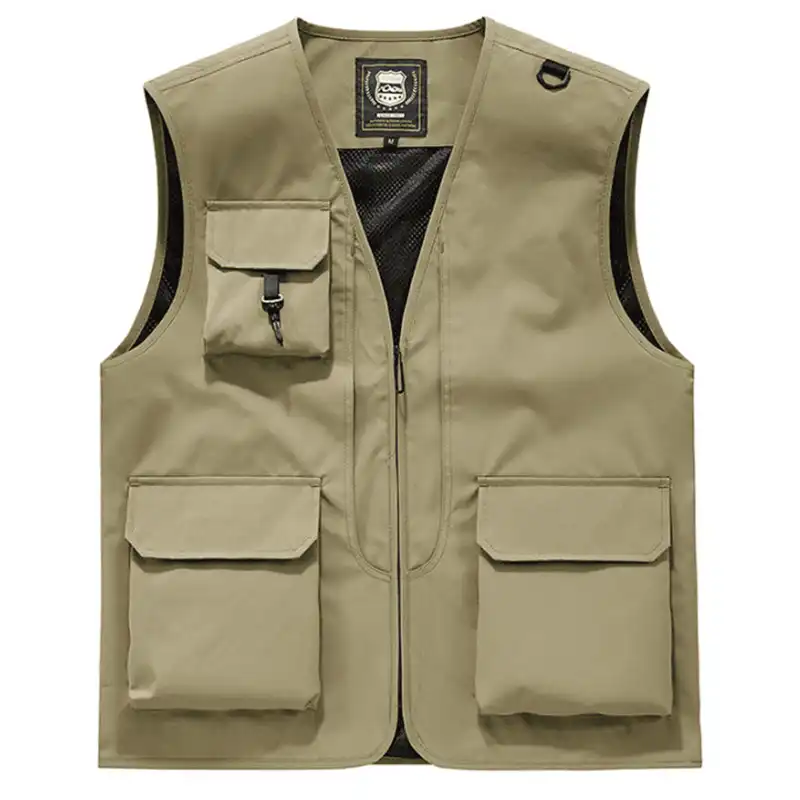
Compared to transportation workers, carpenters, electricians, and general repair workers need more robust storage space. These experts carry a bigger range of hand tools, fasteners, and measuring tools. In this industry, Cargo Work Waistcoats have a lot of tool loops, bigger side pockets with flaps, and stronger holster pockets for hammers and drills. The cloth weight is usually on the heavier side, between 280 and 300 GSM. This makes it better at blocking nails, screws, and other rough building materials. Designs with internal pockets that protect sensitive testing tools and small electrical parts are especially helpful for electricians. The sleeveless design lets the shoulder move fully, which is important for working overhead and wiring in small areas. Instead of putting all the weight on the hips and lower back like heavy tool belts do, these waistcoats spread the weight across the shoulders and core, making it easier to stand or climb for long periods of time without getting tired.
Comparing Cargo Work Waistcoat Options: How to Make the Right Choice
Evaluating Material Weight for Your Environment
Choosing between lighter and heavier cloth weights mostly relies on where you will be using it, and the time of year. Lightweight choices weighing between 240 and 260 GSM work best in places where the temperature is controlled, during the summer, and for jobs that require constant physical exercise. These materials dry quickly after being washed, keep their breathability while being worn, and lower heat stress when it's hot. Materials that are heavier, between 280 and 300 GSM, last longer against wear and tear, scratches, and punctures. This extra safety is good for teams that work with Cargo Work Waistcoats around rough materials, sharp edges, or rough surfaces. The trade-off is that it doesn't breathe as well and keeps heat in, which can be uncomfortable in the summer or in places that don't have enough airflow. Some procurement managers deal with this by keeping different stocks of lightweight and heavyweight items, giving customers the right choices based on the time of year and the needs of the job.
Insulated Versus Non-Insulated Designs
Between the outer shell and the inner lining of insulated Cargo Work Waistcoats is quilted padding made of polyester wadding that is usually between 160 and 200 GSM. This design keeps you warm without making you bulky or limiting your movement like sleeveless coats do. Insulated choices that keep body heat in while letting full arm movement help workers in cold storage facilities, outdoor winter operations, or warehouses that aren't heated stay productive and comfortable.Designs that aren't insulated use linings or backings made of mesh that let air flow and keep wetness away. These types are good for everyday use indoors, in warmer climates, and in physically demanding jobs where heat buildup is more of a worry than cold exposure. The lighter building usually costs less and weighs less, which is important for procurement choices that need to be made on a budget and for workers' comfort during long shifts.
Price-Quality Balance and Long-Term Value
Buying choices are usually affected by budget, but the lowest price doesn't always mean the best value in the long run. Beginner Cargo Work Waistcoats usually cost between $25 and $40 per unit when bought in bulk. They are made of basic materials, aren't reinforced much, and have a simple design. These choices are good for low-intensity tasks or organisations with small funds, but if they are used every day, they usually need to be replaced every six to nine months. Options in the middle range, which cost between $45 and $70 per unit, have good fabrics, stress spots that are strengthened, and hardware that works well. Under normal use, this group gives eighteen to twenty-four months of service life, which is just right for most commercial uses. The longer lifespan and less frequent repair usually make up for the higher original cost. Premium Cargo Work Waistcoats that cost more than $70 each are made of high-tech materials, have special finishes, and offer a lot of ways to customise them. For hard tasks, harsh settings, or situations where garment failure poses major safety or operating risks, these clothes are worth the extra money. Instead of just looking at the purchase price, procurement teams should figure out the total cost of ownership, which includes how often items need to be replaced, how long they last when washed, and how happy workers are with their jobs.
Streamlining Your Procurement Process: Where and How to Buy Cargo Work Waistcoats
Identifying Reliable Manufacturers and Suppliers
Finding makers and sellers who consistently provide high-quality goods, reliable delivery, and helpful customer service is the first step in buying Cargo Work Waistcoats. Look for companies that have been making workwear for a long time and have industry qualifications and long-term client ties to show it. When compared to smaller businesses that don't have official inspection processes, manufacturers with multiple production sites and dedicated quality control systems get more uniform results. Welston has three factories that are all equipped with cutting, sewing, and finishing machines from well-known names like JUKI and SHINLING. We have ten production lines and more than 580 workers who work on both regular inventory and custom orders. This infrastructure lets us keep the quality the same across big orders while also meeting special customisation needs that smaller suppliers can't handle well. Client testimonials and case studies from clients are great ways to learn about how reliable a seller is and how well a product works. Companies that work with big companies like Toyota, Panasonic, Benz, Dell, and Toshiba have shown that they can meet strict quality standards and delivery deadlines. These connections also show that the business is financially stable and has grown, which lowers the chance that the seller will fail or cause service interruptions during important buying times.
Customisation Options and Minimum Order Quantities
The ability to customise means that you can make Cargo Work Waistcoats fit your unique needs and brand rules. Placing logos through stitching, screen printing, or heat transfer is a common way to customise items. You can change how the pockets are set up to fit the tools or devices that your team usually uses. Other ways to customise are by choosing the colour, where to put the bright strips, and the tools for closing the bag. Different providers have very different minimum order amounts. For setup costs and production runs to be worth it, large producers usually need between 100 and 500 units per unique order. Welston has a minimum order quantity of 100 customised Cargo Work Waistcoats. This is a good number for mid-sized businesses that want to keep production running smoothly. This level lets smaller businesses get professional customisation without having to commit to too much inventory, while it lets larger businesses set up full uniform programmes.
Evaluating Wholesale Pricing and Payment Terms
When compared to retail prices, buying in bulk through trade methods saves you a lot of money. Most of the time, volume savings start at 100 units and get bigger as you order more. By working directly with makers like Welston, you can avoid the markups that distributors add, which could lower the cost per unit by 20 to 35 per cent compared to buying from stores. When negotiating for a purchase, payment terms need to be carefully thought through. It's easier to keep track of cash flow when payment terms are flexible, especially for big sales that require a lot of capital. Standard terms include paying in full for the first order and setting up net-30 or net-60 terms for accounts that have been open for a while. Some makers offer deposit-plus-balance plans, where they ask for 30 to 50 per cent up front and the rest when the goods are shipped or delivered.
Conclusion
When choosing the right Cargo Work Waistcoat, you need to think about how it will work, how long it will last, how comfortable it is, and how much it will cost. This is because each working setting and worker's needs are different. The right choice increases output by making tools easier to get to and reducing physical strain, while also meeting standards for safety, visibility and professional look. Material choice, pocket layout, and the quality of the reinforcements all have a direct effect on how long clothes last and how happy workers are with their jobs. This is why these factors should be carefully considered when planning purchases. Spending time on developing the right specifications and choosing the right suppliers pays off in the long run by lowering replacement costs and increasing operating efficiency. This is true whether you are supplying logistics teams, support staff, or corporate staff.
FAQ
1. What distinguishes cargo work waistcoats from standard safety vests?
With their many pockets and sections made just for bringing tools, equipment, and devices, Cargo Work Waistcoats are like portable toolkits that you can wear. Standard safety vests make it easier to see by using shiny materials and bright colours, but they don't have many storage options. The Cargo Work Waistcoat has features for modest exposure and useful storage, making it useful for workers who need to use their hands for other tasks besides safety signals.
2. How does fabric weight affect cargo work waistcoat selection?
The GSM value of fabric weight has a direct effect on how long it lasts and how comfortable it is. Lighter materials, around 245 GSM, are good for indoor use and warm weather because they keep you from getting too hot while still giving you enough protection. Heavier fabrics, around 300 GSM, are better at resisting wear and tear and holes, which is good for workers who are near rough surfaces or sharp items. Finding the right fabric weight for your job helps you get the best mix of comfort and safety.
3. Can cargo work waistcoats accommodate company logos and branding?
Good makers give you a lot of ways to customise their products, such as screen printing, heat transfer, and embroidering logos. Putting the logo on the chest or upper back is usually best because pockets don't get in the way of the branding. Welston can handle requests for unique branding with a minimum order of 100 pieces. This lets businesses keep professional uniform standards while providing useful clothing.
Partner with Welston for Your Cargo Work Waistcoat Requirements
Welston can help you buy a Cargo Work Waistcoat because they have been making professional clothing for almost 30 years. We know what the needs of industry, transportation, and business use in North America are because we've been a Cargo Work Waistcoat provider for a long time. Custom pocket layouts, brand printing, consistent size for bulk programmes, and flexible order amounts starting at just 100 pieces are some of the things that we can make. Our quality control systems make sure that every outfit meets strict standards for sturdiness, and our helpful customer service team answers all questions and addresses all concerns within 24 hours. Business owners, buying managers, and people in charge of uniforms are welcome to email us at [email protected] to talk about your unique needs. Let us show you how our production know-how, low prices, and on-time delivery can help you reach the goals of your clothing programme.
References
1. Henderson, M. and Roberts, K. (2022). Industrial Workwear Selection: A Procurement Manager's Guide. Professional Garment Publishing, Chicago.
2. Thompson, J. (2023). "Ergonomic Design Principles in Modern Work Vests." Journal of Occupational Safety and Workwear, Volume 18, Issue 3, pp. 45-62.
3. National Safety Council. (2023). Workplace Visibility Standards and Best Practices for Industrial Settings. NSC Press, Washington, D.C.
4. Martinez, S. and Chen, L. (2021). Textile Performance in Industrial Applications: Durability, Comfort, and Cost Analysis. International Textile Research Foundation, New York.
5. American Apparel and Footwear Association. (2024). B2B Uniform Procurement Trends: Industry Report 2024. AAFA Publications, Arlington.
6. Williams, D. (2023). "Evaluating Total Cost of Ownership in Corporate Uniform Programs." Facility Management Quarterly, Volume 29, Issue 2, pp. 78-91.

We specialize in designing, producing, and selling corporate clothing. Mainly produces: industrial clothing, business uniforms, and work clothes for different companies.

About Welston Garments


