Corporate Polo Shirts - The Go To Clothing for your Uniform
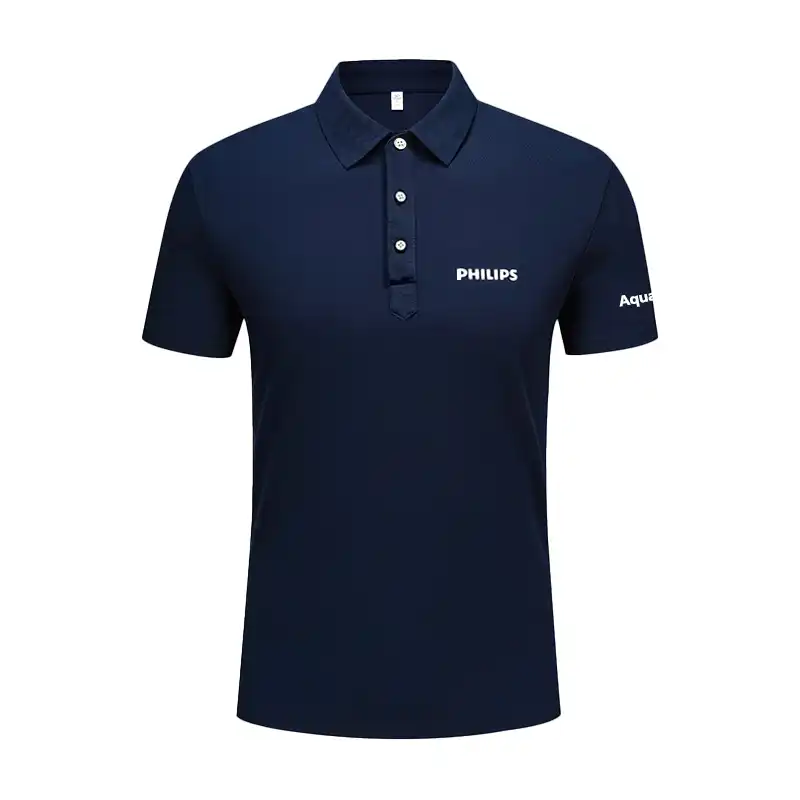
Corporate Polo shirts are always the best choice for businesses that want to provide reliable, professional uniforms that protect brand identity while also making employees comfortable. A Corporate Polo is more than just a casual outfit for Friday. It's a strategic piece of clothing designed to promote organisational uniformity. It's made to last in tough work environments while projecting a polished, consistent brand image. Professional-grade polos are different from consumer-grade ones because they have stronger stitching, fabrics that won't fade, and construction that's good for branding. They also keep their look after hundreds of wash cycles. These clothes are perfect for outfitting sales teams that deal with customers, hospitality staff, or event promotion teams because they are both functional and look professional, which is what modern businesses need.
What Makes Corporate Polo Shirts Essential for Business Uniforms?
Retail polo shirts are different from real business outfits because they are made with features that are meant to be worn in a professional setting. Welston has seen for 27 years that when businesses choose the right uniform Corporate Polos, brand consistency and employee satisfaction go up in a measurable way.
Durability Built for Commercial Use
Professional polo shirts are made with building methods that aren't often used in market goods. At stress points, double-needle stitching keeps seams from coming apart when people in service jobs do the same things over and over again. When you button and unbutton your clothes a lot, reinforced plackets don't let the fabric stretch. The collar is made with bonded interlining or tapestry stitching with extra elastane added. This keeps the collar from curling, which happens to most polos after a few washes. These technical features directly lead to longer garment life, which lowers the total cost of ownership and the number of times that uniforms need to be replaced.
Fabric Performance Tailored to Work Environments
Casual and business-appropriate polos are different in the materials they are made of. Cotton-polyester mixes with CVC (Chief Value Cotton) or TC (Tetron Cotton) ratios let clothes breathe and keep them from getting wrinkled, which is important for workers who have to go to client meetings or work long shifts. Performance polyester fabrics have moisture-wicking technology that pulls sweat away from the skin, keeping you comfortable while you work hard. The piqué weave construction gives the surface a roughness that hides small wrinkles and makes sweat less noticeable, so employees look fresh all day. In the hospitality industry, 65/35 poly-cotton blends that have been treated with stain-release finishes are very popular. These fabrics can be washed in industrial settings without losing their colour or shrinking a lot.
Brand Visibility and Professional Identity
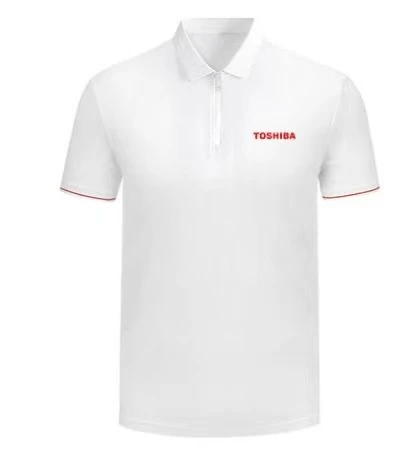
People who wear uniform polos are living ads for the brand. The structured collar and buttoned opening give the shirt a more professional look than a t-shirt while still making it more casual and inviting than a dress shirt. This makes Corporate Polos great for business casual settings, trade shows, and customer service jobs. The cloth is flat and stable, so it can hold high-quality embroidery or screen printing. This makes every employee a mobile marketing tool. Teams that all look the same boost the professionalism of the company and make it easier for customers to recognise employees, which is especially helpful in retail, hospitality, and event settings.
How to Choose the Perfect Corporate Polo Shirt for Your Business Needs
To choose the right uniform Corporate Polos, you need to do a thorough review that is in line with how things actually work. We've come up with a way for buying teams to match the requirements for clothes with what's needed in the workplace.
Assess Your Business Environment
Aesthetics and brand presentation are important to office-based corporate teams. Higher GSM (grams per square metre) fabrics, like those between 200 and 240 GSM, have a substantial hand-feel and a professional drape. They often contain mercerised cotton for a subtle sheen. Tech companies and new businesses often choose modern fits with slimmer bodies and shorter arms that are in style right now.
In service and dining settings, longevity is the most important thing. While being comfortable, mid-weight fabrics (180–200 GSM) also last a long time and can handle being washed every day in an industrial setting without wearing out too quickly. When you're serving food or cleaning the house, ribbed cuffs keep your clothes looking neat, and darker colours like blue or black hide small stains well between loads of laundry.
Promotional and event companies that work in warm places benefit from materials that are light and airy. Ring-spun cotton or performance polyester at 160–180 GSM is comfortable for outdoor sports and doesn't cost too much for large orders. When employees spend a lot of time outside, UPF 40+ sun protection becomes important.
Evaluate Fabric Characteristics
Breathability is very important for the health and efficiency of workers. Natural cotton fibres let air flow through, but they also soak up sweat, which could make the fabric heavy when you work it out. Performance polyester fabrics with dry-fit technology actively move sweat to the surface of clothes, where it evaporates quickly, keeping people cooler and drier. Hybrid blends try to take the best parts of both cotton and polyester, like polyester's ability to keep moisture away and resist wrinkles and cotton's soft feel.
Dimensional stability testing according to AATCC 135 guidelines shows how materials behave after being washed many times. Quality Corporate Polos keep their original sizes within a 3-5% shrinking limit, avoiding the uncomfortable fit problems that happen when clothes get too short or too boxy. Spirality testing looks for seam bending. High-end makers use tightly pressed fabrics to make sure that side seams stay straight after being washed.
Prioritize Fit Diversity
To have a diverse workforce, you need sizes that work for everyone. Most body types can fit into the S–5XL size range, but current fits are very different from traditional cuts. Athletic fits have tapered bodies and slightly shorter lengths, which appeal to younger people. Classic fits, on the other hand, have roomier constructions that people with bigger bodies or employees who want to be able to move freely prefer. By measuring correctly—chest circumference at fullest point, shoulder width across the back, sleeve length from shoulder seam to mid-bicep, and overall length from shoulder top to just below waistline—you can avoid common fit problems like the chest being too tight or the fabric looking sloppy.
Determine Customization Requirements
Different ways of applying branding have different effects. By incorporating threads directly into the structure of the cloth, embroidery gives a high-end look that lasts a long time. This method works especially well on pique fabrics because the texture goes well with three-dimensional logos. Embroidery holds up much better against harsh commercial laundering than other methods, but it costs more per unit and may feel stiff on light fabrics.
Screen printing is a cheaper way to put big logos or patterns with many colours on clothes. It works especially well on smooth jersey knits. New discharge printing methods make the paper feel soft to the touch without leaving behind thick ink layers. However, the stability of the paper depends on the quality of the ink and how it is cured. Digital printing lets you print small amounts of photos with great clarity and an infinite number of colours. This makes it perfect for marketing efforts that need different designs.
Where and How to Procure Corporate Polo Shirts in Bulk
Strategic bulk buying makes sure that delivery dates are met while also meeting quality standards and price limits. Businesses can get better results from uniform programs when they understand the source routes.
Evaluate Sourcing Options
OEM manufacturers like Welston can do direct production, which gets rid of the need for markups in the middle. We've had three factories with ten dedicated production lines since 1998. This gives us the production ability to keep quality high and offer low prices on large orders. Direct relationships with manufacturers give you more options for customisation, from choosing the fabric to adding special features. They also keep lead times short by keeping a lot of stock on hand.
Wholesale distributors put together goods from many different makers, making it easier for customers by giving them ready-made catalogue choices. This route is good for companies that need standard designs quickly and don't want to deal with a lot of customisation. There are some downsides, like less freedom and possibly higher unit costs compared to buying directly from the maker.
Specialists in uniforms offer both buying and program management services, taking care of everything from design advice to regular repeat fulfilment. This all-around method helps companies that don't have their own buying experts, but service fees raise the overall cost of the program.
Understand Minimum Order Quantities and Lead Times
The economics of production usually favour large orders. Minimum order numbers (MOQs) are set by manufacturers based on how much it costs to get the fabric and set up the production line. For standard stock items, the MOQ may be lower, around 50 to 100 pieces. However, for fully customised Corporate Polo programs with unique fabrics, colours, or branding, the MOQ is usually 200 to 500 pieces.
Lead times cover more than one step. Sample development usually takes 7–10 business days, which gives you time to look at the samples in person before committing to full sales. After acceptance of the sample and receipt of the deposit, bulk production takes 20 to 30 days, based on how complicated the order is and how much space the plant has. International shipping takes 15 to 30 days longer for ocean freight and 3 to 7 days longer for air freight. The cost difference between the two is 5 to 10 times. Welston keeps a wide range of popular styles and colours in stock, so they can quickly meet pressing needs.
Compare Pricing Structures Strategically
Pricing by the unit takes into account many factors. The quality of the cloth affects how much the base garment costs. For example, expensive ring-spun cotton or performance polyester costs more than basic open-end cotton. The level of customisation has a big effect on the price; simple stitching in one place costs less than decoration in multiple places with multiple colours. Price levels are based on the number of orders. As the number of orders goes up, manufacturers offer lower per-unit costs because they know that production is more efficient at scale.
Request thorough quotes that include prices for the clothes, customisation, packing, and shipping. It's important to know if the prices you're given are FOB (freight on board), which means you have to make your own shipping arrangements, or DDP (delivered duty paid), which means the price includes all costs to the end location. A 30% deposit is usually required before production starts so that raw materials can be gathered, and the remaining 70% is due before the shipment.
Assess Supplier Reliability
Choosing a supplier has effects that last longer than just the price. The quality of the production determines whether uniforms look professional for the whole time they're used or break down quickly and need to be replaced too soon. Check out the quality control methods used by the seller. Before sending the goods out, reliable makers test for dimensional stability, colour fastness according to ISO 105 standards, and decoration durability.
When managing complicated orders, being responsive to communication is very important. Language skills, time zone compatibility, and a desire to effectively address concerns are what set exceptional sellers apart from acceptable ones. Welston hires special account managers who help with shipping planning and support after delivery, responding right away to any problems and fixing them quickly.
Investments in buying are kept safe by quality promises and exchange policies. Before placing a big order, find out how flaws are fixed, such as whether the seller offers replacement clothes for mistakes made during production, and how problems with sizing are fixed if they happen. Our after-sale service takes care of any problems that come up after the goods are delivered, keeping partners happy by fixing problems before they happen.
Styling and Caring for Corporate Polo Shirts to Maximize Longevity and Brand Impact
The success of a uniform program goes beyond the initial selection process. It also includes following the right care instructions to keep the uniform looking good and making it last longer.
Integrate Polos into Business Dress Codes
Corporate Polo shirts are in the business-casual category, which means they can be worn in most professional settings except for the most serious ones that require suits. For jobs where you'll be talking to clients, wear polos with tailored chinos or dress pants. If your job doesn't allow it, don't wear jeans. If you want to look more formal, wear your clothes tucked in and pair them with belts in the same colour. If you want to look more relaxed, wear your clothes untucked—but make sure the length of the clothes hits just below your waist, not mid-thigh.
Implement Proper Care Protocols
Seasonal styling and proper care help extend Corporate Polo lifespan. Short sleeves suit warm weather, while long sleeves and layering improve year-round comfort. Follow fabric-specific washing methods, such as moderate temperatures for cotton blends and cooler cycles for polyester, while avoiding overloading and turning garments inside out to protect logos. Separate colours during early washes, follow stain-treatment instructions, and use proper drying methods. Store polos carefully with good airflow and avoid direct sunlight to preserve shape, colour, and branding.
Trusted Brands and Customization Techniques for Corporate Polo Shirts
Understanding quality standards helps buying teams set reasonable goals and accurately assess the skills of suppliers.
Recognize Quality Indicators
Professional Corporate Polos show quality through consistent stitching, durable buttons, reinforced plackets, and premium fabric feel. Even fabric density, shape recovery, and smooth texture indicate good manufacturing control. Reliable suppliers also use strict colour management with Pantone matching and lighting tests to maintain brand consistency across different production batches and future reorders.
Compare Customization Methods
Embroidery provides durable, high-quality branding with precise designs, while screen printing offers cost-effective solutions for larger graphics. Water-based inks, discharge printing, and heat transfers provide different appearance and durability options. Silicone seals and 3D embroidery create raised effects for distinctive branding, making them suitable for businesses seeking unique and modern uniform designs.
Conclusion
For businesses looking for professional uniforms that balance brand recognition, staff comfort, and long-term value, Corporate Polo shirts offer unrivalled adaptability and value. Strategic selection processes that take into account the needs of the work environment, the performance characteristics of the fabric, and the variety of correct fits make sure that uniform programs meet practical needs while presenting a consistent brand identity. When you buy in bulk from dependable companies like Welston, which has 27 years of experience in specialised manufacturing, you can get high-quality clothes at low prices and with the freedom to customise them. The uniform will last longer and give you a better return on your investment if you follow the care instructions and know how to decorate it. Well-designed polo uniform programs improve an organization's identity while supporting employee happiness and productivity. These programs can be used to outfit business offices, hospitality teams, or promotional staff.
FAQ
1.Why do some polo shirts develop fabric pills after washing?
Pilling is usually caused by loose yarn twists or short-staple cotton fibres that rub against each other when the garment is worn or washed. When you order Corporate Polos, ask for ring-spun cotton or polyester that has been finished with anti-pilling. These treatments make it much less likely for fibres to move onto the surface of clothes, so they stay smooth over time. Before making a product, good manufacturers test its pilling resistance according to ISO 12945 standards. This makes sure that the fabric meets the requirements for commercial durability.
2.How do we prevent collar curling on polo shirts?
The stability of the collar rests on how it was built. During the buying process, ask for jacquard-knit collars with spandex or elastane added to them, or ask for fused interlining reinforcement. Standard rib collars that don't have any structure support get wrinkly when they get hot while they're drying or ironing. Professional-grade Corporate Polos have an engineered collar construction that keeps its shape through hundreds of washing cycles. This makes them different from store-bought versions that curl after only a few uses.
3.What is the best fabric choice for outdoor staff in hot climates?
Performance polyester with dry-fit technology to manage moisture and a UPF 30+ grade for sun protection makes it perfect for work settings outside. Cotton soaks up sweat, making it heavy and difficult to wear for long periods of time in hot weather. Performance synthetics move sweat away from the skin and onto the surface of the fabric, where it evaporates quickly. This keeps workers cool and dry throughout shifts. This practical benefit directly leads to more comfort, less heat stress, and more work getting done when working hard outside.
Ready to Elevate Your Corporate Uniform Program?
Welston is ready to be your sole Corporate Polo seller. With almost 30 years of experience in professional clothing, we can help you with your uniform problems. Our ten production lines, each with modern JUKI and SHINLING tools, make sure that the quality of all orders, from small tests to full organisational rollouts with thousands of pieces, is the same. We know that good uniform programs need more than just good clothes. They also need partners who are willing to work with you every step of the way. Our streamlined order process walks you through the whole process, from the first design consultation to sampling, production, and delivery. If you have any questions, our dedicated support team will answer them right away. Our customisation options can be changed to fit your needs, whether you need performance fabrics that wick away moisture for busy work settings, high-end cotton blends for business presentations, or cheap options for big promotional events. Get in touch with [email protected] right away to talk about your needs as a Corporate Polo maker and find out how our experience serving markets in North America, Europe, and growing regions can help your brand stand out through better uniform solutions.
References
1. American Association of Textile Chemists and Colorists (AATCC). "Technical Manual: Standard Test Methods for Textile Dimensional Stability and Color Fastness." AATCC Publications, 2022.
2. Mitchell, Laura R. "Corporate Identity Through Uniform Programs: Strategic Brand Management in Service Industries." Journal of Business and Professional Communication, vol. 34, no. 2, 2021, pp. 156-178.
3. Thompson, David K. "Textile Performance Engineering: Fabric Construction and Durability in Commercial Applications." International Textile Institute Quarterly, vol. 28, no. 4, 2020, pp. 89-112.
4. Chen, Patricia and Robert Sullivan. "Procurement Strategies for Corporate Apparel Programs: Cost Optimization and Supplier Selection Criteria." Supply Chain Management Review, vol. 19, no. 3, 2023, pp. 44-61.
5. Williams, Jonathan. "Moisture Management Technologies in Performance Textiles: Comparative Analysis of Fiber Systems." Textile Research Journal, vol. 91, no. 7-8, 2022, pp. 1245-1267.
6. Martinez, Angela. "Garment Care and Longevity: Best Practices for Commercial Uniform Maintenance Programs." Facilities Management Today, vol. 15, no. 6, 2021, pp. 32-47.
We specialize in designing, producing, and selling corporate clothing. Mainly produces: industrial clothing, business uniforms, and work clothes for different companies.

About Welston Garments


