How Custom T-Shirt Printing Helps Businesses Build Strong Brand Identity
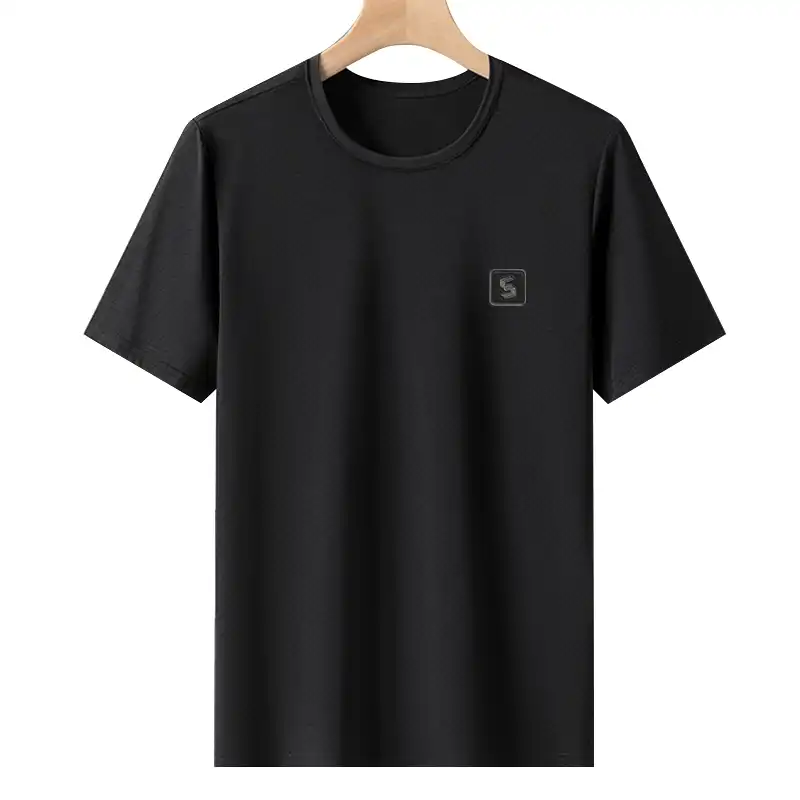
Custom t-shirt printing is now an important way for businesses to get known in the market and keep it that way. Ordinary clothing is transformed into a mobile advertising platform by a Printed Logo T-Shirt, which conveys skill and leaves an impression. Companies can make walking billboards that reach a wide range of people through multiple touchpoints by strategically putting their logos on high-quality clothes. This strategy gives a great return on investment, builds teamwork, and boosts brand recognition in globally competitive markets.

Understanding the Role of Custom Printed Logo T-Shirts in Brand Building
Defining Brand Identity Through Apparel
Brand identity is more than just logos and colour schemes; it includes everything a customer does when they interact with your business. Custom-branded clothing is a real way for a business to show its skill and ideals. When workers wear suits with company names, it shows that the company is dependable and works well together. Customers trust brands more when they see them over and over again, which helps them remember them. Tech companies all over North America value this consistency a lot, especially at conferences and client meetings, where first impressions are very important.
Evolution from Traditional Uniforms to Dynamic Promotional Tools
The world of business clothing has changed a lot in the last few decades. Things that were only useful for their functions in the past are now used as strategic marketing assets. A well-designed Printed Logo T-Shirt makes brand ambassadors who spread knowledge wherever they go, according to modern businesses, which goes beyond simply identifying employees. Welston has been in business for 27 years and has seen this change happen. We've had to change how we make things to meet the needs of markets in Asia, Europe, and the United States. Our relationships with big names in the industry, like Panasonic, Dell, and Toyota, show how good branded clothing can help a company's image.
Current Trends Across Key Markets
Global markets have different preferences for branded workwear. North America and Europe favour performance fabrics, modern styles, and quality printing for Printed Logo T-Shirt. Europe and Southeast Asia emphasise sustainable production and eco-friendly materials. Emerging markets in the Middle East, Africa, and Australia prioritise durability, UV protection, breathability, and climate-suitable features for professional use.
Fabric Selection and Its Impact on Brand Perception
The materials you choose have a direct effect on how people think of your brand. Heavy cotton mixes show that the product is of the highest quality and will last a long time, which is good for businesses that want to be seen as stars in their field. For cheap advertising efforts where quantity is more important than durability, lighter poly-cotton fabrics work well. Welston has three plants with a total of ten production lines. These lines are equipped with Japanese JUKI and Taiwanese SHINLING machinery, which lets us work with a wide range of fabric specs. Our technical team helps clients choose the right materials for the job, whether it's for a retail store, a building site, or a business office.
Custom T-Shirt Printing Techniques and Their Impact on Brand Quality
Screen Printing for High-Volume Orders
Screen printing is still the most cost-effective way to print large quantities (more than 100 units). This method puts down thick layers of ink that can stand up to industrial washing cycles. This makes it perfect for work clothes in the logistics and manufacturing industries. Creating screens for each colour is part of the process. This takes time to set up at the beginning but greatly lowers the cost per unit. High-quality plastisol inks produce colours that are very true to life. Screen printing has the best visibility of any method I've tried. This is especially important when putting light-colored logos on dark fabrics. Welston has specialised screen printing production lines that can handle monthly orders of more than 50,000 units.
Direct-to-Garment for Complex Designs
Direct-to-Garment (DTG) technology works like a special kind of printer, putting ink right on the surface of fabrics. This method is great for making very detailed copies of photographs and gradient designs. DTG is cheap for orders of 10 to 500 units because it doesn't need much setup. The method works best on 100% cotton fabric because the ink soaks in and makes pictures that are bright and last a long time. Technology companies often use DTG for limited-edition items and event clothing where the complexity of the design justifies a slightly higher cost per unit.
Heat Transfer and Embroidery Options
Using heat and pressure, heat transfer methods apply images that have already been printed, giving uniform results over long production runs. This method works well when you need quick results and don't expect them to last too long, which makes it a common choice for a Printed Logo T-Shirt where cost and speed are prioritized over longevity. When it comes to perceived worth and texture, embroidery sets expensive branded clothing apart. Embroidered logos look durable and well-made because they are three-dimensional. For stitching, we suggest fabrics that weigh 200g or more so that they can hold the thread density properly without puckering. For customer-facing jobs where looking professional is very important, corporate clients in the hospitality and automotive industries like embroidered polo shirts.
Businesses can match their output methods to their branding goals and budgets thanks to these different printing methods. Welston's technical experts help clients make these choices by looking at things like how often the clothes will be washed, how they will be stored, and how long they are expected to last.
Sustainable Printing Practices
More and more, environmentally aware businesses want water-based inks and discharge printing that have less of an effect on the environment. Water-based inks go through cloth fibres instead of sitting on top of them. This makes products that are softer and contain fewer chemicals. Businesses that are committed to sustainable sourcing can get certified using this method. These requirements can be met by our production sites, which also meet the standards for colour brightness and wash durability that European and Southeast Asian clients who care about corporate social responsibility expect.
Case Study: Elevating Brand Perception Through Print Quality
We worked with a European NGO to make 5,000 t-shirts with their logo for a campaign about sustainability. They needed papers made of organic cotton and paints that were water-based and met Fair Trade standards. We worked together on colour matching to make sure their image followed brand rules while staying within the limits of eco-friendly ink. When people got the shirts, they shared pictures of themselves wearing them on a lot of different social media sites. This spread the brand's message far beyond the initial release, showing that the quality of the print directly affects how well a promotion works.
Procurement Strategies for Custom Printed Logo T-Shirts in B2B
Evaluating Supplier Capabilities
A careful evaluation of the seller is the first step to successful procurement. Production capacity, the ability to customise, and quality control systems are some of the most important things that are looked at when judging. Companies should make sure that the minimum order quantities meet their needs. For example, some suppliers need 500-unit minimums, while others can handle smaller runs. Lead times are very different depending on the type of printing and the complexity of the order. For example, basic screen printing takes two weeks, while custom-dyed fabrics with needlework take six weeks. The three factories that make up Welston's infrastructure let us keep a steady supply of stock and handle rush orders when customers are short on time.
Comparing Pricing Models
Clear pricing structures help people who work in procurement make smart choices. Unit costs usually go down a lot at 500, 1,000, and 5,000 units, which are called volume breakpoints. Knowing these limits allows for strategic ordering that makes the best use of the budget. In addition to the general cost of the garment, you may also have to pay extra for setup, extra print spots, and speciality inks. To correctly compare supplier offers, you should ask for detailed quotes that list each part. It's easier to work out payment terms when you work with well-known makers who are willing to be flexible for return buyers.
Logistics and After-Sales Considerations
Ordering samples before committing to large production runs keeps you from being surprised by the quality. Suppliers with a good reputation will gladly send pre-production samples that show the exact cloth, print quality, and building details. This step is especially important when buying from other countries, where differences in speech can lead to misunderstandings about the specifications. Drop shipping makes distribution easier for businesses with multiple sites by cutting down on the need for internal storage and handling. After-sales design help is what sets great providers apart from average ones. Welston gives customers personal service reps who reply within 24 hours to questions about changing sizes, changing logos, or when to reorder. Because they care about making sure their customers are happy, they have built long-term ties with clients in the manufacturing, industrial, and business sectors.
Common Pitfalls to Avoid
A lot of businesses don't give themselves enough time to make sure their orders arrive on time, which can lead to rushed orders that aren't as good or cost more. Plan to buy clothes at least two months before the times you need them delivered. Another common mistake is not paying enough attention to the size requirements. Regardless of print quality, a Printed Logo T-Shirt that doesn't fit well devalues the brand's trustworthiness. Before finalising the specs, ask for clear size charts and think about getting fit samples in more than one size. If you don't follow the care instructions, your clothes won't last as long. Make sure the cleaning instructions fit how the clothes will be cared for in real life.
Leveraging Custom Printed Logo T-Shirts to Enhance Brand Identity
Strategic Design Alignment
Effective branded clothing promotes a company's visual character by using the same fonts, colours, and placement of logos. Putting a logo on the left chest shows a standard level of business that's good for customer-facing jobs, while putting a big logo on the back makes it easier to see at trade shows and public events. Coordinating the colours of the fabric and printed parts of a garment should follow the brand's guidelines and take into account things like how easily stains will show up and how different target markets associate colours. Welston has up to 60 colour choices for different types of fabric, and their color-matching services make sure that the colours are exactly what the brand wants.
Integration with Multichannel Marketing
When strategically used across channels, branded clothing can help marketers reach more people. By giving out custom T-shirts at industry gatherings, you can turn people into walking ads that keep making memories long after the events are over. Employee advocacy programs urge employees to wear labelled clothing to social events, which raises awareness of the brand among personal contacts. Using photos of team members in branded uniforms to make business branding more human makes social media content stronger. When selling to people in the Middle East and Africa, companies find that branded clothing helps them stand out in new economies where word of mouth is still very strong.
Maintenance and Care Guidelines
To keep the print quality, the garment needs to be cared for properly. Give people washing directions that will make logos last longer. For example, turning clothes inside out before washing them will protect prints from wear and tear, and drying them on high heat will keep screen-printed patterns from cracking too soon. Branded clothes will look professional for dozens of wears if you follow these simple steps. Companies that buy high-quality embroidered polo shirts like that the design stays the same even after many washes, which makes the higher initial cost worth it because the shirts will last longer.
Our crew neck t-shirts, v-neck t-shirts, and raglan t-shirts are all great for marking in a variety of ways and for all seasons. Clothing with half-sleeves and long sleeves can be worn all year, so branded clothes are always important, no matter the weather. With this wide range, companies can keep their brand's image consistent while also meeting realistic needs.
Future Trends in Custom Printed Logo T-Shirts for B2B Businesses
Growing Demand for Sustainable Materials
Concern for the environment is still changing the objectives of buying. More and more, businesses want certified organic cotton, recycled polyester blends, and dyes that don't harm the environment. This movement has a big effect on markets in Europe, where buying decisions are affected by sustainability standards. As a result of these preferences, manufacturers spend money on supply chain transparency and auditing by a third party. Welston works with approved fabric sources, so we can meet these requirements without lowering the quality of our work or making production times much longer. Brands that care about the environment find that eco-friendly Printed Logo T-Shirts help their reputation with customers and workers who care about corporate responsibility.
Technological Production Advances
Automation and digital printing are changing how efficiently things are made. Direct-to-film (DTF) printing combines the durability of traditional screen printing with the design flexibility of direct-to-garment (DTG) printing, which lowers setup costs and minimum order quantities. This technology makes small-batch customisation possible, so companies can try designs or make limited-edition releases without taking on a lot of financial risk. Cutting and sewing machines that are automated make things more consistent and cut down on output times. Our Japanese JUKI and Taiwanese SHINLING equipment sets the highest standards for accuracy and dependability in the business. These investments in technology help us keep our prices low while still meeting the high quality standards of our corporate clients.
Shifting Buyer Behaviors
Professionals in charge of buying things value sellers who offer more than just producing services more and more. Full-service partners are different from transactional sellers because they offer design advice, size suggestions, and help after the delivery. Buyers now expect answers in hours instead of days, which shows how important fast contact has become. Digital buying systems make it easier to make repeat purchases and make it clear how orders are being tracked. Companies that do business in more than one region value suppliers who know how to handle international shipping, customs procedures, and different regions' size preferences. Asian and Pacific markets really like ordering systems that use technology to make bulk customisation easier.
Optimizing Supply Chain Strategies
Global supply chain problems have shown how important it is to use a variety of sources to buy things and handle your goods in a smart way. In order to lower their risk, businesses now work with more than one source in different areas. This method strikes a mix between cost and dependability issues. Working with manufacturers who have more than one facility gives you more options in case one of them has problems with production. Orders can be moved to other facilities without any major delays. This benefit comes from Welston's three-factory system, which protects clients from single-point breakdowns. Building strong relationships with suppliers through regular contact and honest business practices is good for everyone's long-term success.
Conclusion
Custom-branded clothing is a smart investment that produces measurable business benefits in a number of areas. In order to produce a high-quality Printed Logo T-Shirt, it's important to strike a balance between brand goals, budget constraints, and source capabilities. Companies that do well in this area know that branded clothing can be used as both an internal tool for building teams and an external marketing tool. The industry is still changing because of market trends toward sustainability, technological innovation, and full service offerings. When a business partners with experienced manufacturers who understand these dynamics, they can get the most out of their clothing investments and build brand recognition at the same time.
FAQ
1.What printing method offers the best durability for work uniforms?
Screen printing with plastisol colours makes clothes that are washed a lot and put through a lot of physical stress last a very long time. This method makes prints that are thick and opaque, and they can stand up to the industrial laundry processes that are common in factories and hotels. Even more durability is gained by embroidery, but it costs more per unit. The choice depends on your budget and how long you think the garment will last.
2.How do minimum order quantities affect procurement decisions?
Minimum order amounts have a direct effect on unit prices and the suppliers you can choose from. Screen printing isn't cost-effective for orders below 100 units because of the higher prices. For smaller orders, direct-to-garment printing is a better deal. Knowing when a volume breaks helps procurement pros plan when to place orders, which could combine the needs of more than one area to get the best prices.
3.What factors influence lead times for custom t-shirt orders?
Production times depend on how complicated the writing is, where the fabric comes from, and how busy the seller is. Screen printing on fabrics that are already in stock usually takes two to three weeks. Custom-dyed fabrics or needlework take an extra one to two weeks. International shipping adds more variables, such as clearing customs and figuring out how to get the goods from one place to another. Planning to buy things at least eight weeks before they need to be delivered gives you plenty of time for quality control and unplanned delays.
Partner with Welston for Your Printed Logo T-Shirt Needs
For companies looking for dependable Printed Logo T-Shirt manufacturing, Welston brings 30 years of corporate clothing experience. Our three plants and ten production lines can handle orders of 100 to more than 50,000 units, so we can meet a wide range of output needs. In North America, Europe, Asia-Pacific, the Middle East, Africa, and Australia, we work with tech companies that need performance fabrics, environmental groups that need sustainable materials, and industry clients that need lasting workwear. We can customise anything with screen printing, water-based inks, heat transfer, and needlework on a wide range of fabrics, from light cotton to heavy-duty mixes. We know the high standards that top global names like Panasonic, Mercedes-Benz, Dell, Toshiba, and Toyota expect because we work with them. When you ask a question, our committed service team answers within 24 hours and gives you expert advice on choosing the right fabric, printing methods, and size requirements. Email us at [email protected] to talk about how our manufacturing skills can help your brand stand out through high-quality custom clothing. We provide the quality, reliability, and service that procurement professionals value as an established Printed Logo T-Shirt seller with experience in many different industries.
References
1. Chen, M. (2021). Corporate Branding Through Promotional Apparel: Strategies for Market Differentiation. International Journal of Marketing Studies, 13(4), 78-92.
2. Davidson, R. & Thompson, L. (2022). Textile Technology and Brand Identity: Evolution of Custom Apparel Manufacturing. Textile Research Journal, 92(7), 1245-1260.
3. Hayes, K. (2020). Sustainable Practices in Corporate Apparel Procurement. Journal of Business Ethics, 165(3), 412-428.
4. Miller, P. (2023). Brand Visibility and Employee Engagement: The Role of Corporate Uniforms. Human Resource Management Review, 33(2), 201-217.
5. Roberts, J. & Wang, S. (2022). B2B Procurement Strategies for Custom Branded Merchandise. Supply Chain Management Quarterly, 18(1), 56-71.
6. Williams, A. (2021). Print Technology Innovation in Textile Manufacturing: Implications for Corporate Branding. Journal of Industrial Textiles, 51(5), 890-908.
We specialize in designing, producing, and selling corporate clothing. Mainly produces: industrial clothing, business uniforms, and work clothes for different companies.

About Welston Garments


