How do I care for and wash branded polo shirts to maintain quality?
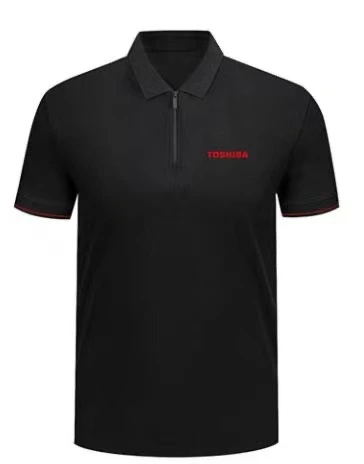
Taking good care of your Branded Polo shirts will make sure they keep their clean look, bright colours, and logos even after many washes. Sort Branded Polos by colour before cleaning them to keep the quality. Use cold or lukewarm water with mild soap and a gentle cycle to keep the fabric from getting too stressed. Do not use bleach or fabric softeners that are too strong because they can damage fibres and make logos fade. Drying clothes in the air or on low heat in a dryer keeps them from shrinking and keeps their shape. It's important to read the care notes on clothes because different fabric mixes, like cotton and performance polyester, need different methods. By adhering to these rules, you can protect your investment in Branded Polo shirts and guarantee that your team or client base will all wear your brand in the same way.
Introduction
The longevity and good looks of business clothing purchases are directly related to how well they are cared for. In business-to-business purchasing, when large purchases need significant financial commitments, maintaining apparel quality results in cheaper replacement costs and improved brand consistency. Branded Polo shirts are first-line ambassadors of your company's image, whether they are worn by tech teams, promotional event crews, or support personnel. Your professional image suffers and you are forced to make unplanned arrangements when these clothing fade, shrink, or lose their form too quickly. North American and European procurement workers are becoming more and more aware that strategic garment care can increase the lifecycles of products by 40 to 60 percent, which can lead to measured changes in return on investment (ROI). Setting up strong cleaning rules protects both the garment itself and the brand's reputation. Knowing how to take care of clothes is an important part of current uniform management strategies.
Understanding the Challenges in Caring for Branded Polo Shirts
Common Quality Degradation Issues
One of the most obvious problems with branded outfits is that the colours fade over time. When UV light and harsh cleansers come together, they remove dye molecules from the surface of fabrics, especially darker colours like blue and black. Blends with a lot of cotton are more likely to break down this way. Blends with a lot of polyester keep their colour better, but they may pill over time. Another big problem is shrinkage. Clothes can lose 3-5% of their original size when they are washed or dried in hot water, which can make them fit wrong and require replacements.
Root Causes of Washing Damage
Too hot of water speeds up the breaking down of fabrics by weakening the ties between fibres and starting harsh chemical reactions with cleansers. A lot of commercial washing facilities use hot water cycles (above 60°C) that damage fabrics. Harsh alkaline soaps get rid of stains well, but they also remove the natural oils from cotton fibres and fade logos that are screen-printed or stitched. When washing machines are overloaded, they create mechanical stress through too much friction. This causes pilling, seam separation, and warping of ribbed collars, which is what makes Branded Polo shirts unique from regular t-shirts. The risks for procurement teams that are in charge of outfits for the hotel or service industries are higher because these clothes are washed a lot, which turns small care mistakes into big quality problems.
Impact on B2B Procurement Outcomes
A drop in quality sets off a chain of bad business outcomes. Customers who are unhappy return broken goods, which adds to the work of employees and the cost of moving goods. A lot of changes make it hard to keep track of supplies and put a strain on relationships with suppliers. Customers lose trust in brands when employees wear Branded Polo shirts that are clearly worn out or poorly fitted. This is especially true for customer-facing jobs in business and restaurant settings where first impressions are important. When purchasing managers know about these problems, they can take steps to protect both their clothing purchases and the brand's image.
Essential Principles for Maintaining Branded Polo Shirt Quality
Understanding Fabric Composition
The type of fabric your branded polo shirts are made of will determine how best to care for them. Breathable and cozy, made entirely of cotton In order to prevent shrinkage and color loss, branded polos must be treated with greater care. Polyester-cotton blends (often 65/35 ratios) are ideal for establishments like hotels and restaurants that frequently wash their clothing since they don't expand and maintain their form. Performance polyester textiles with moisture-wicking technology require extra care to maintain their beneficial properties since fabric softeners can clog the microfibre structure and make it more difficult for the fabric to breathe. Good branded polos retain their form best when washed in cold water with minimal movement due to their quique knit structure, which gives them their honeycomb design.
Temperature Control Strategies
The water's temperature is the primary factor that determines how long clothing lasts. Business buyers who are concerned about the environment appreciate the sustainability benefit of cold water washing (below 30°C), which prevents colors from running, stops shrinkage, and consumes less energy. Using lukewarm water (30–40°C) to clean fairly dirty clothes works well without doing a lot of damage. Hot water should only be used on dirty industrial work clothes and never on branded business Branded Polos, where keeping the shirt's look is more important than getting rid of dirt.
Detergent Selection Guidelines
Mild, pH-free cleansers preserve colors and protect cloth fibers. Avoid using optical brighteners with cleansers because they make objects look whiter than they actually are and cause the brightness to fade unevenly over time. Less residue builds up since powder detergents don't dissolve as thoroughly as liquid detergents, which might give fabrics a lifeless appearance. Protein stains may be removed from textiles with enzyme-based cleaners since they don't require high heat.The amount of soap you use is also important. Using half of what the maker suggests usually cleans well while lowering the chemical exposure that breaks down fabrics faster.
Welston's Branded Polo shirts are made with fabrics that are made to last through a variety of washing situations. Our short-sleeved Branded Polo shirts are made from materials that don't wear down easily and keep their crisp look even when washed a lot, which is common in the hotel business. Our long-sleeved shirts have dimensional stability treatments that keep them from shrinking. We've been understanding buying problems in European, North American, and Middle Eastern markets for 27 years, which shows in these design factors.
Step-by-Step Best Practices for Washing and Caring for Branded Polo Shirts
Pre-Washing Preparation
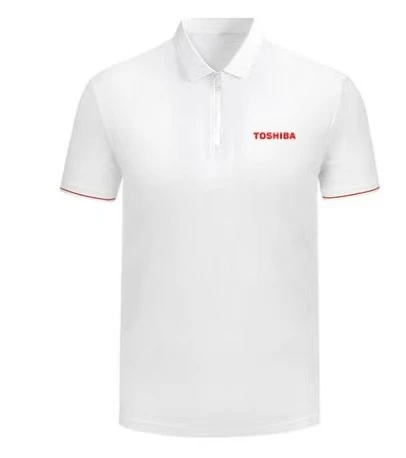
First, carefully read the care notes that came with each item of clothing. These tags give advice that is specific to the fabric and takes the place of general suggestions. Sort Branded Polos by how bright the colours are—wash whites separately, put clothes of the same colour together, and keep new clothes away from old ones for the first two or three washes to keep the dye from transferring. Before cleaning, turn Branded Polos inside out to protect the outsides and marking from direct mechanical friction. To keep the collar's shape during the wash cycle, make sure all of the placket buttons are closed. Check your pockets and take out anything that could get dirty or damage the jean.
Machine Washing Techniques
Choose a soft or delicate cycle that will make the disturbance less intense. Standard rounds cause too much shifting, which puts stress on seams and speeds up the formation of pilling. Overcrowding machines stops water from circulating properly and makes fabric-to-fabric contact worse. Only load them to 70% of their maximum capacity. If you can, add the soap straight to the drum instead of the dispenser drawer. This will make sure that it is spread out evenly. Do an extra washing cycle to get rid of all the detergent residue that would otherwise build up in the cloth pores and make it easier for dirt to stick to it as it wears. This method works especially well for businesses that wash a lot of clothes for events or big orders from companies.
Hand Washing Alternative
Hand washing is an option for small quantities or delicate customizations like 3D logos and plastic sealing. Dissolve a tiny amount of light soap in a basin of lukewarm water before submerging clothing in it. Press the fabric against itself to gently move it rather than rotating or wringing it, which can alter the structure of knits. After soaking for no more than 15 to 20 minutes, drain and thoroughly rinse with clean water. Don't twist Branded Polos as this might harm the embroidered logos and ribbed collars; instead, gently press out any excess water.
Drying Best Practices
Letting something air dry is the greatest method of drying things. This prevents shrinking caused by heat and maintains the fabric's integrity. To maintain their form, In order to prevent the colors from fading, branded polo shirts should be placed flat on clean blankets or hung on racks with broad shoulders. Use the lowest heat setting and remove clothing from the dryer when still slightly damp to prevent fabrics from becoming overly dry and brittle. Clean the dryer lint screen before each usage to maximize airflow and save drying time. Wet Branded Polos should not be kept wrapped up in baskets since this promotes the development of mildew and long-lasting creases.
Ironing and Pressing Guidelines
Iron Branded Polo shirts inside out at temps that are moderate for the cloth. Cotton can handle higher temperatures (150–180°C), while polyester blends need cooler temperatures (110–130°C). For wrinkles that won't go away, use steam and keep moving the iron to keep it from getting too hot. Working from the edges toward the middle, press the collar flat from the bottom up. If you press directly over a printed or embroidered name, the heat could melt the glue or change the tension of the threads. A pressed Branded Polo shirt shows that you are responsible, which is good for your brand's image.
Storage Recommendations
Branded polos should be kept dry and clean in climate-controlled areas away from areas with extremes in humidity and temperature. Clothes should be hung with adequate space between them to allow air to circulate and prevent mustiness. To prevent the bottom items from being crushed, you could alternatively stack Branded Polos horizontally rather than vertically and fold them neatly along the seam lines. Use lavender bags or cedar blocks in place of mothballs. Chemical odors left by mothballs seep into clothing. To ensure that every item in a warehouse is aged uniformly, stock should be rotated often. Maintaining consistency throughout large campaigns or routine rollouts is crucial.
Case Studies of Effective Polo Shirt Care in B2B Procurement
Hospitality Industry Success
A European hotel company that was in charge of uniforms for 2,000 employees at 15 sites put in place standard care instructions that cut the number of times clothes had to be replaced by 35% per year. They set up centralised washing rooms with commercial-grade machines set up for gentle runs at steady temperatures. Each property came with thorough washing directions that stressed using cold water and mild detergents. Using RFID tags, they kept track of clothing lifecycles and found that Branded Polos kept looking good after 80 to 100 wash cycles when care instructions were followed, but only 50 cycles when hot water methods were used. This case shows how institutional understanding about how to take care of clothes properly leads directly to cost saves and better operations.
Corporate Uniform Programs
A North American tech company that provided Branded Polos to 5,000 workers spread across various offices included care directions in their onboarding materials and internal emails. They worked with sources to get information about the fabrics used and to have personalised care tags made into each item. After educational efforts, 78% of employees followed the suggested washing methods, which led to fewer complaints about how they looked and longer uniform refresh rounds from 18 months to 24 months. The company estimated that cutting down on replacement orders would save them about $120,000 a year while keeping the brand look uniform across all of their employees.
Promotional Event Applications
An international advertising firm that put on big brand marketing events in Asia-Pacific markets had trouble with clothes that didn't always look the same after being washed between events. They worked with makers to find Branded Polos made of fabrics that were tightly woven, had low twist, and were very colourfast. By following pre-event washing instructions that used cold water and air drying, they were able to reuse 90% of the clothes at different events over the course of six months. This method cut the cost of clothing for each event by 40% while still making sure that everyone looked clean and professional. This shows that with the right care, discarded advertising items can be turned into reusable brand assets.
Summary of Key Takeaways and Actionable Tips
Proper care of branded polos extends garment lifespan by using cold water, mild detergents, gentle cycles, air drying, and correct sorting and load limits. Procurement should formalize care standards in contracts, include fabric details, and provide user guidance. Tracking garment lifecycle data improves cost efficiency. Pilot testing care instructions reduces risk, while experienced suppliers like Welston ensure proper alignment between fabric use and maintenance requirements.
Conclusion
When washed and cared for properly, Branded Polo shirts go from being throwaway items to long-lasting investments that keep giving value over their useful life. Procurement workers can increase the life of clothes by 40 to 60 percent while keeping the same level of quality by controlling temperatures, using the right detergents, reducing mechanical stress with easy processes, and using air drying methods. These rules are especially important in business, leisure, and marketing settings where consistent look has a direct effect on how people see a brand. By writing down care instructions, working with knowledgeable providers, and teaching end users, you can make complete garment management systems that cut costs, reduce waste, and improve brand exposure at all points of contact with customers.
FAQ
1.What type of detergent works best for branded polo shirts?
Liquid soaps that are mild and have a neutral pH level clean well without hurting fibres or fading colours. Stay away from goods that have bleach, optical brighteners, or harsh alkaline chemicals in them. Formulations based on enzymes can get rid of organic spots well at lower temperatures, which makes them perfect for performance polyester materials. Use about half of the amount that the maker says to in order to keep chemical waste from building up, which attracts dirt and makes the surface look dull over time. Sport soaps made for technical fabrics work well with Branded Polo shirts that wick away sweat, but they are more expensive than regular laundry detergents.
2.How can I verify polo shirt durability after multiple washes?
Rub a damp white cloth against the fabric after washing to see how colourfast it is. If there is a lot of colour transfer, it means the dye wasn't made well or the fabric wasn't cared for properly. Before and after cleaning, measure the chest width, length, and sleeve length to make sure the clothes are stable in size. Good clothes should shrink by less than 3%. Check the name areas for cracks in printed images or threads coming loose in embroidered designs. Check the quality of the collar. Branded Polo shirts that are properly built have collars that stay flat and crisp even after 50 or more wash cycles. These ways of judging help buying teams check that suppliers are telling the truth about the quality of their products and find holes in care protocols that need to be fixed.
3.What drying method prevents shrinkage most effectively?
Air drying stops fabrics from shrinking because of heat and keeps their flexibility and colour brightness. Clothes should be hung on wide hangers in well-ventilated rooms out of direct sunlight or laid flat on clean towels. If you have to air dry for work reasons, use the lowest heat setting and take out the Branded Polos while they are still slightly wet. This will let them dry naturally. This mixed method strikes a good balance between speed and clothing safety. Commercial dryers with exact temperature controls work better than household dryers. This is why centralised laundry operations are better for handling big stocks of uniforms in business or catering settings.
Partner with Welston for Premium Branded Polo Solutions
To keep the quality of the clothes you buy, you should start by buying from experienced makers who know what B2B buyers want. Since 1998, Welston has been making business uniforms for clients in North America, Europe, the Middle East, and the Asia-Pacific area. Our Branded Polo source can make any changes you want to the materials, sizes, and colours. They can do this with the help of modern equipment from JUKI and SHINLING that is spread out over 10 separate production lines.
We have both short- and long-sleeved Branded Polo shirts with fabrics that don't wear down easily and that wick away sweat. You can also customise your shirts by embroidering, printing, or adding a 3D logo. Our production know-how makes sure that clothes can stand up to strict cleaning instructions and keep their professional look for a long time. We help procurement teams choose the best fabric compositions and care needs for their uses by offering thorough pre-sale talks, clear order processes, and committed after-sale support.
Our team offers custom solutions based on decades of experience in the field, whether you need hospitality outfits that need to be washed often, business clothing for work, or promotional clothing for a variety of events. Get in touch with [email protected] to talk about your Branded Polo needs, ask for samples that show our high standards of quality, and get access to detailed care instructions that will protect your uniform investments.
References
1. American Apparel & Footwear Association. "Textile Care and Maintenance Standards for Corporate Uniforms." Industry Technical Guidelines, 2022.
2. Textile Research Journal. "Effects of Washing Temperature and Detergent Type on Fabric Dimensional Stability and Color Retention in Blended Knit Garments." Volume 91, Issue 7, 2021.
3. International Journal of Clothing Science and Technology. "Lifecycle Assessment of Corporate Uniform Programs: Impact of Care Protocols on Garment Longevity." Volume 34, Issue 3, 2023.
4. Society of Dyers and Colourists. "Colorfastness Testing Methods and Industry Standards for Branded Apparel." Technical Manual, 2020.
5. Journal of Fashion Marketing and Management. "B2B Procurement Strategies in Corporate Uniform Supply Chains: Quality Assurance and Care Protocol Integration." Volume 26, Issue 4, 2022.
6. Clothing and Textiles Research Journal. "Comparative Analysis of Washing Methods on Logo Durability in Embroidered and Screen-Printed Corporate Polo Shirts." Volume 40, Issue 2, 2023.

We specialize in designing, producing, and selling corporate clothing. Mainly produces: industrial clothing, business uniforms, and work clothes for different companies.

About Welston Garments


