Reasons Work Trousers Are a Great Choice
Choosing the right business clothes has a big effect on safety, efficiency, and managing long-term costs at work. Work trousers are an investment that pays off in the form of increased longevity, adherence to safety regulations, and ergonomic design that is tailored to the needs of the workplace. Unlike regular trousers, these specialised clothes have stronger stitching, useful pocket layouts and fabric mixes that are made to handle the daily stresses of work. For procurement managers in North America who are in charge of uniform programs in construction companies, logistics operations, and retail distribution centers, choosing high-quality work trousers means fewer replacements, happier employees, and compliance with ANSI safety standards. Because of this, professional-grade trousers are a smart choice for companies that want to protect their workers and run their operations more efficiently.
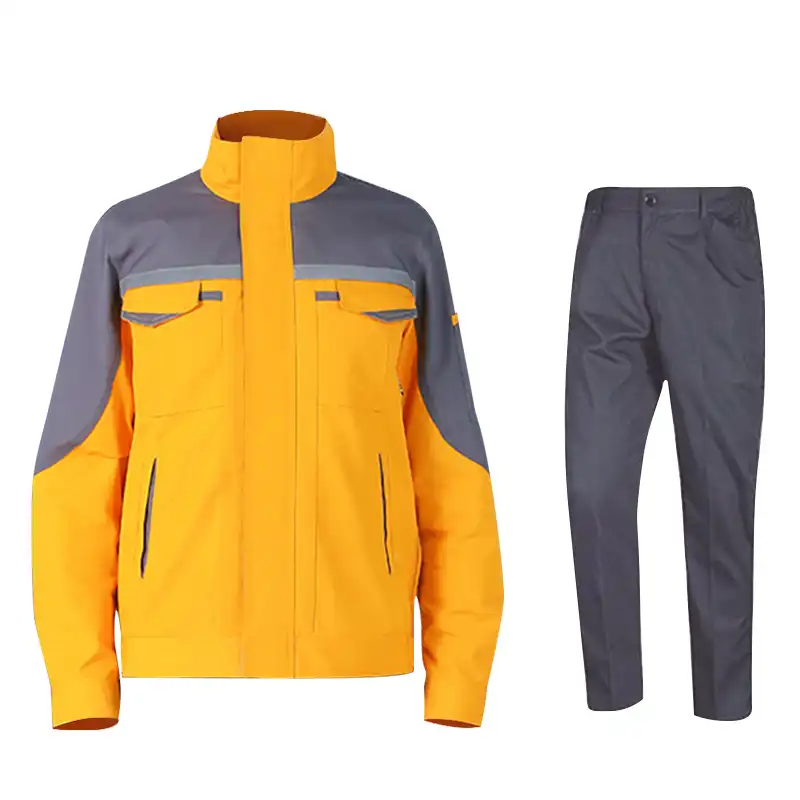
The Core Benefits of Work Trousers Over Regular Pants
Superior Durability Through Advanced Fabric Engineering
Work trousers for professionals stand out because they are made with care and attention to detail that normal clothes just can't match. We've noticed that high-performance clothes usually use cotton-polyester mixes between 245 GSM and 300 GSM, which are the best balance between being breathable and not tearing easily. Because ripstop weaving designs are used, small holes don't get bigger, which is a popular way for regular casual trousers to break.
Another important benefit is that reinforced places are safer. When double-layer fabric is strategically placed at the knees, seat panels and tool bag clips, the trousers last 40 to 60 percent longer than regular trousers. On construction sites in Texas, California, and the Midwest, crews who switch from wearing jeans from stores to wearing clothes made for work have longer service times. Triple-needle stitching at stress points, like the inseams and crotch gussets, keeps the seams from coming apart too soon, which happens with cheaper options when you do repeated movements like moving, climbing, or kneeling.
Integrated Safety Features Meeting Regulatory Standards
In North American industrial areas, safety compliance drives big choices about what to buy. Work trousers made for professional settings have safety features that meet ANSI standards. This lowers the risk of harm in a measured way. Retro-reflective stripes on high-visibility versions keeps people visible from more than 1,000 feet away, even when it's dark outside. This is very important for roadworks crews, warehouse logistics staff and early-morning building teams.
Flame-retardant treatments are used to protect against thermal dangers in places like manufacturing plants, welding shops, and electrical repair shops. These special clothes don't catch fire and put themselves out when they're taken away from flames. This keeps people from getting seriously hurt when synthetic fabrics melt. Waterproof coatings keep people who work in landscaping, utility maintenance, and outdoor logistics from being wet for long periods of time, which can cause hypothermia and skin problems.
Adding knee pad pockets that work with EN 14404 Type 2 inserts is an example of how modern clothing takes health at work into account. Plumbers, tile workers, and flooring experts who kneel for long amounts of time can benefit from pressure that is spread out. This lowers joint stress and long-term cartilage damage.
Enhanced Comfort and Climate Adaptability
There is a direct link between user comfort and job success. Professional work trousers feature breathable fabric structures that manage sweat buildup during physically demanding tasks. The cotton content naturally lets air flow, and the polyester fibres help the fabric dry quickly and keep its shape after many washes.
Articulated knees and gusseted crotches let you move freely without the fabric getting in the way, which is a common problem with clothing that is too tight. This ergonomic factor keeps people from getting tired while climbing ladders, using tools, and moving things around. Adjustable waistband systems can fit a wide range of body types, so workers don't have to deal with the discomfort and safety risks that come with clothes that don't fit right.
Seasonal flexibility makes something useful in all of North America's temperature zones. Lightweight summer-weight options work well in the south and in warehouses, while padded winter-weight options are good for working outside in the north. This flexibility lets purchasing teams stick to a few trusted sources while still being able to change the specs to fit the needs of different regions.
Comparing Work Trousers with Other Workwear Options
Performance Analysis Across Trade-Specific Applications
Electricians are at risk of certain things that regular jeans can't cover. Professional work trousers made for the electrical trades have anti-static features, tool pockets that are placed so that weight is evenly distributed and hammer loops that keep the trousers from getting caught on ladder rungs and tubing. The stronger fabric doesn't get worn down by going through attics and under buildings, so it stays in good shape while regular denim holes in just a few weeks.
Oil-resistant coatings help mechanics because they keep oil-based fluids from getting through fabric and onto the skin. This barrier protects and makes cleaning easier, which is important for businesses that run uniform wash programs. The different pocket layouts can hold the different sets of tools that mechanics use, which cuts down on trips to the toolbox and speeds up work.
Construction workers need full security against a number of risks at the same time. Premium work trousers have built-in designs that make them resistant to wear and tear, visible, and storage-friendly, which jeans can't do. When knee reinforcements and luggage bags are added to basic leg covering, they become useful tools that boost work on the job site.
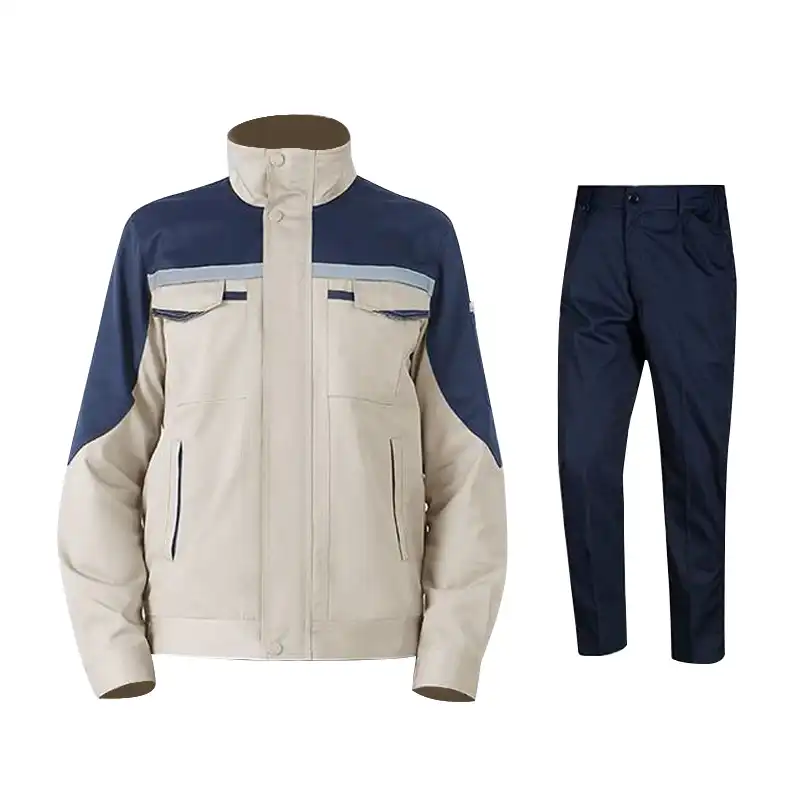
Waterproof and High-Visibility Variants for Specialized Environments
When working outside in weather that is hard to predict, you need special safety. Work trousers that are waterproof have laminated layers or thick weave treatments that keep the trousers breathable while stopping water from getting in. Landscapers, utility workers and transportation workers say that having the right weather protection makes them much more comfortable and cuts down on sick days.
High-visibility clothing helps prevent the 17,000 injuries that happen to pedestrians every year in U.S. work zones. With fluorescent background colours and shiny stripes, they are easy to see at dawn, dusk, and night. These clothes meet ANSI/ISEA 107 standards, which means they are legal and make operations on the side of the road, airport ground crews, and emergency responders safer.
Functional Advantages of Integrated Design Elements
The smart placement of strengthened knee plates shows that professional workwear is better than casual clothing that has been modified. These reinforcements spread pressure over a larger surface area, protect the fabric underneath from wear and tear, and allow for padding to be inserted without adding bulk or making it hard to move. Installers of flooring and HVAC systems say that this feature is the main thing that makes clothes last longer.
Tool pockets made just for tradespeople get rid of the need for temporary fixes. Hammer loops, utility knife pockets, and phone pockets keep important things safe and easy to get to. This organization reduces time waste searching for tools and stops loss of expensive equipment—delivering measurable productivity gains that support premium price.
How to Select the Best Work Trousers for Your Business Needs
Matching Fabric Specifications to Operational Requirements
Fabric selection should match operational conditions. Medium-weight 245–260 GSM cotton-polyester blends suit indoor warehouse and light assembly work, offering comfort and durability in controlled environments. Heavier 280–300 GSM fabrics are preferred for construction, demolition, and outdoor infrastructure due to higher resistance to abrasion, UV exposure, and heat. Heavy-duty canvas and duck cloth are ideal for landscaping, forestry, and agriculture where snag resistance is essential.
Safety Certifications and Compliance Considerations
Understanding the rules and regulations stops mistakes in buying that cost a lot of money. ANSI guidelines set the base requirements for clothing that is high visibility, resistant to flames, and safe from impacts. Before finalising large orders, procurement managers should ask for proof paperwork that proves compliance.
The certification marking typically appears on garment labels, indicating which standards the product meets. This paperwork becomes important during safety audits and incident probes. When you work with manufacturers who follow strict testing procedures, like those with ISO 9001 quality certifications, you can be sure that the products you receive will meet your needs.
Sizing Precision and Fit Considerations for Diverse Workforces
The right size has a direct effect on both safety and efficiency. Clothes that are too small make it hard to move and cause stress points that are likely to break. Clothes that are too big make it easy to get caught on machines. Professional providers have detailed size guides that include choices for inseam length, waist size, and rise, so that clothes can fit a wide range of body types.
Fit sampling before full rollout is helpful for programs that buy in bulk. By ordering sample sizes, you can find out about any problems with the fit, length, or comfort before you buy a lot of them. This proactive method cuts down on returns, swaps, and unhappy employees.
Customization Opportunities for Brand Identity
When you buy at least 100 pieces, you can customise them in ways that strengthen your company's personality. Generic work clothes can be turned into unique outfits by adding company logos, safety messages, and colour-coded tags for each area. This visual uniformity makes clients and customers think you're a professional, and it brings workers together as a team.
Welston lets you change a lot of things about their products, like where the name goes, how the pockets are set up, and how the colours match your company's standards. Customised solutions like adding extra tool loops for repair teams and ID badge holders for security staff meet specific operating needs. Customisation is possible for all businesses, not just big ones, thanks to the 100-piece minimum.
Maintenance and Longevity: How to Care for Work Trousers
Washing Protocols Differentiated by Fabric Treatment
Taking good care of something greatly increases its useful life and keeps its defensive qualities. Standard cotton-polyester work trousers can be washed in industrial settings at temperatures up to 60°C (140°F) with little shrinking if you follow the instructions from the maker. Before washing in a machine, using professional degreasers is a good way to get rid of heavy soil.
Flame-resistant clothes need to be handled in a certain way. When cleaned according to the instructions, treated FR materials keep their defensive qualities for about 50 wash cycles. If you stay away from fabric softeners and chlorine bleach, the chemical processes that make things resistant to fire will last longer. Inherent FR fabrics made from modacrylic or aramid fibres offer long-lasting security, but they cost a lot.
After a long time of use, waterproof work trousers need to have their DWR (Durable Water Repellent) turned back on. After cleaning, tumble drying on medium heat refreshes the layer and brings back the beading qualities. When DWR stops working properly for good, spray-on treatments make it last longer before it needs to be replaced.
Repair Versus Replacement Decision Frameworks
Strategic fixing lowers the total cost of ownership. When reinforced knee panels and seat patches are put on before the fabric completely fails, they add months of extra service. Mobile sewing services that work on building sites and in factories can fix small problems like torn pockets or belt loops that aren't attached properly at a low cost.
Safety features that aren't working right, a lot of cloth thinning, and zipper failure at multiple stress points are all signs that it's time to replace it. When clothes don't meet safety standards anymore, especially when they need to be high-visibility or resistant to flames, continuing to use them causes more risk than the cost of replacing them. Inventory management tools tracking garment age and wash numbers support data-driven replacement scheduling.
Lifecycle Optimization Strategies
The most value is gained by moving clothes between service levels. As new clothes come out, they are first used in customer-facing or high-visibility safety roles. As the clothes get older, they are moved to back-office or lower-risk roles. With this cascading method, all the usefulness is taken out before the final exit.
Documentation of buy times, wash counts, and repair records helps predictive replacement planning. Large operations benefit from working with uniform service providers who track these measures automatically, notifying procurement teams when inventory restocking becomes necessary. This organised method stops both clothes that are too worn out to be worn and clothes that are thrown away too soon.
Economic and Procurement Advantages of Choosing Work Trousers
Bulk Purchasing Benefits and Volume Discount Structures
Businesses that buy the same brand of professional clothing can save a lot of money through economies of scale. When compared to small-quantity prices, orders with more than 500 pieces usually get 15–25% off. Annual contracts make sure that there is a steady supply and lock in good rates, even if the market changes.
Logistics prices per unit go down when shipping is consolidated. Container-load direct imports from makers get rid of markups for distributors, but this method needs advanced inventory management and quality control skills. Regional distribution centers that serve markets in North America find a good mix between lowering costs and meeting supply deadlines.
Supplier Relationship Management for Long-Term Value
Forming relationships with dependable companies that make work trousers has benefits that go beyond unit price. Preferred customers get first choice on production schedules during busy times, early access to new products, and flexible payment terms. These connections are especially helpful when you need to replace clothes right away because your workforce has grown or because they suddenly stop working.
Consistency in quality is an important benefit that is often forgotten. Suppliers who follow strict rules get rid of the variability that comes with buying on the spot market. When employees know that replacement orders will always be the same size, comfort, and durability, they are happier and less likely to complain.
Customization as Brand Investment and Employee Satisfaction Driver
Customers see expertise in branded outfits, and employees feel a sense of team identity and pride. Well-designed, well-fitted work clothes have a positive psychological effect that leads to measurable increases in engagement. When employees wear customised, easy work trousers, they are happier with their jobs than when they are given basic options.
The practical benefits go beyond improving mood. Embroidered names or ID numbers make things less likely to be stolen or lost, and colour-coded staff identification makes things run more smoothly in big buildings. High-visibility customisation supports a safety culture by making protective clothing the usual choice instead of something workers can choose not to wear.
Since 1998, Shenzhen Welston Garment Co., Ltd. has been doing business around the world, specialising in professional clothing across three factories and ten production lines. The company's 580-person staff runs modern Japanese JUKI and Taiwanese SHINLING equipment, ensuring precision building and consistent quality. Partnerships with big companies like Panasonic, Toyota, and Dell show that the company is reliable, which is what buying professionals look for in long-term sources.
Conclusion
When it comes to challenging work settings, professional work trousers are the best choice because they offer real benefits. Engineered durability, built-in safety features, and purpose-built functionality all work together to solve the problems that industrial workers face every day. When purchasing managers try to find a balance between keeping costs low and making sure workers are safe, they find that investing in high-quality work clothes pays off in the long run by increasing safety, lowering total ownership costs, and making workers happier.
The North American market places a lot of value on meeting ANSI standards, having useful features like reinforced knees and tool pockets, and being able to customise in ways that support corporate branding. By choosing the right fabric weights, learning about certification standards, and following the right care procedures, you can get the most out of your investment and make sure that clothes do their protective job for as long as they are used. Partnering with well-known makers that offer discounts for buying in bulk, helpful customer service, and reliable quality control makes shopping more efficient in ways that go beyond saving money on the initial purchase.
FAQ
1.What makes professional work pants different from regular pants?
Professional work trousers are made with special materials and building techniques, like stress spots that are strengthened, useful pocket layouts and fabric mixes that are made to fight wear and tear. These clothes meet safety standards for the workplace because they have high-visibility stripes, flame-retardant treatments and waterproof coats that regular trousers don't have. When worn to work, the triple-stitched seams and gusseted crotches keep the trousers from falling apart early like most casual clothes do.
2.How do I determine the right fabric weight for my workforce?
The choice of fabric weight relies on the work conditions and the amount of exercise. Light assembly work and working in a building do well with 245-260 GSM medium-weight choices that are comfortable in climate-controlled spaces. For big building, outdoor infrastructure projects, and demolition work, you need 280–300 GSM heavy-duty fabrics that can handle rough surfaces and tools. Think about the weather trends in your area. Operations in the south tend to need smaller weights, while outdoor work in the north needs heavier, warmer choices.
3.Can work pants be customized for our company branding?
Most skilled sellers let you make changes, but you have to buy at least 100 pieces to start. You can get embroidered company branding, printed safety messages, custom pocket layouts, and colours that match your business's standards. Customization turns basic workwear into customised outfits that project efficiency while building team identity. Welston offers a wide range of customisation options, such as placing logos, assigning colours to departments, and adding custom features that meet the needs of specific operations.
Partner with Welston for Your Work Trousers Supply Needs
Welston is ready to meet your professional workwear needs thanks to 30 years of excellent production and trusted relationships with leaders in the field. Our three factories and ten production lines give you the capacity and freedom you need for tight delivery plans, whether you need 100 custom pieces or a whole container load of goods. As a provider of work trousers with a lot of experience, we know how hard it is for North American companies to find the right mix between safety rules, durability standards, and budget concerns.
Our quick-to-respond team gives quotes within 24 hours and useful answers to specific problems, like figuring out the right size for complex rollouts across multiple sites and arranging phased deliveries that fit project schedules. Because you can customise at least 100 pieces, customised uniforms can be used for any size business. Get in touch with [email protected] to talk about your particular needs and find out how our manufacturing skills, quality control systems, and flexible payment terms help North American building companies, logistics companies, and retail businesses save money on their purchases.
References
1. American National Standards Institute. (2020). ANSI/ISEA 107-2020: High-Visibility Safety Apparel and Accessories. Washington, DC: ANSI Publications.
2. Bureau of Labor Statistics. (2022). Occupational Safety and Health Statistics: Workplace Injury Prevention Through Proper Protective Equipment. U.S. Department of Labor.
3. International Organization for Standardization. (2021). ISO 13688:2013 Protective Clothing - General Requirements. Geneva: ISO Standards Catalogue.
4. National Safety Council. (2023). Best Practices in Industrial Workwear Selection and Maintenance Programs. Itasca, IL: NSC Press.
5. Textile Research Journal. (2019). "Comparative Durability Analysis of Occupational Garment Fabrics Under Simulated Work Conditions." Journal of Applied Textile Research, Vol. 87, Issue 4, pp. 312-328.
6. Workwear Procurement Institute. (2022). Strategic Sourcing Guide for Corporate Uniform Programs: Cost Optimization and Quality Assurance. Chicago: WPI Publications.
We specialize in designing, producing, and selling corporate clothing. Mainly produces: industrial clothing, business uniforms, and work clothes for different companies.

About Welston Garments


