How do reflective work trousers improve safety?
Safety isn't just a box to be checked; it's what makes operations great. Retroreflective materials in reflective trousers send light back to its source, like car headlights, so workers can be seen better when there isn't much light. This important design feature makes accidents much less likely to happen in places with moving traffic, big machinery, or operations at night. These specialized work pants meet strict safety standards like ANSI/ISEA 107 and EN ISO 20471 when worn with compatible tops. This creates a complete safety system that protects your employees and makes sure you follow the rules in North America, Europe, and other places around the world.
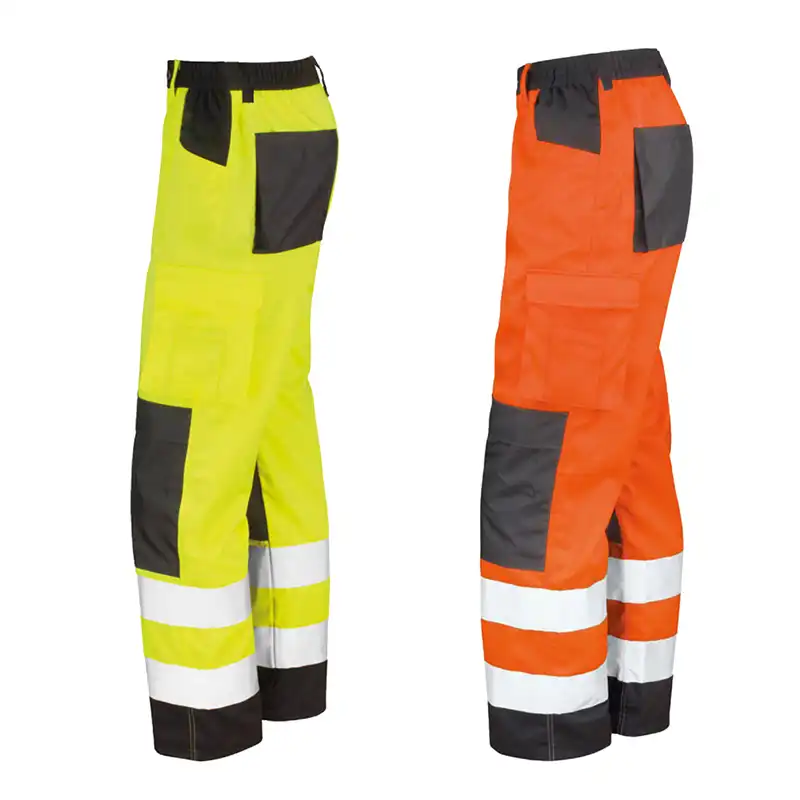
Understanding Reflective Work Trousers and Their Safety Benefits
The Science Behind Enhanced Visibility
Normal work clothes are nearly invisible in darkness or poor weather. Reflective trousers with retroreflective tape achieve Coefficient of Retroreflection exceeding 330 cd/(lx·m²), making wearers visible from 300 meters. Construction sites, transportation hubs, and roadside repair work create constant visibility challenges. High-visibility jackets and reflective trousers work together for full-body recognition, helping drivers see workers as whole people instead of isolated bright spots.
Meeting Regulatory Requirements Across Markets
ANSI/ISEA 107 classifies clothing by performance area and reflective material coverage. Reflective trousers are Class E (Enhanced Visibility); worn with Class 2 or 3 tops, they create Class 3 ensembles for highway work zones. EN ISO 20471 standards in European markets set chromaticity coordinates and minimum reflective surface areas. Compliance requires maintaining photometric properties through 25-50 industrial wash cycles based on quality grade.
Reducing Workplace Incidents Through Strategic Design
Biomechanical concepts determine reflective band placement on work pants. Horizontal leg stripes and vertical seam stripes help observers judge distance and movement direction. This design is especially useful during dynamic work like kneeling, climbing, or using tools. Construction safety reports show significantly lower accident rates with complete high-visibility programs including lower-body protection, offering 24/7 safety that regular work pants cannot provide.
Key Types and Designs of Reflective Work Trousers for Different Needs
Standard High-Visibility Models
Basic reflective trousers have a background of bright yellow or orange polyester and retroreflective tape sewn on in a way that meets the basic certification standards. These clothes are good for places with a modest risk of injury, like loading docks in warehouses, airport operations on the ground, or city maintenance teams working in areas with controlled traffic. The simple design strikes a good mix between low cost and important safety features. This makes them good for large-scale purchases where cost concerns must be met along with legal requirements.
Multi-Functional Technical Designs
Waterproof reflective trousers use PU-coated 300D Oxford cloth with sealed seams maintaining hydrostatic pressure above 5,000mm. Breathable technical fabrics include moisture-wicking properties for physical tasks. Flame-retardant models serve oil and gas operations, offshore platforms, or chemical plants. Procurement managers must verify specific certifications match operational risks, as standard polyester melts at high temperatures and poses serious burn risks.
Industry-Specific Configurations
Construction-focused designs have reinforced knees with foam padding pouches for electricians and plumbers. Cargo pockets keep tools safe without reducing reflective surface area. Logistics applications need ergonomic designs with mechanical stretch panels for bending, lifting, and vehicle entry. Adjustable waistbands and varied inseam lengths ensure proper fit for diverse workforces, directly affecting safety since ill-fitting clothes reduce protection and comfort.
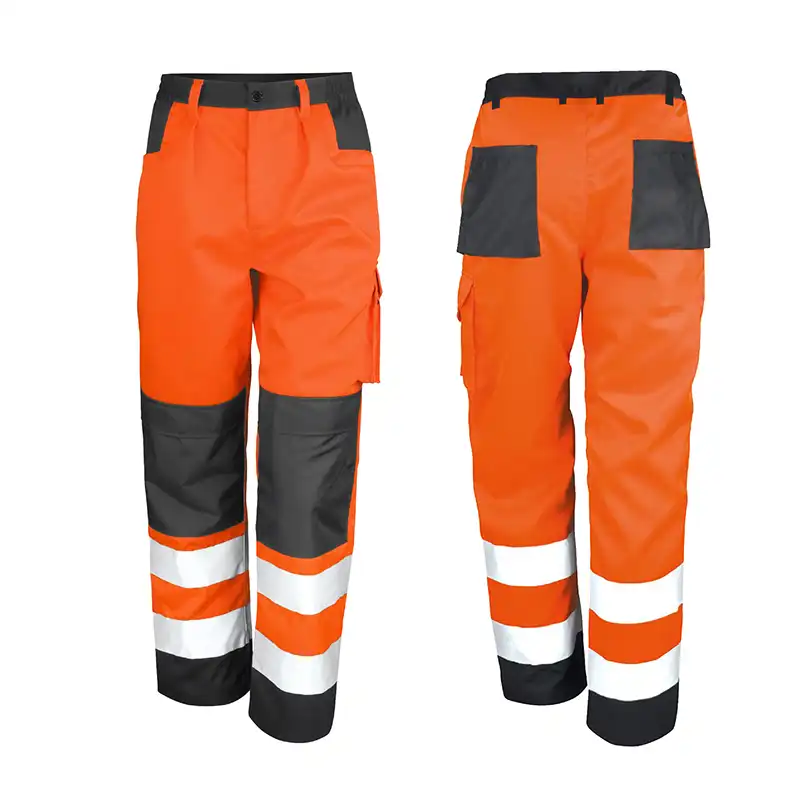
Selection Criteria for Procurement: Choosing the Best Reflective Work Trousers
Assessing Operational Risk Profiles
Highway construction near traffic over 45 mph needs Class 3 ensembles with maximum reflective coverage. Warehouse operations with controlled speeds may need lower classification levels, saving money without sacrificing safety. Environment affects material choice—rain-exposed workers need proper barrier properties. Procurement managers must balance safety features against comfort factors affecting compliance, as uncomfortable protective clothing is often removed by workers, eliminating all safety benefits.
Evaluating Quality and Certification
Welston's 27 years of professional clothing manufacturing demonstrates verifiable certification importance. Genuine high-visibility clothing has labels showing class grade, certification body, and care instructions maintaining protective qualities. Request third-party testing evidence. Premium glass bead tape maintains photometric performance after 50+ wash cycles; cheaper materials degrade after 10-15 washes. Acceptance testing procedures with measurable performance standards ensure shipments meet contract specifications.
Balancing Cost and Long-Term Value
The initial buying price is only one part of the total cost of owning. When clothes need to be replaced after a certain number of washes, it adds to the cost of buying new ones, the work of managing them, and the chance of compliance gaps while old clothes wait to be replaced. Even though they cost more up front, higher-quality reflective trousers with better cloth durability and shiny material adhesion are a better deal.
Buying in bulk can save you money by taking advantage of big prices and making sure there is enough inventory to keep operations running smoothly. With three factories, ten production lines, and more than 580 workers, Welston is able to reliably meet big orders while maintaining high quality standards. Medium-sized businesses can buy as few as 100 pieces, but they can still be customized to fit their needs for things like adding a logo, making the pockets fit in a certain way, or making sure the colors match their company branding.
Customization and Fit for the Workforce
Standardized sizes don't usually work well for a broad staff of different body types. Custom fitting programs make sure that all of your employees are the right size, which has a direct effect on their safety and comfort. When you wear reflective trousers that fit right, the reflective bands stay where they're supposed to be. Pants that sag or bunch change how visible you are and make your safety less effective.
Customizing the brand with stitched names or heat-transfer graphics strengthens the company's image while keeping up the professional look that's important for operations that deal with clients. Welston's ability to combine screen printing and heat transfer production makes decorating clothes quick and easy, without affecting the quality of the clothes or making the lead times longer. Requests for customization should include placement instructions that keep shiny elements out of the way and don't create snag risks.
Real-World Impact and Case Studies Demonstrating Safety Improvements
Quantifiable Incident Reduction
A building company in the mid-Atlantic that was in charge of expanding highways made all workers in traffic control zones wear high-visibility clothing, like reflective trousers with bright strips. Over the course of 18 months, the company saw a 43% drop in close calls involving contractor cars and a total end to accidents where vehicles were hit while paving at night. Safety officers said that the increase was due to better spotting of workers by machine operators and drivers going by.
Regional logistics companies operating delivery routes during early morning and evening hours face consistent visibility challenges in residential areas with limited street lighting.
Regional logistics companies that make deliveries in the early morning and late evening have a hard time seeing in private areas with few streetlights. One company that gave its drivers waterproof, reflective trousers and coats that matched saw a clear rise in safety measures across all of its drivers. In addition to fewer accidents, worker polls showed that they felt more confident and less stressed during deliveries at night, which helped them keep their jobs in an industry where turnover is usually high.
Compliance and Insurance Benefits
Insurance companies are becoming more and more aware of how valuable complete personal safety equipment programs are for lowering risk. Companies that have clear rules on high-visibility clothing, like how to keep them in good shape and when to replace them, can often get lower rates on their general liability and workers' compensation insurance. These cost saves help to cover some of the costs of buying protected clothing and strengthen the business case for good quality clothing.
It is impossible to avoid following the rules set by OSHA and state road safety laws in businesses that are affected by them. If you get a citation for not protecting your workers properly, you could face big fines and even criminal charges if someone gets seriously hurt or dies. Having proof that you bought approved reflective trousers and enforced rules that everyone must wear them gives you important legal protection during investigations of accidents and shows that you are trying to keep workplaces safe.
Workforce Acceptance and Program Success
It doesn't matter how good the safety gear is if people don't wear it all the time. Safety managers have said that the ease, fit, and longevity of clothing have a direct effect on compliance rates. Reflective trousers with flexible fabrics, ergonomic design features, and strengthened construction in high-wear areas are much more popular with workers than cheaper options that tear easily, make it hard to move, or make you feel hot.
Welston's relationships with big companies like Panasonic, Benz, Dell, Toshiba, and Toyota show that it is possible to make secure workwear that meets both safety standards and the needs of workers. These long-term partnerships show steady product quality, dependable delivery, and helpful customer service that procurement managers need to run important safety programs.
Maintenance, Cleaning, and Longevity of Reflective Work Trousers
Industrial Laundering Best Practices
If you take good care of your clothes, they will last longer and keep their protective qualities for longer. Industrial laundry services that specialize in high-visibility clothing know how to clean bright materials so that they don't lose their photometric performance. The water temperature shouldn't go above 140°F (60°C), and strong chemicals like chlorine bleach should be avoided because they break down retroreflective glues and fade bright dye.
Fabric softeners leave behind coatings on reflective tape that make it less effective at returning light, which makes it harder to see. Tumble drying at reasonable temperatures keeps retroreflective materials from getting damaged by heat and makes sure they dry completely, which stops microbes from growing. Companies that do their own laundry should write down the allowed chemicals, cycle parameters, and inspection processes for each clothing to make sure it meets minimum visibility standards before it is sent out again.
Inspection and Replacement Protocols
Regular check programs find clothes that need to be fixed or replaced before they stop working properly and leave safety gaps. A visual inspection should check the state of the reflective tape for peeling, cracking, or discoloration; the cloth for tears, excessive wear, or seam failure; and the bright background color retention to make sure it is visible during the day. Any clothes that don't meet any of the standards should be taken out of service right away.
Setting up set replacement plans based on how often an item is worn keeps you from throwing away usable clothes too soon and makes sure that worn items are thrown away at the right time. In high-intensity situations like roadside building, they might need to be replaced every six months, but in controlled warehouse settings, they might last longer than two years. Tracking systems that connect clothes to specific workers make it possible to see how they are used and make sure that new stock is distributed fairly.
Cost Management Through Lifecycle Planning
Adding up the prices of upkeep to the total cost of ownership gives you correct budgeting for procurement. Outsourcing commercial laundry usually costs two to four dollars per item of clothing per cycle. This means that a garment that is cleaned once a week will cost more than $100 to clean over the course of a year. These ongoing costs can sometimes be higher than the initial purchase price. This shows how important it is to choose clothes that are sturdy and can handle being washed more than once.
Large-scale laundry contracts arranged through complete clothing programs often get better prices that smaller accounts can't get. Putting reflective trousers and other dress items into a single service deal cuts down on paperwork and increases buying power. Welston's experience with large-scale uniform projects can help you set up relationships for buying and maintenance that get the best results in terms of both cost and performance.
Conclusion
Reflective trousers are an important investment in protecting workers, following the rules, and managing organizational risk. This guide explains the technical requirements, licensing requirements, and practical things that procurement managers need to think about in order to make choices that are safe, cost-effective, and acceptable to workers. Quality clothes from reputable companies like Welston have measured value because they lower the number of accidents, last longer, and consistently meet ANSI and EN standards for high-visibility clothing. When you choose the right products, follow the maintenance rules, and make sure there are full execution plans in place, you build safety cultures that protect your most valuable assets: the people who make your business successful.
FAQ
1. What makes reflective work trousers different from regular high-visibility jackets?
Reflective trousers make the lower body more visible in ways that coats alone can't. When workers kneel, bend, or use tools, they can only see their legs moving, not their torsos. Full-body covers through matched upper and lower clothing makes people's shapes stand out instead of being bright spots, which helps people watching accurately judge where workers are and how they are moving. ANSI rules say that lower-body clothing is required for Class 3 ensemble grades, which are needed in the safest places like highway work zones.
2. How can I verify the quality of reflective materials before bulk ordering?
Ask for official test reports from recognized labs that show the wash longevity and rate of retroreflection. After 25 to 50 industrial wash cycles, good retroreflective tape should still work better than 330 cd/(lx·m²). Practical proof can be done by examining samples physically in controlled lighting conditions. Place samples 30 feet away in low light and use handheld flashlights held at eye level to check vision. Place samples from different sources next to each other to see if there are any changes in how well they work. Welston gives full paperwork and sample programs to help people make smart decisions about buying.
3. What customization options work best for corporate branding without compromising safety features?
Embroidered logos on the cargo pockets, the back waistband, or the upper thighs keep the bright bands in place and make the brand stand out. Heat-transfer images last even after being washed many times, but they need to be placed carefully to avoid sticking back shiny tape. Custom colors like blue or black make it impossible to see during the day and void safety certifications, so approved fluorescent background fabrics shouldn't be changed. Talk to makers early on in the procurement planning process about your unique branding needs to find choices that are compliant and meet both your safety and marketing goals.
Partner With Welston for Premium Reflective Work Trousers
Welston offers complete options for businesses that want to protect their employees and improve their operations. We know exactly what procurement managers need when looking for approved safety clothing because we are a well-known maker of reflective trousers with 27 years of specialized experience. Our three factories use high-tech Japanese JUKI and Taiwanese SHINLING tools to make sure that the quality of all orders, from small ones (100 pieces) to large ones (thousands of units). These orders come from major retailers, construction companies, and logistics companies across North America.
Our technical team can help you choose from a range of standard choices, make changes to them, and make sure they are compliant. They can also help you handle complicated regulatory requirements while staying within your budget. Customized brand printing, unique pocket layouts, and custom sizing tools make sure that your employees get clothes that protect them well and reinforce your company's image. We get rid of procurement uncertainty by having specialized after-sales help react to any concerns within 24 hours. Get in touch with [email protected] right away to talk about your unique needs, ask for product samples, or get full quotes that will help you reach the goals of your safety program.
References
1. American National Standards Institute. (2020). ANSI/ISEA 107-2020: American National Standard for High-Visibility Safety Apparel and Accessories. International Safety Equipment Association.
2. International Organization for Standardization. (2013). ISO 20471:2013 High Visibility Clothing – Test Methods and Requirements. Geneva: ISO Publishing.
3. Occupational Safety and Health Administration. (2019). Personal Protective Equipment Standards for Construction and General Industry. U.S. Department of Labor.
4. European Committee for Standardization. (2016). EN 343:2019 Protective Clothing – Protection Against Rain. Brussels: CEN Publications.
5. Sayer, J.R., & Buonarosa, M.L. (2018). The Effects of High-Visibility Safety Apparel on Driver Behavior at Nighttime Work Zones. Transportation Research Record: Journal of the Transportation Research Board, 2672(18), 53-63.
6. National Institute for Occupational Safety and Health. (2017). Guidelines for Protecting Highway Workers: Best Practices for Improving High-Visibility Apparel Programs. Centers for Disease Control and Prevention.
We specialize in designing, producing, and selling corporate clothing. Mainly produces: industrial clothing, business uniforms, and work clothes for different companies.

About Welston Garments


