How Does Cool Dry Sun Protective Clothing Work?
Cool Dry Sun Protective Clothing uses cutting edge fabric innovation and UV blocking technology to protect you from dangerous UV rays and keep you cool and dry. This particular apparel is made from tightly knitted synthetic fibres, most often polyester or nylon. It contains UPF treatments and moisture-wicking channels to draw sweat away from the skin. The “cool dry” system uses fast evaporation and breathable fabric, so individuals may stay comfortable even at times when they are undertaking a lot of physical exercise outside. Unlike normal garments, these textiles still have their protective characteristics after several washes. This makes them excellent for firms who seek solid, long-term solutions for keeping their personnel safe in the sun.
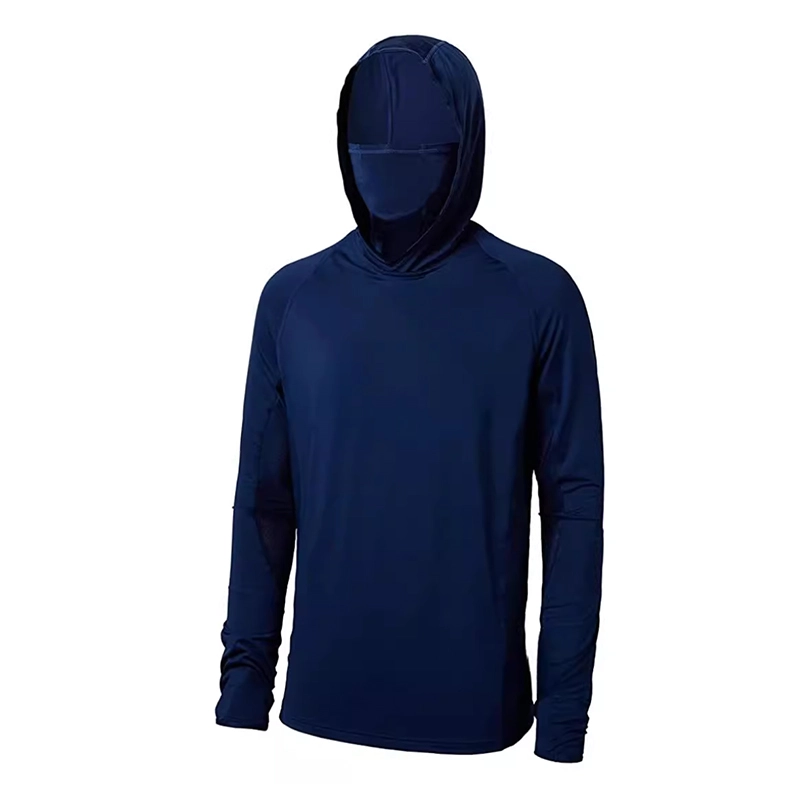
Understanding Cool Dry Sun Protective Clothing Technology
Cool Dry Sun Protective Clothing works because it is designed to do two things at once. At the microscopic level, these clothes have structures made of densely woven fabric that physically stop UV rays from reaching the skin. This protection is measured by the UPF grade, which is like the SPF number on sunscreens. UPF 50+ fabrics block about 98% of ultraviolet rays.
The Science Behind UPF Ratings
Lab tests that measure how much UV energy gets through the fabric are used to figure out the UPF number. A UPF 50+ item of clothing blocks about 1/50th of the sun's rays, which is a lot more protection than most cotton t-shirts, which have a UPF rating of 5 to 10. Testing standards like AATCC 183 and AS/NZS 4399 make sure that all makers follow the same rules. This gives buying teams a good way to compare different vendors.
Moisture Management Systems
Premium Cool Dry Sun Protective Clothing is distinct than basic alternatives because it handles moisture better than basic options. The outer of these materials are hydrophobic (they don’t let water through), and the interior is hydrophilic (they do). This differential draws the sweat away from the skin and disperses it on the outside of the garment. Here the air flow speeds up the evaporation process via capillary action. It cools things down, which makes it simpler for people to work outside. That’s particularly important in North America’s building and farming industries, where temperatures routinely soar beyond 85 degrees Fahrenheit.
Breathability and Ventilation Design
Measurements of air permeability, which are usually between 150 and 250 mm/s for good clothes, make sure that there is enough air flow without sacrificing UV protection. Some manufacturers put mesh panels in key places, like the underarms and back panels, to help air flow during activities that require a lot of effort. This balance of safety and comfort solves a common problem in procurement: making sure that workers wear the same clothes throughout their shifts.
When you put these three core technologies together, you get clothes that keep you comfortable in tough situations, lowering heat-related fatigue while always protecting you from the sun. Buyers should make sure that sellers offer third-party test certifications for both UPF ratings and moisture transport abilities. This way, buyers can be sure that the claims about the products will hold up in real life.
Key Materials and Technologies Behind Cool Dry Sun Protective Clothing
The highest level of performance for any Cool Dry Sun Protective Clothing program is set by the materials used. Today's technology fabrics are much more complex than simple polyester mixes. They have specialised treatments and new ways of building them.
Synthetic Fiber Advantages
Polyester and nylon are the most popular fabrics, and for good reason. These man-made fibres dry a lot faster than natural ones—often in just 30 minutes, compared to several hours for cotton. Engineered changes can be made to their natural structure. For example, polyester can be extruded with cross-shaped or curved shapes that make more surface area for water to evaporate. Nylon is better at resisting wear and tear than other materials, so it's better for rough work settings like building sites.
Chemical Treatments and Embedded Protection
There are two main ways that Cool Dry Sun Protective Clothing blocks UV rays. Chemical coatings that are added after production save money, but they break down over time when washed. When ceramic particles like titanium dioxide or zinc oxide are embedded into fibres during production, they offer lasting UPF qualities. Garments made for industrial use must keep their protection through 50 or more business launderings, so procurement managers should specifically ask for wash-cycle reliability data.
Emerging Nano-Fiber Technologies
Nanoscale fibre diameters are now used in advanced manufacturing to make fabrics. These fabrics are denser without being heavier because the fibres are so small. These very fine fibres make the gaps in the weave smaller, which blocks UV rays better while keeping the fabric flexible and breathable. Some outdoor stores in North America now only sell fabrics that have been enhanced with nanoparticles. This is especially true for lightweight summer workwear aimed at the landscaping and construction industries.
Comparing Fabric Types
People are interested in fabrics made from bamboo because they are environmentally friendly, but they don't usually perform as well as synthetic fabrics when it comes to quickly wicking away moisture and protecting against UV rays for a long time. Merino wool naturally doesn't hold smells, but it takes longer to dry and costs more, so it's not good for dressing big groups of workers. Blended fabrics, which are usually 85% polyester and 15% spandex, are good for athletic-cut patterns because they stretch and heal. However, pure polyester is still the best choice for buying on a budget.
By knowing these differences between materials, buyers can match fabric specifications to specific uses. The performance needs of a storage center in Arizona are different from those of a marina on the coast, and the materials chosen should represent these differences.
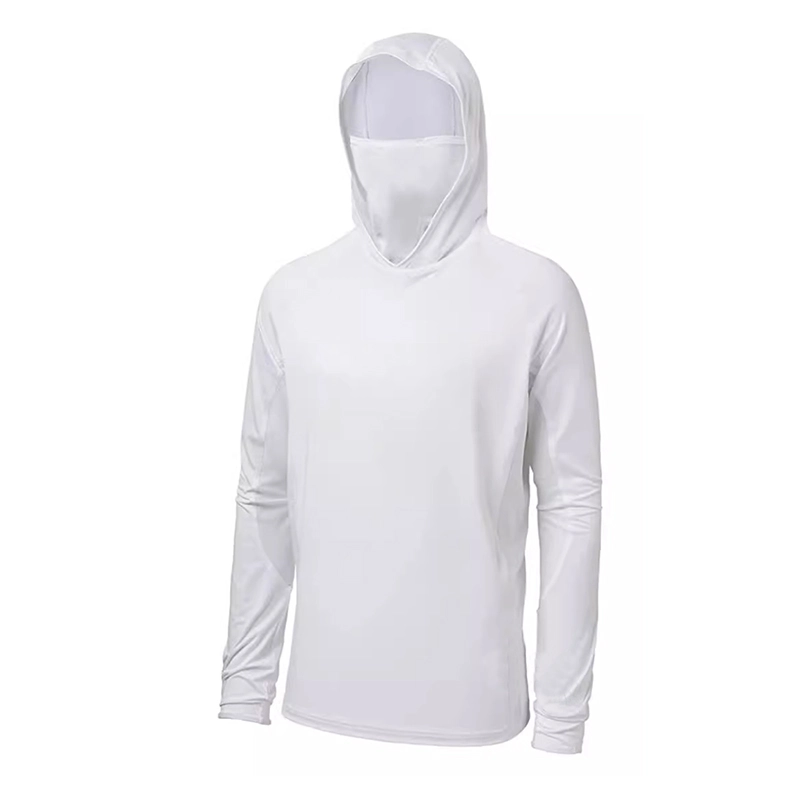
Practical Applications and User Scenarios
Cool Dry Sun Protective Clothing is used in many different types of businesses and climates, and it's important to create it in a way that works best for each one.
Construction and Infrastructure Workforces
In the United States, outdoor building groups are a big market for Cool Dry Sun Protective Clothing. These people work in the sun for 8 to 10 hours a day, and they often do their jobs in places like the Southwest where UV index readings regularly reach "extreme" levels. In safety-conscious contractors' uniform programs, long-sleeved shirts with high collars, extended cuffs, and UPF 50+ ratings are now the norm. Designs with vents and gussets under the arms make it easier to move around while doing jobs like framing and roofs.
Agricultural and Landscaping Operations
Landscapers and farm workers are both exposed to similar risks, but they need extra longevity features. Elbows and shoulders that are reinforced can handle touch with tools and plants, and looser fits let you layer up during early morning shifts. Growing interest in organic farming in the Pacific Northwest has increased the need for Cool Dry Sun Protective Clothing made from recycled polyester. This combines environmental concerns with sun safety.
Industrial and Manufacturing Settings
Outdoor factories and transportation hubs, especially in states in the Sun Belt, make sure that warehouse and yard workers wear Cool Dry Sun Protective Clothing to cut down on heat sickness. In these places, high-visibility colours like fluorescent yellow and orange are preferred. Colours that block UV rays are also used, which meets ANSI safety standards and protects against skin cancer. To keep up with professional standards of look, quick-drying qualities are also important in places where clothes are washed often.
Demographic and Fit Considerations
Effective procurement programs take into account the different body types of workers. When compared to mixed sizes, which often don't fit well, women's cuts with tailored shoulders and tapered waists are more comfortable. Wider size choices (XS to 5XL) make sure that everyone is covered, and child sizes help family-owned businesses and agricultural education programs. Design choices are also affected by cultural factors. For example, companies that hire a diverse workforce offer longer tunic-style options to accommodate people's desire for privacy.
Climate zones have a big effect on how clothes are made. In the humid South, maximum air and antimicrobial treatments help fight smells, while in the dry West, cooling features and finishes that don't collect dust are most important. Seasonal changes don't matter as much for people who work outside all year, but they do matter for people who just like being outside for fun.
These application insights help procurement teams come up with focused standards that balance the needs for protection, comfort, and functionality. This leads to more people wearing clothes and better health results in the long run.
Comparing Cool Dry Sun Protective Clothing with Regular Sun Protection Options
It is easier to make choices about what to buy when there is a clear performance difference between Cool Dry Sun Protective Clothing and other options.
Performance Metrics and Field Testing
Independent testing shows benefits that can be measured. When they are brand new, most standard cotton long-sleeve shirts have a UPF of 5 to 10. This value drops even more when they get wet or stretched. Cool Dry Sun Protective Clothing keeps its UPF 50+ rating even when it's wet, which is important for people who sweat a lot. Breathability tests show that good technical fabrics let 200 mm/s of air pass through them, while tightly woven cotton only lets 80 to 100 mm/s. This means that while you're active, your skin's environment will be 3 to 5°F cooler.
Durability testing shows that synthetic Cool Dry Sun Protective Clothing can handle 100+ wash cycles with little loss of UV protection, while cotton clothes fade and get much thinner much more quickly. This length of time has a direct effect on substitute planning in contracts that last more than one year.
Cost-Benefit Analysis for Bulk Procurement
Cool Dry Sun Protective Clothing usually costs between $18 and $35 per unit for basic long-sleeve shirts, while regular clothing costs between $8 and $15 per unit. Lifecycle estimates, on the other hand, change the equation. If clothes made of advanced fabrics last three years and clothes made of cotton last only 18 months, the gap in annualised costs drops to $6 to $12 per worker. Total cost of ownership often favours Cool Dry Sun Protective Clothing when considering lower sunscreen costs (since they aren't needed in covered areas), fewer cases of heat illness, and more comfortable and productive workers.
Volume pricing structures further improve economics. Orders of 500 or more units usually get discounts of 15 to 20 percent, and contracts for 1,000 or more units may include customisation (like logo embroidery and colour matching) for a small fee. To protect themselves against changes in the prices of raw materials, procurement teams should work out multi-year deals with fixed prices.
Brand Landscape and Supplier Quality
The supplier landscape includes technical apparel brands and traditional uniform makers offering sun protection products. Buyers should verify ISO 9001 certifications and third-party UPF testing. Customer needs vary by industry, with distributors prioritising durability, healthcare seeking professional appearance, and construction focusing on cost per wear and visibility. Cool Dry Sun Protective Clothing is a performance-driven investment for outdoor workers.
How to Source and Procure Cool Dry Sun Protective Clothing for Your Business
For procurement to go well, suppliers need to be carefully considered and clear specifications need to be made for Cool Dry Sun Protective Clothing.
Supplier Qualification and Certification Verification
To start evaluating a provider, ask for proof of their quality management systems. For example, ISO 9001 certification shows that their production processes are reliable. For Cool Dry Sun Protective Clothing in particular, you should ask for UPF test results from a third party that meet the standards set by AATCC 183 or AS/NZS 4399. Reports should include testing after washing (at least 20 times) to make sure that claims about durability are true. Ethical manufacturing standards like WRAP or SA8000 meet the needs of North American buying policies that are becoming more and more concerned with business social responsibility.
Pricing Structures and Budget Planning
Manufacturing capacity matters for large companies. Suppliers should be able to show that they can meet your volume needs within a reasonable amount of time, which is usually 45 to 60 days for custom orders and 10 to 15 days for stock configurations. Third-party audits or site visits are ways to make sure that production capabilities match what is said.
The price of Cool Dry Sun Protective Clothing depends on the type of fabric used, the quality of the construction, and the number of orders. Long-sleeved basic crew-neck shirts usually cost $22 to $28 each for orders of 100 or more, but only $18 to $24 each for orders of 500 or more. Styles with button-fronts and extras like chest pockets and breathable panels cost between $28 and $38. The percentage discount rates for trousers and hats are very similar.
Welston's Manufacturing Excellence and Partnership Approach
Cool Dry Sun Protective Clothing for the North American market is what Shenzhen Welston Garment Co., Ltd. has been doing for 27 years. Welston has three specialised factories with more than 580 trained workers and 10 production lines. This means that they can handle both medium-sized (500–2,000 units) and large-sized (5,000+ units) procurement contracts with stable quality and on-time delivery.
Welston's professional skills are designed to meet the needs of B2B buying. Their set of tools, which includes JUKI and SHINLING machines, makes sure that the construction tolerances are exact, which is important for UPF performance. With in-house screen printing and heat transfer lines, you can fully customise your order without having to wait for a third party to coordinate. Protocols for quality control include UPF testing proof at several steps of production, which finds deviations from specifications before they are shipped.
Customers like Panasonic, Benz, Dell, Toshiba, and Toyota show that the company can do what it says it can do. These agreements show that Welston always meets the highest quality standards. Their responsive service model—guaranteed answer to enquiries within 24 hours—meets the communication needs that B2B buyers regularly rank as one of the most important factors in evaluating suppliers.
Welston's ability to be customised makes it easy for different organisations to meet their needs. Companies can use pilot programs to test how well Cool Dry Sun Protective Clothing works with just 100 pieces of clothing as a minimum order. Their order process is clear: the first meeting includes choosing fabrics and talking about design elements. This is followed by thorough quotes and production schedules. Sample approval stages make sure that everything is lined up before mass production starts, which keeps costly misunderstandings of specifications to a minimum.
Sustainability factors are becoming more and more important in purchasing decisions. Welston makes Cool Dry Sun Protective Clothing with recycled polyester, which meets the environmental standards of Europe while still meeting the technical needs of outdoor stores and business dress programs in North America.
Welston's manufacturing size, technical knowledge, and flexible relationship approach make it a good choice for procurement teams looking for a Cool Dry Sun Protective Clothing provider. Their experience in a wide range of industries, from business attire for the office to specialised clothing for working outside, means they can effectively meet the needs of a wide range of applications.
Conclusion
Cool Dry Sun Protective Clothing has been shown to help companies manage the sun exposure risks of their outdoor workers. The technology blends measured UV protection through high UPF ratings with useful comfort features that deal with heat and moisture. New materials in synthetic fabrics make them last longer and perform better, which makes the investment worth it because the clothes last longer and workers are healthier.
To make a good purchase, you need to pay attention to the specifics, like confirmed UPF ratings, wash durability data, and measurements of breathability, while also keeping costs in mind by buying in bulk and doing lifecycle analysis. The rising market in North America has a lot of sellers, which makes choosing a partner very important. Manufacturers with quality certifications, enough output capacity, and quick customer service should be given top attention.
More and more outdoor industries are realising that sun safety at work is important for health, so Cool Dry Sun Protective Clothing will be used by more and more managers in the mainstream workforce. Professionals in procurement who become experts in this area make their companies look like great places to work that really care about their workers.
FAQ
1.Does Cool Dry Sun Protective Clothing maintain UV protection after repeated washing?
How long protection lasts depends on how it was built. Fabrics with built-in UV filters, like ceramic particles added when the fibre is made, keep their UPF 50+ ratings for as long as the clothing can be used, which is usually 100+ wash cycles. Chemically treated items might break down after 20 to 30 washes. Before making a large purchase, you should always ask suppliers for wash-cycle test data.
2.How does the cooling effect work in high-humidity environments?
Cool Dry Sun Protective Clothing works by spreading out wetness instead of just letting it evaporate. The designed fibre structure of the cloth makes more surface area contact, which pulls sweat away from the skin even when the humidity level makes evaporation slower. Just this drying action makes you feel cool and stops your clothes from making you feel uncomfortable when they're wet.
3.Can these garments accommodate company branding and customization?
Most manufacturers offer embroidery, screen printing, and heat transfer as ways to add logos. Customisation usually requires a minimum order of 100 pieces, and each outfit costs between $1.50 and $7.00, based on how complicated it is. Custom colours usually need orders of 300 or more units. Welston provides full customisation services with flexible minimums that are good for test projects.
Partner with Welston for Your Cool Dry Sun Protective Clothing Needs
Welston is ready to help your company's sun safety program by providing the best Cool Dry Sun Protective Clothing options on the market. Businesses all over North America come to us for 27 years when they need solid UPF 50+ clothing that workers actually wear. Our technical fabrics have been shown to work well for building workers, farming teams, and outdoor dining staff. To talk about your specific needs, please email our procurement specialists at [email protected]. We'll give you detailed quotes, fabric samples, and options for customisation that are specific to the needs of your workforce. Welston is a well-known company that makes Cool Dry Sun Protective Clothing for global names. We can meet the needs of your buying program by providing quality certification and production capacity.
References
1. American Association of Textile Chemists and Colorists (2015). "AATCC Test Method 183: Transmittance or Blocking of Erythemally Weighted Ultraviolet Radiation through Fabrics." Research Triangle Park, NC.
2. Gambichler, T., et al. (2001). "Recent Advances in Sun Protective Clothing." Journal of Dermatologic Surgery, Volume 27, Issue 9, pages 795-801.
3. Standards Australia/Standards New Zealand (1996). "AS/NZS 4399: Sun Protective Clothing—Evaluation and Classification." Sydney: Standards Australia International.
4. Hipler, U.C. and Elsner, P. (2006). "Biofunctional Textiles and the Skin." Current Problems in Dermatology, Volume 33, Karger Publishers, Basel.
5. Reinertsen, R.E. and Faerevik, H. (2008). "Effects of Moisture Wicking Clothing on Thermoregulation during Exercise in the Heat." Ergonomics Journal, Volume 51, Issue 8, pages 1270-1286.
6. Wang, F. and Gao, C. (2014). "The Effects of Air Ventilation and Moisture Permeability of Protective Clothing on Human Thermal Responses." Industrial Health Journal, Volume 52, Issue 3, pages 255-267.
We specialize in designing, producing, and selling corporate clothing. Mainly produces: industrial clothing, business uniforms, and work clothes for different companies.

About Welston Garments


