How to Choose UV-Block Workwear for Maximum Sun Protection
To choose UV-Block Workwear When buying workwear, examine the UPF number (preferably 50+), the kind of fabric, if it wicks moisture away, and certifications such as ASTM or EN 13758. Choose garments made from tightly woven or UV-absorbing fabrics that retain their protective properties after a few washes. Think about the breathability of garments, how long they last and how they may be adapted for your profession while still following safety criteria at work.
Understanding UV-Block Workwear and Its Importance
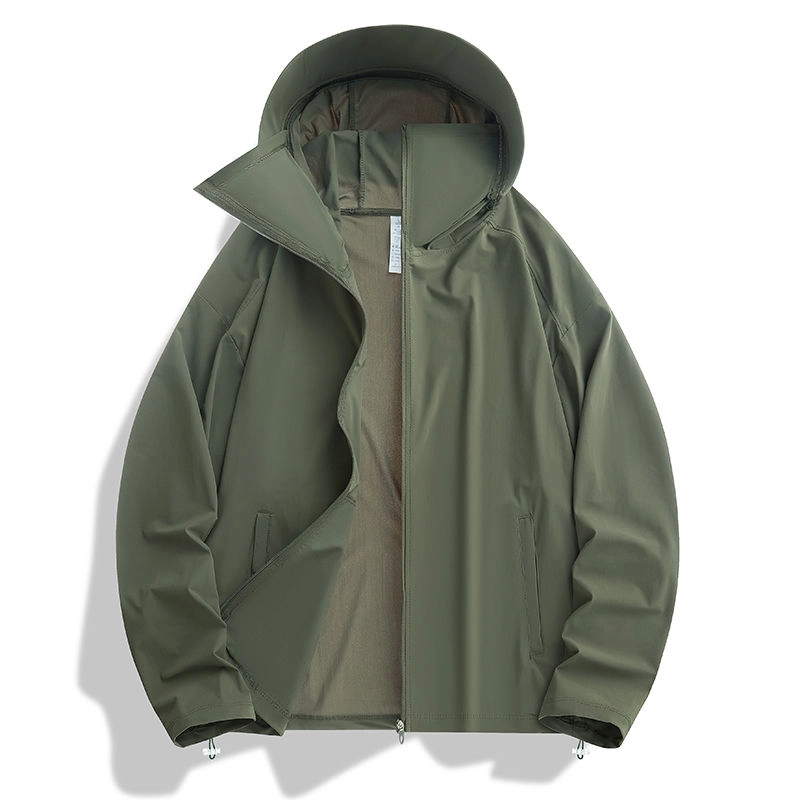
UV-Block Workwear is a big step forward in making the workplace safer. The ultraviolet radiation it blocks is different from what standard clothes can't do. These clothes aren't like other work clothes because they're made with high-density fabrics or UV-absorbing processes that keep workers' skin safe from the sun's dangers.
Much study has demonstrated that prolonged occupational exposure to the sun is detrimental to health. Those who labour in farming, gardening, construction, and similar activities have a higher risk of developing skin cancer, ageing quicker, and getting sick from heat. UV radiation is a Group 1 carcinogen, the International Agency for Research on Cancer says. It is so in the same family as tobacco smoke. By this explanation it is obvious that not only is it desirable to wear the correct safety gear, it is also an integral aspect of the laws of safety at work.
Understanding UPF Technology
The Ultraviolet Protection Factor (UPF) of a piece of clothing tells you how well it blocks UV rays. A UPF 50+ shirt blocks about 98% of UV rays, leaving only 2% that can reach the skin. The number UPF is not the same as SPF, which is used for sunscreens. UPF stays the same over the whole area it covers when it's not being used. In this technology, either synthetic fibres that are tightly knitted together or chemical processes with things like titanium dioxide that scatter and absorb UV rays before they reach the fabric are used.
Regulatory Compliance and Certifications
Standards such as ASTM D6603 and EN 13758 set up ways to test products to make sure they really do secure. If a company has these permits, it can be sure that the products they buy meet scientifically proven standards. Trendy stores and clothing lines in North America want proof that workwear meets or beats the UPF 50+ rating more and more. This shows that businesses are paying more attention to risk and worker safety.
Key Criteria for Choosing the Right UV-Block Workwear
To be safe and comfortable throughout long hours in broad sunshine you must see that a number of performance variables are satisfied by the garments you wear. When buying managers understand these facts, they can make wise judgements that keep things operating efficiently and keep people safe.
Certification Standards and Testing
There are global approval rules that are used to make sure that UV-Block Workwear is of good quality. AS/NZS 4399:2017, which is used a lot in foreign markets, tells us how to test things to see how much UV light goes through them. In North America, ASTM standards are often used to buy things. They list performance standards that clothes must always meet, even after being washed a lot of times. Your company will avoid getting low-quality goods that might not protect you as promised if you ask sellers for third-party test reports that show they meet these standards.
Fabric Composition and Construction
The material it is constructed of determines both how effectively it protects and how pleasant it is to wear. The structure of the molecules and the density with which polyester and nylon may be weaved make them exceptionally good UV blockers. Well engineered synthetic mixes may achieve UPF 50+ ratings and remain light and airy. Some designers employ modacrylic blends that offer protection from fire and UV radiation, which is beneficial for those working in factories or with lasers.
Cotton is soft, but it doesn't protect well against UV rays unless it is treated in a certain way or it is made very densely. Natural cotton fibres let more UV light through than manufactured ones. Blends of treated cotton are a good middle ground because they give workers the comfort they want while also adding chemicals that make them safer.
Moisture Management and Breathability
With technology that removes sweat, UV-Block Workwear is no longer just protective; it's also comfortable to wear while doing hard physical work. Modern materials with capillary action move sweat away from the skin's surface. This helps keep the skin from getting too hot because the sweat evaporates. Workers in hot places or during the summer, when UV rays and heat stress are common, need to be able to keep their body temperature under control even more.
You may test the breathability of a piece of clothing to evaluate how efficiently it allows heat to escape while shielding UV rays. The best UV-Block Workwear nails it, which is hard to get perfect between blocking UV rays and allowing airflow. This keeps employees happy and productive on their shifts.
Durability and Abrasion Resistance
Work attire must be tough enough to withstand the harsh conditions at work. According to Martindale, the clothing are tested for abrasion over 50,000 rubs. This number indicates how long the fabric will endure when rubbed in a way that is equivalent to real-life wear. This ensures that the UV protection is still there even when the clothing are often cleaned, rubbed on rough surfaces or worn on equipment. Buying longer-lasting choices saves money on replacements in the long term while still keeping workers safe.
High-Visibility Integration
Many places where people work outside need things that are easy to see for safety reasons. Today's UV-Block Workwear keeps the UPF ratings by using bright colours and shiny lines. Colour engineers have made progress, so now bright yellows and oranges can stand out and protect against UV rays. People used to have to choose between UV protection and seeing clearly.
Comparing UV-Block Workwear with Alternatives
Companies that care about worker safety can explain the cost of buying high-quality UV-Block Workwear by showing how certain types of UV-Block Workwear compare to other types of protection.
UV-Block Workwear vs. Standard Work Clothing
Most regular job clothes don't protect against UV rays very well—only about UPF 5–15, based on the fabric, colour, and condition. It's possible for a brand-new cotton work shirt to only stop 80–85% of UV rays. The cloth loses some of its strength as it gets worn down or stretched. UV-Block Workwear is made to keep you safe from the sun. It keeps its UPF 50+ rating, which means it stops 98%+ of the sun's dangerous rays for as long as the clothes last.
The difference in function is most apparent when the clothing are wet. Cotton fabric loses its UV blocking ability when it becomes wet or sweaty. But good synthetic UV-blocking fabrics retain their capacity to filter UV rays no matter how wet they are. This reliability at the job site is what sets purpose-designed safety apparel apart from other options.
Sunscreen as a Supplementary Measure
Topical sunscreens can protect sun exposed skin but you may not always be able to use them at work. It takes only a minute to cover all exposed skin, and after two hours the lotion stops functioning, so you have to repeat it, which is not normally doable during work shifts. When they’re spreading, workers sometimes overlook locations, allowing UV rays to target vulnerable places.
With UV-Block Workwear, these worries are no longer there for areas that are covered. When workers put on their safety gear at the start of their shift, it goes on all day without being taken care of or fixed. Safety gear also wins out in the long run when you look at how much it costs. In the beginning, good work clothes cost more, but they save you money in the long run because you won't have to buy sunscreen or spend time putting it on. In the long run, they also offer better protection.
Brand and Manufacturer Considerations
People who make UV-Block Workwear come in a lot of different types. Some only make technical materials that are very strong and can handle rough conditions, while others focus on making their products in an eco-friendly way by using recycled polyester and painting methods that last a long time. In order to meet the needs of both safety and comfort, brands that sell in North America often include UPF ratings and advanced technologies for keeping sweat and heat out.
It's important to look at a manufacturer's track record before choosing to buy from them. This can include client reviews from other businesses in the same field and their willingness to send you samples of their goods to test in the field. Big orders are always the same because well-known companies keep a closer eye on quality. This is very important when outfitting whole work teams.
Procurement Considerations for B2B Clients
As you look for UV-Block Workwear, you should think about what the supplier can do, how they can customise the items, and how they will make sure you get good items on time that meet the needs of your business.
Identifying Reliable Manufacturers and Suppliers
Your buying money is safe if you only deal with approved makers whose quality is always the same and whose testing procedures are clear. Shenzhen Welston Garment Co., Ltd., which has been around since 1998, is a great example of the kind of production skills that are needed to make good UV-Block Workwear. More than 580 people work for Welston, which has three plants and ten production lines. In order to keep up with big B2B orders and keep the standard high, they use cutting edge Japanese JUKI and Taiwanese SHINLING tools.
You should look at the clients a possible provider has worked with before it you decide to hire them. Welston has worked with big names in business, such as Toyota, Panasonic, Benz, Dell, and Toshiba, which shows that it can handle high standards. The company has been making things for 26 years, so it has a lot of institutional knowledge that can be used to make sure that reliable goods are made and that problems are solved when they come up with unique needs.
Customization and Branding Options
Corporate branding makes a company more well-known and makes workers feel like they are part of a team. Customising clothes with things like stitched designs, screen printing, and heat transfer can help companies make sure that all of their workers wear the same brand. The lowest number of items that can be customised is usually 100, so even small teams or specific departments can do it.
Customised size choices make sure that many workers can find the right size, which makes them more comfortable and safer. It's better for clothes to keep their UPF grade when they don't stretch too much and fit poorly. By telling the maker about the size needs during the quote process, they can make sure they have enough things in the right sizes. This means that there are fewer problems with fit and fewer swaps.
Bulk Order Logistics and Pricing
When you know how prices work and how long lead times are, you can better plan your budget and keep track of your stock. Most of the time, the price per unit is much lower when you buy in bulk than when you buy alone. Suppliers who are honest give detailed quotes that include the costs of shipping, customisation fees, and tools. This lets you look at the real costs of each possible partner.
Lead times change based on how unique the order is and how quickly it needs to be made. The standard styles of UV-Block Workwear could ship in 3–4 weeks. However, it could take 6–8 weeks for custom styles that need new designs or fancy materials. When manufacturers know exactly when deliveries need to be made during the first talks, they can make better use of their supply chain.
Welston's easy-to-use shopping process is a great example of how to buy from a business that is another business. It starts with a talk and sharing of ideas. The next step is full quotes with production schedules, review of samples before mass production, and assured delivery dates. This organised way of doing things keeps things clear and makes sure the end results are what was wanted.
Sustainability Considerations
Sustainable fabric choices are becoming more important as companies take more care with the earth. For businesses that care about both people and the environment, recycled polyester fabrics are a good choice because they protect against UV rays just as well as new materials. Claims of recovered materials are checked by certifications like the Global Recycled Standard (GRS), which also gives proof that meets the needs of green reporting.
Maintenance Tips to Prolong the Life and Effectiveness of UV-Block Workwear
If you take care of your UV-Block Workwear the right way, it will last as long as possible, protect your investment, and keep your workers safe.
Washing Protocols
When you clean the cloth, following the manufacturer's instructions will protect the UV-blocking processes and keep the cloth's shape. Most good UV-Block Workwear can be washed in the washing machine. However, if you do a few extra things, they will last longer. Light, pH-neutral detergents can stop the chemical breakdown of UV-absorbing items. Staying away from chlorine bleach protects both the fabric's colours and the compounds that keep it safe. This way, the high-visibility features that are needed for safety are kept.
A great deal of people don't understand how important water temperature is. When you wash clothes in cool to warm water (below 40°C/104°F), instead of hot cycles, the fibres are less stressed and the treatment breaks down. Both the structure of the cloth and the chemicals used to block UV light during production can break down faster in hot places.
Drying and Storage
Too much heat breaks down synthetic fibres, so drying clothes on a rack or in a machine set to low heat keeps them from getting too hot. The fibres shrink when they are dried at high temperatures, which can hurt the tight weave structures that help block UV light. Do it right, and your clothes will keep their shape and not stretch out, which makes them less safe.
Things won't break down too quickly during off-shifts if they are kept in cool, dry places that aren't in full sunlight. Instead of putting clothes in bags, hang them up. This keeps the fabric's shape and reduces the number of stress points that folds can cause that could turn into wear spots.
Inspection and Replacement
When clothes are regularly checked for damage, they show signs of being less safe. Clothing that is too thin can't block UV rays as well, especially in places that get a lot of wear and tear, like the shoulders and arms. Putting fabric up to a light source and seeing visible light pass through it means UV rays can too. This means the fabric needs to be changed.
Most high-quality UV-Block Workwear stays safe for 100+ wash cycles, which is about one to two years of average work use if you know what to look for. If you keep track of how old your clothes are and how often you wash them, you can plan to get new ones before the old ones stop protecting you.
Conclusion
The right UV-Block Workwear will keep your workers safe and show that your company cares about their health and safety at work. When a choice is made, UPF scores, cloth technologies, licensing standards, and how reliable the service are all taken into account. Welston and other quality clothing makers have decades of experience, use cutting-edge tools, and have strict quality control to make clothes that protect you from the sun and meet the strict needs of the workplace. When companies buy clothes that protect workers from UV rays while also being comfortable, long-lasting, and affordable, they can be sure that their workers are safe. This lowers health risks and keeps them working outside.
FAQ
1.Does washing reduce UV-Block Workwear effectiveness?
What washing does depends on the kind of defence technology that is being used. Clothing that has a chemical finish on the outside may not be as safe after 20 to 30 washes. The UPF rating of good UV-Block Workwear that has built-in technologies like ceramic particles in the fibres or high-density synthetic weaves stays the same for as long as the clothing is used. When you buy something, asking for wash life test reports is a good way to make sure it will last a long time.
2.Can UV-Block Workwear function in various weather conditions?
These days' work clothes that block UV rays can handle a lot of different situations. When it's hot outside, fabrics that wick away moisture are great because they help cool you down while still keeping you dry from sweat or rain. If you get cotton wet, it stops being protected. But good synthetic UV-Block Workwear keeps its UPF ratings the same when it gets wet, so you can wear it in any weather.
3.Are sustainable UV-protective options available?
Being aware of the environment is becoming more and more important when deciding what to buy. UV-Block Workwear is now made from approved recycled polyester and other eco-friendly materials that protect just as well against UV rays as new fabrics. These options help businesses reach their environmental goals without putting the safety of their workers at risk. This means that businesses can care about both health and the environment at the same time.
Partner with Welston for Premium UV-Block Workwear Solutions
The sun protection needs of your business can be met by Welston, which has been making high-quality, long-lasting UV-Block Workwear for almost 30 years. With three plants and ten production lines, we can always make sure that the standard of our goods stays high and that big orders are done on time. We offer full customisation, which means you can add your logo, change the size, and pick the material that will protect you and keep you comfortable. If purchasing managers want to find a trustworthy UV-Block Workwear supplier, they will find clear prices, helpful customer service 24 hours a day, and teamwork that is based on partnerships. Contact [email protected] to discuss your specific requirements and receive a detailed quote that addresses your workforce protection needs.
References
1. International Agency for Research on Cancer. "Solar and Ultraviolet Radiation." IARC Monographs on the Evaluation of Carcinogenic Risks to Humans, Volume 100D, 2012.
2. American Society for Testing and Materials. "ASTM D6603-19: Standard Guide for Labeling of UV-Protective Textiles." ASTM International, West Conshohocken, PA, 2019.
3. Standards Australia/Standards New Zealand. "AS/NZS 4399:2017: Sun Protective Clothing—Evaluation and Classification." Joint Technical Committee, 2017.
4. European Committee for Standardization. "EN 13758-2:2003+A1:2006: Textiles—Solar UV Protective Properties—Part 2: Classification and Marking of Apparel." CEN Brussels, 2006.
5. Gambichler, T., et al. "Protection Against Ultraviolet Radiation by Commercial Summer Clothing: Need for Standardized Testing and Labelling." BMC Dermatology, Volume 1, Issue 6, 2001.
6. Crews, Patricia Cox, et al. "Influences on UVR Transmission of Undyed Woven Fabrics." Textile Research Journal, Volume 69, Number 10, October 1999, pages 744-751.
We specialize in designing, producing, and selling corporate clothing. Mainly produces: industrial clothing, business uniforms, and work clothes for different companies.

About Welston Garments


