How to Choose Chore Pants for Construction Work?
It's important to think about how long the pants will last, how well they work, and how comfortable the workers will be in them when you buy them for construction sites. Chore pants have become the standard for building teams because they are helpful, well-made, and have a variety of bag options. Work pants for hard physical work are safe and easy to move in. This is different from regular jeans, which make it hard to move, or cargo pants that might not give you enough support. This guide tells buying managers in North America and Europe what to look for in clothes to make sure they meet ANSI safety standards, can stand up to heavy daily use, and help workers be productive in a variety of building jobs.
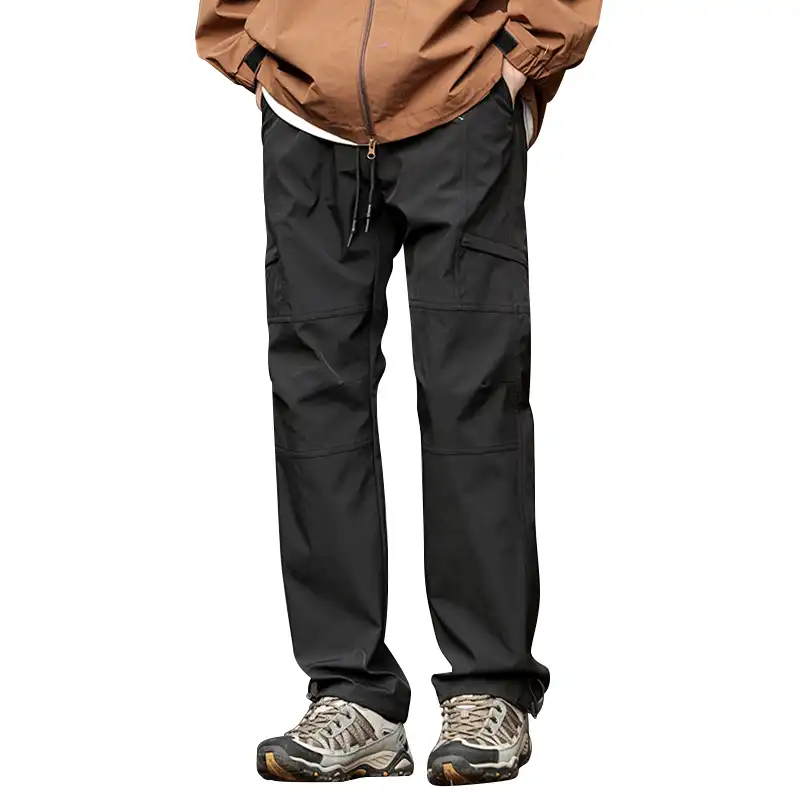
Understanding Chore Pants and Their Role in Construction Work
What Defines Quality Work Trousers for Construction
These pants are made from strong fabrics that weigh about 10 to 14 ounces per square yard, like cotton duck canvas or stronger twill. They are used on construction sites. These clothes come from American clothes from the early 1900s. They began as plain utility pants but have changed over time to become more stylish work clothes. These pants have a higher waist rise to protect your lower back when you bend over, straight-leg cuts that don't drag on boots, and big patch pockets placed so you can get to your tools without having to move around a lot.
Comparing Work Trouser Styles for Job Site Applications
Different types of pants are made to meet the needs of different buildings. Because they have so many tool pockets and hammer loops, carpenter pants might be too big for people who don't need to get to their tools all the time. Cargo pants have side pockets, but they don't last as long as cotton work pants when it comes to damage. Denim pants are comfy, but they make it hard to sit or kneel because your knees get stuck. Because they are tough like canvas, have useful pockets like carpenter pants, and are less stiff than denim, chore pants are the best of both worlds. When they buy clothes, teams should make sure that all of the trades' wants are met. Framers should choose fabric that is lighter, for example, while concrete workers need better support in places that get a lot of use.
Essential Criteria to Consider When Choosing Chore Pants for Construction
Evaluating Fabric Materials for Durability and Comfort
Material choice affects both how long clothes last and how happy the people who make them are. Because it is made with a regular weave, cotton duck canvas is very hard to tear and still lets air pass through. For light building work, canvas weights between 10 and 12 ounces are good. For heavy-duty jobs with sharp items or a lot of bending, 12 to 14-ounce fabrics are better. Denim blends with 2% to 3% spandex give you more freedom of movement without making the clothes less durable. It's possible for ripstop weaves to stop tears from spreading from the first snag. If you want to make chore pants, you should think about where they will be worn before they are made. For repair work inside, lighter cotton twills that are better for long jobs might work, but for structure work outside, canvas that won't get wet is what you need. Businesses that care about the environment may like organic cotton options, but they may need extra steps to make them waterproof. To make sure that all mass orders are of the same quality, buying workers should ask for information about the cloth, such as its thread count, tensile strength, and resistance to wear and tear.
Reinforcement Features That Extend Garment Lifespan
Workwear made for professionals is different from clothes sold in stores because it uses technology to make it stronger. Most construction pants fall apart at the knees, so double-knee construction adds extra fabric over that area. Some styles have spaces between the layers for knee pads, so people who have to sit for long amounts of time can put on safe padding. With bar-tack stitching, thick zigzag patterns are used at seam joints and pocket corners. This spreads stress over bigger areas, which stops tears from starting.
Critical reinforcement zones include:
- Crotch gussets: Diamond-shaped pieces of fabric that go inside the seams and hide them, reducing the blowout risk when you sit down or stand up.
- Pocket corners: Triple-layered construction with bar-tack reinforcements at the ends prevents tool weight from tearing pocket attachments.
- Belt loops: Heavy-duty loops with stronger stitching support tool belts that weigh 10 to 15 pounds without the fabric getting stretched.
- Hem reinforcement: Hems that are folded twice and linked with chains don't break when they touch the ground or boots.
These rules help companies like Welston all the way through the production process. When you do this, everything will last as long as it should, which means you'll need fewer replacements and spend less on new things over time.
Fit Specifications for All-Day Comfort and Safety
Fit is important for both comfort and safety. Most construction workers wear pants for 8 to 12 hours a day because they have to squat, climb, move, and walk. Clothing with an open fit and slightly curved legs will look good on these different body types. Instead of sitting on your hips, your waist should be at a healthy level. This helps protect your back and keeps the skin covered when you bend over. It's better to have more than one inseam length for each waist size when you're buying in bulk, so that you don't have to hem as many pants. If the waist can be adjusted, like with side pieces that are stretchy or close with drawstrings, it's easier to get the right fit and more comfy. That's why construction pants should have two to three inches more hip room than dress pants. This way, workers can move around easily while moving things or climbing ladders.
Comparing Top Chore Pants Options for Construction Work
Analyzing Work Trouser Categories and Their Applications
A lot of different jobs need to be kept safe while the building is going on. Lightweight chore pants made of 8–10-ounce cloth are best for finishing jobs inside, putting up drywall, or painting jobs that need freedom more than full safety from wear and tear. Choices that are between 10 and 12 ounces in weight are good for general building, frame, and farming. When dealing with concrete, taking down buildings, or in places with sharp metal edges and a lot of wear and tear, heavy-duty gloves that weigh more than 12 ounces are best. Seasonal considerations affect material choices in different markets. A North American construction company that works in a range of temperatures might keep lighter cotton mixes on hand for work in the summer and heavier insulation options for work in the winter. More and more, people in Europe want styles that can be used both inside and outside. They like simple colours that don't look like they'll be too useful when going from one place to another.
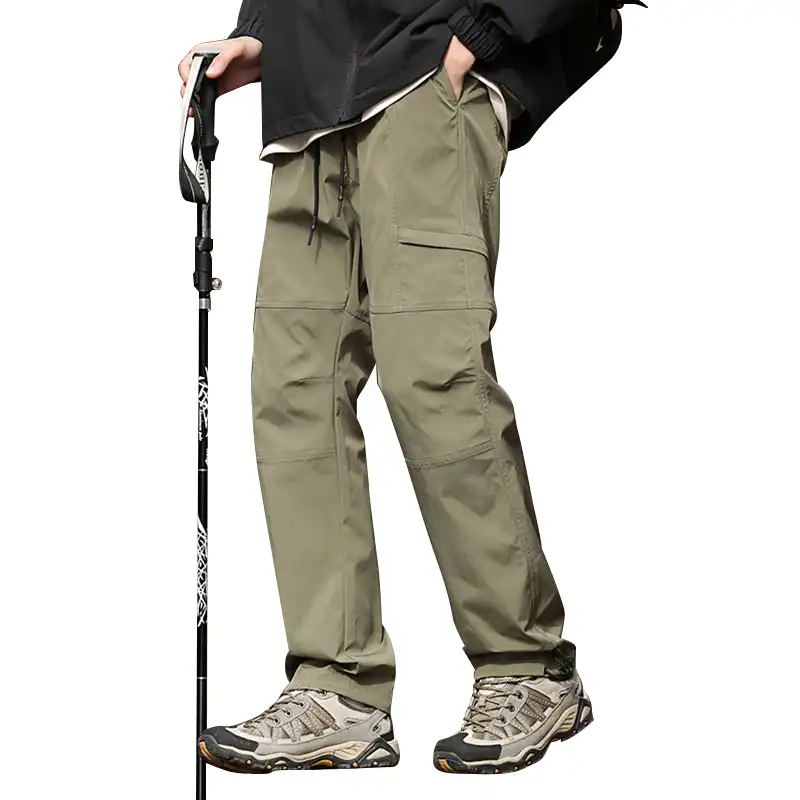
Evaluating Established Brands and Their Market Positioning
There are a few well-known companies with clear roles that sell building clothes. For example, Carhartt and Dickies made their names by making clothes that are tough and in classic styles that trades workers like. They have a lot of good options in a lot of different sizes. Companies that are newer, like Duluth Trading, focus on adding new features and selling directly to customers. The high prices may make it hard for buying teams that need to stick to a budget, though. When people who work in buying compare names, they should not just look at what the ads say, but also at the actual product specs. Ask for model clothes that are typical of the production run so you can check out how the fabric feels, how well the seams are sewn, and how long the hardware will last. The company Welston has been making work clothes for 27 years. They make sure that all large Chore pants orders have the same quality. When suppliers try to make more, they often worry about differences between batches. This takes care of that problem.
Balancing Cost Considerations with Performance Requirements
Price-per-garment research should not only look at the price that the item was bought for in the first place. Plus, it needs to check out the full cost of ownership. Since they don't need to be changed as often and are easier to keep track of, chore pants that cost 20–30% more but last twice as long are a better deal. Figure out how long the fabric should last based on how heavy it is, what it's made of, and how hard it will be used. There are different ways for businesses of all kinds and types to make budgets. When big building companies work with certain providers that offer bulk deals, they can save money. When it comes to sellers, smaller workers may want to look for ones that have flexible minimum order amounts. Our company has three factories that work quickly, so the price per unit stays low. They have a minimum order size of 100 pieces, which allows them to sell to mid-sized fleets.
Procurement Guide: How to Purchase Chore Pants for Your Construction Business
Identifying Qualified Suppliers and Manufacturers
The first thing that businesses do when they want to buy work clothes is to look at the providers. Chore pants manufacturers specializing in occupational apparel have an advantage over stores that sell other clothes because they know more about the safety rules and needs of the workplace. Before you place a large order, make sure you have written proof of the standards for quality control, where the fabric comes from, and how much can be made. Proof that they can produce what you need, quality assurance badges, and recommendations from clients of the same size are all important things that providers must have in order to be approved. Companies that make workwear for large shops and construction companies typically have tighter quality standards than companies that make pants for consumers. With clients like Panasonic, Benz, and Toyota, Welston has proven that it can meet the strict needs of a wide range of businesses. This builds trust among buyers in the building business.
Navigating Wholesale Purchasing and Volume Discounts
Setting up methods for buying chore pants in bulk is done in a lot of different ways by different sellers. For some makers, it's hard for mid-sized businesses to get them because the minimum order size is high (500 to 1000 units). Different companies, on the other hand, have different levels of prices that make bigger purchases more appealing without having high minimums. It's important to look at the prices for different order sizes to find the best buy size that balances the cost savings per unit with the cost of keeping the stock. You should not only look at how much each outfit costs, but also how you can pay, how you can ship, and when you can expect the package to arrive. You can better manage your cash flow when you buy work clothes at the same time as a job starts, with Net-30 or Net-60 payment terms. They have 10 production lines and many ways to pay, so they can always make sure that supplies happen on time, even when demand for clothes is very high during busy building seasons.
Managing Bulk Orders and Custom Specifications
It is important to be very clear when you buy in bulk so that there are no mistakes that lead to chore pants shipping delays or stock that can't be used. List in great detail what kind of cloth you want, how much it weighs, what patterns and sizes are available, and if you need any changes made. The sizes of your workers should be spread out in a way that makes sense for the people you hire. Building teams, for instance, tends to be bigger than most people. Making custom chore pants can take anywhere from 4 to 8 weeks, depending on how difficult the order is and how busy the line is. If you need something done quickly, it might cost more. Be clear about when things need to be done for the job and give sources enough time to do them. The B2B help team at Welston answers all questions within 24 hours. This helps you quickly understand the requirements and saves the costly mistakes that can happen when you try to work with providers who aren't prompt.
Conclusion
To pick the best work trousers for building jobs, you need to think about how long they need to last, how easy they need to be, what they need to be able to do, and how to get those things. Since chore pants are made for building work, they work better when they are made with stronger materials, useful pocket plans, and fabrics that won't wear down easily on the job site. People in charge of buying clothes in North America and Europe should know about changes in materials, different ways to make clothes stronger, and what each seller can do before they buy a lot of clothes. Companies get the most out of their workwear investments by looking at the total cost of ownership instead of just the original price and giving priority to suppliers with a history of quality control and quick customer service. This keeps workers safe and boosts productivity on a wide range of building projects.
FAQ
1. Why do work trousers outlast regular pants in construction environments?
Fabric weights for work pants made for building are 50–100% higher than fabric weights for regular pants. Work pants usually have 10 to 14 ounces per square yard, while jeans usually have 6 to 8 ounces per square yard. Because it is double-knee constructed, stitched more strongly at stress points, and strengthened with bar-tacks at pocket corners, it doesn't fall apart as quickly as regular clothing does when it's rubbed, snagged, and put under repeated stress from building work.
2. Can we customize work trousers with our company logo?
Brands that make business clothes let you modify them in a number of ways, such as by stitching, screen printing, and heat transfers. Most of the time, the lowest number of items you can buy with a unique image is between 100 and 500. Welston lets you make any changes you want, even helping you decide where to put your name. These steps will help people see your name and make the item last a long time. They have printing equipment in-house that can print with water or heat.
3. How should construction companies care for their work trousers inventory?
To get rid of dirt and grime from construction sites, industrial washing at 140°F is the best way to go. Don't use fabric softeners on clothes because they make them less durable. Sizes don't change too much with pre-shrunk chore pants, and clothes that have colorfast dyes will still look professional after 50 washes or more. When companies have uniform schemes, they should fix clothes on a regular basis instead of waiting until the whole thing breaks. The team will always look the same and follow safety rules this way.
Partner with Welston for Your Construction Workwear Needs
These high-performance chore pants from Welston are made to work hard on the job site, so they can help you buy building clothes. We are a specialised maker that has worked with large building companies and business clients in North America, Europe, and the Asia-Pacific region for 27 years. We know what your workers need in terms of safety, reliability, and compliance. To make sure that all of our big orders are made to the same high standard, our three factories use high-tech tools from Japan and Taiwan. Our 100-piece baseline lets medium-sized teams buy from us. It's easy to use our B2B service because it lets you add your own logo, change the payment terms, and get help 24 hours a day. [email protected] is the email address to reach our team and talk about your specific needs. You can also ask for examples or full quotes. As a dependable source for chore pants, we're committed to giving you safe clothing choices that help your business grow.
References
1. American National Standards Institute (ANSI). "ANSI/ISEA 107-2020: High-Visibility Safety Apparel and Accessories." 2020.
2. Johnson, Michael R. "Occupational Clothing: Design, Performance, and Protection in Industrial Settings." Journal of Textile Engineering, vol. 48, no. 3, 2019, pp. 112-128.
3. Peterson, Sarah L., and David K. Hammond. "Fabric Performance in Workwear Applications: Abrasion Resistance and Durability Testing." International Textile Research Journal, vol. 92, no. 5, 2021, pp. 634-649.
4. Smith, Robert A. "Evolution of American Workwear: From Utilitarian Clothing to Branded Uniforms." Fashion History Quarterly, vol. 15, no. 2, 2018, pp. 45-67.
5. Thompson, Jennifer M. "B2B Procurement Strategies for Industrial Textiles and Workwear." Supply Chain Management Review, vol. 25, no. 4, 2020, pp. 22-31.
6. Williams, Charles E., and Patricia F. Anderson. "Construction Site Safety: The Role of Proper Workwear and Personal Protective Equipment." Safety Science Monitor, vol. 34, no. 1, 2022, pp. 78-94.
We specialize in designing, producing, and selling corporate clothing. Mainly produces: industrial clothing, business uniforms, and work clothes for different companies.

About Welston Garments


