How to choose cool dry sun protective clothing for outdoor activities?
When shopping for the perfect Cool Dry Sun Protective Clothing, seek for UPF ratings of 50+ for greatest UV protection, materials that drain away moisture and keep you cool and UPF ratings of 50+ for maximum UV protection. Look for clothing that uses sophisticated fibre technologies, such as modified polyester with ceramic particles injected in it for long-lasting protection, and practical design features, such as air panels and ergonomic cuts. If you are going trekking, fishing, or working on a construction site, ensure sure the weight and durability of your attire is appropriate to the job. Also, seek out eco-friendly products and supplier certifications that ensure long-term performance and safety compliance.
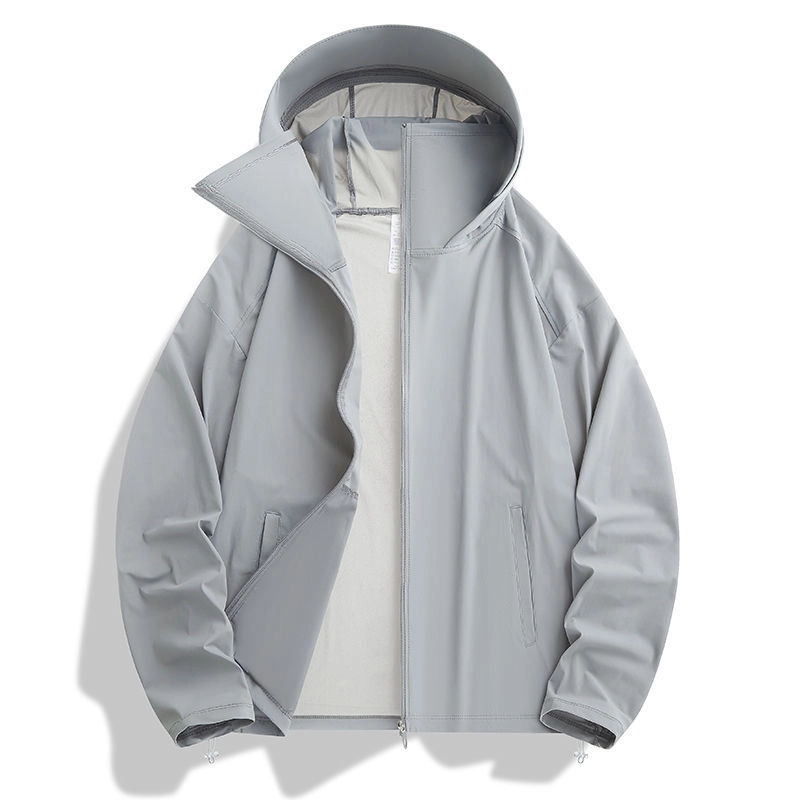
Understanding Cool Dry Sun Protective Clothing
Cool Dry Sun Protective Clothing is a big step forward in technical clothing because it tackles the problems of UV protection and temperature control at the same time. Specialised fabric engineering is used in these clothes to block harmful ultraviolet radiation and keep body heat and moisture in check at the same time. The technology behind these items goes a lot further than just making clothes that are tightly knitted.
The Science Behind UV Protection
UPF-rated fabrics are different from regular clothes because they have built-in protection systems. When making fibres, high-end manufacturers put ceramic particles directly into the polymer matrix. These particles are usually titanium dioxide or zinc oxide. Unlike chemical coats, which break down after multiple washings, this method makes sure that the protective qualities stay the same over the life of the clothing. This long-lasting protection is very important to the North American market because outdoor stores and lifestyle brands need goods that keep up with their stated specs even after a lot of use and washing.
Moisture Management Technology
The "cool dry" function works with the help of modified cross-section fibres that make capillary action easier. These carefully made yarns have grooved or channelled structures that make the surface area bigger. This increases surface area, which pulls wetness away from the skin and spreads it across the fabric's outside for quick evaporation. This one-way transport ability is tested with standards like AATCC 195 to make sure sweat goes out of the clothing and doesn't soak it. When humidity levels rise, which happens a lot in Southeast Asia and South America, this technology is very important because it makes water evaporate even when the air is almost full.
Thermal Regulation Mechanisms
The heat effusivity features of Advanced Cool Dry Sun Protective Clothing are measured by Q-max numbers. Any fabrics that have readings above 0.17 W/cm³·°C cool the skin as soon as they touch it. This direct heat transfer works without loss, so it can help even when you're just resting. This function is very helpful for construction workers in the Middle East because it lowers body temperature during long periods of sun exposure without having to keep moving to create airflow.
Key Criteria for Choosing Cool Dry Sun Protective Clothing
To choose the right sun protection clothing, you need to carefully look at a number of performance factors that are in line with your specific operational needs. B2B buyers who serve a wide range of market groups have to weigh technology requirements against cost and user preferences.
UPF Ratings and Certification Standards
Ultraviolet Protection Factor (UPF) measures the amount of UV radiation that passes through fabric. Clothing with UPF 50+ rating blocks almost 98% of UV radiation, making it the finest choice for work and play outside. To ensure items satisfy requirements, procurement experts should examine products for compliance with AS/NZS 4399 for Australia and New Zealand, EN 13758 for European markets and AATCC 183 for North American usage. Most importantly, ask for evidence of UPF remaining after a synthetic life-cycle washing, which generally is 20 to 50 cycles. This indicates if the protection is due to the long-lasting structure of the fibres or a short-term chemical treatment.
Breathability and Air Permeability
For UV protection, fabrics need to be thick, but fabrics that breathe keep heat from building up, which is uncomfortable and slows down work. Ratings for air permeability between 150 and 200 mm/s are the best because they allow atmospheric cooling without lowering sun protection. This specification is especially useful for outdoor and travel distributors in Europe who want designs that can be used both at the beach and in cities. Wearing clothes that meet this standard lets them move easily between shady and open places without getting too hot.
Fabric Weight and Mobility
Wearer compliance is directly affected by weight—heavy clothes are thrown away no matter how safe they are. Most professional-grade Cool Dry Sun Protective Clothing weighs between 90 and 140 grams per square metre. For high-intensity activities like trail running or cycling, lighter weights are better, while moderate weights are more durable for work in agriculture or construction. This balance is important in South America and Southeast Asia because workers who work 8–10 hour shifts need safety that doesn't make them tired or make it hard for them to move around while doing repeated tasks.
Durability and Abrasion Resistance
Moisture-wicking fabrics may feature filament strands that snag and spoil the appearance and the protective function. ASTM D3939 tests are used to assess snag resistance, which is a measure of how effectively clothing resists contact against rough surfaces, equipment or plants. Fabrics that can survive stringent snag testing are particularly valuable to those that operate in agriculture and outdoor care as they are always at danger of harm. Dimensional stability testing also ensures that clothing will maintain its form and fabric density after being cleaned in high temperatures. This will prevent the weave from loosening which will reduce the UPF rating.
These technical issues are what make it possible to make smart decisions about procurement. Shenzhen Welston Garment Co., Ltd. uses advanced testing equipment to make sure that all of these strict standards are met before the clothes get to their wholesale partners. After 26 years of making professional clothing, we know that high technical standards directly lead to worker safety and customer happiness.
Hypoallergenic Properties and Skin Comfort
For long-term use, materials need to be able to keep skin from getting irritated. Some moisture-wicking synthetics have antibacterial treatments built in to stop smells from developing, but buyers should make sure that these treatments are safe for long-term skin contact. Certifications like OEKO-TEX Standard 100 prove that the products don't contain any dangerous chemicals. This eases concerns raised by healthcare professionals who need to protect patients with weakened skin from the sun during outdoor treatment or recovery activities.
Comparing Cool Dry Sun Protective Clothing with Alternatives
Knowing how Cool Dry Sun Protective Clothing is different from other choices makes it easier to see how it can help certain types of users and situations.
Conventional Sun Protective Apparel
Traditional UV protection gear derives its grade mostly from tight weave construction. This means that dense fabric structures are used to physically block light from going through. These patterns keep the sun off, but they also tend to trap heat and moisture on the skin and can be unpleasant during exercise. Their biggest drawback is that they perform only one thing - protection against radiation. They do nothing about heat management. This trade off makes them ideal for moderate intensity activities such as a stroll on the beach, but unsuitable for hard activity such as building sites, farming or endurance sports.
Standard Moisture-Wicking Athletic Wear
Performance sports gear is amazing at wicking away perspiration, but typically doesn’t provide enough UV protection. Many running tops and cycling jerseys have UPF ratings below 15, so they don’t offer much sun protection for extended durations. Sweat removal is the only consideration in the engineering of the fibres. Lightweight loosely woven structures are commonly utilised that increase the breathability of the cloth at the cost of obscuring the sun. For outdoor training athletes, they still need to use additional sunscreen, which is bothersome and costs money in the long run.
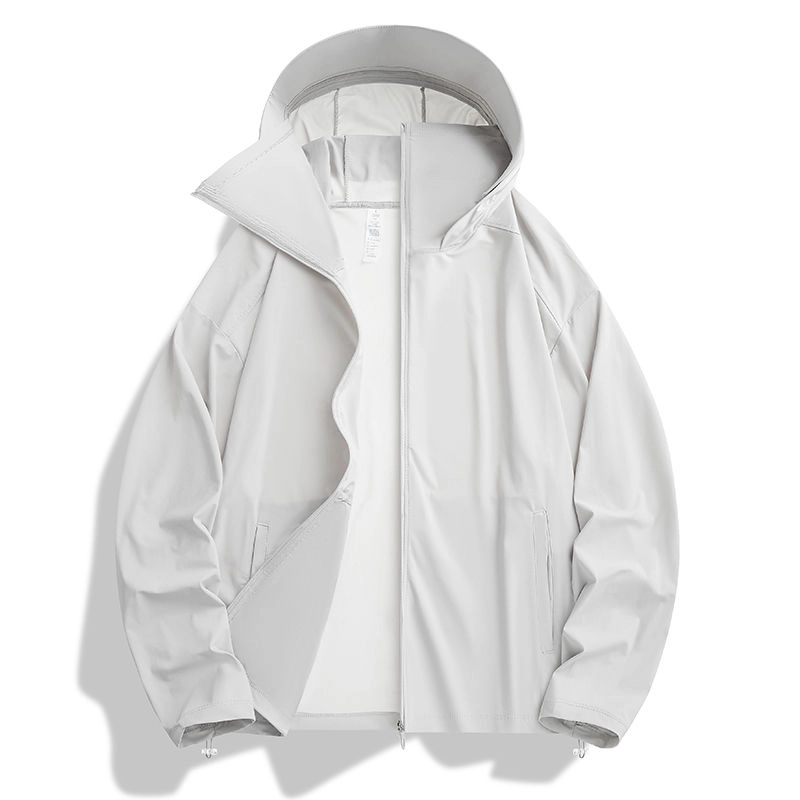
Cool Dry Sun Protective Clothing Integration
The best thing about Cool Dry Sun Protective Clothing is that it uses an all-around method. These clothes have UPF 50+ ratings and also do a great job of keeping you dry and regulating your body temperature. This combination gets rid of the trade-offs that come with single-function options. A construction foreman can work a full shift in direct sunlight without having to reapply sunscreen. They can also stay cool through evaporation even when they are working hard, and they don't have to worry about the heat buildup that comes with wearing traditional protective gear. European fast-fashion stores know this and look for patterns that can be worn from the beach to the city without having to change clothes or take extra steps to protect yourself from the sun.
Brand and Manufacturing Variations
Product quality varies among manufacturers due to differences in materials, knitting technology, and quality control. Premium suppliers invest in customised yarns and extensive testing. Welston’s vertically integrated three-plant system ensures production control, while JUKI and SHINLING equipment provides precise stitching and cutting. With ten production lines, Welston supports large orders with reliable delivery and consistent quality.
Procuring Cool Dry Sun Protective Clothing: What B2B Buyers Should Know
When buying a lot of technical clothing, you need a different strategy than when buying clothes for yourself. To get the best value, procurement experts have to figure out how to deal with suppliers, how prices work, and how to handle logistics.
Identifying Credible Suppliers
The first step in screening suppliers is to check their manufacturing capacity. Reliable companies that make Cool Dry Sun Protective Clothing have many production lines with skilled workers, which lets them increase output without lowering quality. This is shown by Welston's 580 employees who work in-house and through outsourced operations. They are backed by specialised tools for screen printing, water-based applications, and heat transfer customisation. Suppliers' ability to consistently handle large orders can be seen by visiting their sites or asking for specific production documents.
Wholesale Pricing and Volume Discounts
When you order in bulk, you usually get tiered pricing, which means that the price per unit goes down as you place more orders. Customised Cool Dry Sun Protective Clothing usually has a minimum order quantity of around 100 pieces. This means that medium-sized businesses can get their logos on clothes without having to spend a lot of money. When you buy more than 500 units, you can get bigger savings and sometimes extras like unique graphics or faster shipping are free. Procurement managers should ask for clear cost estimates that list fabric grades, customisation fees, and transportation costs. This will help them make accurate budget predictions and compare vendors.
Customization and Branding Options
When corporate personality is added to practical workwear, it turns them into brand champions. These days, manufacturing can handle logo embroidery, screen printing, and heat transfer without affecting the performance of the fabric. Welston's combined customisation lines make these changes right at the factory, so quality control is kept up all the way through the production process. Before general production starts, samples are usually approved first. This lets buying teams make sure that the customised Cool Dry Sun Protective Clothing meets all of the requirements for both looks and function. This step is very important for outdoor stores that are making their own private-label lines of products or for companies that are giving their field teams branded uniforms.
Logistics and Shipping Considerations
When you buy something internationally, you have to think about shipping times and customs procedures. Established producers keep in touch with freight forwarders who are experts in exporting textiles. This makes paperwork easier and cuts down on delivery delays. For standard orders, the time between production and delivery is usually between 4 and 6 weeks, but there are faster options for those who need them quickly. Buyers should make sure that the prices they are given include shipping or are FOB, which means that they need to make their own transport arrangements. Making sure everyone knows what to expect from delivery avoids expensive misunderstandings and makes sure that product gets to where it needs to go on time.
After-Sales Support and Warranties
Professional sellers are different from transactional vendors in the quality of their service after the sale. Comprehensive after-sales help takes care of problems with fit, quality control, and performance that come up in real life. Welston's promise of a 24-hour response time shows that they know that delays in buying can affect the flow of operations. Our committed service staff offers useful solutions instead of bureaucratic workarounds, keeping client relationships strong even when problems appear. Cool Dry Sun Protective Clothing buyers who plan to use their clothes for more than one year can get extra safety through warranties that cover flaws in the materials and premature UPF degradation.
Ensuring Long-Term Satisfaction and Maximizing Value
Strategic procurement includes more than just the initial purchase. It also includes the total cost of ownership and making sure that clothes keep working well over their entire lifecycle.
Aligning Products with Organizational Needs
Specifications need to be tailored for each industry and use case. Construction companies look for features that are durable and easy to see, while tourism companies look for features that look good and are easy to pack up. Agricultural businesses need stress points to be reinforced and lots of air flow, while corporate campuses value a professional look and sun protection. Instead of using one-size-fits-all options, successful buying matches the features of Cool Dry Sun Protective Clothing to these specific needs. Welston offers a wide range of clothing, including business outfits, outdoor clothes, and specialised clothing for activities. This means that clients can get a lot of different types of clothing from a single, reliable source while still getting the same high quality.
Evaluating Eco-Friendly Production Methods
Sustainability standards are becoming more and more important in buying decisions, especially in European markets where environmental certifications affect how people buy things. Recycled polyester fabrics offer the same UPF protection as new materials while being better for the environment. Suppliers that show they are truly committed to sustainable manufacturing through things like licenses, open supply chains, and trash reduction programs are in line with CSR goals. This thought adds to the value of the brand beyond its practical performance. It appeals to end users who care about the environment and meets legal requirements in places where green procurement is required.
Case Study: Construction Sector Implementation
A construction company in North America gave 200 workers in the field Cool Dry Sun Protective Clothing with UPF 50+ ratings and better ventilation panels. After the changes were made, surveys showed that sunburns happened 73% less often and workers were more productive because they weren't as tired from the heat. The clothes were durable enough to last through three seasons of washing in industrial washing machines. This saved a lot of money on replacement costs compared to regular work shirts that need to be replaced every two years. This result shows that the initial investment in high-quality clothing that protects against the sun pays off through lower health costs, higher productivity, and longer periods of time between replacements.
Supplier Relationship Development
Long-term relationships with makers are good for more than just one purchase. Relationships that have been built over time make it easier to make customisations based on user feedback, give return customers better prices, and give scheduling priority during times of high demand. Welston has been in business for 27 years and has worked with big companies like Panasonic, Toyota, and Dell. These partnerships are based on reliable quality delivery and quick service. These partnerships turn into strategic ties where sellers share their knowledge about how to make products better and help clients become more competitive.
Conclusion
To pick the right Cool Dry Sun Protective Clothing, you have to weigh technical details, cost, and the dependability of the provider. Functional excellence starts with UPF 50+ scores, proven moisture-wicking performance, and the ability to control body temperature. Finding manufacturers with proven production capacity, quality assurance systems, and quick support structures are all important for successful procurement. The investment is more than just buying clothes; it shows a dedication to the safety of workers, the speed of operations, and the quality of the business. Strategic buyers make this choice by using thorough evaluation models that look at both how well the product works right away and how much value it delivers in the long run.
FAQ
1.What UPF rating should Cool Dry Sun Protective Clothing have?
Professional clothing should have a UPF value of 50 or higher, which means it blocks about 98% of UV rays. This amount of protection is good for long periods of time spent outside in all kinds of situations, from hiking for fun to working on building sites. Check that the grades stay the same after 20 to 50 washes, which means that the fibres are protected naturally and not just with brief chemical coatings.
2.How does fabric weight affect cooling performance?
Lighter fabrics (90–110 g/m²) let more air flow and are better for high-intensity activities. Medium-weight fabrics (120–140 g/m²) last longer and are better for work. The best choice relies on how active you are and how much wear and tear you'll be doing. When the right fibre structures are used, fabrics in both weight groups can do a great job of wicking away sweat.
3.Can Cool Dry Sun Protective Clothing function in high humidity?
Modern technologies for managing moisture make the surface area for drainage as large as possible, which forces sweat to evaporate even when the air around you is almost saturated. This feature sets high-quality Cool Dry Sun Protective Clothing apart from regular sports wear, and it's why it's so important for warm regions where regular moisture-wicking doesn't work.
Partner with Welston for Premium Cool Dry Sun Protective Clothing Solutions
Cool Dry Sun Protective Clothing from Welston is made for businesses. They have been making high-quality clothes for 27 years and have relationships with top companies in Asia, Europe, and North America. We can handle large orders with consistent quality and exact customisation thanks to our three plants and ten production lines. Our UPF 50+ clothes are made with moisture-wicking technology, temperature regulation, and sturdiness standards that meet the most demanding needs. They can be worn by building workers, outdoor store goods, or business teams. You can talk to our team about your needs at [email protected], ask for samples, or look through our whole catalogue at welstongarments.com. As a well-known company that makes Cool Dry Sun Protective Clothing, we answer all of our customers' questions within 24 hours and give them clear prices with clear production schedules.
References
1. American Association of Textile Chemists and Colorists. (2019). Test Method for Transmittance or Blocking of Erythemally Weighted Ultraviolet Radiation through Fabrics. AATCC Technical Manual.
2. Standards Australia/Standards New Zealand. (2017). Sun Protective Clothing—Evaluation and Classification. AS/NZS 4399:2017 Standard Documentation.
3. International Journal of Occupational Safety and Ergonomics. (2020). "Thermal Comfort and UV Protection in Outdoor Work Environments: A Comparative Study of Technical Fabrics."
4. European Committee for Standardization. (2018). Textiles—Solar UV Protective Properties—Determination of Protection Factor. EN 13758 Standard Guidelines.
5. Journal of Industrial Textiles. (2021). "Moisture Management Performance of Modified Cross-Section Polyester Fibers in Active Sportswear Applications."
6. Textile Research Journal. (2019). "Durability of UV Protective Properties in Laundered Sun Protective Garments: A Longitudinal Analysis."
We specialize in designing, producing, and selling corporate clothing. Mainly produces: industrial clothing, business uniforms, and work clothes for different companies.

About Welston Garments


